Before Rosa Parks, eight young black women boarded a segregated bus that was heading from Vienna to DC. The women sat in the front of the bus to challenge to Virginia’s Jim Crow laws. Now, NOVA Parks and Howard University have released a nine-minute documentary about their courageous act of defiance.
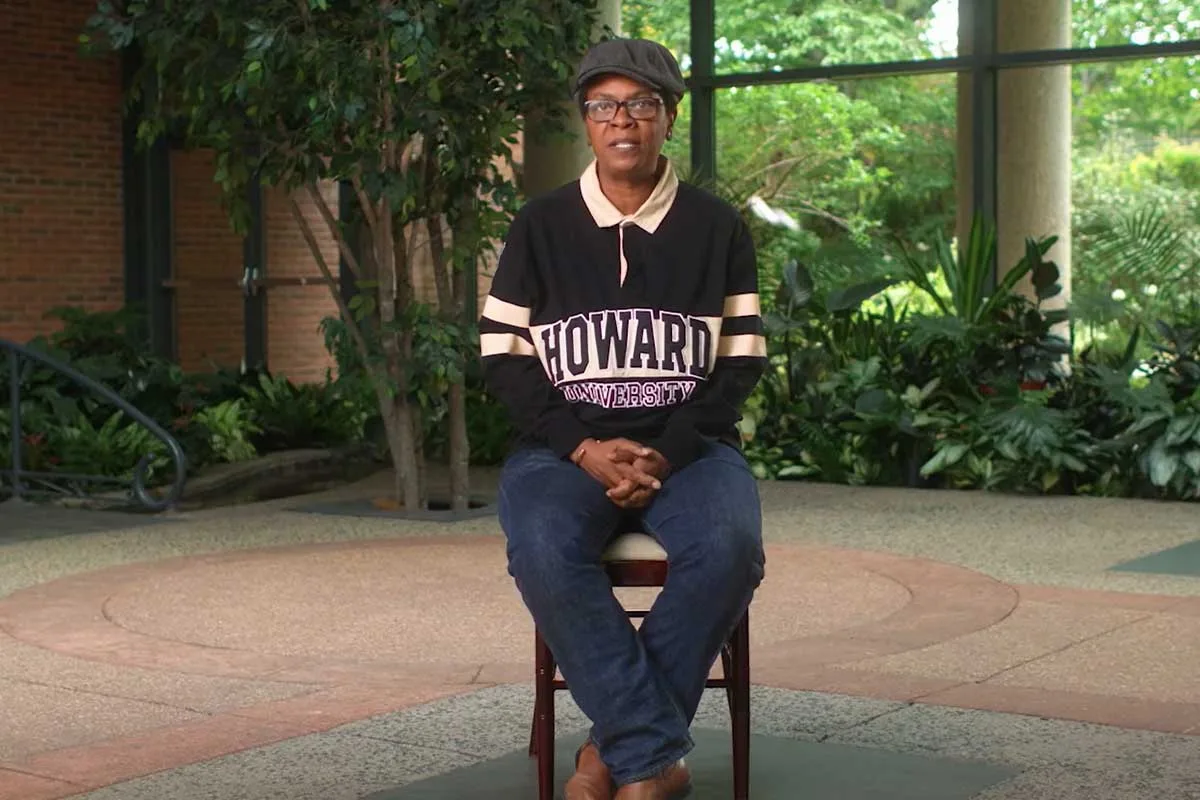
The Student Bus Protest That Challenged Jim Crow features the research and storytelling of Paul McCray, a NOVA Parks historian, as well as Howard University historian Sonja N. Woods. The video also features personal accounts from Styllene Curtis Boyd, a daughter of one of the women involved in the protest.
Meadowlark Gardens’ Place in History
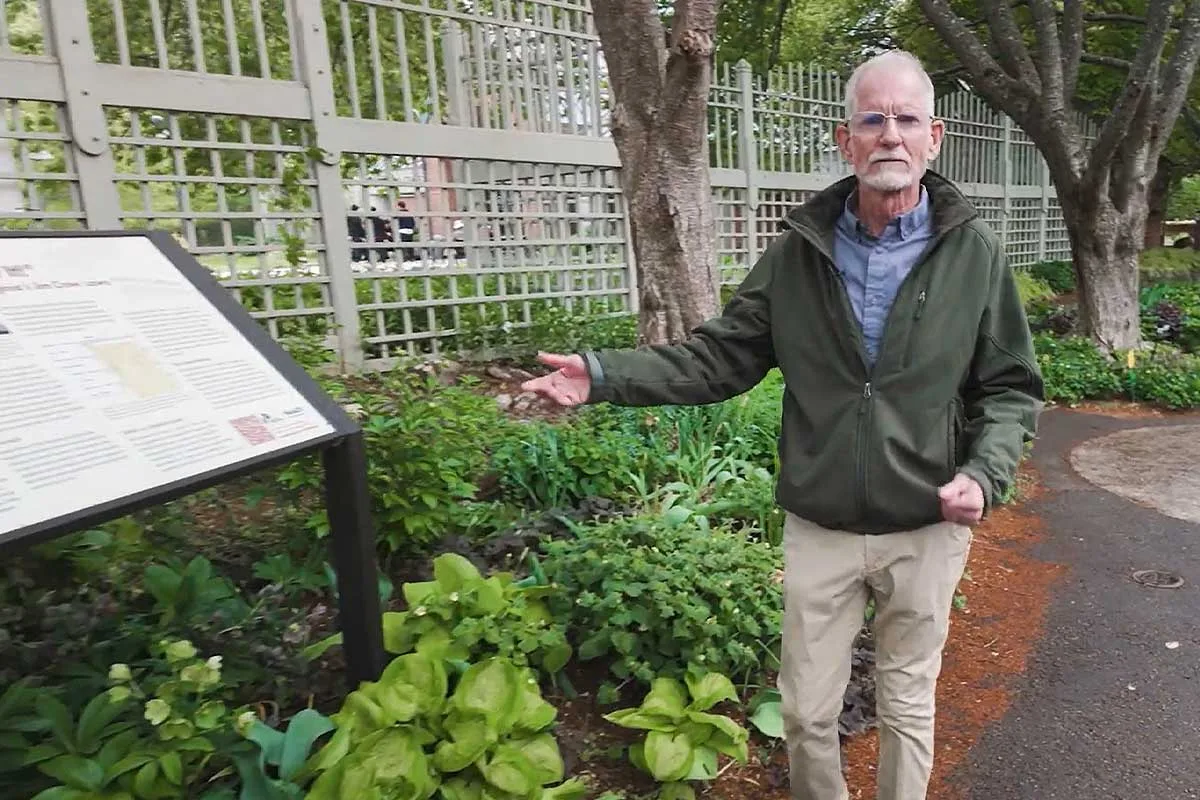
In the film, McCray explains that Meadowlark Botanical Gardens used to be known as “the farm.” It was much more than just a farm though — it was where the story began.
Eight young Howard University co-eds visited Howard University professor Caroline Ware’s farm for an end-of-year picnic in May of 1944. Afterwards, Ware drove the women to a bus stop near Vienna to get a ride back to Howard.
One of the women, Angela Jones, got on the bus and proceeded directly to the back, per the laws at the time. Ruby O’Hara boarded the bus after Jones and immediately sat behind the driver.
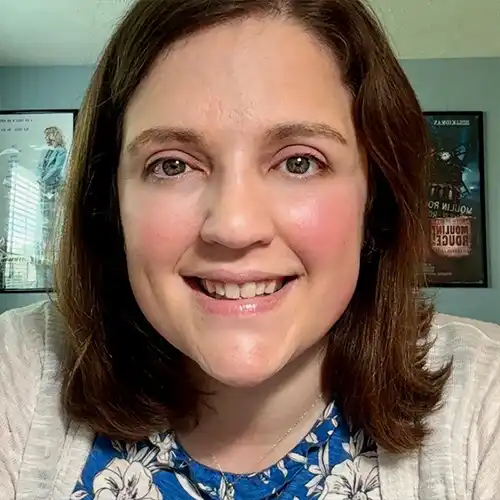
“It just really amazes me. My parents raised three girls, and any one of us would have sat in the front seat,” said Styllene Curtis, O’Hara’s daughter, in the documentary. “For my mom, it was a very big move for her.”
Howard University historian Sonja N. Woods explains that Jones joined the seven women at the front of the bus, and the protest began.
Sitting Firm in Their Beliefs
The driver told the women they had to move to the back of the bus. One responded that they were operating under interstate law, which said they could sit anywhere. The driver said the law in Virginia stated they must move to the back.
Eventually, McCray explains, the driver called the police. The women decided that the upperclassmen would be arrested, and the underclassmen would head to the back of the bus and ride back to notify the proper authorities. Ware bailed out the women and put her farm up as part of the bail security.
Dean of Women Susie Elliott notified Howard University faculty who were also members of the NAACP Legal Defense Fund attorneys. “This was really the beginning of the desegregation of the bus situation in the United States,” Curtis said.
Attorneys Leon A. Ransom and Charles Hamilton Houston were well-known in the white legal community for fighting against racial segregation. Eventually, they hoped the case would go before to the U.S. Supreme Court to overturn Jim Crow laws, but the charges were dropped. A year later, the Jim Crow bus law was overturned.
In the 1980s, Caroline Ware and Gardiner Means donated their farm — now known as Meadowlark Botanical Gardens — to NOVA Parks.
“It’s a predecessor to some of the more well-known civil rights demonstrations and protests,” Curtis said in the documentary. “It fills me with joy and fills me with pride to know that this is where my mother came and not knowing that she and her friends were going to make history.”
NOVA Parks Executive Director Justin Wilson heard about the connection to Meadowlark Botanical Gardens and wanted to record the story to help share it widely. “I’m so proud to help tell this powerful story of strength and determination,” he said.
The documentary can be viewed here.
Feature image of Sonja Woods courtesy NOVA Parks