The Virginia Marine Resources Commission voted yesterday to repeal a ban on winter dredging for blue crabs, a decision that has received backlash from the Maryland Department of Natural Resources.
This decision, made in a 5-4 vote during a meeting on Tuesday, reverses a ban that has been in place since 2008. It does not immediately allow winter dredging, but it will allow VMRC to begin researching the possibility of opening the fishery in the future.
The Maryland DNR released a statement to “strongly disagree” with the decision, expressing concerns that a winter dredge could be detrimental to blue crab populations, particularly female crabs “at a critical stage in their life cycle.”
A 2024 population survey by VMRC and the Maryland DNR estimated crab abundance at 317 million blue crabs, down from 323 million last year. The 2024 population of female adult crabs decreased to 133 million, well below the target of 215 million adult female crabs that the study says is needed for “a healthy population and sustainable harvest in the Chesapeake Bay.”
“It’s a bad day if you care about blue crabs,” said Maryland DNR secretary Josh Kurtz, in a statement.
“The success of the species’ recovery after a steep decline in the 2000s can be directly traced to Maryland and Virginia cooperatively managing blue crabs, especially females, based on science,” Kurtz said. “Today’s action by Virginia breaks with this successful approach.”
Zach Widgeon, the director of communications for VMRC, called the response “a little preliminary,” emphasizing that this decision does not immediately open the fishery.
Widgeon adds that there has been some debate about whether VMRC has the right to make regulations of this nature, and whether those bans “discriminate against certain user groups” such as fishermen.
Lifting the ban will allow staff to begin to research what winter dredge fishing could look like in 2025, and whether it could be a viable, sustainable option. “We don’t know,” Widgeon says, because the prohibition has prevented VMRC staff from researching the possibility since 2008, when the ban was implemented.
“[The decision] is giving our staff the opportunity to get answers,” he says. Staff will now work with the Crab Management Advisory Committee and the Virginia Institute of Marine Science to look into the feasibility of a year-round fishery.
One of the first steps will be to determine how many active licenses there are. In 2008, there were around 98 available licenses to dredge crabs in the winter. At present, no more than 20 crabbers are expected to have interest in obtaining a license, contributing to an estimated 0.75 percent increase in harvest, according to VMRC.
A winter fishery has the potential to “bolster the commercial crabbing industry during times of the year where jobs are often lost during industry closures, losing access to workers and customers,” a news release from VMRC said.
The advisory committee will also be considering a much shorter winter season, running from January to February, compared to the previous season, which went from December through March.
VMRC plans to meet again in September to discuss and vote on regulations.
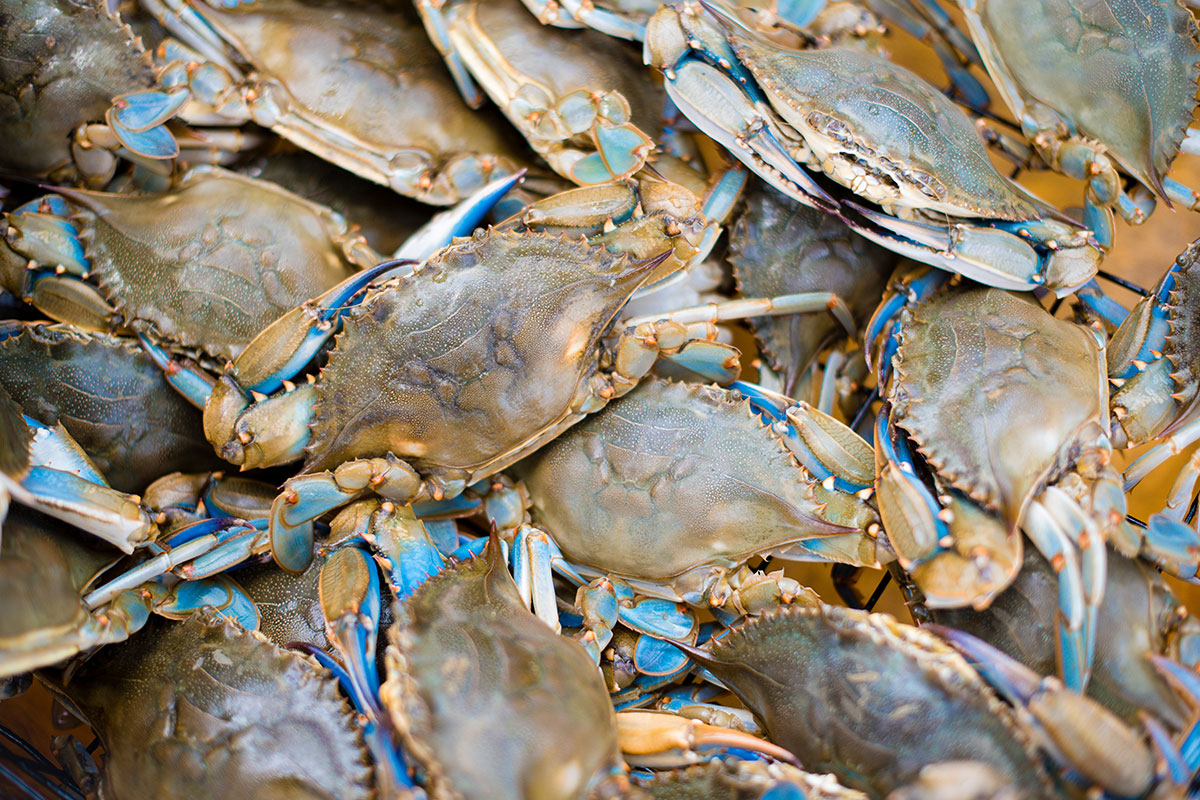
Feature image, stock.adobe.com
For more stories like this, subscribe to Northern Virginia Magazine’s News newsletter.