When you need medical treatment for yourself or a loved one, you want to get the best advice possible. In our 2026 Top Doctors issue, we compiled a list of more than 1,800 of the region’s most trusted doctors across 56 specialties.
Hear from a few of those experts about their perspectives on their fields, their experience practicing medicine, and some of their best advice for patients.
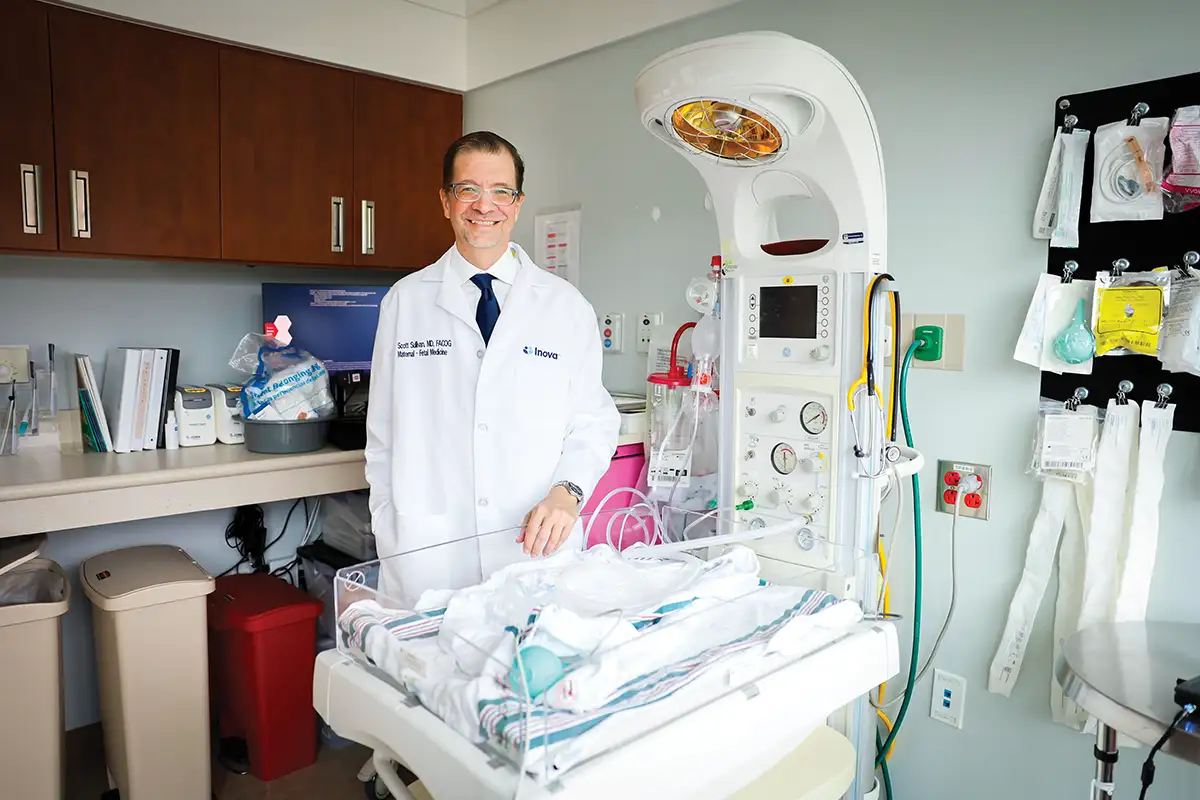
Dr. Scott Sullivan
Maternal & Fetal Medicine
Inova Maternal-Fetal Medicine
Why did you choose your specialty?
I think it was the variety that OB/GYN represents. On a given week, you may deliver a baby, perform surgery, see patients in the office, go to the emergency room, and round in the hospital. That doesn’t happen in many specialties.
Do you have a memorable patient story you could share?
I can share a personal one. With our youngest child, my wife developed life-threatening pregnancy complications — proof that it can happen to anyone at any time. I was terrified, but her care team, many of whom are my friends, did a phenomenal job of saving her life. It was very interesting to be on the other side of the equation, but we’re so grateful we were in great hands.
What’s one thing you wish your patients knew?
I wish they knew how many sources of information these days are inaccurate or very biased. I think misinformation has become more and more dangerous in the modern era.
What advances have you seen in your field in recent years?
I think the single greatest advances have been in the field of genetics, both in our understanding of and ability to make new diagnoses. I think in the next 30 years, there is going to be an explosion in what we can treat, which will look like science fiction.
Was there a real-life or fictional doctor who inspired you?
I didn’t know any doctors growing up, but I was fascinated by Dr. McCoy from the original Star Trek. He seemed very smart, compassionate, and able to solve any problem. The actor, DeForest Kelley, said that many doctors had told him the same.
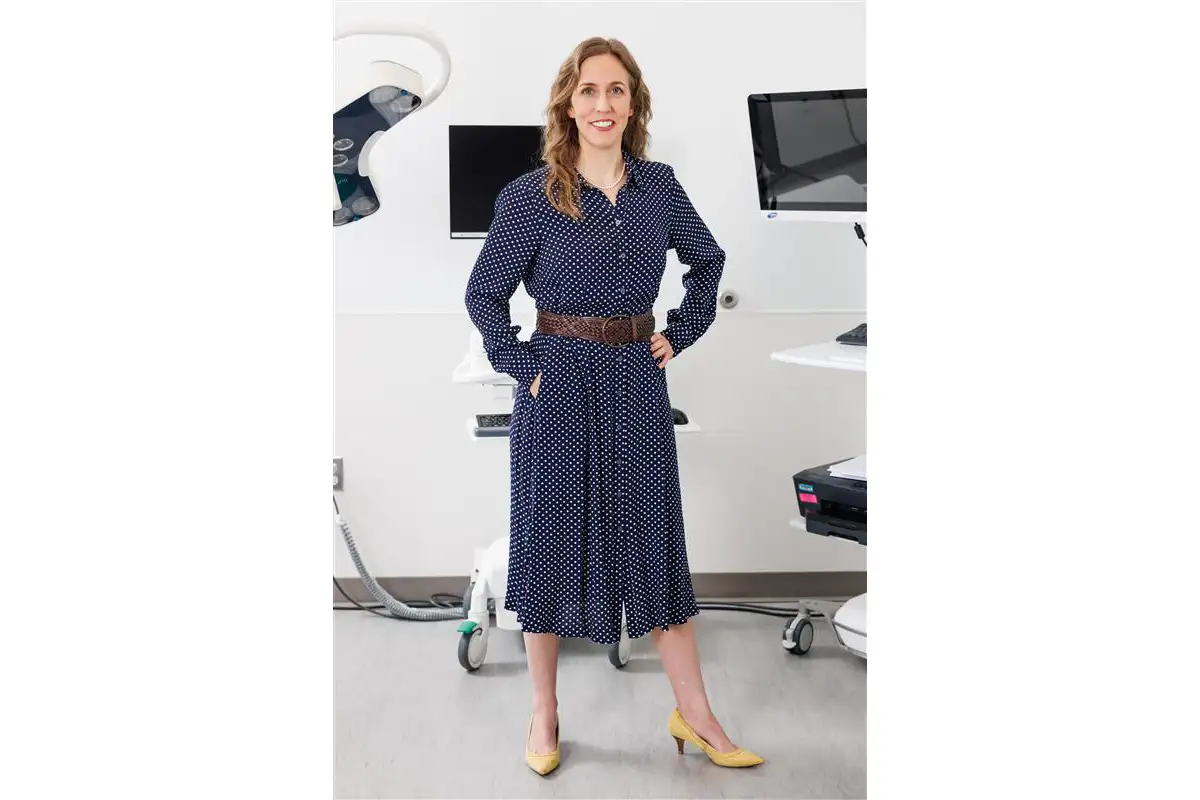
Dr. Amanda Rohn
OB/GYN
VHC Health Medical Group
What is something distinct that you bring to your field?
I used to be a computer engineer. One of my favorite things is to bring an engineering approach to medical questions, creatively combining nuanced knowledge of the science with the patient’s individual situation and values to come up with the best solution for each case.
What’s the most difficult part about working in medicine?
I stay as long as I need to to make sure a surgery or delivery has a good outcome. Sometimes this means missing dinner and even bedtime, which can be hard on my husband and kids. But it’s worth it to make sure my patients get the best possible care.
What’s one healthy habit you practice?
I treat exercise as special time for myself. When the weather is nice, I run outdoors to enjoy the view. Otherwise, I save my favorite silly TV shows to watch while I do HIIT or weight training. And if I’m not feeling any of that, I do yoga.
Was there a real-life or fictional doctor who inspired you?
I’ve been blessed to have many inspiring mentors, but the one who left the biggest mark was Dr. Mary Crowther, who was my partner and mentor for my first eight years of practice. She set an almost impossible bar.
Do you have advice for an aspiring doctor?
Do something else — not instead, but in addition. Experience in other fields or pursuits makes you better rounded, gives perspective, and helps you connect with people from a wider variety of backgrounds.
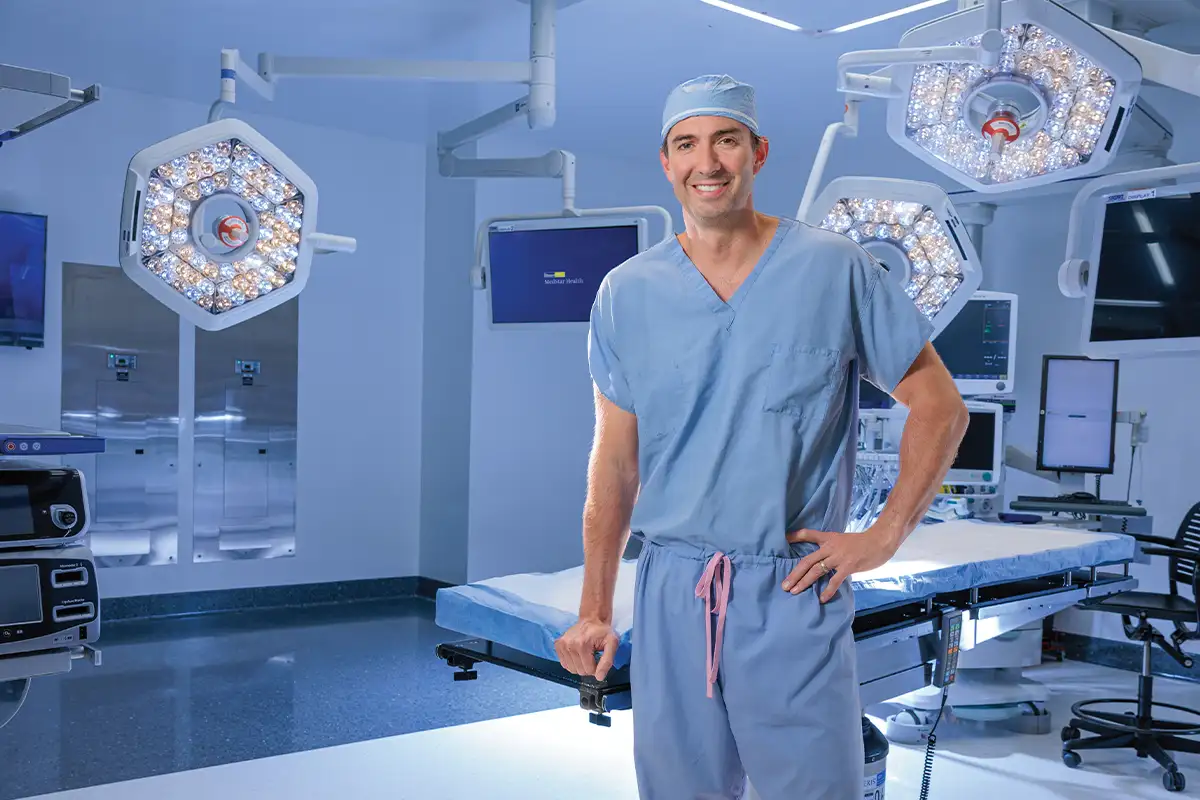
Dr. William F. Postma
Orthopedic Surgery
MedStar Health Orthopedic Institute
Why did you choose your specialty?
I grew up watching my father, who is also an orthopedic surgeon, and I connected with the patient population. They’re active individuals who want to improve their quality of life and stay healthy. I gravitated toward sports medicine because as a former athlete, I understand firsthand how important sports and physical activity are — not just for physical health but for mental well-being.
Do you have a memorable patient story to share?
When I first started practicing at MedStar Georgetown, my father retired from orthopedics. One of his good friends — and former patients — from Spartanburg, South Carolina, called to say he needed surgery and wanted to come see me in DC so I could do it. He flew up a few weeks later, and I performed the operation. The next time I saw him back home for the holidays, he pointed at his shoulders and joked that he’d had both shoulders fixed by different Dr. Postmas.
What do you find most fascinating about your field?
The rapid technological advancement in orthopedics is what fascinates me the most. In sports medicine, especially, we’ve transitioned many procedures from open surgeries to arthroscopy, allowing us to do things we never thought possible. I’m also fascinated — equally excited and a little terrified — by the growing role of AI. With its integration into medicine, it’s impossible to fully imagine what may be possible in the near future.
What keeps you motivated?
Teaching students and residents is one of my greatest motivators. It is pretty rewarding to see residents grow from a bull in a china shop in the OR to a confident, skilled surgeon over a five-year period.
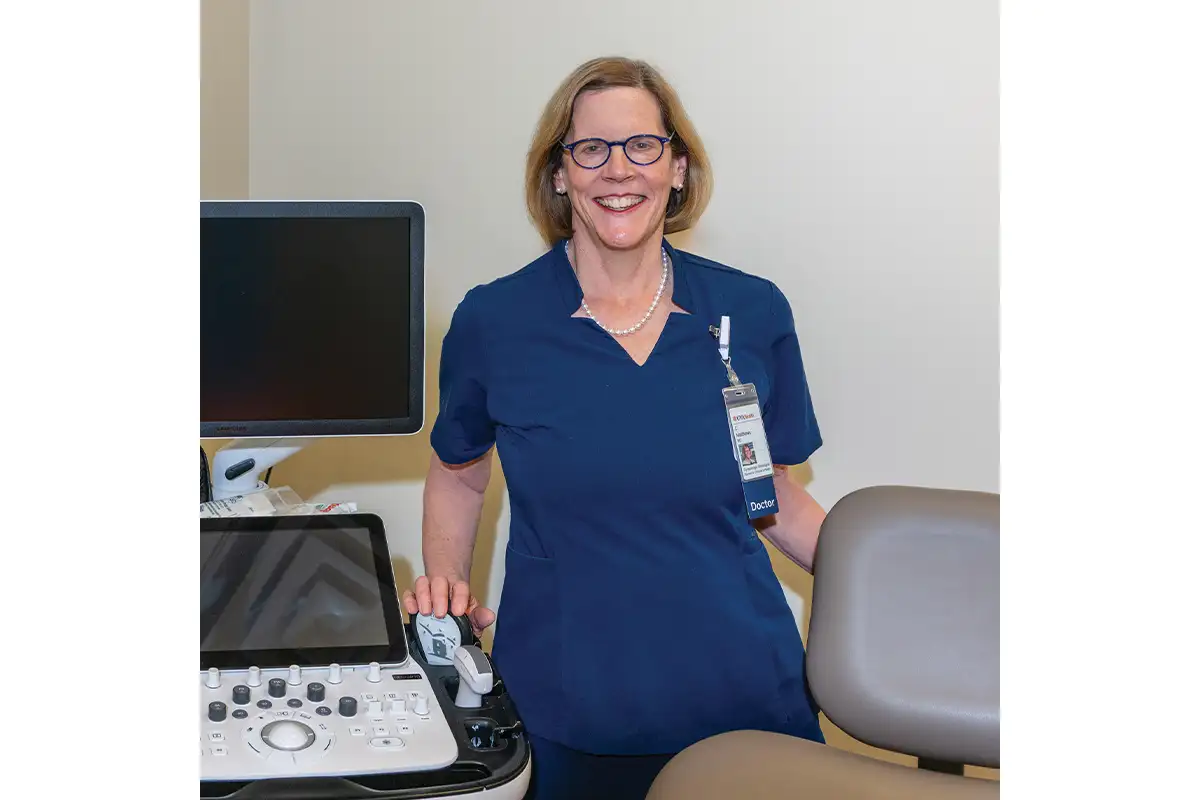
Dr. Carolyn Matthews
Gynecologic Oncology
UVA Health
What is something distinct that you bring to your field?
I had a metastatic thyroid cancer when I was pregnant 30 years ago, and for several years had to get repeated large doses of radioactive iodine after thyroidectomy and neck dissection. It led me to get interested in what else I could do that might possibly be helpful, such that I became deeply interested in nutrition and lifestyle medicine. I became certified in integrative and functional medicine, palliative care, and acupuncture. Living on our family farm and helping my husband and son (a large animal vet) has also been helpful in understanding the importance of keeping our food supply and our land as healthy as possible.
What have you learned since going into practice?
In textbooks, medicine is presented as a true science and everything is “black or white.” In real life, there is a lot of art to the science and very few things are black or white.
What advances have you seen in your field in recent years?
There have been so many advances, it’s hard to fathom. We have had new chemotherapies, such as paclitaxel, which is used in many gynecologic cancers, and completely new treatments such as bevacizumab, which blocks the formation of new blood vessels, and immunotherapies, which enable the immune system to identify and fight cancers. We’ve had advances in genetic testing that allow for preventive surgeries for women with genetic predisposition to ovarian or uterine cancer.
What’s the most challenging thing about working in your field?
The cost of medicine has truly become exorbitant and that is difficult for everyone. For me personally, having a patient who has a complication of surgery or chemotherapy is absolutely the most difficult thing about practicing medicine; while I know intellectually that a small percent of patients will have a complication, when one happens, I always find myself worried for the patient, and wondering about what, if anything, could have been done differently.
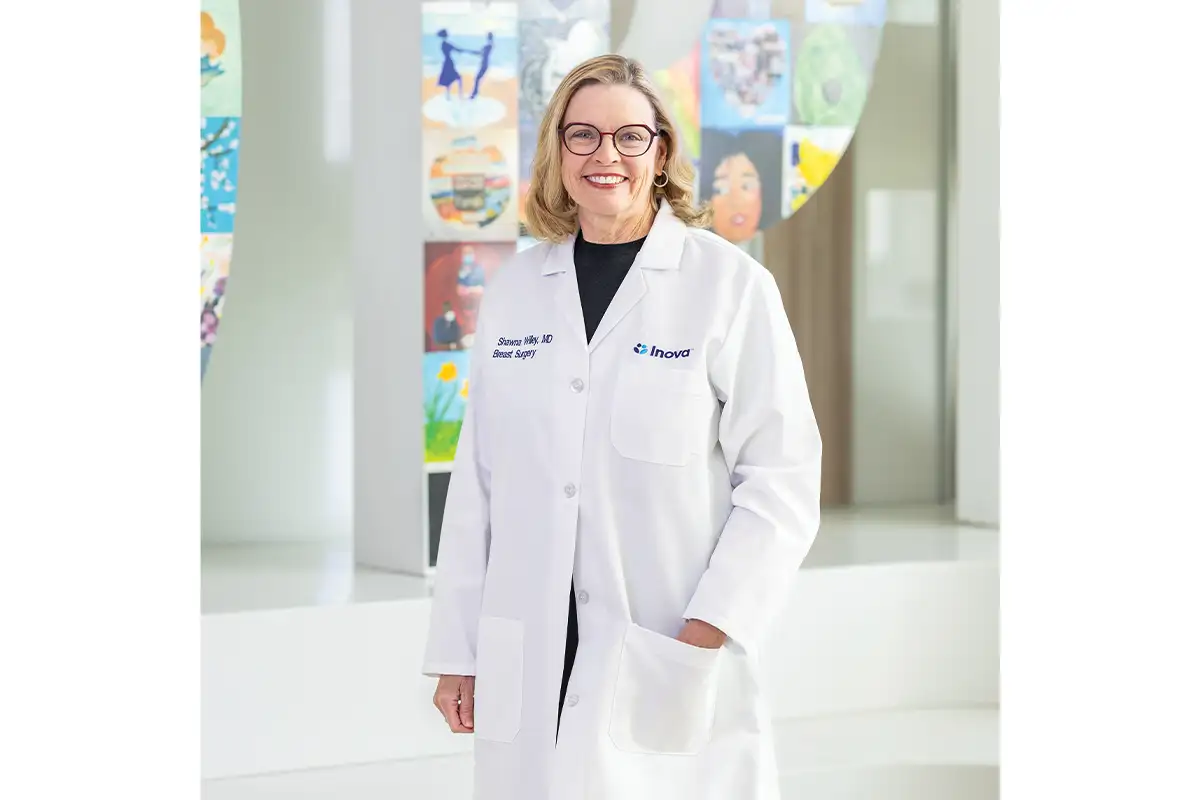
Dr. Shawna Willey
Surgery
Inova Schar Cancer Institute
Why did you choose your specialty?
It chose me. I trained as a general surgeon and practiced general surgery for 10 years. [Then] I was offered a job where I would practice breast surgery exclusively. I evolved into a breast surgeon at a critical time when breast surgery was becoming its own specialty.
What is something you do to put your patients at ease?
I use humor. Cancer is such a serious and scary thing for patients. Humor works amazingly well to diffuse the anxiety and tension when a patient is dealing with cancer.
What’s one thing you wish your patients knew?
That we are constantly thinking about them. We think about them after we meet them, as we drive to the hospital to operate on them, when we read their pathology report, when we’re going to see them in clinic or call them and all the times in between.
What’s the most rewarding part of your job?
I love my patients. I love that we build a relationship, in many cases that lasts decades. When a person lies down on an operating table, is given general anesthesia and trusts you to make an incision on their body, you have just created one of the most intimate relationships. It is a bond that the patient remembers forever. She remembers if I held her hand while she was going to sleep or what I said when she woke up. At a time when a patient is most vulnerable, that relationship can be the backbone of successful outcomes.
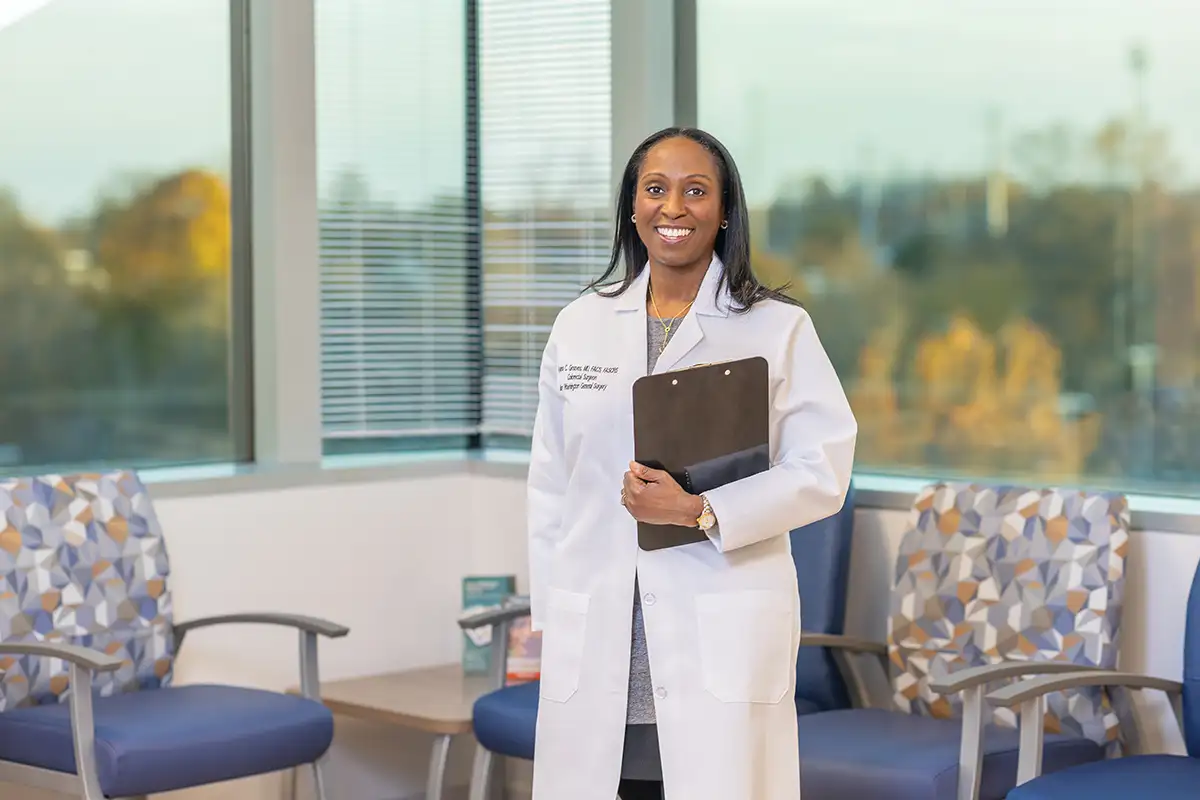
Dr. Ayana Chase Greaves
Colon & Rectal Surgery
Mary Washington General Surgery
Why did you choose your specialty?
I chose colorectal surgery because I love the range of pathology — it spans everything from hemorrhoids [and] inflammatory bowel disease to rectal cancer, so there’s always something new to learn and think through. I also really value the patient relationships in this field. Some of these conditions can be uncomfortable or even embarrassing for patients to talk about, but once you build trust, the gratitude they show after treatment is incredibly rewarding. And when it comes to early colorectal cancer, surgery can actually be curative. Being able to tell a patient they’re cured — that’s one of the best moments of my day.
What is something distinct that you bring to your field?
I spend a lot of time with patients before surgery — reviewing their imaging, walking them through the relevant anatomy, and discussing what to expect afterward, including possible complications. I’ve found that when patients really understand their condition and why a procedure is being recommended, they feel more confident and in control. Taking the time for these conversations helps them set realistic expectations and adjust to what might become their new normal after surgery.
What have you learned since going into practice?
Medical technology and advances in research are constantly evolving. Staying up to date is essential, not only to provide the best care but also to keep growing as a surgeon. Being active in professional societies has been a great way to stay current and learn from colleagues who are facing similar challenges.
What’s one thing you wish your patients knew?
I wish patients knew how common anorectal conditions really are. These issues aren’t often talked about, but they affect so many people. You don’t have to suffer in silence. There are effective treatments, and we’re here to help.
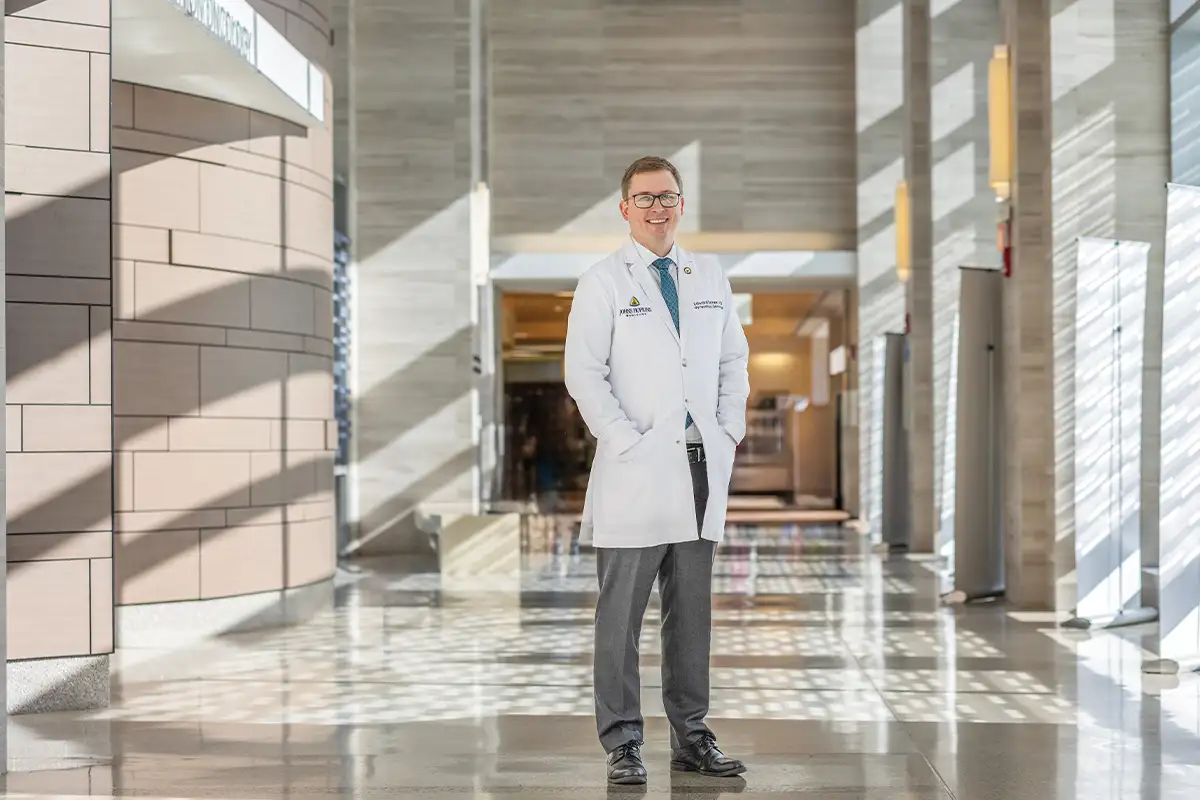
Dr. Edward Tanner
Gynecologic Oncology
Johns Hopkins
Why did you choose your specialty?
Gynecologic oncology is a unique field. We are both surgeons and oncologists. This means that I get to take care of patients through the whole cancer journey.
What have you learned since going into practice?
How important it is to figure out a patient’s goals for their care. In oncology, the most obvious goal is to aim for a cure or more time. We know that this goal can sometimes come at the cost of side effects or other risks. Empowering patients to understand these tradeoffs so that they can make informed choices is really important.
What advances have you seen in your field in recent years?
Sentinel lymph node mapping for endometrial and cervical cancer has greatly reduced the risk of lymphedema (chronic leg swelling) after surgery. I have been fortunate enough to contribute to research on this technique, so it’s been very gratifying to see it emerge as the standard of care for gynecologic cancer surgery. Immunotherapy has also resulted in better outcomes for patients with gynecologic cancers. There are many patients alive today who wouldn’t be without this breakthrough.
What’s one healthy habit you practice?
I’ve been intermittent fasting for the last five years. I find that it keeps me mentally sharp and keeps my energy up throughout the day.
What’s one way you de-stress after a difficult day?
I dabble in painting. It helps me to clear my mind in the same way that some people use meditation. As a surgeon, painting is a great mix of relaxation while still using my hands.
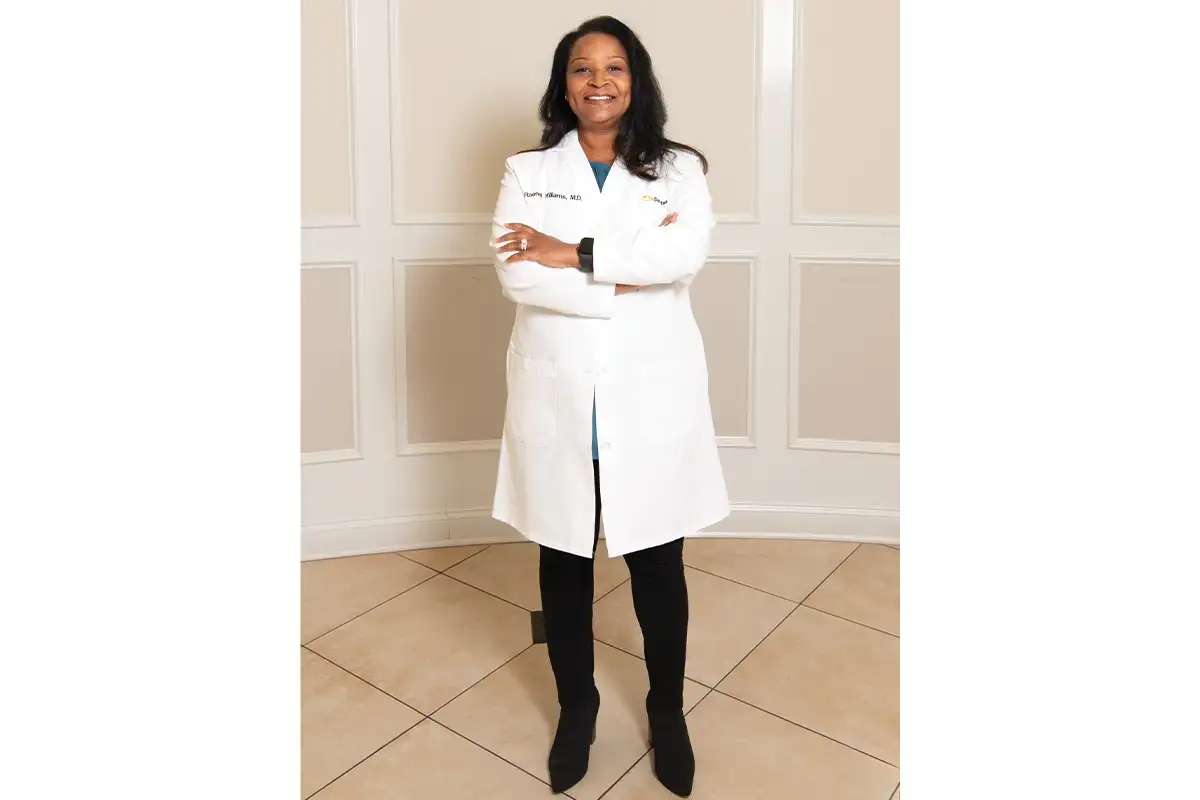
Dr. Raenell Williams
Family Medicine
Sentara Healthcare
Why did you choose your specialty?
I am a “jack of all trades, master of none” type of person, so the variety suited me.
What is something you do to put your patients at ease?
I am a low talker, so I have an easy voice and smile, and a calm demeanor.
What’s something you wish your patients knew?
That we are human, too. We have faults, feelings, and make mistakes like anyone else. Also, we worked hard and trained a long time for this career, so the internet should not be their guide.
What healthy habits do you practice?
Regular exercise. I do weightlifting and cardio dance YouTube videos, and I am working hard to increase my water intake.
Was there a real-life or fictional doctor who inspired you?
The book Doctors by Eric Segal is what put me on this path. I picked it up the summer after my freshman year of college as a trashy leisure-read, but it was anything but that. It gave a very in-depth look at what the main characters went through in their efforts to become doctors, all the way from college to practice.
What are the most rewarding parts of your job?
Two things. First, the family aspect. I am an introvert, so it takes a minute for me to bond with my patients, but it always happens eventually, and in my heart, many of them become my family, too. Second, I love it when a patient gets it. Even if it is as simple as the importance of consistency, or compliance with a regimen. The “aha moment” can be life changing.
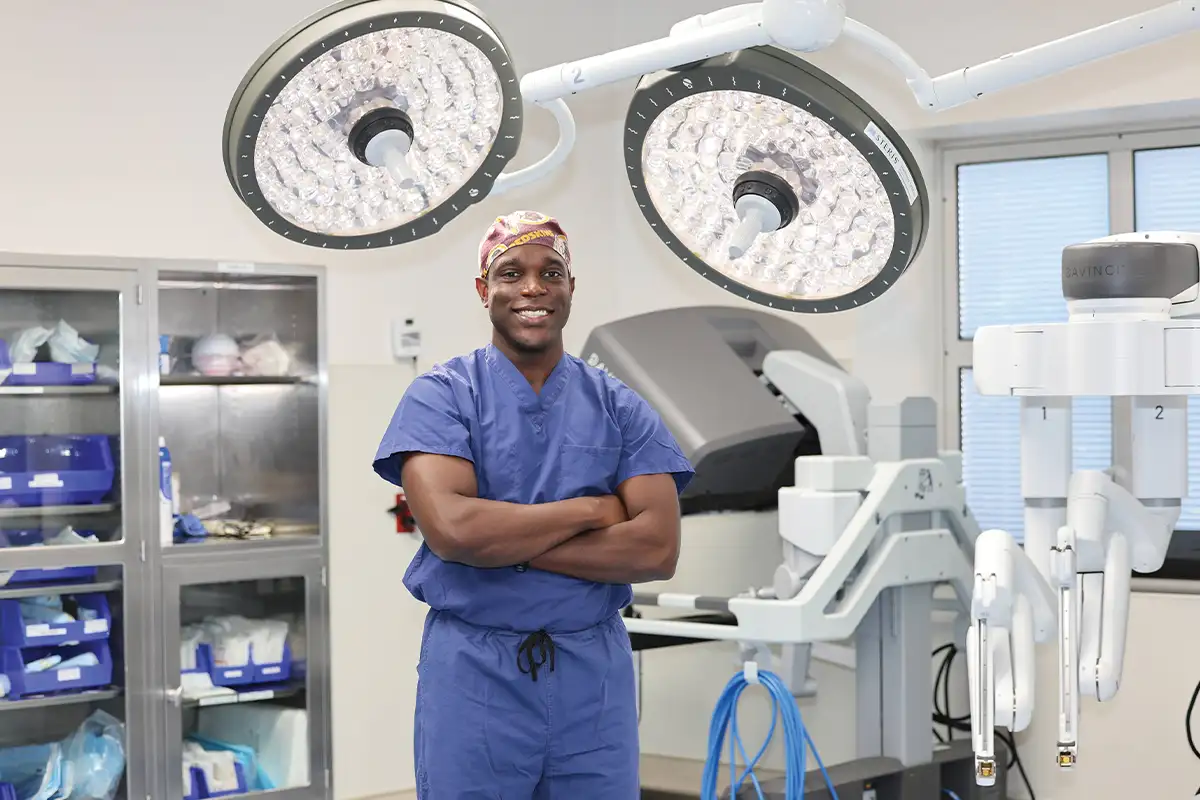
Dr. Nathaniel Saint-Preux
Surgery
Fauquier Health
Why did you choose your specialty?
I chose general surgery because it combines decisive action with the ability to make an immediate and meaningful impact on someone’s life.
What is something distinct that you bring to your field?
I bring a calm, grounded presence in high-pressure situations. Surgery demands clarity when things feel chaotic, and my patients and team know they can rely on me to stay focused, communicate clearly, and make thoughtful decisions.
Do you have a memorable patient story you could share?
One that always stays with me is a patient who came in extremely sick with an abdominal emergency. Their family was overwhelmed, terrified, and looking for someone to guide them. After a long operation, the patient recovered remarkably well. Months later, the family wrote me a letter describing how much it meant that I sat down with them and explained everything in plain language and helped put them at ease before a demanding surgery. It reminded me that the human connection is just as powerful as the surgery itself.
What’s most fulfilling about your work?
Seeing a patient walk back into the clinic healthy when they were critically ill not long before — that feeling never gets old. The privilege of being trusted during life-changing moments is what makes this work deeply meaningful.
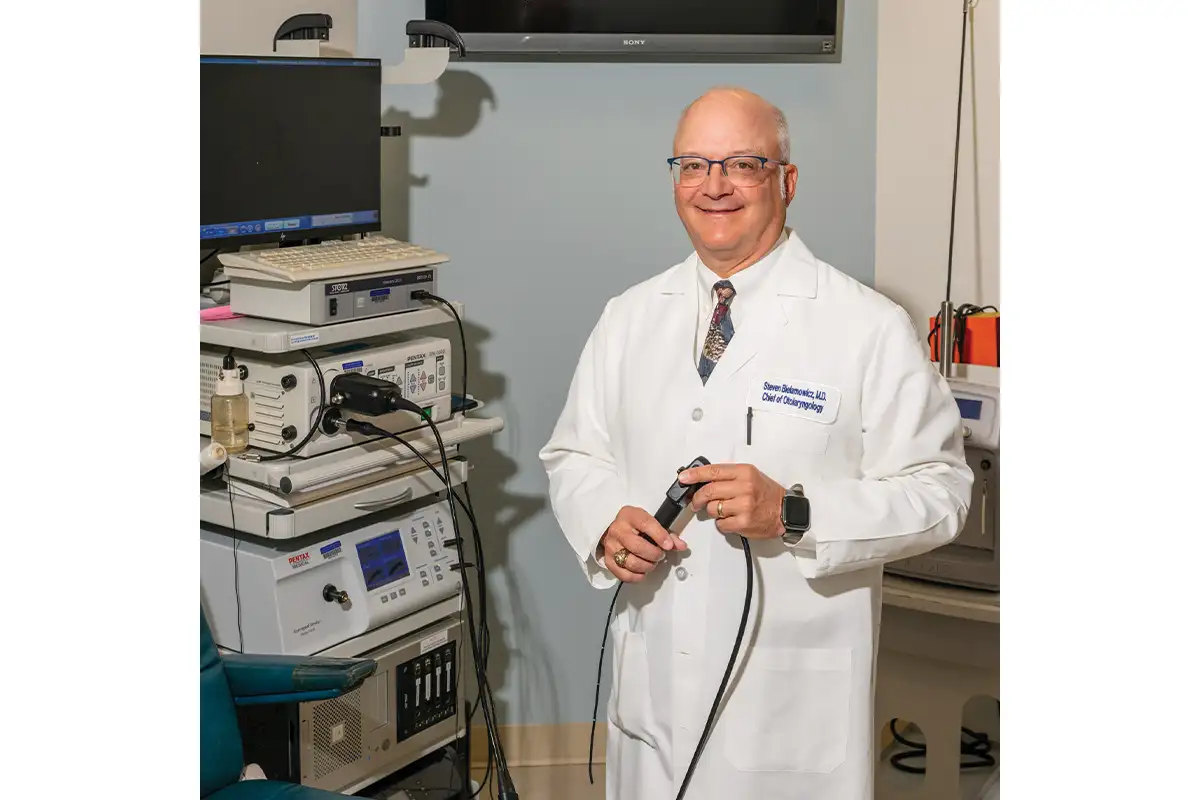
Dr. Steven Bielamowicz
Otolaryngology
The GW Medical Faculty Associates
Why did you choose your specialty?
I chose the field of laryngology as I have always been interested in voice production. I find the basic mechanisms behind the motion of the vocal folds to be almost magical.
What is something distinct that you bring to your field?
I have been fortunate to have developed research programs to help address many of the clinical conditions that I see in the office. Vocal fold paralysis and spasmodic dysphonia have been at the center of my research.
Do you have a memorable patient story you could share?
In 2019, a patient brought in an article that described three patients with his condition. He had a condition in which he was unable to burp. I had never heard of this condition. This difficulty is associated with significant abdominal distress with bloating and abdominal discomfort that is particularly worse with carbonated beverages and large meals. The article described using Botox placed into the upper esophagus sphincter to help the muscle relax so that air trapped in the stomach and esophagus could be released from the mouth resulting in resolution of the abdominal symptoms. I treated the patient, and he had resolution of his lifelong condition that has remained permanent. This patient said that this was “life changing.” Since that time, I have seen over 225 patients with the “no-burp syndrome.”
Do you have advice for an aspiring doctor?
If you’re interested in both clinical care and research, try to align these two aspects of your career. Research allows you to find answers to clinical questions and advances the field of medicine. Clinical care allows you to apply the information that you obtain through research.
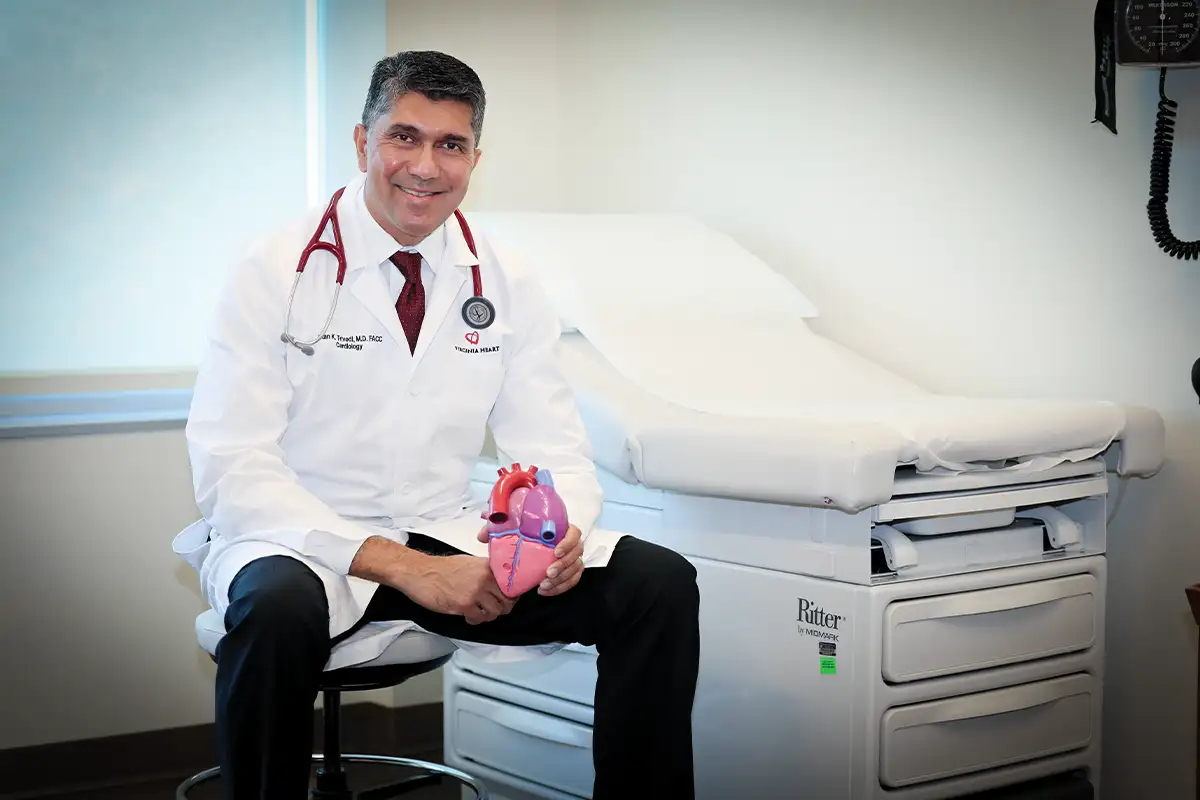
Dr. Ketan Trivedi
Cardiology
Virginia Heart
What is one thing about the heart that you want people to know?
Much of the heart disease we see is preventable. It’s so important to get into the right habits early in life so that you can avoid major problems down the road.
What’s most fulfilling about your work?
Building relationships with people for the long haul. I’ve had some patients for over 20 years, and it is a privilege to get to care for them through the many seasons of life.
What do you find most fascinating about your field?
It still boggles my mind to see people with advanced heart disease living quality lives. The way we treat heart disease has advanced tremendously in the past 20 years. Patients now have many more therapies that improve both the quantity as well as the quality of their lives. The human body is amazing, especially when you provide it the right care.
What is something you do to put your patients at ease?
I like to connect with patients on a personal level and share aspects of my own life. It’s good for patients to see physicians as human beings, not just authority figures telling people what to do.
What’s one healthy habit you practice?
I try to stick to a Mediterranean diet where I focus on filling my plate with mostly vegetables, hearty grains, and lean meats like chicken or fish. This is the diet that has been shown to have the most cardiovascular benefit.
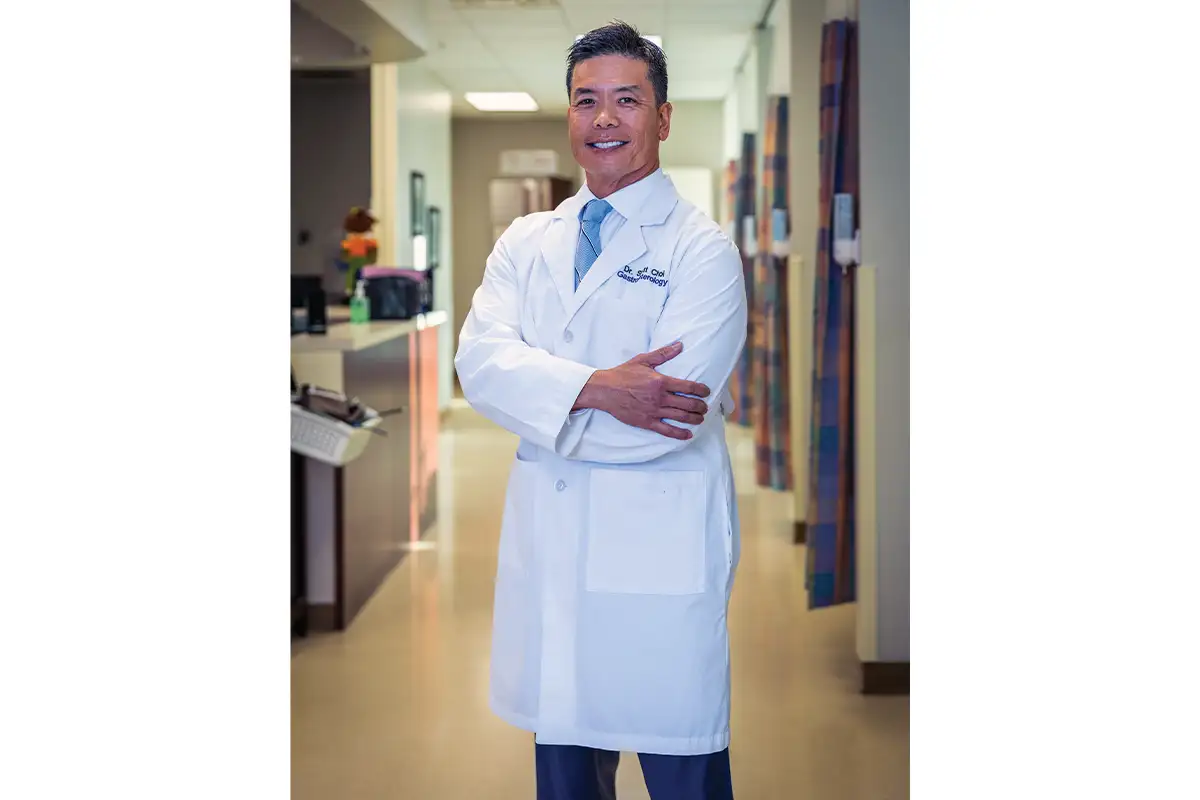
Dr. Scott (Myung) Choi
Gastroenterology
Gastroenterology Associates
Why did you choose your specialty?
My initial draw to gastroenterology was the ability to apply much of what I learned in medical school — anatomy, physiology, and histology — to make diagnoses and treat complex disease. Gastroenterology is a multiorgan discipline involving the entire digestive tract, and I liked the idea of applying my medical knowledge on a larger scale. I also enjoy performing diagnostic and therapeutic procedures, and gastroenterologists spend approximately half of their time performing endoscopic evaluation of the digestive tract. Finally, during my final year of medical school, I was able to spend a month on the gastroenterology consult service, and all of the fellows seemed to love what they were doing. Their infectious energy made me feel like gastroenterology might be a rewarding career path.
Was there a real-life or fictional doctor who inspired you?
There were many doctors who inspired me. As a child, I was fortunate to spend time with my grandfather, who practiced general medicine for two decades in Alexandria. He formed lifelong bonds with his patients and their families, and his kindness and generosity towards others left a strong impression on me.
What have you learned since going into practice?
I have learned that not all digestive symptoms are due to a disease. Seventy percent of abdominal pain is functional, which means there is no underlying organic disease. The gut is often reflective of one’s diet and mind. I believe that the appropriate diet, regular exercise, and mental adaptability can cure many abdominal complaints without prescription medication or supplements. Future studies of our human microbiome may prove that our lifestyle and gut are highly intertwined.
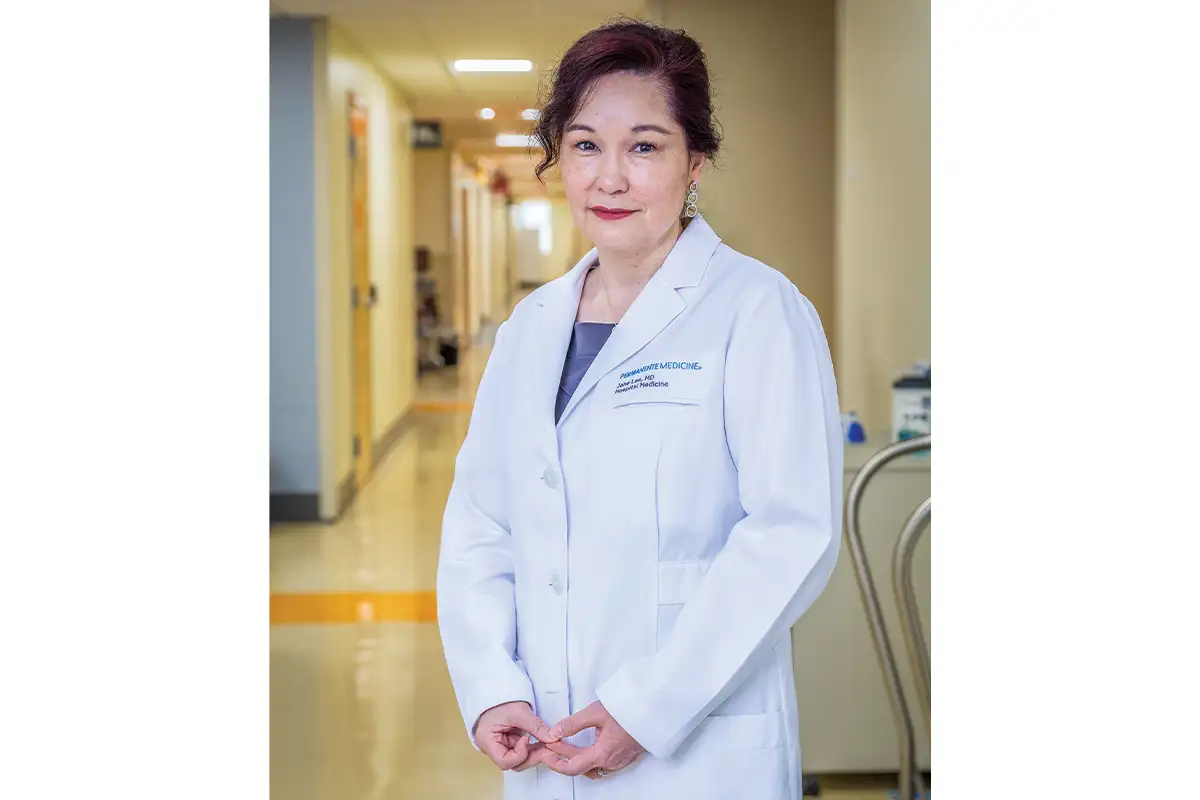
Dr. Jane Anne Lee
Hospice & Palliative Medicine
Mid-Atlantic Permanente Medical Group
What have you learned since going into practice?
I have learned that everyone, no matter their age, cultural background, gender, etc., has the same basic needs. We all want to be loved and accepted. In medical practice, this translates to truly listening to our patients and respecting their perspective. We need to be able to be flexible in our treatment plan to allow them true autonomy in their care.
What’s the most rewarding part of your job?
At Kaiser Permanente, I love that I can have truly connected conversations with patients and their loved ones. It is especially meaningful when we are able to consider medical concerns in the context of what makes life worth living. Being able to have moments of deep sadness at a terrible diagnosis but still having intense joy in the love we all share has been the most rewarding part of my daily work. Truly, my patients are what keep me fully energized after all these years.
What’s one way you de-stress after a difficult day?
After a particularly long day, I de-stress by spending time with my family, especially my husband. We love going to different restaurants and ordering different dishes so we can sample multiple things. We really enjoy trying the different types of cuisines our very diverse community offers.
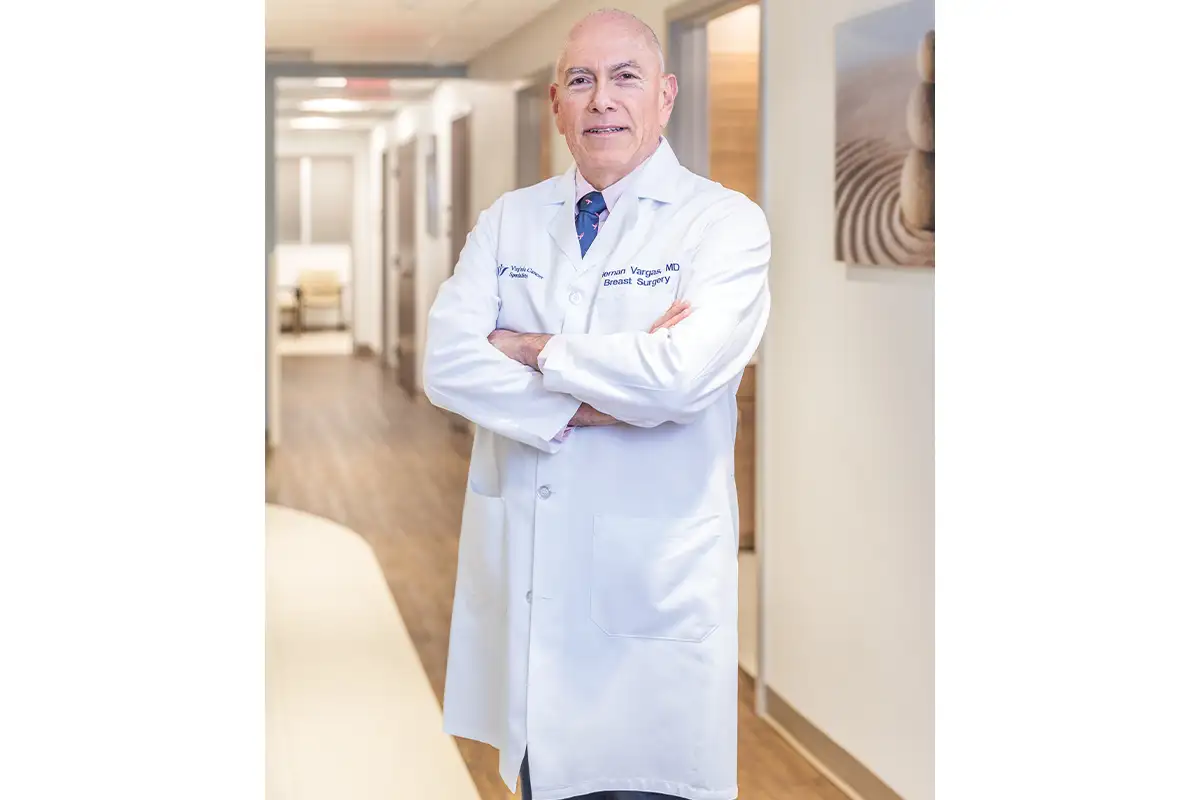
Dr. Hernan Vargas
Surgery
Virginia Cancer Specialists
Why did you choose your specialty?
I was drawn to breast cancer surgery because it brings together many aspects of medicine — scientific complexity, technical precision, and compassionate human connection — in a very unique way. It’s a field that requires both skill and deep empathy. Every patient’s cancer is different biologically and physically, and its impact on a person’s emotional and spiritual well-being is also unique. I find it a gift and a blessing to help women face one of the hardest moments of their lives with knowledge, guidance, care, and faith.
What are some of the biggest changes you’ve seen during your years in health care?
Medicine has become much more collaborative. Years ago, decisions were often made mostly by the physician. Today, patients are deeply involved through shared decision-making, and they are more informed and empowered — which, I believe, truly leads to better outcomes.
What advances have you seen in your field in recent years?
The progress has been remarkable. We now understand that breast cancer isn’t just one disease — it’s many different types, each with its own biology. That knowledge has allowed us to personalize treatments in ways that were impossible before. Improvements in surgical techniques have directly contributed to better oncologic outcomes and enhanced quality of life.
What’s one thing you wish your patients knew?
Breast cancer is certainly a life-changing event, but I want my patients to know that there is a real path toward healing. I wish they understood the importance of trusting in the guidance of their medical team and leaning on the support of their family and community — they are not alone.
What’s one healthy habit you practice?
I start my mornings with prayer and reflection. It helps me stay centered and grateful, especially before a busy day in the operating room or in the office.
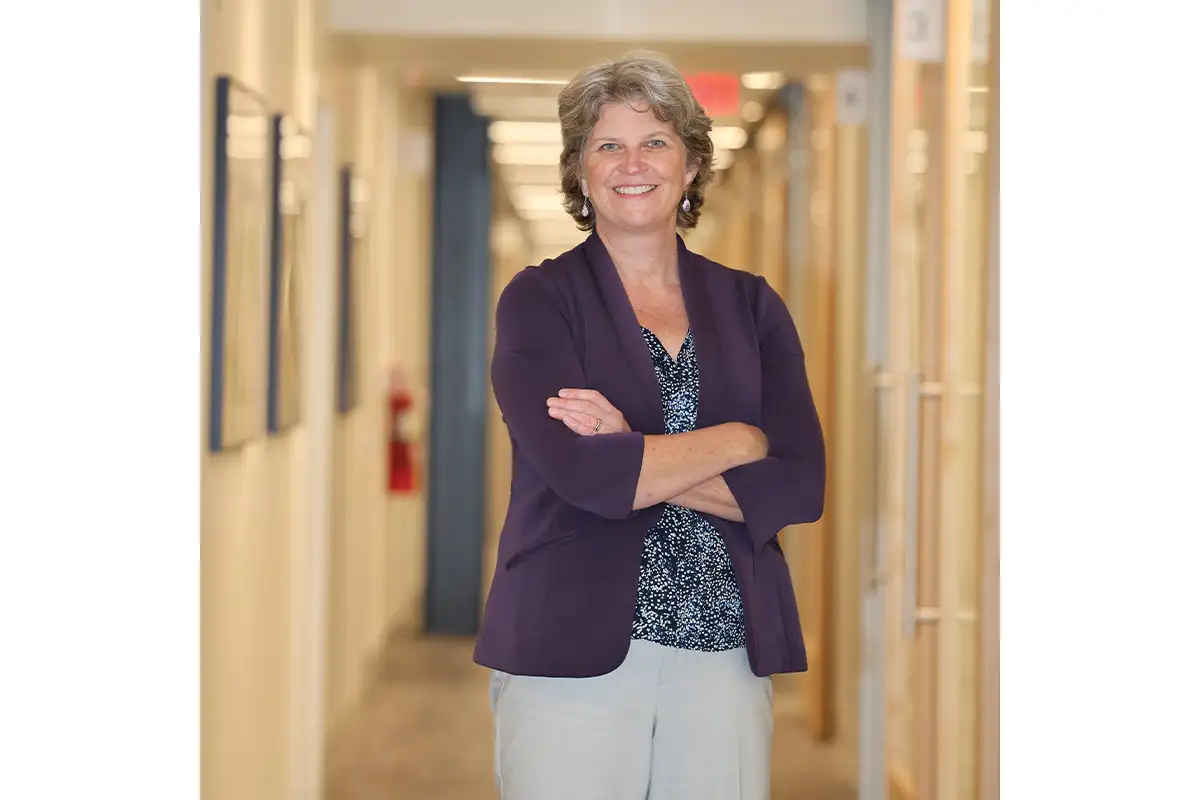
Dr. Cara Biddle
Pediatrics
Children’s National Hospital
Why did you choose your specialty?
I have a longstanding interest in public health, both the health of kids and families in our local community and international health. Pediatrics was a natural choice because much of pediatrics is focused on prevention and wellness.
What have you learned since going into practice?
From my perspective, listening is the most important skill for pediatricians. This can be a challenge in a busy pediatric practice with time pressure and important topics to cover, but we do our best work and have the greatest influence on promotion of health and wellness when we prioritize listening.
What is something you do to put your patients at ease?
The ear exam can be scary and uncomfortable for toddlers and preschool-age children. To make it more fun, I ask them to show me each of the body parts on their face before I examine it. When I get to the ears, I sing a little song that I made up about checking their ears. Sometimes they’re so busy listening to the song that they forget to worry about the ear exam.
What’s one healthy habit you practice?
I took up yoga about 10 years ago. Initially I appreciated the physical health benefits; with time, I’ve come to appreciate the emotional health benefits. Just 10 minutes of yoga in the morning sets me up to feel good for the rest of the day.
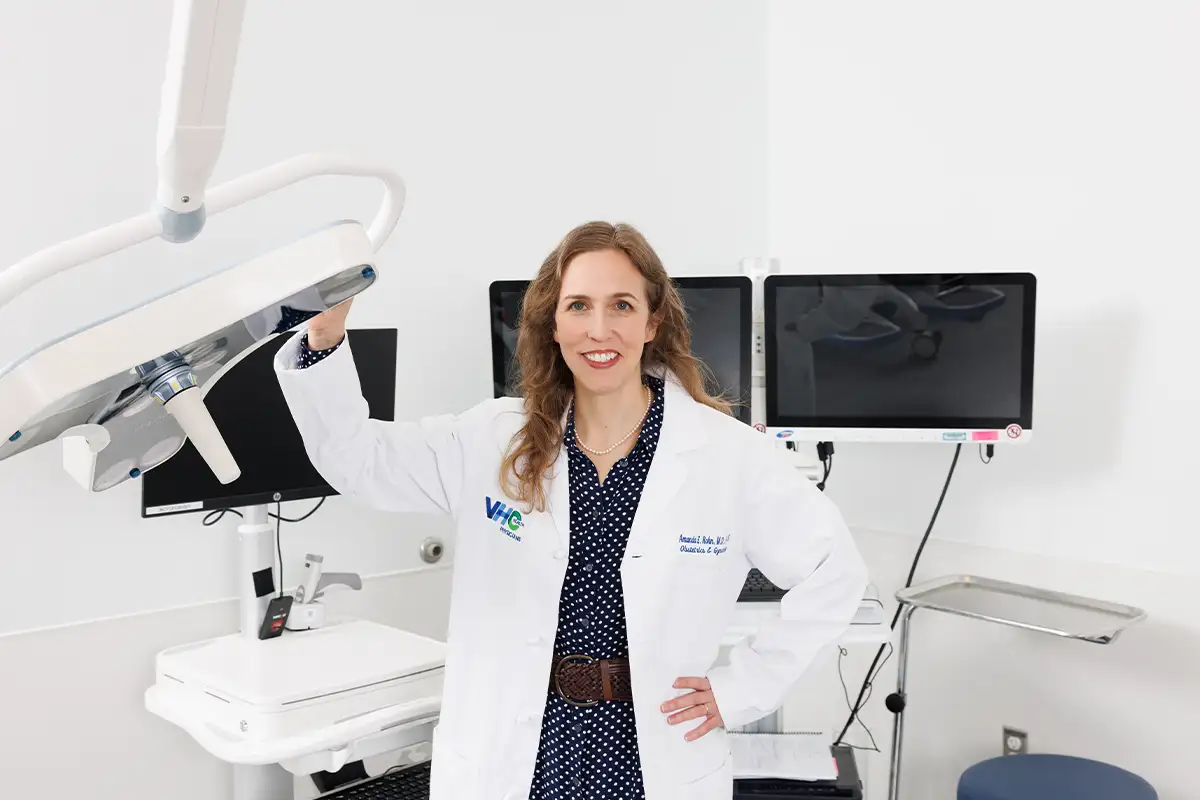
Feature image of Dr. Amanda Rohn by Michael Butcher
This story originally ran in our February issue. For more stories like this, subscribe to Northern Virginia Magazine.