When kids start playing sports, it is important to know about “concussions.”
Gerard Gioia, director of the Safe Concussion Outcome, Recovery and Education Program at Children’s National Hospital, shares a guide to help caretakers understand concussions, how to prevent them, and what to do if they happen. Knowing how to recognize a suspected recovery and respond appropriately is important. A new smartphone app can assist parents, coaches, nurses, and other health professionals.
What is a concussion? A concussion is an injury to the brain that can happen when something strikes the head or shakes it back and force with enough force to make the brain stretch and strain. This movement affects the brain’s electricity, chemicals, and energy, resulting in symptoms. We think of this as a “software” injury of the brain. This can change how the brain works from hours to days to weeks.
How common are concussions in kids? Concussions happen more than we might realize, affecting millions of kids each year. Children recover from the vast majority of these injuries in several weeks, but the injuries can still cause problems. Managing them appropriately is important.
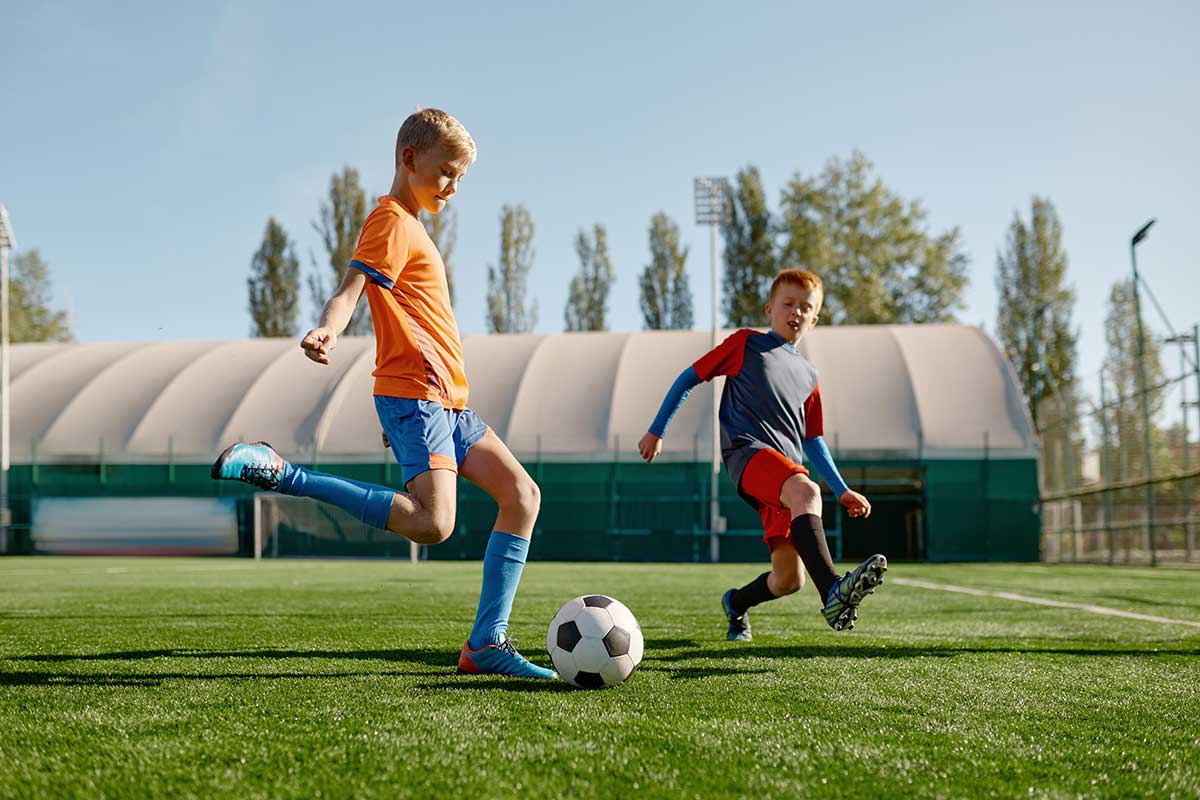
What can cause a concussion? Common causes of concussions include falls, motor vehicle collisions, and sports such as football, soccer, hockey, and basketball.
What are the signs and symptoms of concussions? Signs of a concussion (what you see) include the following:
- Looking dazed;
- Acting confused;
- Repeating things;
- Talking more slowly.
Symptoms (what the person feels) include the following:
- Physical (headaches, dizziness);
- Cognitive (trouble concentrating, remembering);
- Emotional (more irritable or emotionally reactive);
- Feeling fatigued.
If you notice any of these signs and symptoms after a blow to the head, the child should see a doctor right away.
If the doctor diagnoses a concussion, the child needs to take it easy so the symptoms don’t worsen. After a few days, the child should try to do some light activities like taking a walk, talking with friends, and returning to school with support. If the symptoms last for three to four weeks without improving, a concussion specialist can help.
Getting better takes time. Kids should slowly start doing regular things, such as going to school and playing with friends. Before they can play sports again, a doctor needs to say it’s OK. Rushing can make things worse, so it’s important to be patient.
Kids should wear helmets when biking or skating to prevent a more serious injury. Coaches and parents also can help make sports safe.
More Information
If you want to know more about concussions, visit the SCORE Program at Children’s National Hospital. You can also check out concussion resources from the Centers for Disease Control and Prevention’s HEADS UP and through the OnTRACK videos.
Teens between 11 and 18 years old with a concussion less than a month ago can help us learn more by joining the Children’s National study. Email [email protected] to find out more.
Feature image Nomad_Soul/stock.adobe.com
For more stories like this, subscribe to Northern Virginia Magazine’s Health newsletter.