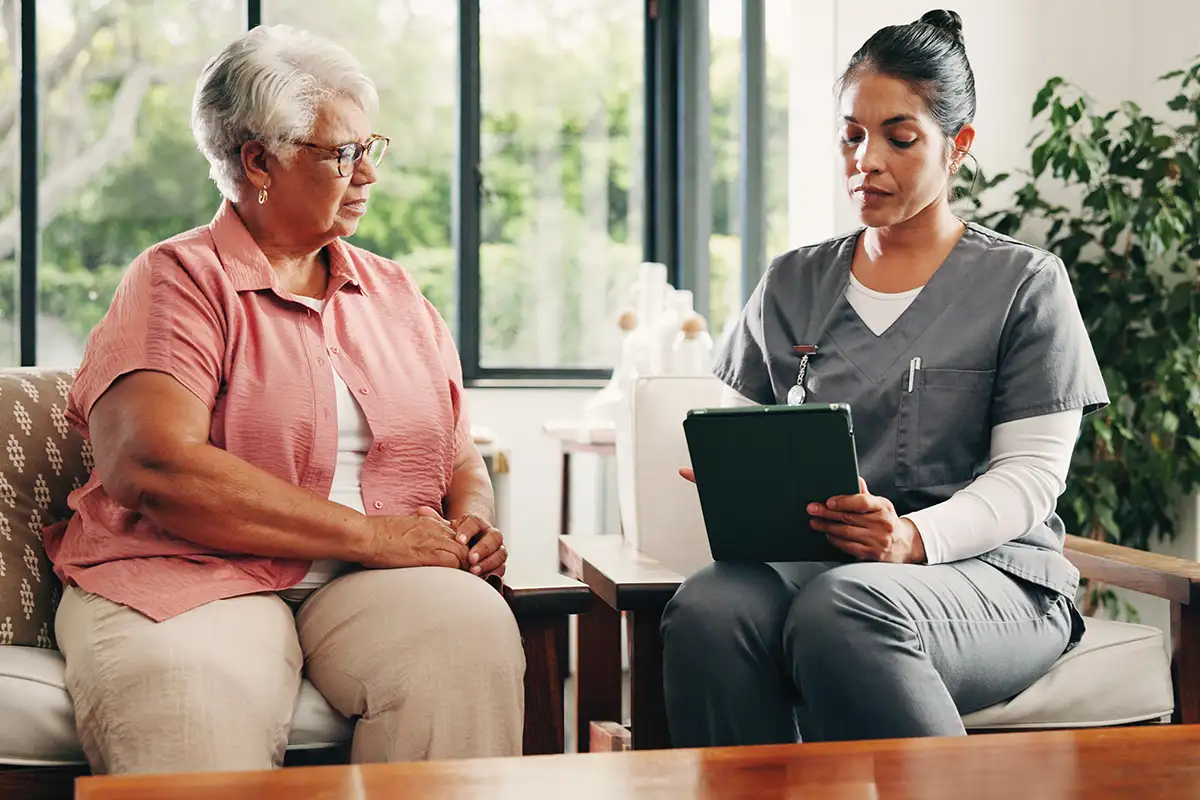
One day, everything in life is normal — but then suddenly it’s not. That’s how a breast cancer diagnosis often presents itself, and the person receiving the news may feel disoriented, overwhelmed, and alone.
Fortunately, Northern Virginia is home to some of the best medical care in the nation, and it offers a robust support network ready to help guide breast cancer patients through their physical, emotional, and practical challenges.
Teamwork
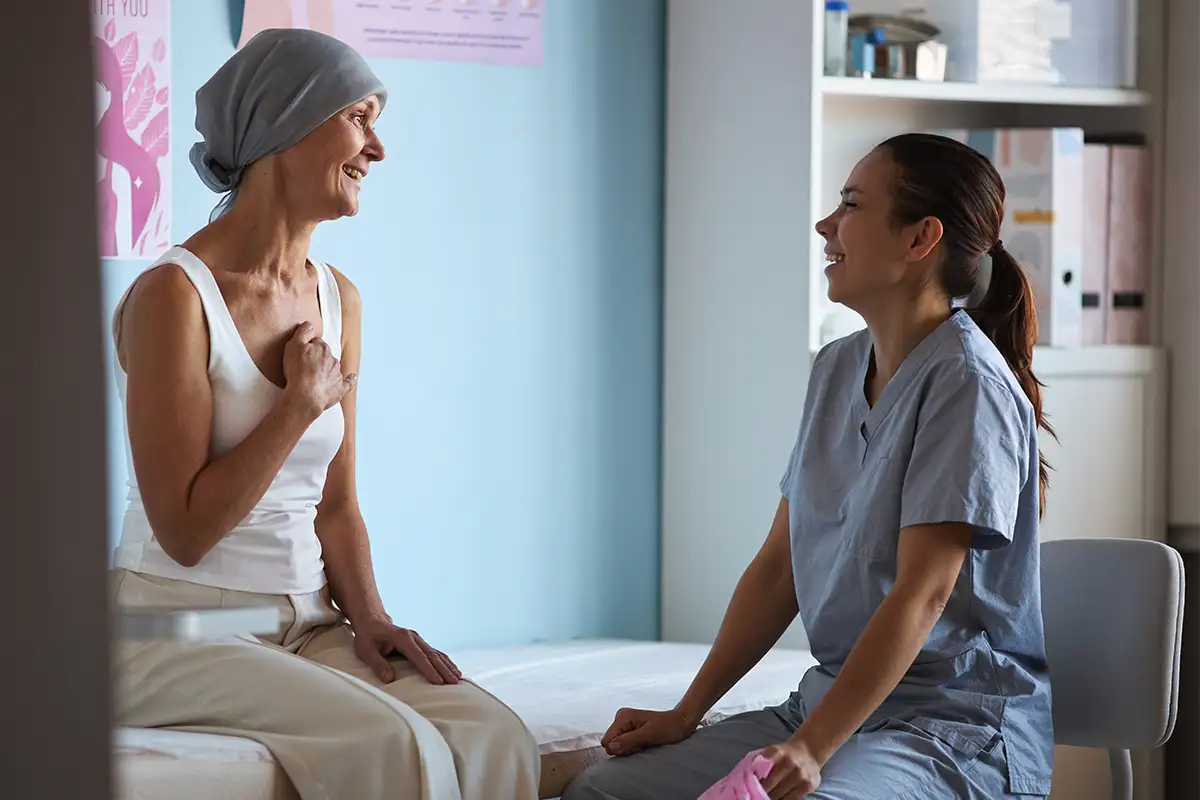
“Oftentimes, receiving a breast cancer diagnosis almost feels like you’ve entered a different country and are learning a new language,” says Jennifer Bires, executive director of Inova Schar Cancer, including the Peterson Life with Cancer program. “We know that diagnosis can be scary, and it comes with much uncertainty. It’s comforting to have a positive team of people by your side working with the physicians and medical providers to make sure you receive whole-person care and maintain as high a quality of life as possible.”
Inova’s Peterson Life with Cancer provides free education and psychosocial support to those impacted by cancer. Breast cancer patients have access to experts who can help them understand and manage a diagnosis, wellness classes and support groups, nutritional consultations, exercise and meditation instruction, and therapeutic counseling. Inova also connects patients with social workers who can find help for practical concerns like transportation to appointments, child care, financially meeting gaps in insurance coverage, or understanding employee rights.
Inova Schar Cancer Institute offers a specialized program for breast cancer care, with multiple locations throughout Northern Virginia. “At Life with Cancer, we treat patients who receive cancer treatment at Inova, but also anyone in Northern Virginia,” Bires says. “You do not have to be an Inova patient to receive support through Life with Cancer. Just about everything we do is free of cost, regardless of where a patient is being treated.”
Nurse Navigators
The time and effort required to treat breast cancer is daunting, especially for those juggling career and family obligations. Urgency often requires the quick assembly of a team of physicians, medical specialists, and treatment facilities that are unfamiliar to the patient. That’s where a confident nurse navigator can guide the patient through a sometimes-complex medical journey.
“A nurse navigator is the one who helps you navigate the whole course,” says Dr. Jessica Heintz, a supportive cancer care physician at Virginia Cancer Specialists (VCS).
“Often, in our practice, the nurse navigator is the one doing your chemotherapy teaching, helping arrange your mediport placement, and making sure you’ve got a treatment calendar,” Heintz says. “It’s a lot to keep track of, even for physicians. So, the nurse navigator becomes the point of contact, the person who can answer questions, especially regarding what to expect and whether specific side effects are normal or concerning.”
Heintz says VCS often connects patients with social workers. These professional can connect patients with organizations like the American Cancer Society and other area resources. “The financial toxicity of cancer is real, not just in terms of the cost of medications and treatment, but the impact it has on your job and whether you can work. Social workers can connect you with resources to help with that.”
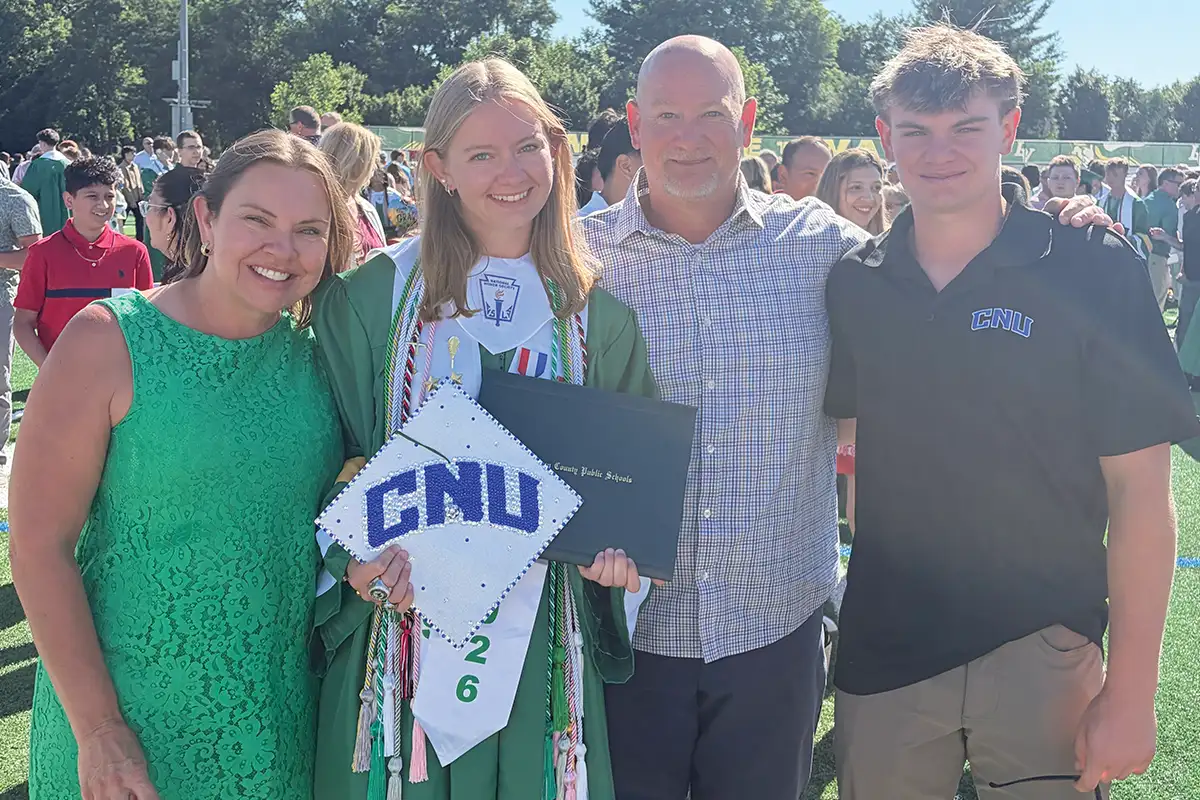
Patient Shannon Cunningham
Shannon Cunningham, a teacher in Loudoun County, was 38 when she was diagnosed with breast cancer in 2012. “I had two young children,” says Cunningham, who advocated for a mammogram after discovering a lump through a self-exam. Women generally begin having mammograms at age 40.
Images and tests revealed a tiny area of cancer in one breast, and Cunningham aggressively opted for a double mastectomy. Four years later, several of her lymph nodes tested positive for breast cancer. “That’s when I found out I had to do chemotherapy and radiation.”
Dr. Stephanie Akbari, a VCS surgeon, connected Cunningham with a nurse navigator. “My husband, Kelly, and I met with the nurse immediately and were really impressed. She mapped everything out and made all the appointments, from getting my port to my first chemo treatment, so we did not have to worry about making those calls while I was going through treatment. Anytime I had a question or problem, she would put me in contact with whoever I need to talk with.”
Although she had a strong support network at home, Cunningham received additional assistance from medical providers and local nonprofits. “I got advice about how to talk to my kids about losing my hair. We actually made it a family thing and cut my hair together, assuring them it would grow back.” Although she ended up preferring to wear scarves, Cunningham did receive a wig through the American Cancer Society, and she appreciated help from Cleaning for a Reason, an organization that provides free home cleaning services for cancer patients.
Through Inova’s Life with Cancer, Cunningham took fitness and nutrition classes and joined a support group to calm her anxiety. She found her greatest peace through the Ashburn-based IIIB’s Foundation, an organization that provides gift baskets filled with comfort items after surgery or treatments.
“The nurses handed me this wonderful basket as I was leaving the hospital, and it had a little card inside with IIIB’s contact information. I wrote to ask how I could pay it forward, and I’ve been volunteering with them since 2012,” she says One of Cunningham’s favorite activities is IIIB’s Pink Tie Charity Ball. “I made so many great friends through IIIB’s. It really helped me keep a positive attitude, because I could either choose to be sad and complain or instead look for some kind of silver lining.”
Pain and Symptom Management
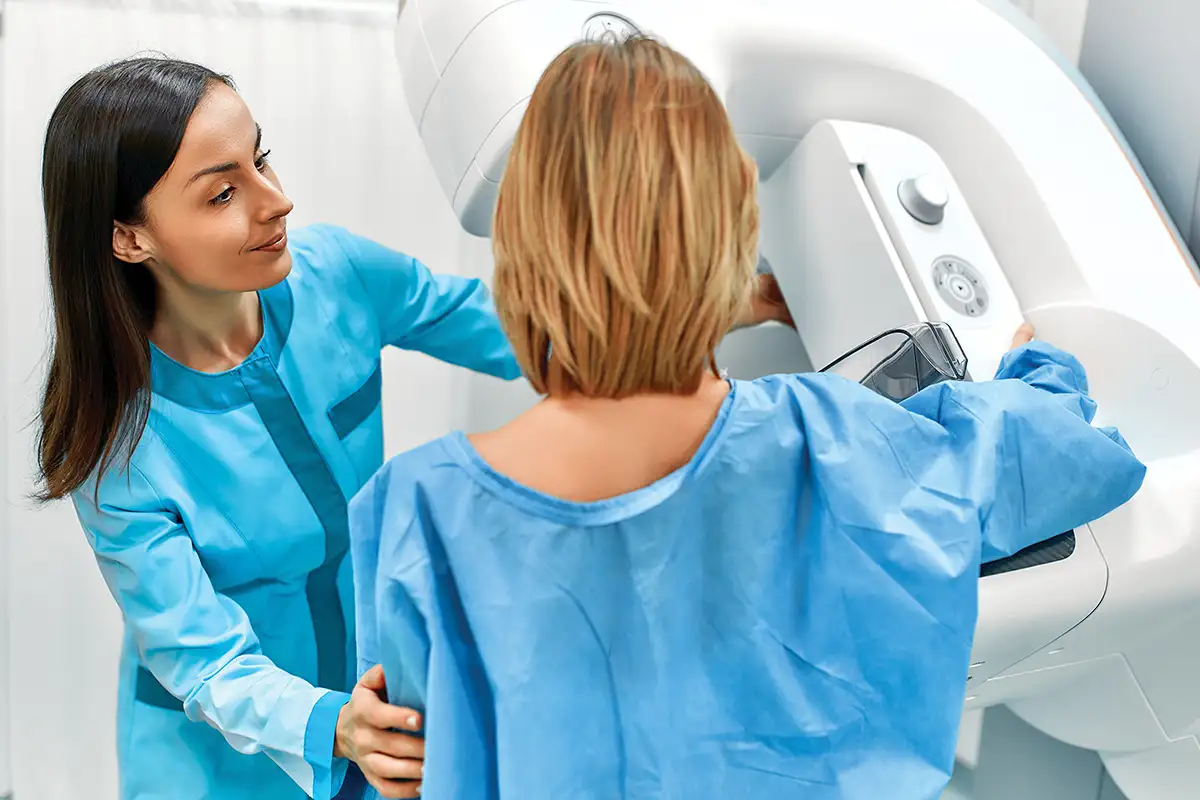
Pain and side effects are an unfortunate component of breast cancer treatment, but relief can be just a phone call away.
“As a supportive care physician, I focus purely on symptoms and have a greater depth of knowledge in managing sophisticated symptoms, sometimes with medications that are a little different, like medical marijuana or acupuncture,” says Heintz. “I can help a patient raise their quality of life so they have the best possible experience and are able to stay on and complete their treatment.”
Keeping records is also important. “Patients should self-advocate and keep a booklet of all of their doctors’ names and contact information, as well as a list of their procedures, tests, and medications,” says Heintz. “Don’t be afraid to ask questions, no matter how intimate or scary. And while seeing all these cancer specialists, don’t forget to maintain a relationship with your primary care doctor throughout treatment.”
Michelle Rosen is a nurse practitioner at VCS’ Comprehensive Breast Center in Fairfax. “As a nurse practitioner, my role is to see my patients biweekly or monthly to guide them through their treatment and side effects. I can help patients mitigate those side effects and answer questions about their fears.”
Rosen notes that many patients leave doctor appointments feeling overwhelmed and have questions later. “I’m here to go over those questions, discuss what’s coming next in the treatment, and explain what the side effects might be. Even when treatment is done, cancer survivorship is lifelong. There’s a new normal, and the patient needs to find a way to deal with any lingering side effects.”
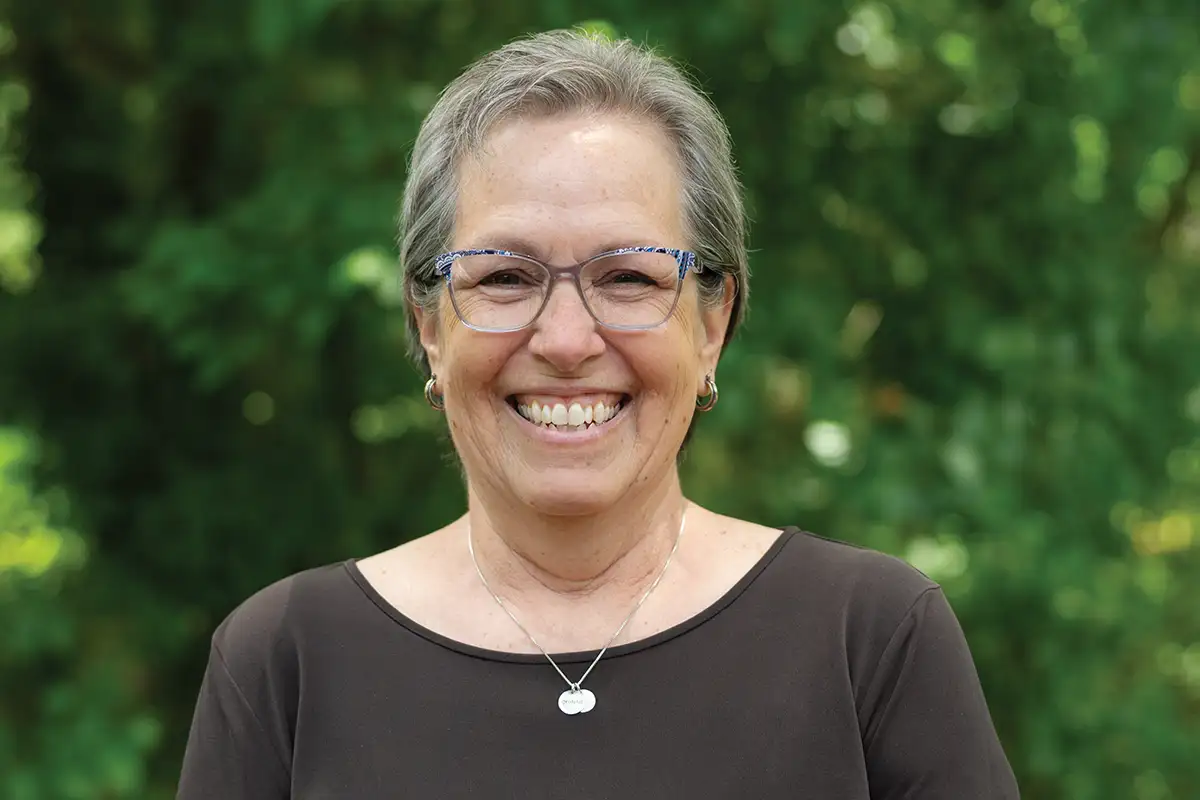
Patient Melissa Hochberg
Battling breast cancer has been challenging for Fairfax resident Melissa Hochberg, but local support networks have made the journey easier.
Hochberg received her diagnoses in October 2023. “I went for my usual mammogram and assumed everything was fine, but they found some calcifications and called me back for a biopsy.” She met with VCS surgeon Hernan Vargas that December for a breast lumpectomy. Through a sonogram, Vargas found a tumor the mammogram had missed and noticed that her lymph nodes were very enlarged. The cancer had spread, and Hochberg had 16 lymph nodes removed.
“I went to lymphatic physical therapy for a year, pretty much religiously. I do everything I can to avoid lymphedema,” she says. (Lymphedema is abnormal swelling that occurs when lymph fluid is unable to quickly clear.) “I now regularly go for lymphatic massage at Inova’s Life with Cancer, which is amazing.”
Hochberg also suffered from cording, a side effect of lymph node removal that produces thick, ropelike structures under the skin. “Very painful, but my doctor arranged for physical therapy to fix that,” Hochberg says.
Chemotherapy was another challenge. “It was hell,” says Hochberg. “I had no idea it would be so hard. I lost my hair, but that was the easy part. I rocked being bald. But I couldn’t drive sometimes because I had such joint inflammation, and I was nauseous.”
Then came 30 days of radiation treatments. Hochberg drove herself every day, but her husband died seven days before her final session.
“I went for radiation the morning after Steve died, and my tech noticed I was crying.” When she told him what had happened, he hugged her and asked whether she wanted to skip treatment that day. “But I told him no, that I had to go forward. I was still alive, so I had to do this. He was so caring and supportive.”
Hochberg continues to receive cancer care while working as an educator at Ease, an organization she co-founded that serves teens and adults with intellectual and developmental disabilities.
This story originally ran in our October issue. For more stories like this, subscribe to Northern Virginia Magazine.