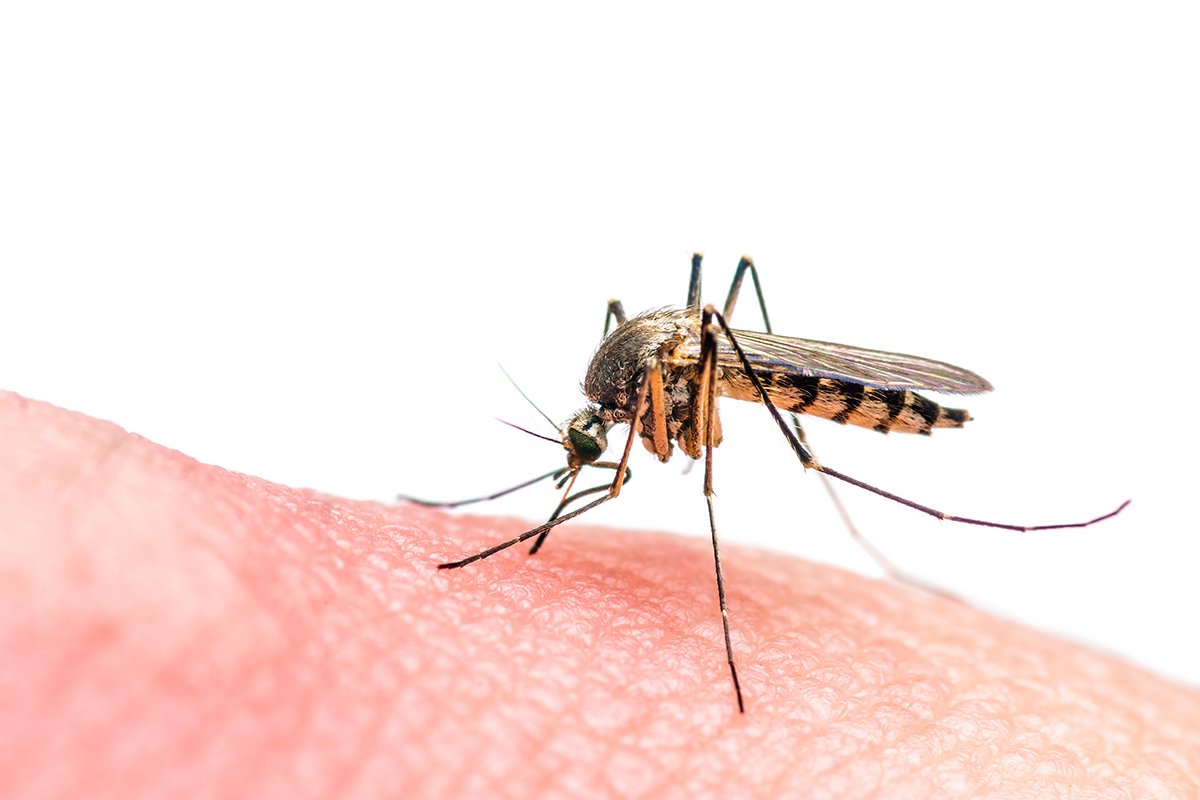
Cases of Zika—a virus primarily spread by mosquitos that’s known to cause microcephaly and Guillain-Barre syndrome—first began garnering attention in 2013 when an outbreak occurred in the Pacific Islands. By the spring of 2015, Zika crossed into Brazil, and that summer, health organizations confirmed a connection between Zika and Guillain-Barre syndrome, a potentially life-threatening neurological condition in which the immune system attacks peripheral nerves. In the fall of 2015, Zika cases in Brazil saw an increased number of microcephaly, a condition where newborns are born with abnormally small heads that could lead to lifelong physical and mental challenges.
The number of countries reporting Zika infections grew, including cases in South and North America. This prompted the World Health Organization to officially categorize the Zika virus and its associated health conditions as a public health emergency of international concern. A PHEIC is usually issued after an “extraordinary event” has the potential to spread to unaffected regions and warrants international attention and action.
Since the WHO’s announcement, travelers, especially those considering becoming pregnant, have had to carefully consider their destinations. With summer fast approaching, we revisited the status of Zika to determine whether Northern Virginians traveling should still be concerned about its threat.
The answer: yes and no.
Officially, the WHO director-general declared the end of the PHEIC in November 2016. However, WHO noted that Zika should still be considered “a significant enduring public health challenge.”
That’s why the WHO has created a “What You Need to Know” list, which states that:
1. Zika is primarily contracted through infected mosquitoes, but it can also be spread through sex.
2. Protect yourself from mosquito bites with an EPA-registered insect repellent.
3. Contracting Zika during pregnancy can result in a range of birth defects, with microcephaly being most prevalent.
4. Pregnant women should avoid traveling to areas with Zika. Zika can be found in a person’s blood, urine, sperm or vaginal fluids during at least the first week of infection. Research is underway in an effort to determine Zika’s longevity in sex fluids.
When it comes to making travel plans, it’s worth considering notices that have been issued for regions with reported cases of Zika in Africa, Asia, the Caribbean, Central America, the Pacific Islands and South America. The Centers for Disease Control and Prevention created an interactive map of areas that have low to high elevated risk of Zika, no known cases of Zika, reported cases Zika, Active Transmission Red areas, Cautionary (Previously Red) areas and Cautionary Yellow areas. Right now, most affected areas are reporting a low elevation of risk.