Do you know what to do if you’re bitten by a snake? Physicians from Sentara Northern Virginia Medical Center have issued a warning that snake bites are becoming common earlier in the season this year.
The early surge has to do with “warmer temperatures and changing climate patterns,” according to Sentara.
“Usually people are bitten while gardening, hiking, doing yard work, or completing chores around the house,” said Dr. Debra Lee, SNVMC chief medical officer. “The majority of snake bites are actually non-venomous, but there are several venomous snakes in our region that can cause serious medical complications.”
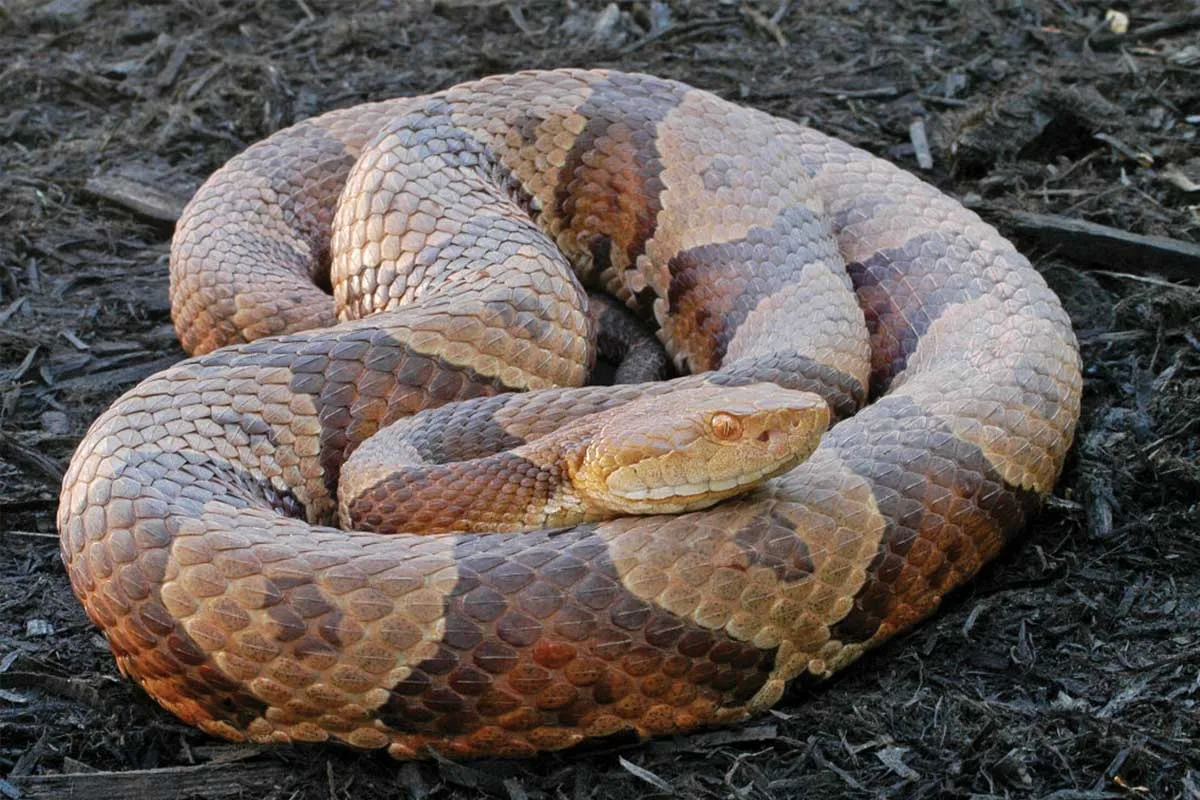
Copperheads, a venomous species of snake native to Virginia, are among those that have become more active early in the season, WTOP reported.
What To Do If You’re Bitten
If you’re bitten by a snake, Sentara suggests first moving away from the animal to avoid being bitten again. Take a photo of the snake (if you can do so safely) to show medical professionals. Do not attempt to bring a snake with you to the emergency room, living or dead.
After the bite, keep the area as still as possible to avoid the spread of venom. Gently wash the area and call 911 or go to the nearest emergency room or urgent care.
Don’t pay attention to the myths around snake bite treatment. “Applying a tourniquet, cutting the wound, attempting to suck out venom, or placing ice on the bite are not recommended and have not been shown to help,” Sentara said.
Symptoms following a bite may include pain and swelling; numbness, tingling, muscle weakness, or paralysis; and rash, shortness of breath, dizziness, or lightheadedness.
Not every snake bite will leave obvious fang marks. Sentara advises seeking medical attention even if you are unsure whether or not you have been bitten. Emergency physicians or poison control experts can help determine if treatment is needed.
Feature image of copperhead snake courtesy Virginia Herpetological Society/John White