
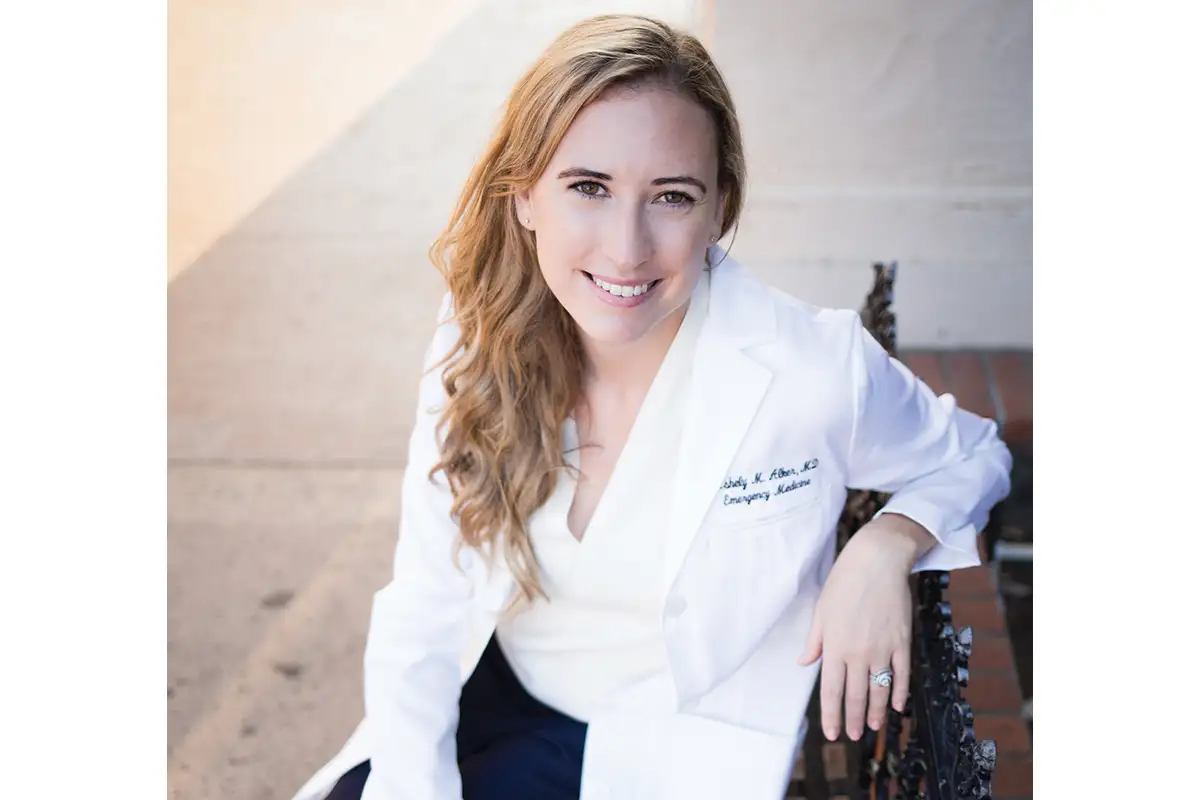
Have you ever watched a TV medical drama and wondered how much of what you see is accurate? Ashely Alker, an emergency medicine doctor based in Fredericksburg, has spent her career working to make the content you see on screen more realistic.
During her residency in California, Alker began working as a medical consultant for television shows. The work was sporadic and often pro bono. She was sometimes just reading a script or answering a single question — but it was important nonetheless, she says.
“There actually have been studies that have shown this, that there is some passive learning that goes on there,” she says. “If you see accurate CPR on television, you’re actually more likely to do it accurately. … So why not create passive education in the world all around us?”
Still, many shows present dramatized narratives riddled with inaccuracies. A 2020 study of eight shows found an average of 6.4 medical errors per hour of TV viewing.
Alker has consulted on shows including The Act, Station 19, The Resident, and Chicago Med. With medical shows, she says, “There are some things that everybody always gets wrong.” One pervasive example, she says, is that it’s not actually dangerous to go to sleep if you have a concussion.
“Those types of things just get perpetuated over and over again until they become our truths. And they’re not scientific, they’re stories,” she says. “If you get the wrong story on television and it’s captivating enough, and it keeps getting retold, people think that it’s accurate health information.”
Alker’s work in public health education goes beyond television. Inspired by a surge of “life-altering medical misinformation” on social media during the COVID-19 pandemic, she launched Meaningful Media, a nonprofit that connects screenwriters, authors, social media personalities, and journalists with public health experts that help make messaging more accurate.
Be skeptical of the messaging you see online and on TV, she cautions. “Try very, very hard never to get your health information online,” she says. “If you have a primary care doctor, that is the person you should go to for health information.”
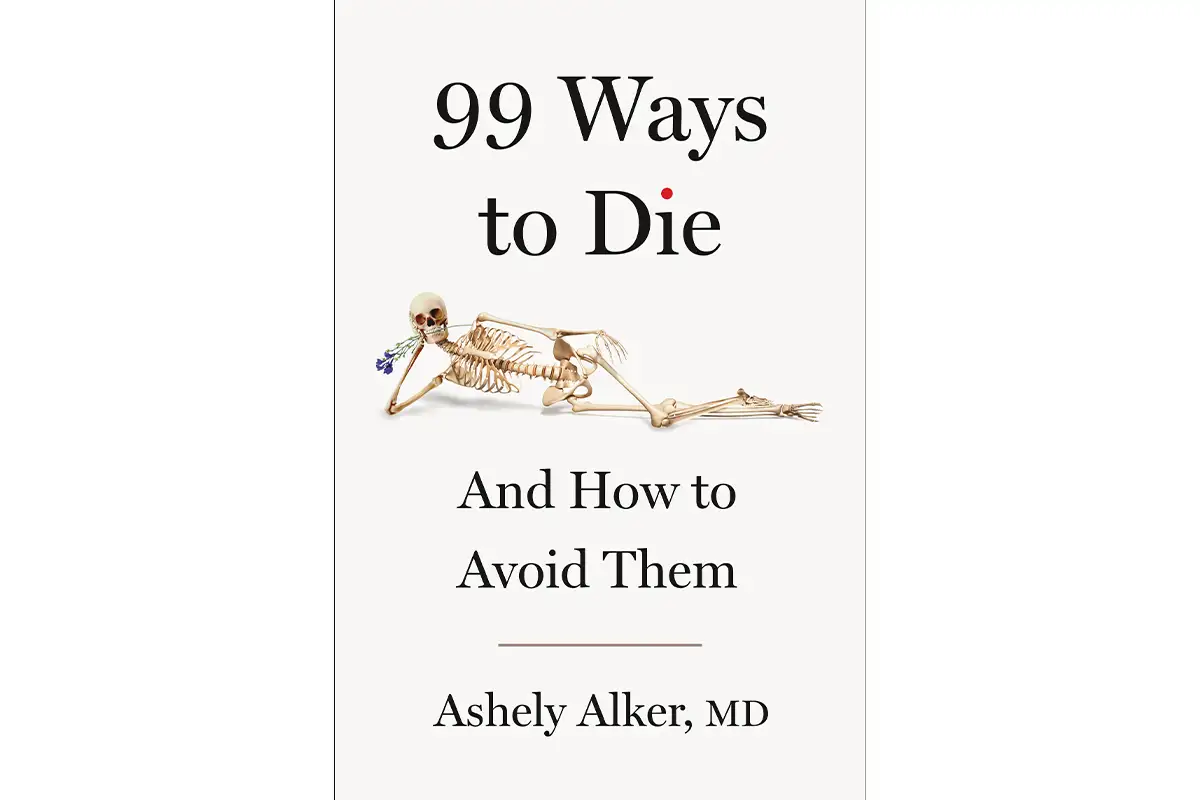
99 Ways to Die
Alker is the author of a new book, 99 Ways to Die And How to Avoid Them, came out January 13. Using stories from her time in emergency medicine, the book breaks down deadly situations and medical conditions that readers may not fully understand, such as leprosy, heart attacks, carbon monoxide poisoning, and anthrax exposure.
“You can come out of this book learning something that can save lives and probably not even realize it, because that’s what stories do,” she says.
You can join Alker for a talk and book signing at Politics and Prose at the Wharf on January 21 at 7 p.m.
Feature image of Ashely Alker courtesy Laurie Ashley Photography
This story originally ran in our January issue. For more stories like this, subscribe to Northern Virginia Magazine.