Invasive spotted lanternflies are still making headlines, but experts say a new invasive species is threatening the greater Northern Virginia area. Last year, the Virginia Department of Agriculture and Consumer Services (VDACS) reported that the box tree moth has been discovered in Loudoun County.
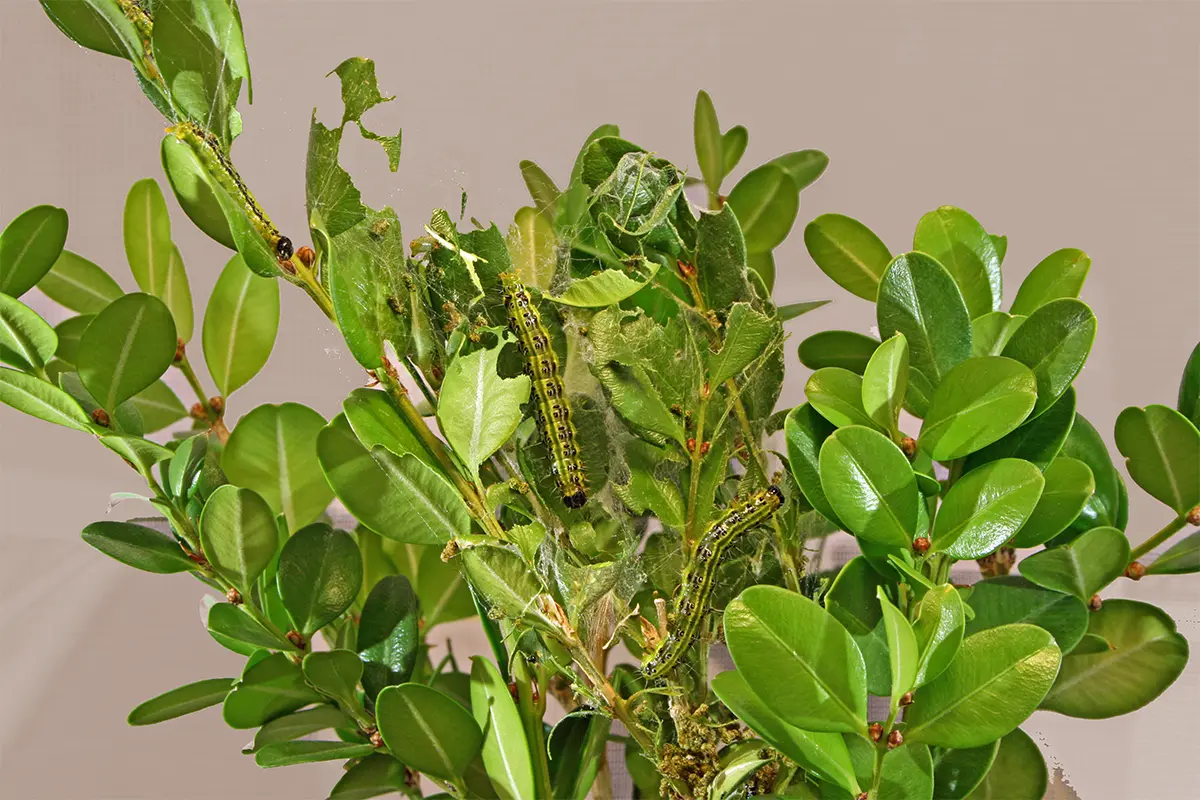
VDACS warned the moths can significantly damage and potentially kill boxwood plants if left unchecked. The agency says the caterpillars are ravenous feeders. And heavy infestations can completely defoliate plants.
Maryland Quarantine Orders
Officials in Maryland have been sounding the alarm about the pest’s rapid spread in the state this year. In March, Maryland’s Department of Agriculture (MDA) ordered tree moth quarantines in Allegany, Frederick, Garrett, and Washington counties. This week, quarantines were expanded into Caroline, Cecil, Kent, and Queen Anne’s counties.
The quarantines require businesses that grow and ship boxwoods to have a certificate of inspection and complete a state compliance agreement to move plants in or out of the areas.
“Nursery owners and residents within the quarantine zone are encouraged to monitor their boxwoods and implement safeguards to limit pest risk. Early detection is key to preventing significant damage and loss, as well as the spread of the box tree moth,” MDA says.
Box Tree Moth History
The box tree moth is native to East Asia. It has become a pest in Europe where boxwood is native. In 2021, the U.S. Department of Agriculture detected the moths in New York. Infestations have also been confirmed in Delaware, Massachusetts, Michigan, New Jersey, Ohio, Pennsylvania, and West Virginia.
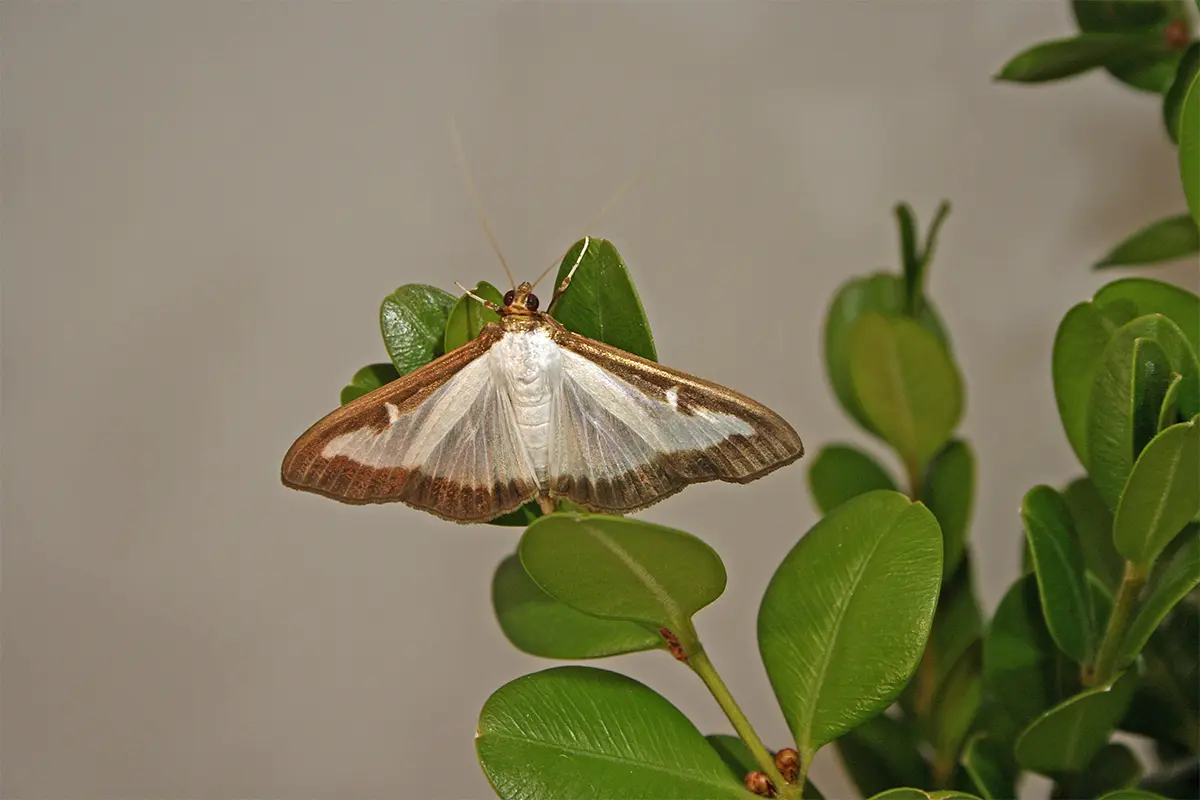
Caterpillars are lime green with thin black stripes and can grow up to 1.5 inches. Adult box tree moths have white wings with a brown border. They are generally active at night, MDA says.
Early Detection and Reporting
Both VDACS and MDA stress that early detection and rapid response are vital for the management of any newly introduced invasive pest. The Virginia Agriculture Department is offering to provide treatment for boxwood plants if the moths are confirmed to be present. Property owners should report any suspected damage to boxwood plants on their property by using VDACS’ Invasive Species Reporting Tool.
For more information on the box tree moth, you can visit the USDA website or contact the VDACS Office of Plant Industry Services at 804-786-3515. This fact sheet can also help identify the life stages of the moth and the potential damage it does to plants.
Feature image courtesy Hannah Nadel/USDA