It’s only been a week since we checked in with lawyer Alan Lescht, of Alan Lescht and Associates, on what federal workers can do to protect themselves against a slew of executive orders from the Trump administration, but a lot has happened since then.
“Each day seems like a year right now,” Lescht says.
Deferred Resignation Offer
The latest bombshell was the January 28 “buyout” offered to 2.3 million federal workers. The administration offered workers the chance to take a “deferred resignation” with eight months of paid administrative leave.
Lescht says the offer appears unlawful. He says that if it’s struck down in court, people who take the offer may be told that they can’t revoke their resignations. And they may have to give back the money they were paid. “I’ve defended these cases over the years. When the government pays money above and beyond what was authorized, it brings a clawback action,” he says.
On top of the questions of legality, Lescht says there’s no real indication of where the money is coming from. He says the average federal salary is $80,000 to $100,000 a year. So, if 25 percent of the federal workforce were to take the offer, “You’re talking about probably close to $100 billion.” There’s no designation in the offer, or in subsequent public statements, as to what funding source would be tapped for that.
Lescht says even a conservative government will need to replace most of the workers who are separated. “So, for taxpayers like you and me, you’ll be paying people to stay home. And then you’ll be paying somebody else to do their job.”
Lescht says a severance agreement — in the public or private sector — has what’s known as a severability clause. That means that if any part of the agreement is found to be unlawful, the rest of the agreement is still in effect. There are also instructions as to which court has jurisdiction over any disputes. The so-called buyout agreement has none of these provisions, Lescht says. “This is not a contract.”
What Workers Can Do
Most federal workers, Lescht says, should call a lawyer “as soon as they receive a written notice that there’s something adverse.” He adds that having a lawyer on retainer, ready to answer your call whenever something happens, isn’t typically cost prohibitive. He also emphasizes that anything you discuss with a lawyer will be kept confidential.
And prepare yourself: Lescht previously stressed the importance of putting your day-to-day duties in writing. He also strongly advises federal workers to download their official personnel file — it’s online and available 24/7 — and “a lot of federal employees don’t even know this, which is kind of shocking to me.”
Lescht adds that every federal worker should keep up-to-date with the news. Being informed is your best defense. “Every day seems to bring something different. And so I just think you should pay attention. I know people in their 30s and 40s that don’t watch the news and don’t read the newspapers. … I always think people should be aware.”
So far, Lescht hasn’t filed any new litigation against the government. But he’s consulting with a few federal workers who have been put on administrative leave, and suspects that he and other lawyers will be filing actions soon.
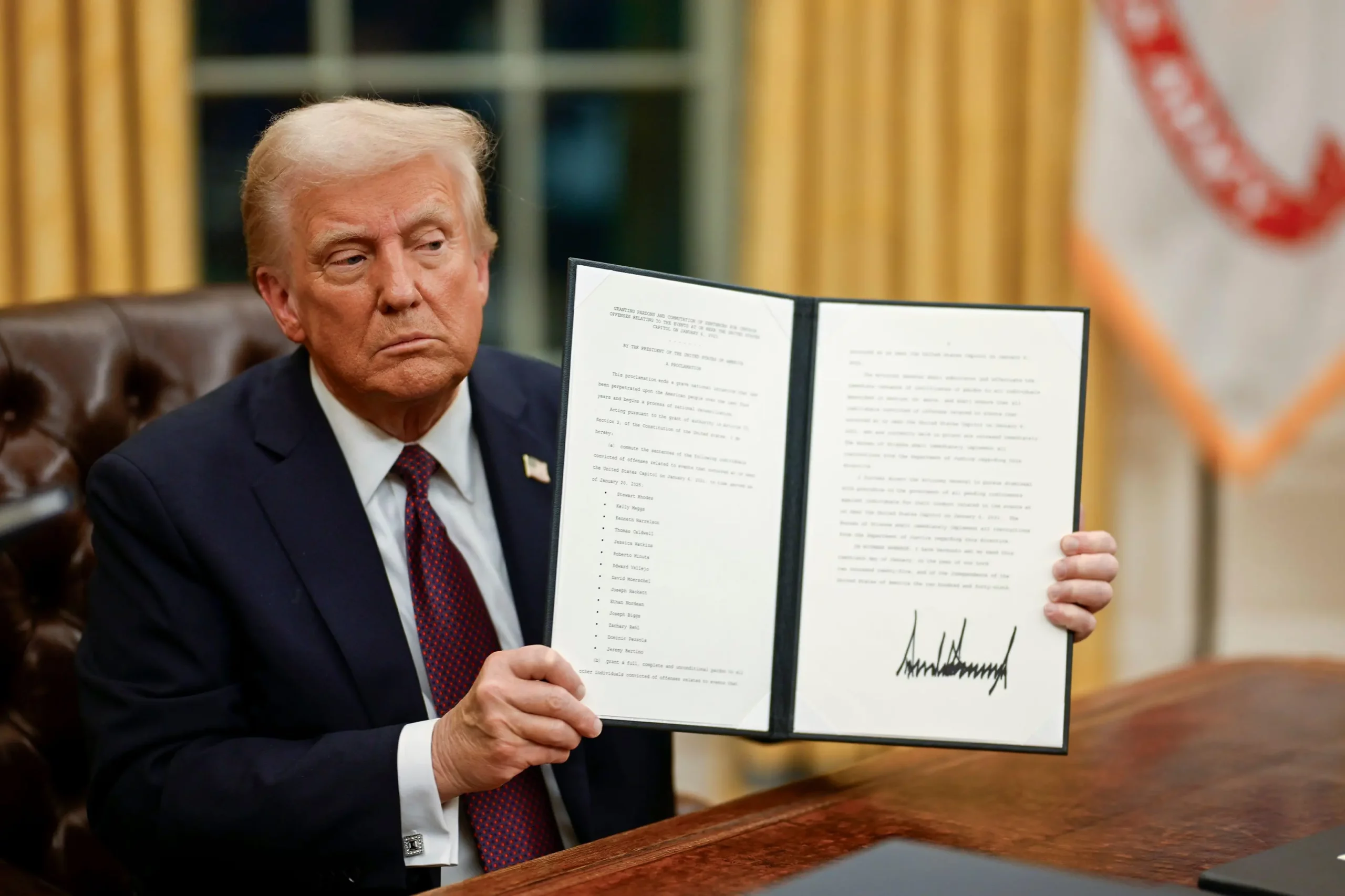
Feature image courtesy White House Photo/Alamy Stock Photo