For those who planned to drive along the Blue Ridge Parkway this fall to see the changing leaves, you will need to make other plans. The 469-mile parkway in Virginia and North Carolina remains closed indefinitely because of the damage caused by Tropical Storm Helene.
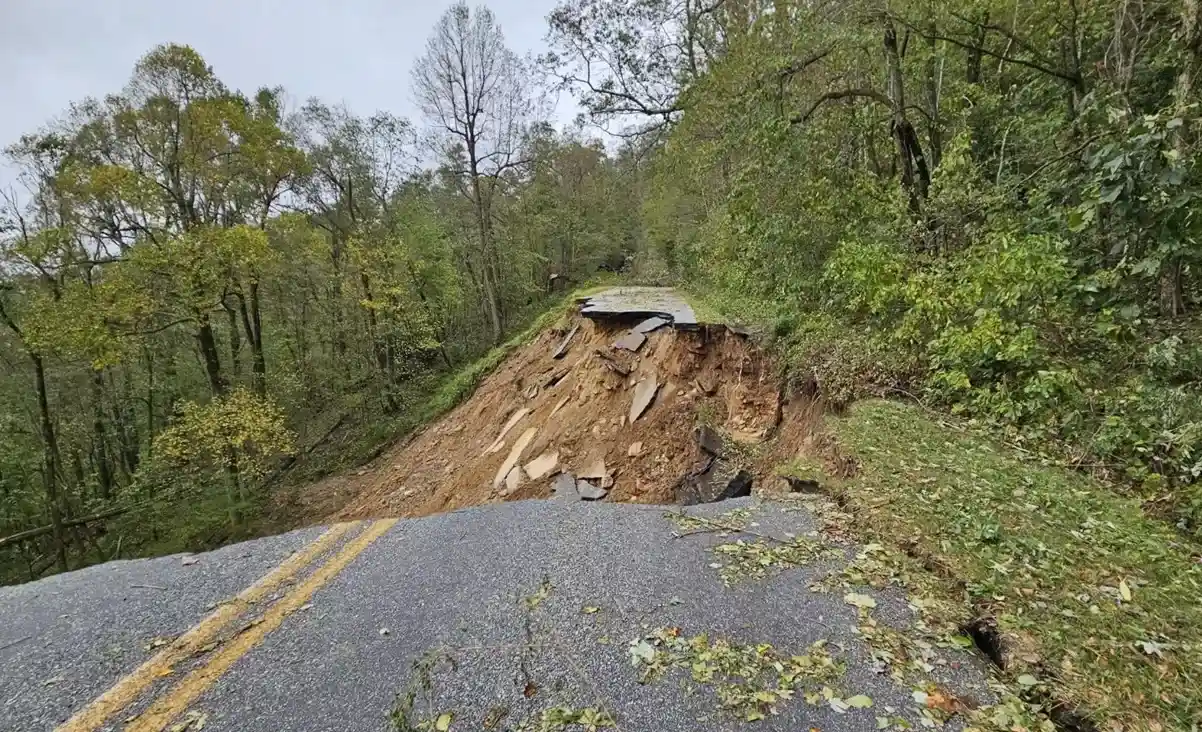
“Based on what the teams have seen so far, significant, and in some cases catastrophic, damage has occurred along the parkway, particularly from milepost 280 to milepost 469,” the National Park Service said late last week.
Some 250 National Park Service employees from 32 states and Washington, DC, have been working on the recovery efforts and assessing the damage.
In the coming weeks, the park service’s Eastern Incident Management Team “will utilize the data from their inspections to determine the full extent of the damage including the timeline and cost estimates for repairs,” the park service said.
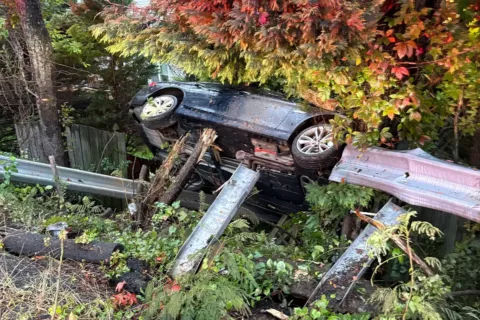
The damage includes collapsed portions of the Blue Ridge Parkway. Flooding after record rainfalls and ferocious winds washed away sections of the scenic road.
The National Park Service said that in Virginia most of the debris has been cleared, and that in the “coming days to weeks” there would be a phased reopening.
The North Carolina portion of the Blue Ridge Parkway saw substantially more damage. As a result, no reopening date has been set.
In hard-hit Asheville, North Carolina, the well-known Biltmore and the Dale Chihuly exhibit at the estate remain closed because of storm damage.
“Biltmore House and our conservatory, winery, gardens, and hotels received minimal or no damage from the storm. In forested areas, crews are clearing debris from roads and inspecting wind damage,” the Biltmore said on its website.
In Virginia, the initial damage to farms and agricultural operations in Southwest Virginia is expected to reach over $125 million, according to Virginia Cooperative Extension.
“The economic and human toll of this storm is immense,” said Mike Gutter, director of Virginia Cooperative Extension. “We are working in our communities and with our agricultural producers — who constitute the state’s most valuable private industry — to support their recovery in every way possible.”
The storm washed away livestock, crops, farm buildings, equipment, feed and hay, fences, and water cisterns.
Virginia Cooperative Extension said the cleanup could take months, with the overall impacts lasting longer.
Feature image of Blue Ridge Parkway at milepost 336 courtesy National Park Service
For more stories like this, subscribe to Northern Virginia Magazine’s News newsletter.