Houseplants are a great way to brighten up a space and bring a little piece of nature indoors. But if you’ve tried and failed to keep greenery alive in the past, you may be apprehensive about taking in a new plant.
Don’t let those fears stop you from living out your dreams of being a plant parent. Green thumbs come with practice and patience, says Lillian Cox, co-owner and co-founder of houseplant store Rewild in Ballston Quarter.
“You don’t need to be a botanist to have healthy, thriving plants,” Cox says. “Having plants should be fun, it should be calming, and it should be simple.”
The key is to choose a plant that works with your lifestyle and your living space. Here are some of the factors that Cox suggests thinking about before taking one home.
Lighting
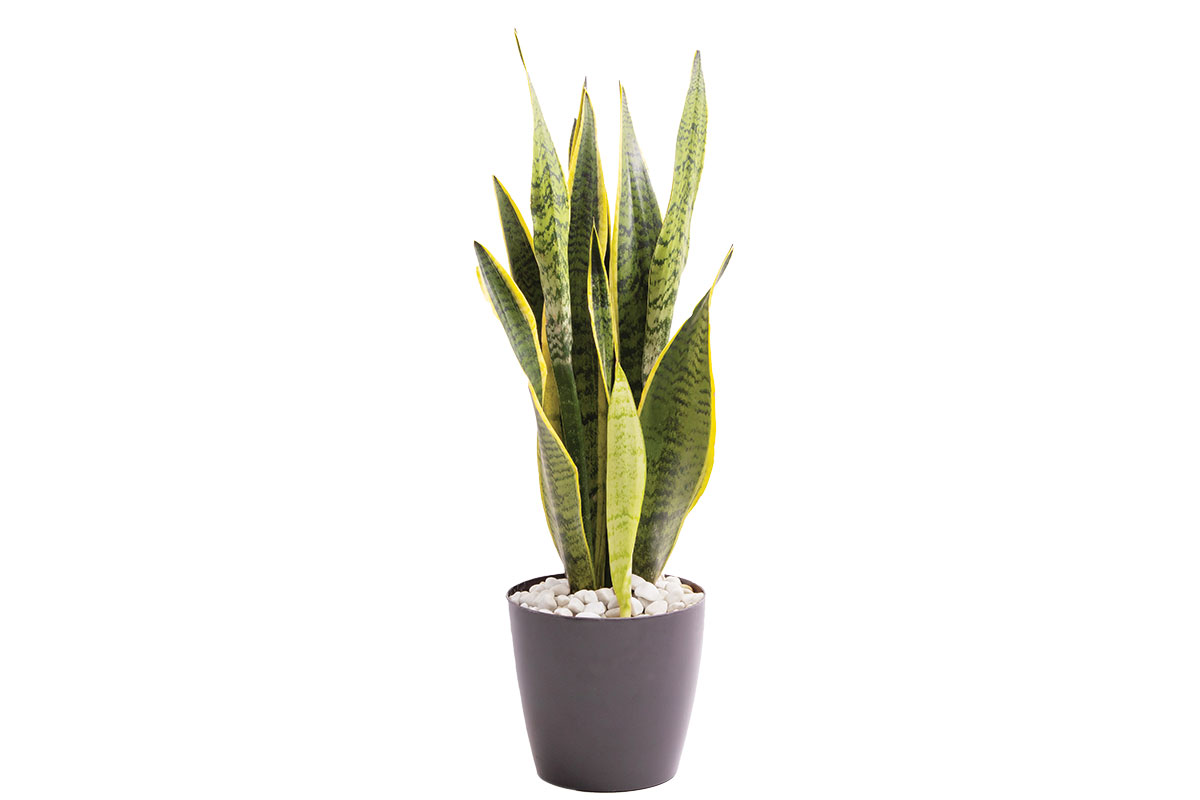
The light level the plant is exposed to is vital. If you live in an apartment or townhouse with limited light, it’s best to find a plant that’s OK with being in the dark sometimes. On the flip side, if you’re planning to leave your leafy friend on a sunny windowsill in direct daylight, find a plant that can tolerate lots of sun.
For low light: snake plant, spider plant
For high light: aloe, succulents, cacti
Pets in the Home
It’s important to remember that some common houseplants contain toxins that could potentially make a pet ill if ingested. People with pets should try to find a plant that’s nontoxic. It also helps to keep plants on high shelves or other hard-to-reach spots so pets can’t knock them down or chew the leaves.
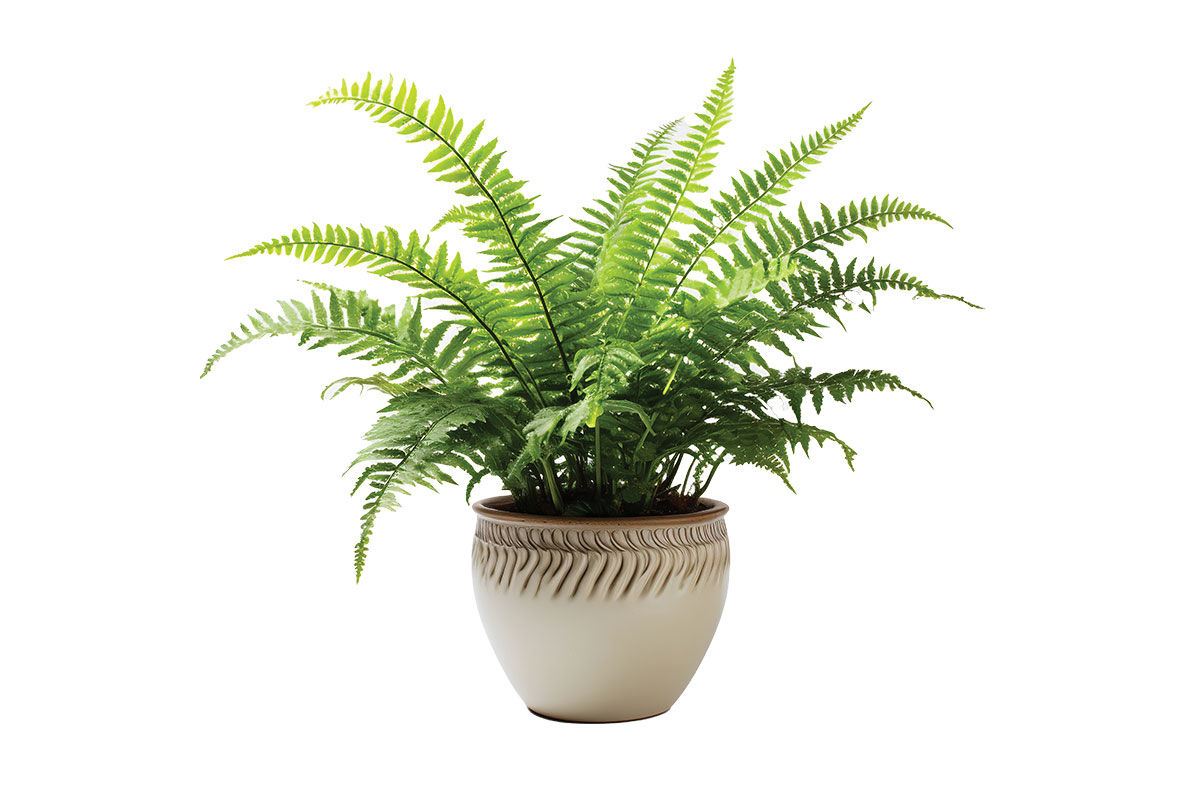
Pet-friendly: hoyas, cast iron plant, ferns
Not pet friendly: English ivy, philodendrons, pothos
Watering Schedule
Do you have a busy schedule? For those who don’t have the time or attention span to cater to a plant every day, find a drought-friendly plant. But if you want to be more hands-on, look for one that doesn’t mind being a little soggy. After all, Cox says that overwatering is one of the most common issues.
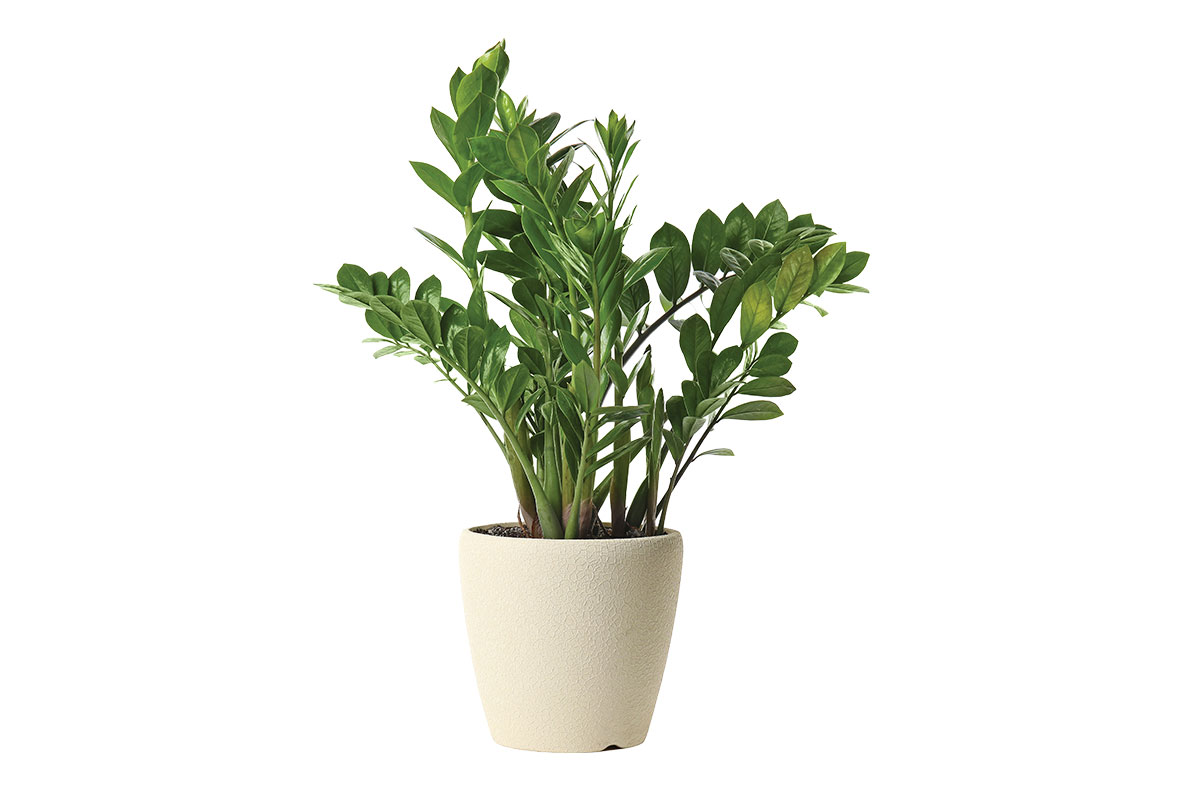
Drought-tolerant: ZZ plant, string of pearls
Water-friendly: aglaonema, Boston fern
Tips:
Water more, not more often. “We want to give them a good heavy drench versus just microdosing them with water frequently,” Cox says.
Make sure you have a pot with proper drainage and good soil — this will let the soil fully dry out, preventing disease and pests.
Changing light and moisture will mean your plant’s needs change. Instead of rigidly sticking to a schedule, pay close attention to when the soil is dry and whether leaves are yellow or drooping. These changes clue you in on when your plant needs attention.
Feature image, stock.adobe.com
This story originally ran in our January issue. For more stories like this, subscribe to Northern Virginia Magazine.