From K-pop to barbecue, Korean culture continues to surge in popularity. And now makgeolli, a centuries-old Korean rice wine, is being brewed in Maryland.
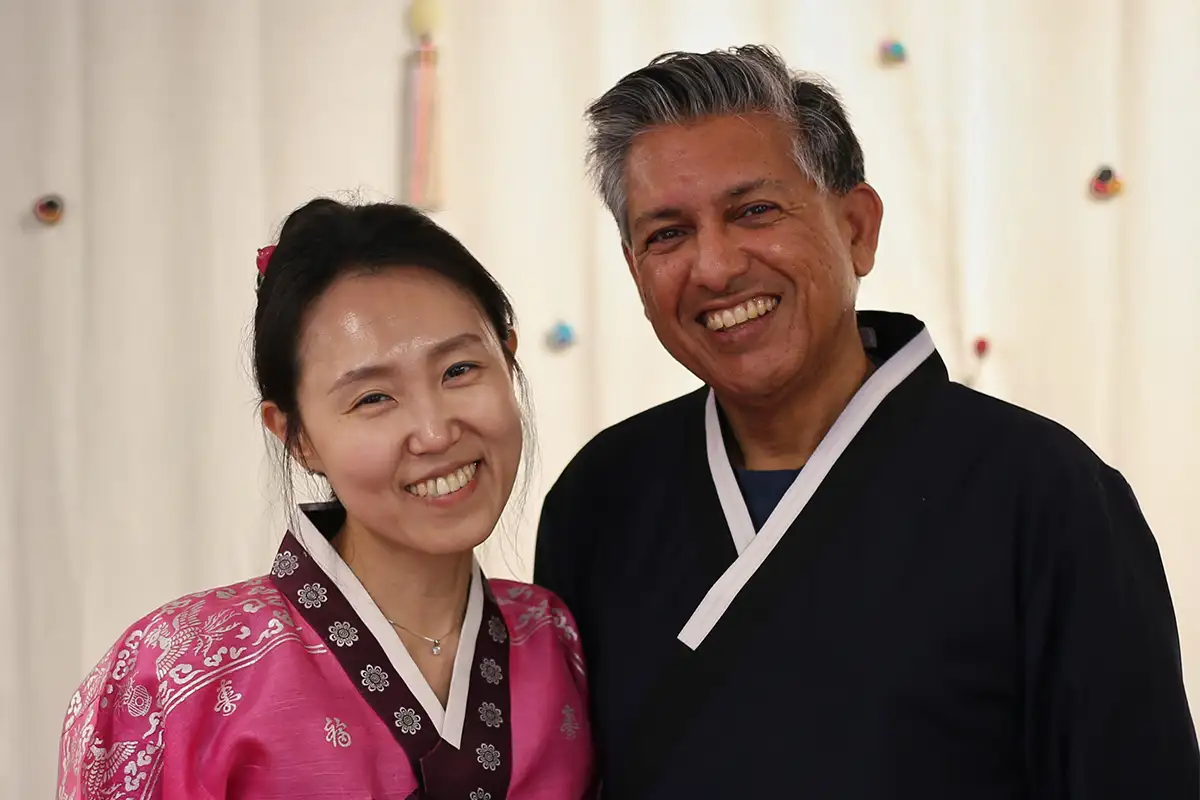
Founders Rajiv Aggarwal and Jung-Sun Cho, a husband-and-wife team, opened JS Brewery in Columbia in August 2025. Aggarwal says both Korean and non-Korean customers have visited, curious about the drink and its cultural history.
The fermented rice drink (pronounced mah-kuh-lee, which rhymes with broccoli) was originally brewed by Korean farmers and villagers.
“Most people have never heard of it,” Aggarwal says. “They come in, taste it, and then they start asking questions about how it’s made and where it comes from.”
A Simple Recipe
JS Brewery says it is one of only five licensed makgeolli breweries in the United States. There’s a small but growing movement of producers working to bring the traditional beverage beyond Korea.
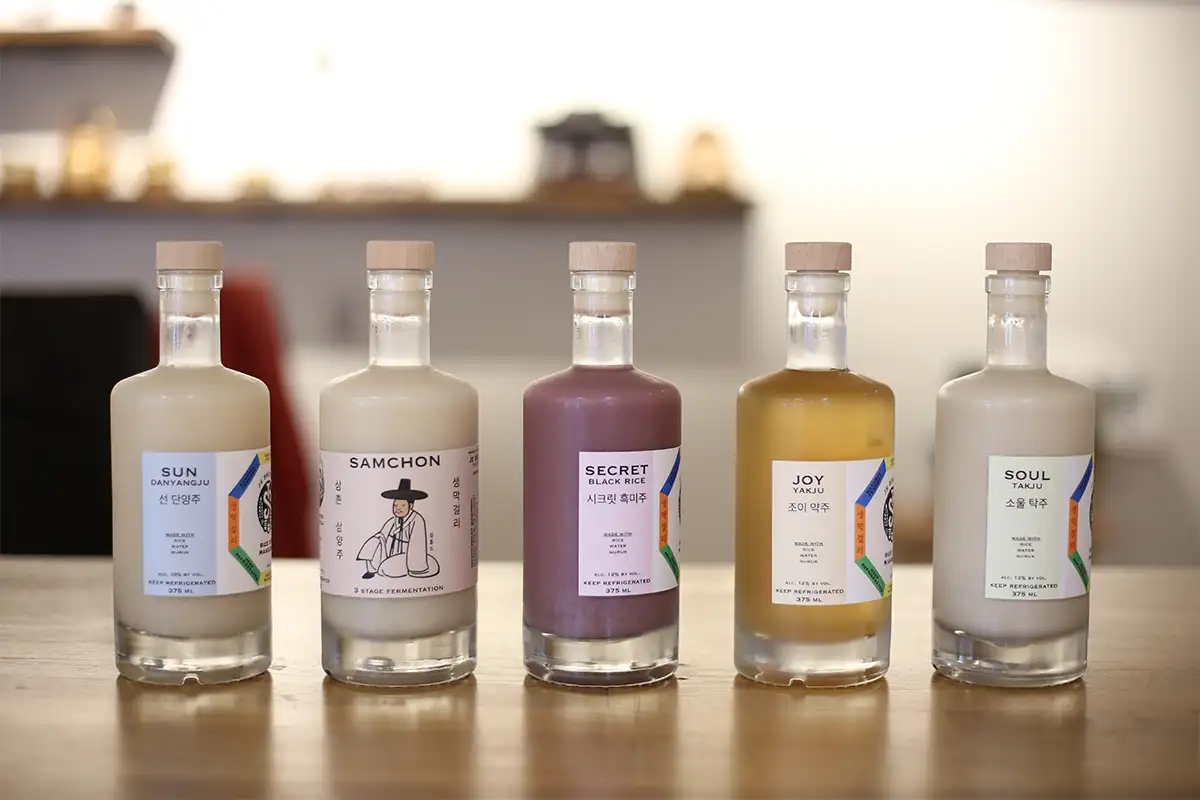
Makgeolli is made with just three ingredients. “Rice, water, and nuruk,” Aggarwal says. “Nuruk is a Korean fermentation agent that contains wild molds and yeast. Those convert the starch in the rice into sugar and then into alcohol.”
The brewing process begins by steaming rice, then mixing it with water and nuruk before allowing it to ferment. The beverage is then roughly filtered, which is where its name comes from.
“The word makgeolli actually means ‘roughly filtered,’” Aggarwal says. “Because of that, it has some sediment and a creamy texture. It can be slightly sour, slightly sweet, and a little tart.”
The drink was traditionally diluted so farmers could drink it throughout the day while working the fields.
“They would brew it very lightly because clean drinking water was not always available,” he says. “So, it provided hydration, some nutrients, and a small amount of alcohol.”
A Journey That Began on a Bicycle
Aggarwal did not set out to become a brewer. A retired software engineer who once worked in aerospace and satellite technology, he first traveled to Korea in 2014 while pursuing a different passion.
“I went there as a long-distance cyclist,” he says. “Korea has an incredible cycling network across the country.”
During his travels, he visited traditional markets and temples and encountered makgeolli for the first time. Later, he lived in Korea for nearly three years, where he began learning more about the drink and its history.
“It wasn’t until I lived there that I really understood what makgeolli was,” he says.
Brewing Up a Business
Eventually, brewing became a shared project with Cho, who is Korean. Cho has a Ph.D. in biomedical science and earned her certification in traditional makgeolli brewing in 2022. She views makgeolli as both a living cultural heritage and a biological process.
The couple began experimenting at home.
“As a software engineer, I started building tools to track the brewing process,” Aggarwal says. “There really was no software to manage makgeolli brewing, so I created an app to track each batch.”
That project eventually grew into a full brewery.
Not Just a Tasting Room
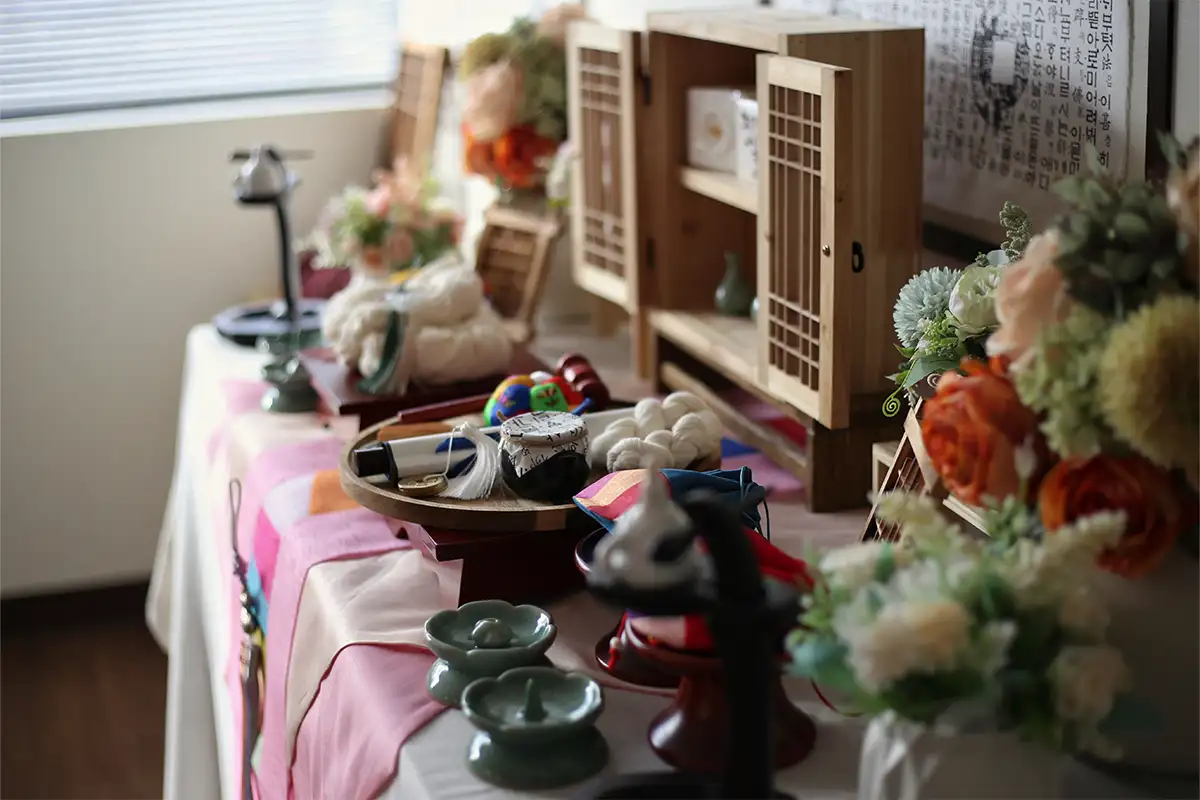
Inside the Columbia brewery, visitors can sample five varieties of makgeolli produced in small batches. Aggarwal leads free tastings that also include a crash course in Korean history and culture.
“We don’t really think of ourselves as a bar,” he says. “We think of ourselves as a cultural space.”
Each tasting includes a discussion of makgeolli’s long history and how it evolved over centuries. At one point, brewing nearly disappeared altogether.
“For about 60 years, from the 1930s until the 1990s, makgeolli was not widely brewed in Korea,” Aggarwal says, due to wars, food shortages, and government restrictions on using rice for alcohol. Traditional brewing only began returning in the mid-1990s after those restrictions were lifted.
Small Batches and Big Curiosity
JS Brewery is not focused on large-scale distribution. Aggarwal hopes visitors will come to experience it in person. “We want people to visit the tasting room and learn about Korean culture,” he says. “Makgeolli is the starting point.”
Production currently ranges from about 200 to 600 bottles per month, depending on demand. The brewery’s customer base has also evolved since opening.
“On opening day, almost everyone was Korean,” Aggarwal says. “Now it’s probably 60 or 70% non-Koreans.”
For many visitors, the drink itself is the biggest surprise. “It has a creamy texture, some tartness, and sometimes hints of fruit like apple or pear,” he says. “But those flavors are natural. They develop during fermentation.”
For Aggarwal and Cho, the brewery is less about alcohol and more about storytelling. “This is a way to explore culture,” Aggarwal says. “Every batch of makgeolli connects to history, tradition, and how people lived.”
Feature image by Morgan Demeter
This story originally ran in our June issue. For more stories like this, subscribe to Northern Virginia Magazine.