Just when it seemed spring had fully sprung, an overnight freeze delivered an unwelcome reminder that farming is always at the mercy of nature.
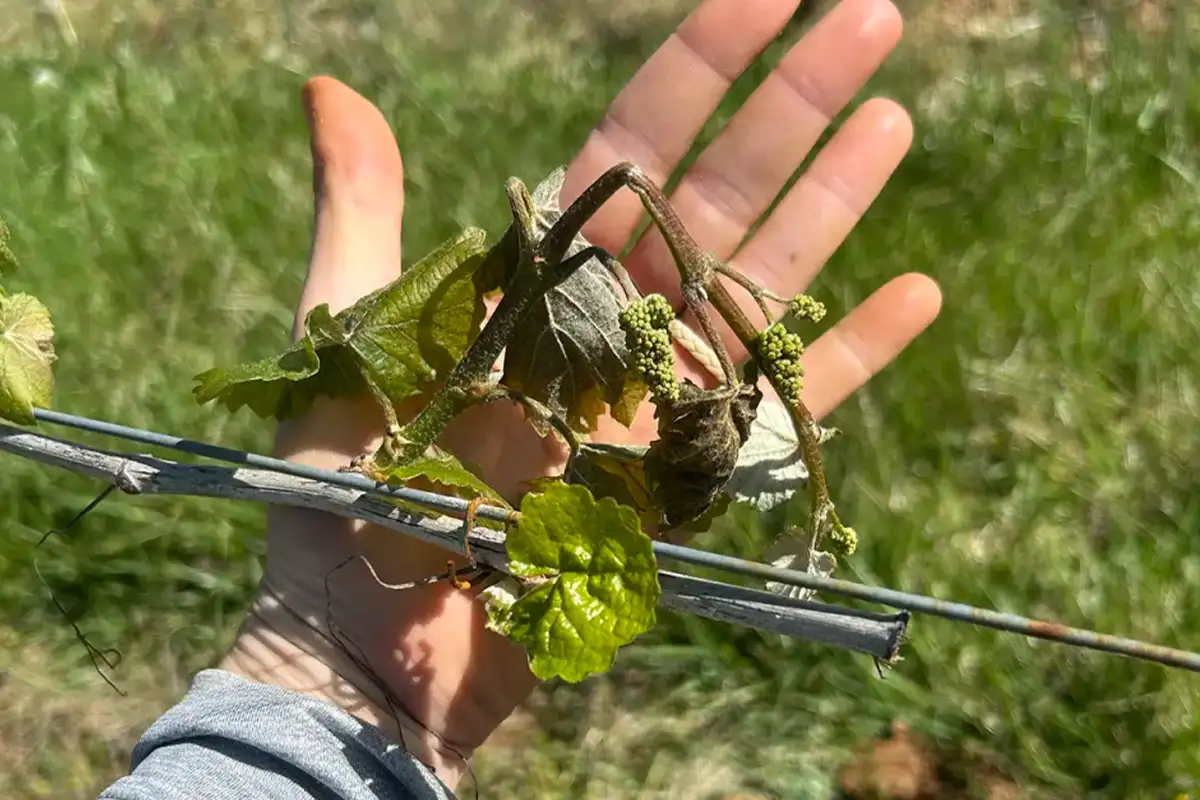
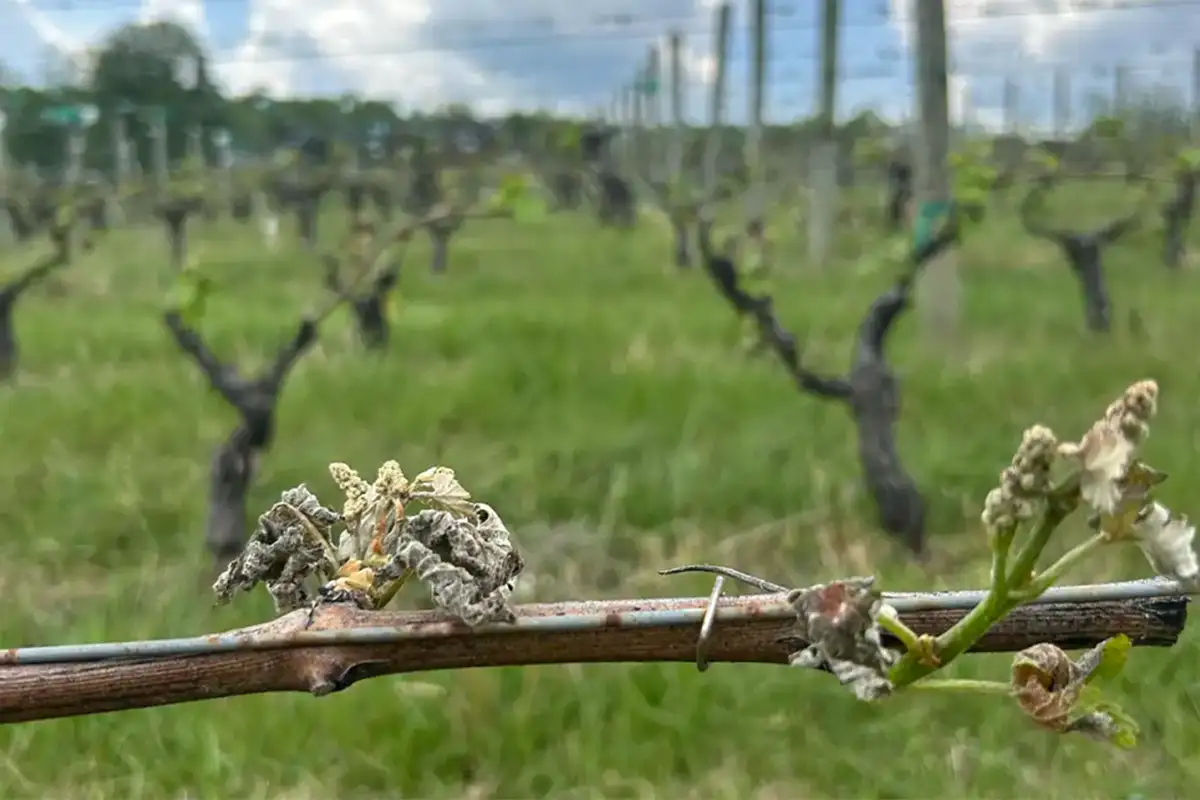
Last week, tender new grape buds coaxed out early by weeks of warm weather were suddenly exposed to damaging cold. The exposure left wineries across the commonwealth, including in Northern Virginia, assessing losses and recalibrating plans for the 2026 vintage.
Test of Resilience
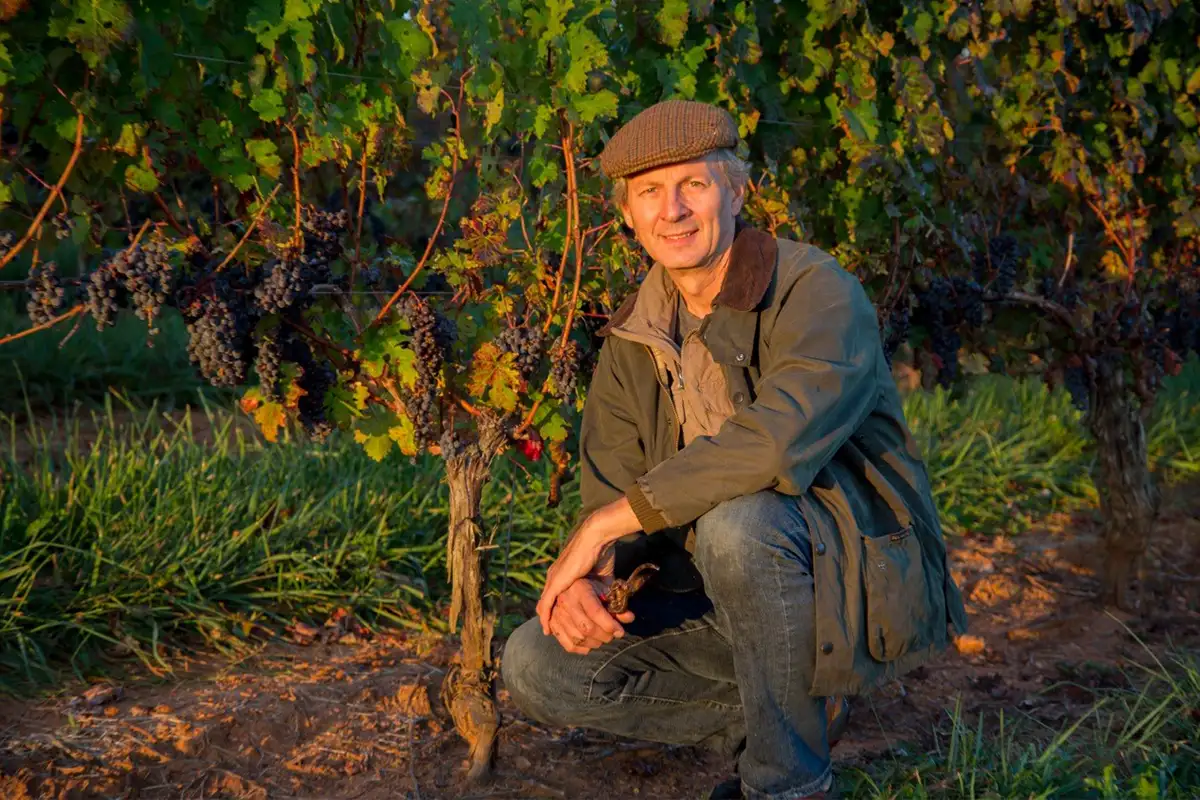
“It hurts to be working the vines with no grapes on them, but that’s what we signed up for,” says Jim Law of Linden Vineyards. “That happens.” A long-time wine expert, Law harvested his first commercial vintage at Linden in 1987.
For Virginia’s wine industry, now nationally recognized for both quality and tourism appeal, the frost became an immediate test of resilience.
At Barboursville Vineyards, one of the state’s flagship estates, the freeze struck lower-elevation vineyard blocks between 500 and 600 feet. Those sections are planted largely with pinot grigio, viognier, vidal, along with some merlot and moscato.
“The frost that occurred the early morning of April 21 affected only lower locations on our estate,” says Luca Paschina, who has guided the winery’s winemaking program for more than three decades. “The vineyards located on our higher slopes, 600 to 800 feet, were minimally affected.”
That difference in elevation proved critical. Higher slopes often hold warmer air during frost events, while colder air settles into lower pockets. At Barboursville, technology and experience also helped protect vulnerable vines.
“Our windmills moved millions of cubic feet of warmer air and mixed it with lower cooler layers,” Paschina says. “We also dispatched five frost burners and burned vine piles from winter pruning.”
Even with those efforts, about 60 of the estate’s 170 vineyard acres sustained damage, roughly 35% of the total acreage. Yet the winery’s most prized vineyard sites were spared.
“The areas that were spared are the home of our most prized vines,” Paschina says, naming nebbiolo, octagon fruit, Goodlow Vineyard cabernet franc, vermentino, and fiano among the protected blocks.
Through the Grapevine
Across Virginia, damage reports varied widely. Some lower-elevation vineyards in Loudoun County, the Monticello region, and the Shenandoah Valley were hit hard. Sites at higher elevations escaped the worst of the freeze. Growers now wait to see whether secondary buds may still produce at least partial crops later in the season.
Law says Linden fared better than many. “We were luckier than most,” he says. “Our losses are in the 20 to 30% range instead of 80 to 100%.”
Still, the 47-year grower says the event may reflect a broader shift rather than a one-time anomaly. “The problem wasn’t so much that the frost was untimely,” Law says. “The problem was it was so mild in March and April that it stimulated the early vine growth and made them susceptible when they’re normally not.”
Those changing patterns have already influenced his long-term planning.
“About eight years ago, we established what we call our climate change trial vineyard,” he says. “We planted varieties that might handle that change better.”
Law says those lessons are becoming more valuable as spring weather grows less predictable.
Reasons for Hope
Yet, winemakers don’t spend much time dwelling on setbacks. The profession requires equal parts patience and optimism.
“On a positive note, we have been blessed by the last three vintages with plentiful crops and very high quality wines,” Paschina says. “Tens of thousands of gallons are currently aging in barrel.”
Law echoes that sentiment, noting that recent success provides an important cushion. “We’ve had six really strong vintages in a row,” he says. “We’ve got a really good inventory now.”
That reserve means tasting rooms and cellars remain well stocked for visitors eager to support local producers, even if the 2026 harvest proves smaller than hoped. And for growers who measure life one harvest at a time, the next season is already calling.
“Once you get hooked by this,” Law says, “you just can’t imagine stopping.”
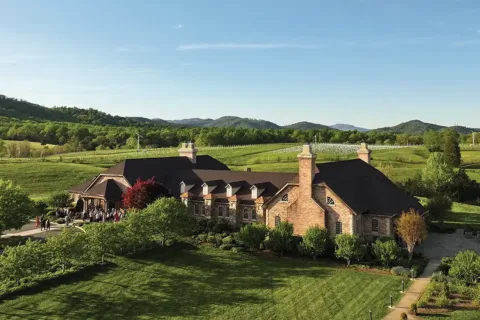
Feature image courtesy Linden Vineyards