In rural Front Royal, away from the prying eyes of the public, live some of the world’s most endangered species. The Smithsonian Conservation Biology Institute’s (SCBI) campus is a 3,200-acre counterpart to the National Zoo in Washington, DC. It’s been in operation for more than 50 years, with researchers working to protect species and their habitats from extinction through cutting-edge technology and hands-on care.
A Fortress for Conservation
The campus — which is not open to the public — was established in 1975 as the Conservation and Research Center. The Smithsonian National Zoo in DC had been around since 1889 and already had a research component. But during the 1960s and ’70s, the country experienced a kind of “conservation awakening,” says Peter Leimgruber, SCBI’s director of conservation and science.
“People knew that … zoos needed to play a critical role, kind of a little bit like Noah’s Ark,” Leimgruber says. “You have animals in a safe place, and you can breed them up again and then release them to the wild to restore them. But that requires having land and facilities.”
In particular, it became clear that some animals needed more space and privacy to breed than was available at a public zoo. Cheetahs, for example, “actually reproduce better if they are off-exhibit so they don’t have a lot of distraction, and then also if there’s a small number of staff working with them on a regular basis,” says Adrienne Crosier, SCBI’s carnivore curator.
The Smithsonian purchased the land in Front Royal from the U.S. government and began to set up animal enclosures and research facilities. It had previously been used as a depot for the Army to breed horses for military operations, a WWII-era prisoner-of-war camp, and a cattle research station for the U.S. Department of Agriculture.
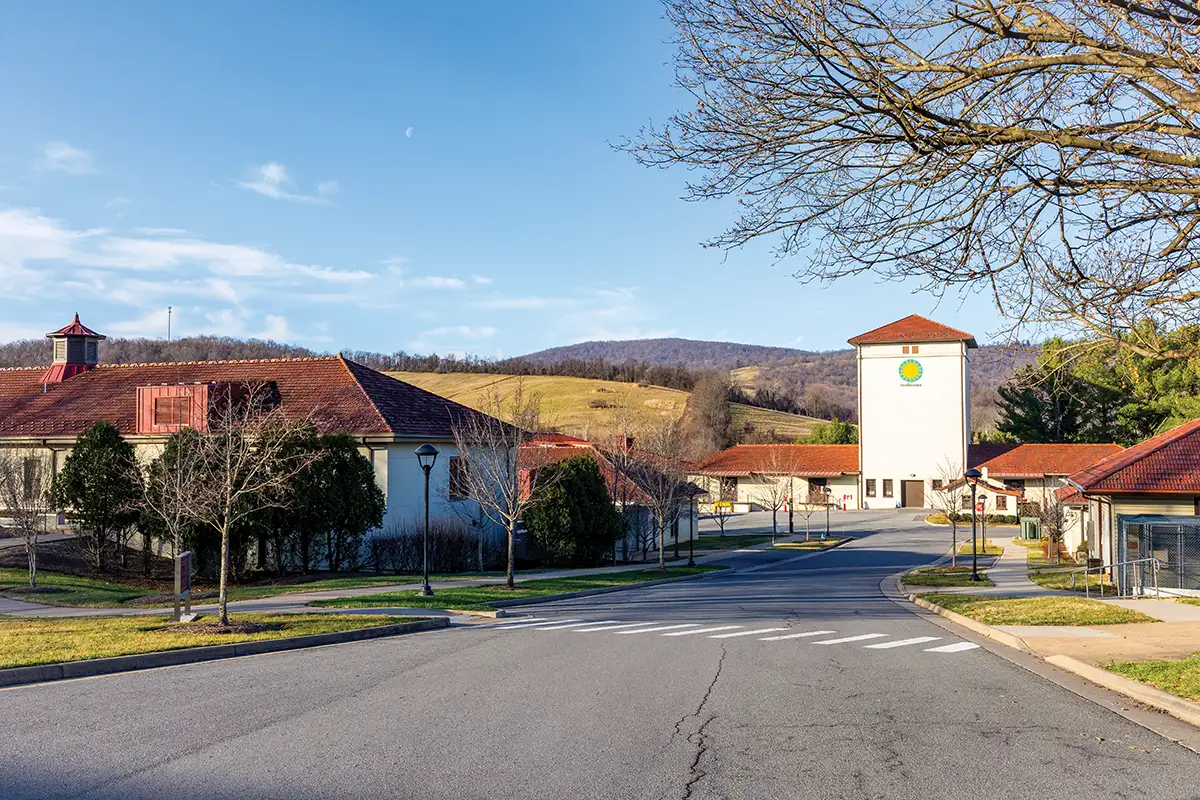
The sprawling campus now has spacious animal enclosures, laboratories, dormitories, and a dining hall for the students and scientists who live there. There are sections for growing hay and bamboo to feed the animals and an experimental forest for habitat research.
The goal when it opened more than 50 years ago is still the mission today: “To save species and their habitats, and to achieve this through developing the kind of cutting-edge science needed for breeding and ensuring genetic diversity in the populations,” Leimgruber says.
Animal Residents
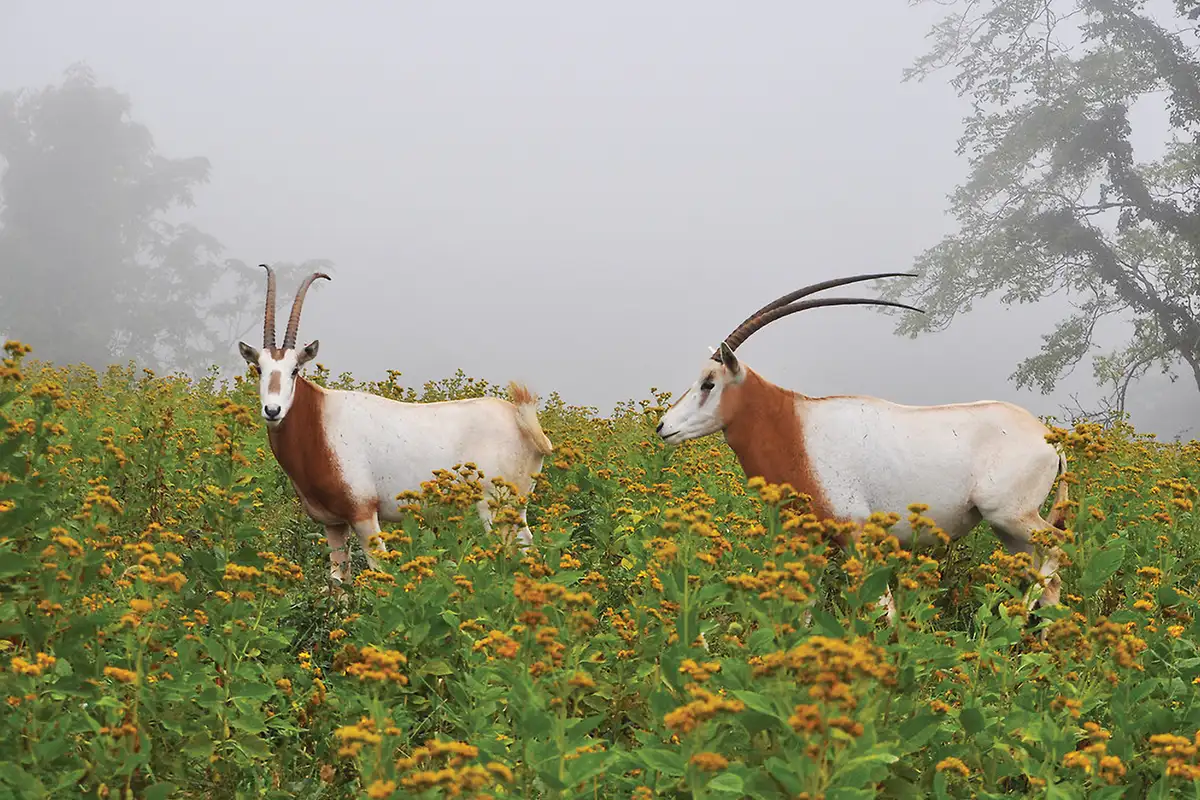
Today, the campus has approximately 265 animals across 20 species. Over the years, scientists have made strides to improve the populations of several animals. Some had even once been considered extinct in the wild, like the scimitar-horned oryx (a desert-adapted antelope), the black-footed ferret, and the Guam rail (a small, flightless bird).
“You’re going from a species that is officially extinct, and you’re actually bringing it back, and the populations grow, and there’s actually a future for that species,” Leimgruber says.
In the case of the black-footed ferret, the Smithsonian’s scientists are part of a collaborative program comprised of five breeding centers managed by the U.S. Fish & Wildlife Service. The program focuses on improving the population’s genetic diversity and reintroducing them back into natural habitats.
A significant component has included cloning the animals by using DNA from ferrets that lived in the 1980s. “Bringing those genes from many decades ago into the current population helps expand the gene diversity of the current population,” Crosier says.
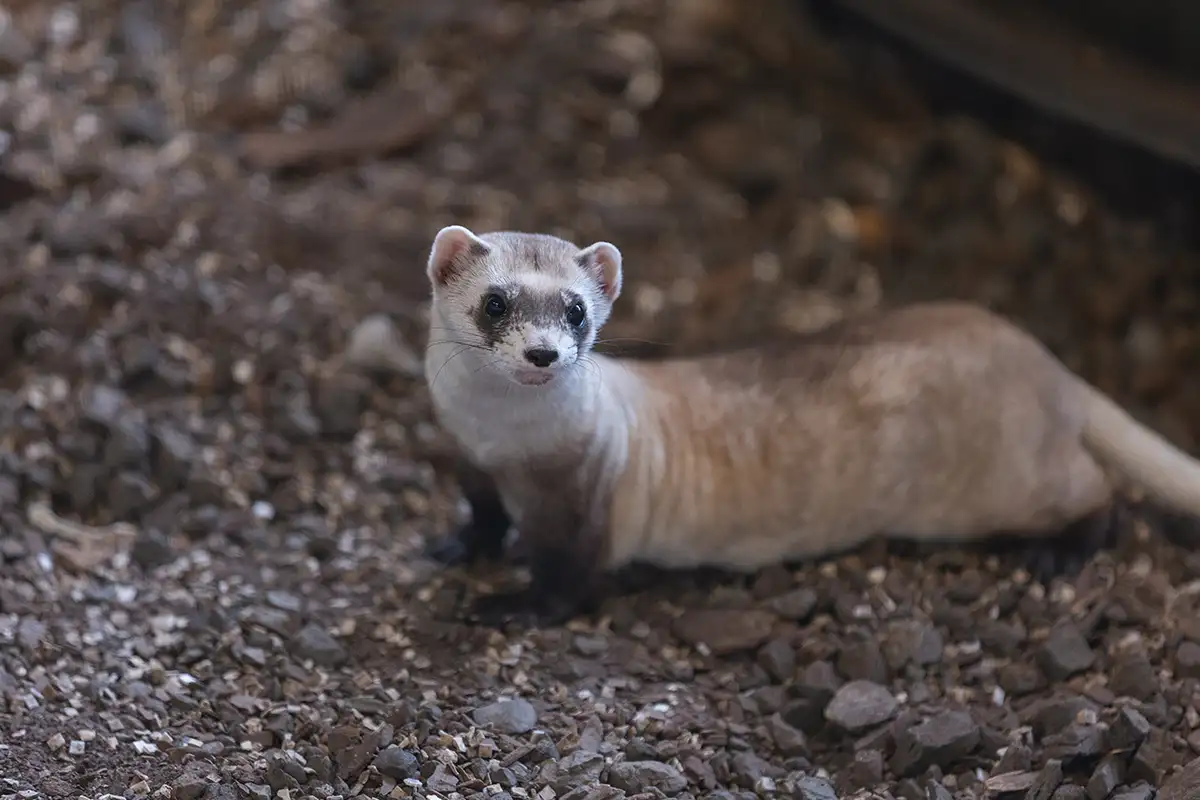
Several litters of ferrets have now been born that were produced with cloned DNA. And the ferrets’ care is specifically designed to limit human interaction to better set them up for success when they’re reintroduced to the wild.
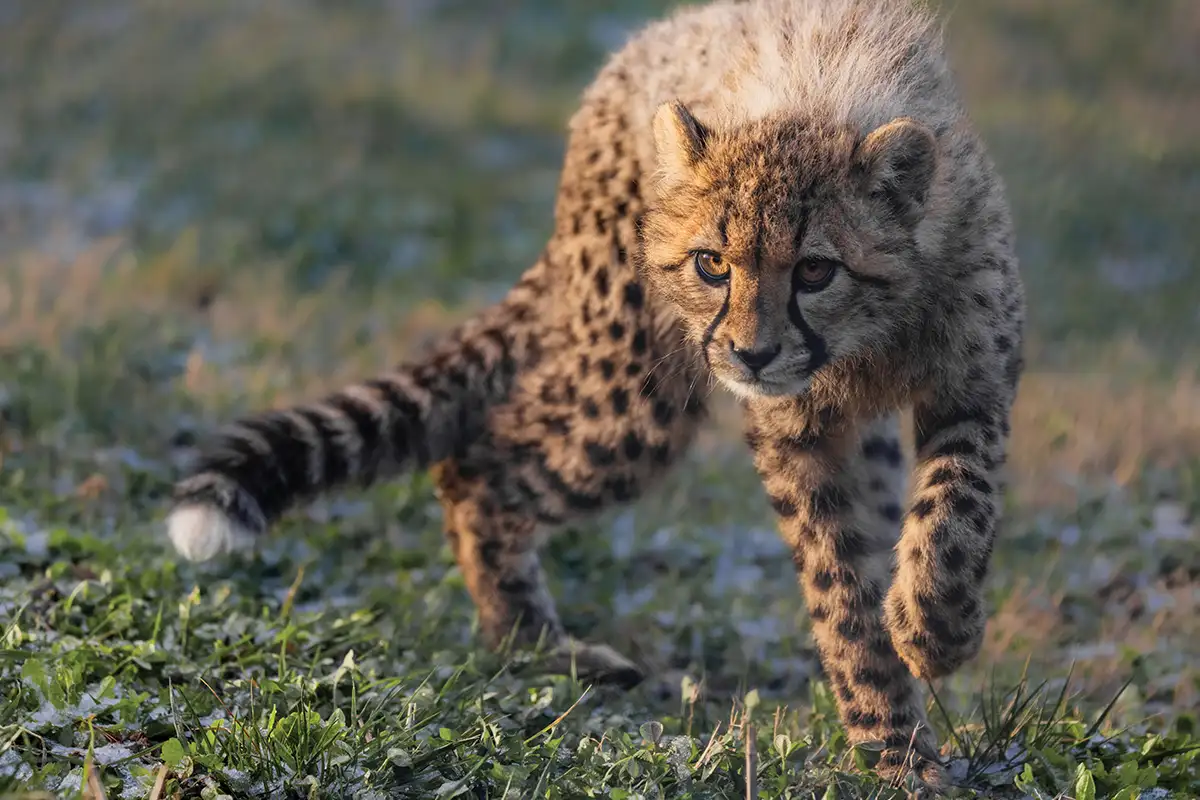
Another success story is cheetahs, which are considered a vulnerable species. The Front Royal campus has overseen the births of 20 litters and currently houses about 30 cheetahs — including a young litter of four cubs born in October to mom Amabala, who was also born at the campus.
To support cheetah populations both in captivity and in the wild, SCBI is part of a coalition of 10 zoos that work together to improve and strengthen breeding programs.
“Those 10 breeding centers work really hard every year to make sure that we are making the best breeding recommendations for the future of the population,” says Crosier. “We want [cheetah populations] to last many, many decades into the future with good genetic stability.”
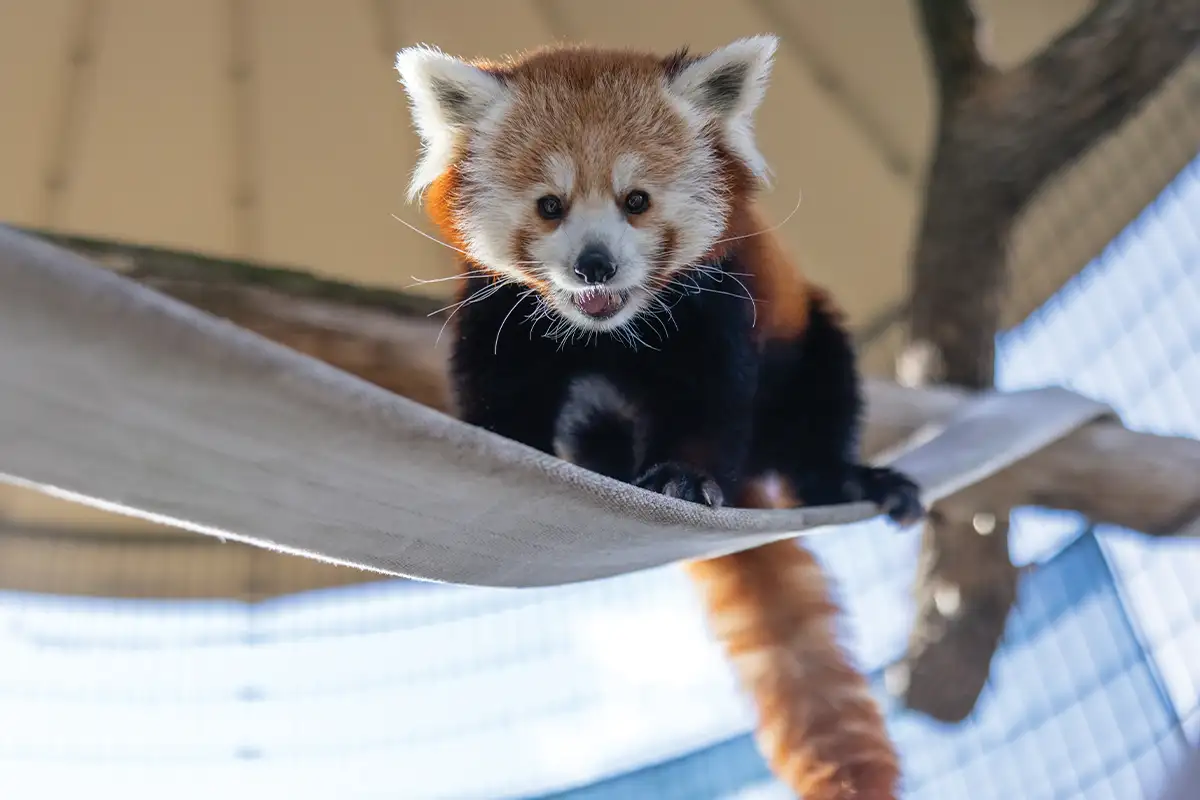
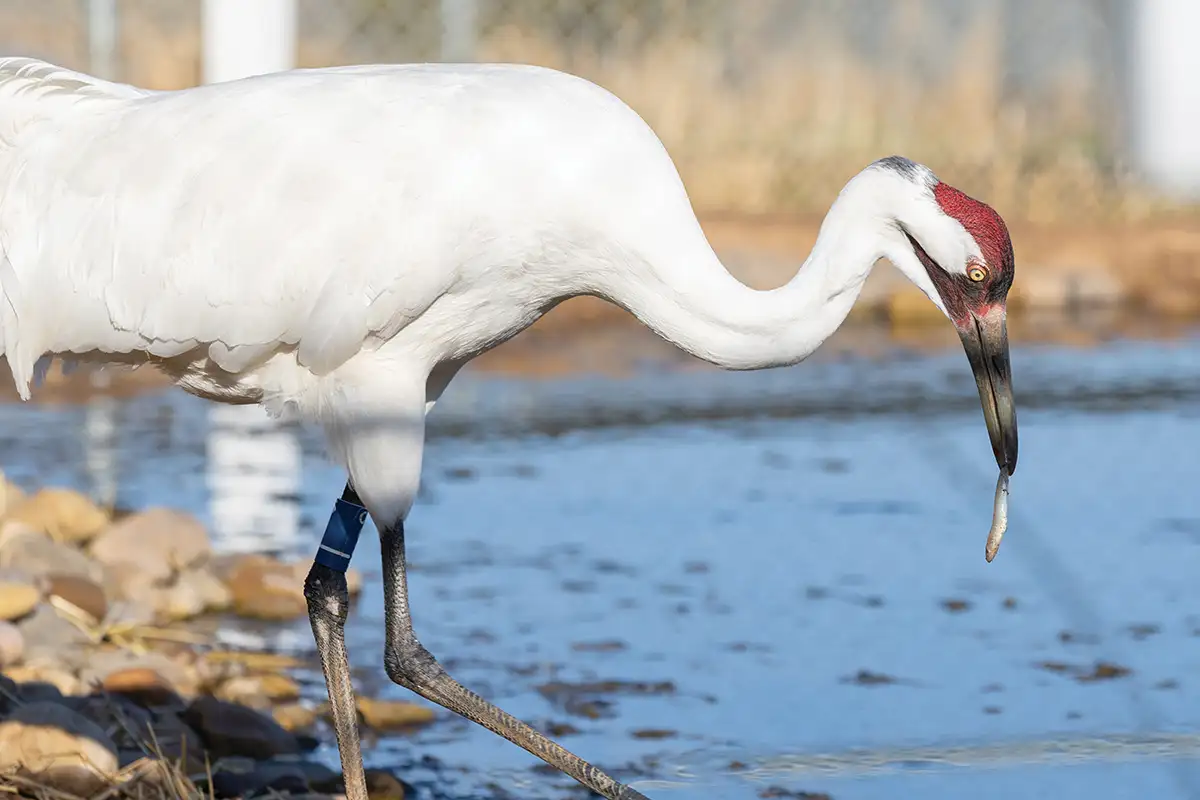
Some of the other animals within SCBI’s boundaries are Przewalski’s horses, zebras, cranes, kiwis, and red pandas. The Smithsonian team is committed to caring for and studying all of the animals to help better each population’s chances for survival in the wild.
A Focus on Research
What really makes SCBI stand out from typical zoos is its breadth of research. “There’s only really a handful of zoos that have the capacity to do the kinds of science and conservation work that we do, and that have facilities like this,” Leimgruber says. “The whole place is a laboratory for us where we can do controlled experiments.”
SCBI scientists conduct research in several disciplines, including animal behavior, reproduction, ecology, genomics, migration, and conservation sustainability. Some of that happens in hands-on work with the animals, and some happens behind the scenes in the campus’ many laboratories.
SCBI’s Center for Species Survival, for example, conducts targeted research to help endangered species survive. “Our goal is that every individual animal from one of these endangered species is represented in the next generation to maintain genetic diversity and the health of the population,” says reproductive biologist Jennifer Nagashima. “But sometimes that’s not always possible through natural breeding plans.”
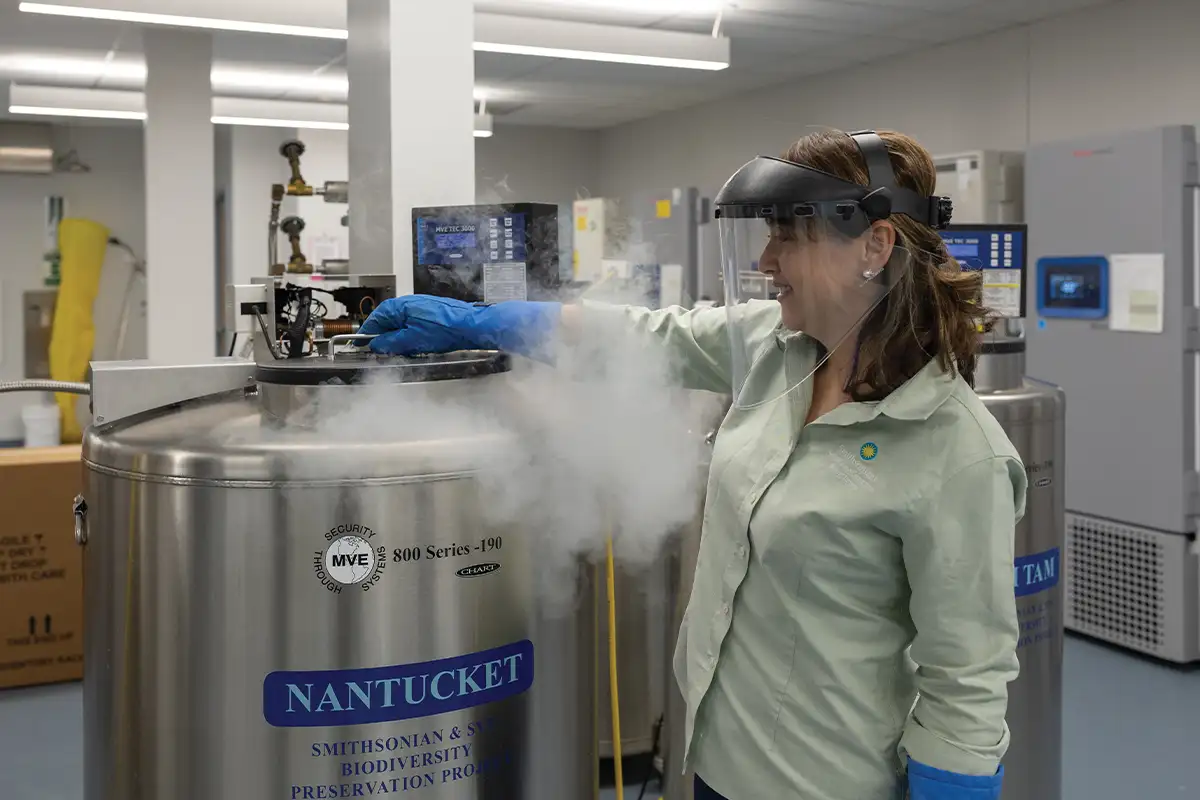
One way they can repopulate endangered species is by storing tissue samples in deep freezers in the biorepository lab and cryopreservation facilities. The lab currently has samples — mostly sperm and some eggs — from more than 120 species, Nagashima says, opening the door for artificial reproduction that could help preserve a species.
SCBI also has an endocrinology lab to assist with important hormonal monitoring. This came in handy as a way to monitor the pregnancy of an Asian elephant who gave birth at the DC zoo in February. The high-profile birth was the first for the critically endangered species at the National Zoo in nearly 25 years.
A Center for Education
In addition to hosting professional scientists, the campus is also a hub for education. Undergraduate, graduate, and even high school students can visit SCBI to learn in the world-class facility.
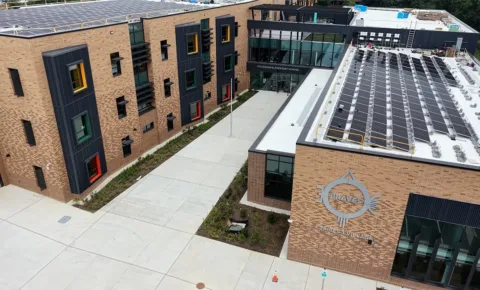
It’s also home to the Smithsonian-Mason School of Conservation, a partnership between George Mason University and SCBI, where Mason students can live on campus for a semester and get hands-on experience learning about conservation.
Leimgruber attended the facility as an undergraduate himself and describes it as “a life-changing experience. … You really get to be with some of the best scientists around the world.”
The professionals here also host trainings and seminars to teach other conservationists around the world about their methods. For example, the campus recently held a training course with the Massachusetts Institute of Technology about possible ways scientists can use artificial intelligence to detect and count animals in the wild.
“In some sense, Front Royal has global recognition. People around the world know about Front Royal because people came here for training from India, from Kenya, from all over the world,” Leimgruber says.
“We call it a residential learning community for conservation, and it’s really super cool,” he says, “because you have one place where undergraduate students, interns, postgraduate students, foreign professionals, Smithsonian scientists — they all live and work in the same place.”
Feature image courtesy Smithsonian Institute, by Brett Kuxhausen
This story originally ran in our May 2026 issue. For more stories like this, subscribe to Northern Virginia Magazine.