
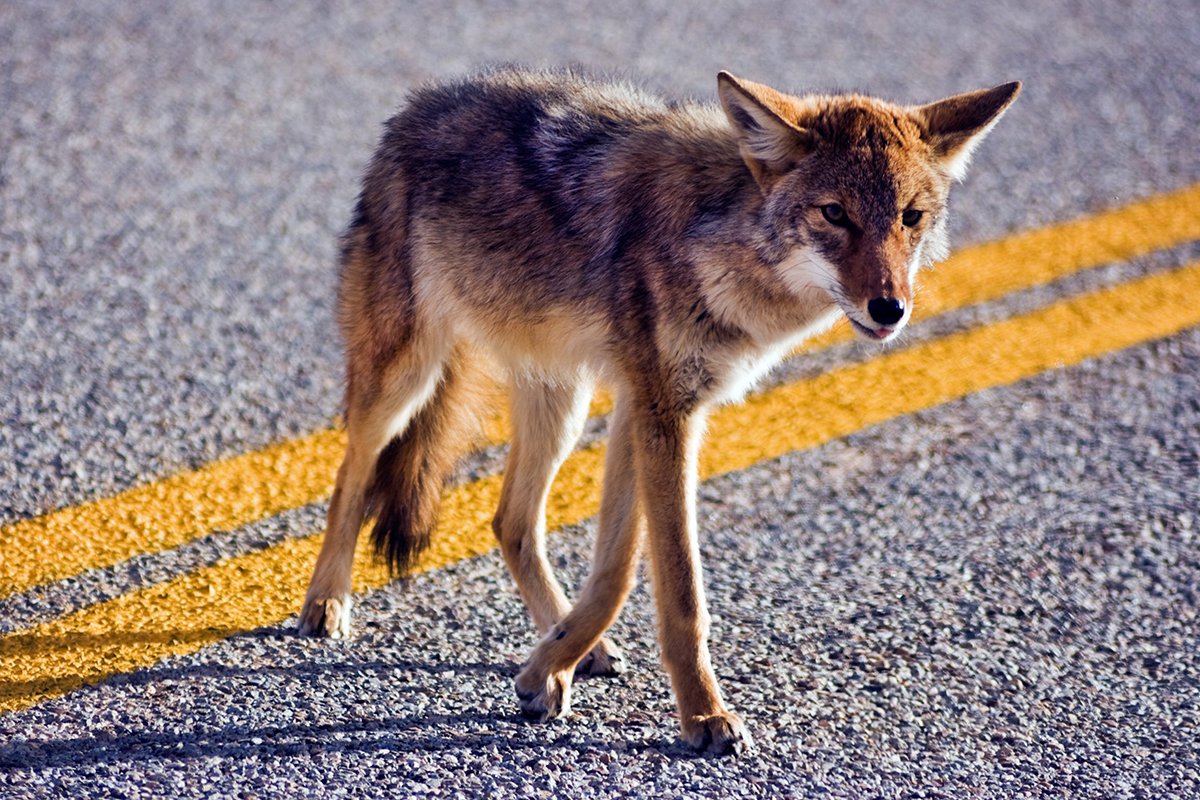
As the summer months roll in, so do the coyotes. From March through August, coyote sightings in the area increase as they begin to care for their young following their winter mating season.
“We don’t have an easy method of calculating the number of coyote sightings,” says Katherine Edwards, Fairfax County Police Department wildlife management specialist. “Coyote sightings have increased in recent years but are still relatively uncommon compared to other wildlife species, such as red foxes or deer.”
While their presence can be considered alarming, police reaffirm locals that coyotes are an established part in the wildlife community and shouldn’t be considered dangerous. “There have been sightings in the area ever since the 1980s,” says Tara Gerhard, officer within the Fairfax County Police Department. When hostile confrontations with coyotes do occur, they are often provoked by human interactions.
After the death of a local dog, officials are monitoring coyote activity and are stressing that locals understand the precautions that can be made to reduce hostile interaction between humans and coyotes.
Because dogs are vulnerable to coyotes, certain steps can be taken by dog owners to reduce the risk of getting into conflicts with coyotes such as leashing them on walks or hikes and not leaving them unattended in outdoor areas, including fenced yards.
In general, the following tips can help prevent confrontations with coyotes:
- Do not feed wildlife
- Secure and cover trash bins and compost piles
- Make sure fruit is securely stored and not left unattended on the ground
- Install motion sensor lights or motion activated sprinklers around your home
As of now, there are no concerns with rabies. However, if a coyote bites, Byrant Bullock with the Fairfax County Health Department suggests that rabies post-exposure treatment is given.
In the event that an aggressive, sick or injured animal is found, reports can be made through the Fairfax County Animal Protection police nonemergency number at 703-691-2131.