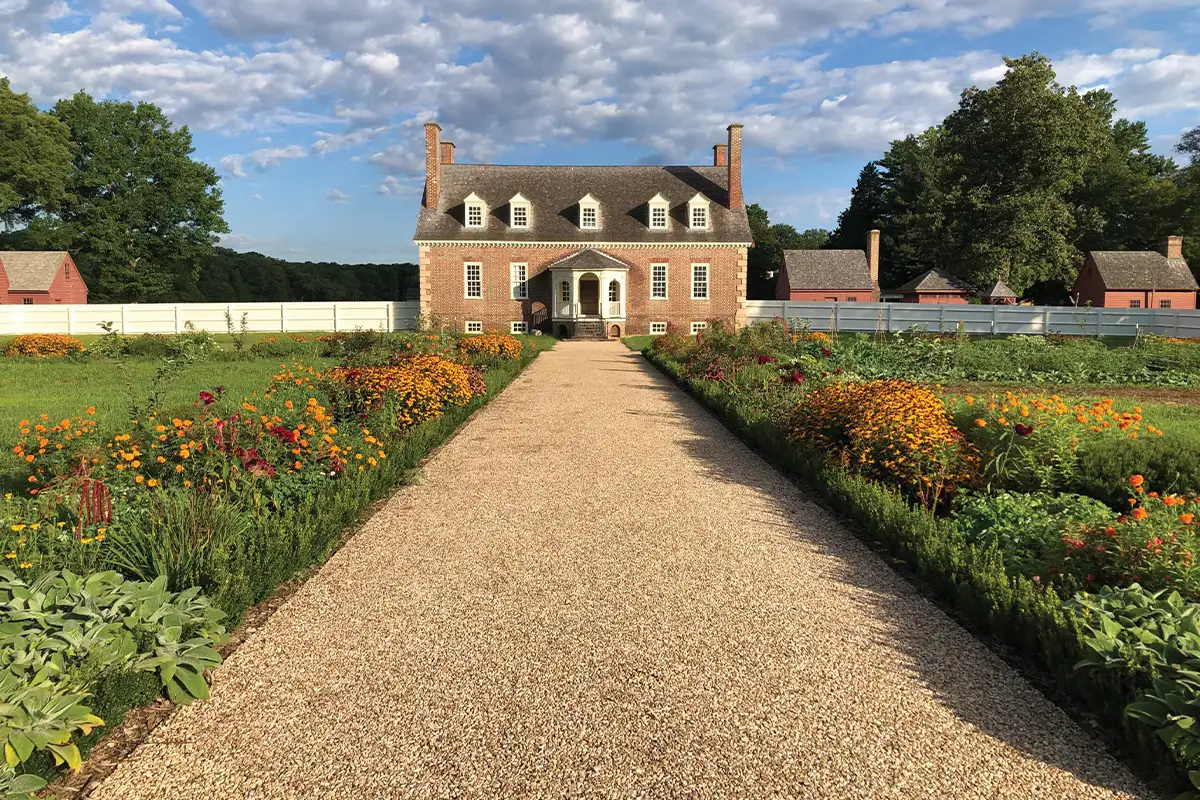
What makes Northern Virginia unique isn’t just the depth of its history, it’s how accessible that history still is. You can stand where George Washington planned his next move. Walk the same streets where George Mason turned ideas into action. Sit in the pews where revolutionaries wrestled with faith, freedom, and risk.
“It’s not just something you read about,” says Alexandria History Tours owner and historical author Tim Rose. “You can actually picture it. You can stand there and imagine it.”
As the nation celebrates America250, right here in Northern Virginia, we’re surrounded by the story of independence. Here are some of the places to explore.
Fredericksburg & Stafford: Where It Began
George Washington’s Ferry Farm
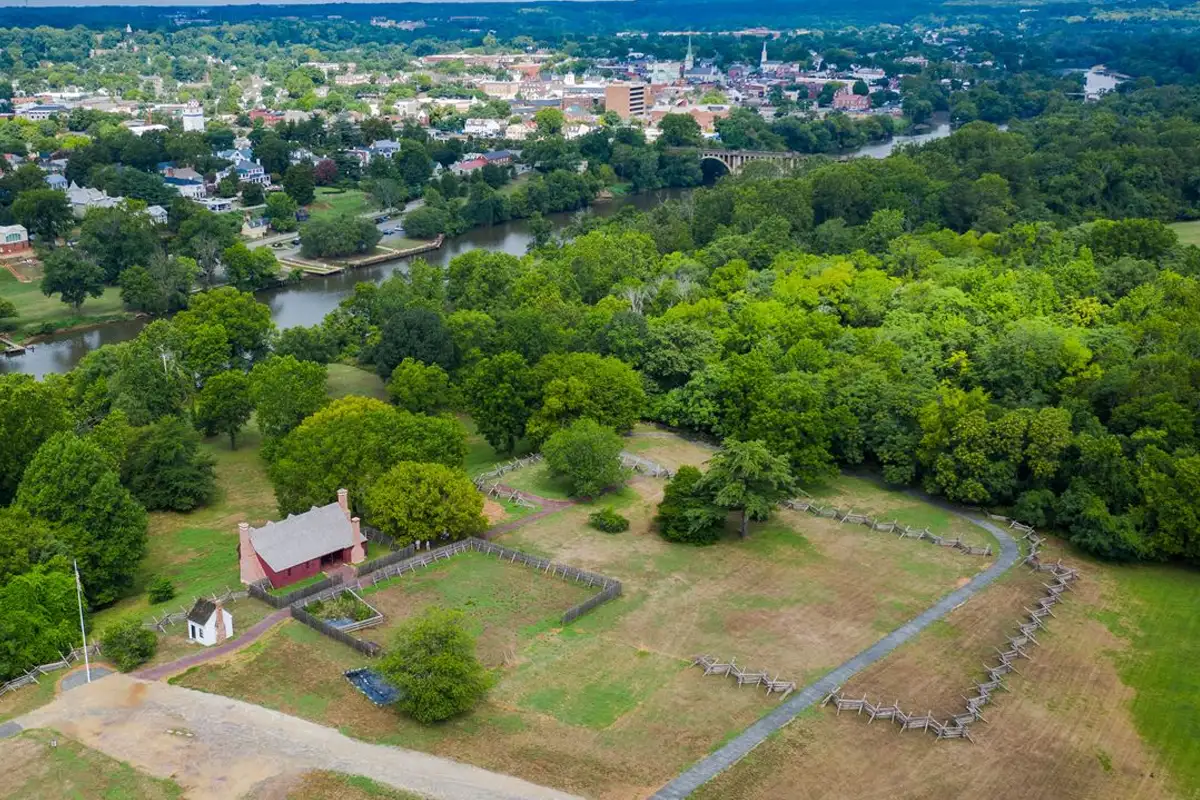
This is where George Washington’s story began. Before he commanded an army, Washington was a boy living along the Rappahannock River. Many of Washington’s defining experiences happened at Ferry Farm after his family moved to the property when he was 6 years old.
“A lot of the things that happened in his life, that really go into molding and shaping him into the great George Washington that we know, actually happened here at Ferry Farm,” says Ferry Farm historical guide Zach Casebolt.
The reconstructed farmhouse sits atop the original 1722 foundation, discovered through decades of archaeological work. The home was rebuilt using 18th-century tools, materials, and methods to reflect as closely as possible how it looked during Washington’s childhood.
The farm once stretched nearly 600 acres and sat at the center of a busy Colonial world. At that time, the nearby Rappahannock River was a bustling trade route.
The property’s name, Ferry Farm, comes from the ferry landing that once operated here, carrying people and goods across the river to Fredericksburg before bridges existed.
Ongoing archaeology continues to reveal artifacts ranging from pottery shards to furniture hardware, food waste, and personal objects that are helping historians better understand daily life.
“We’ve actually learned quite a bit about the Washington family by going through their trash,” Casebolt says. 268 Kings Hwy., Fredericksburg
Historic Kenmore
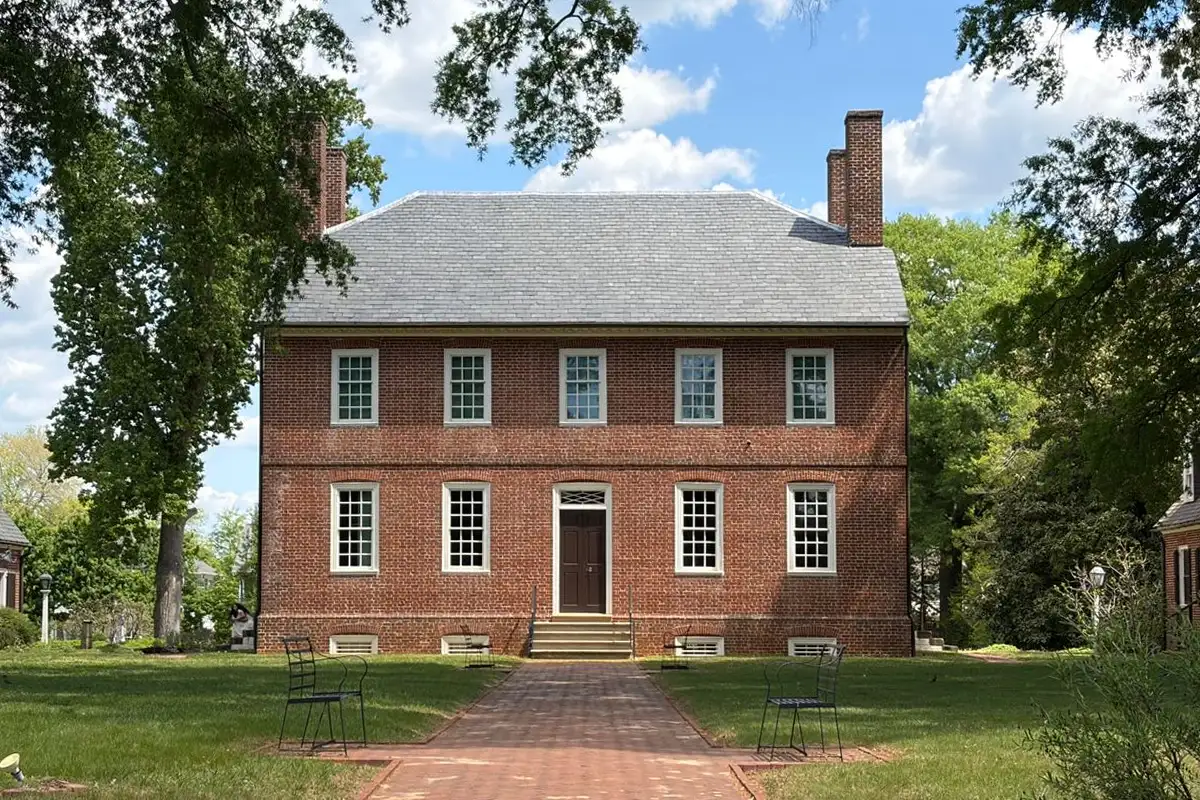
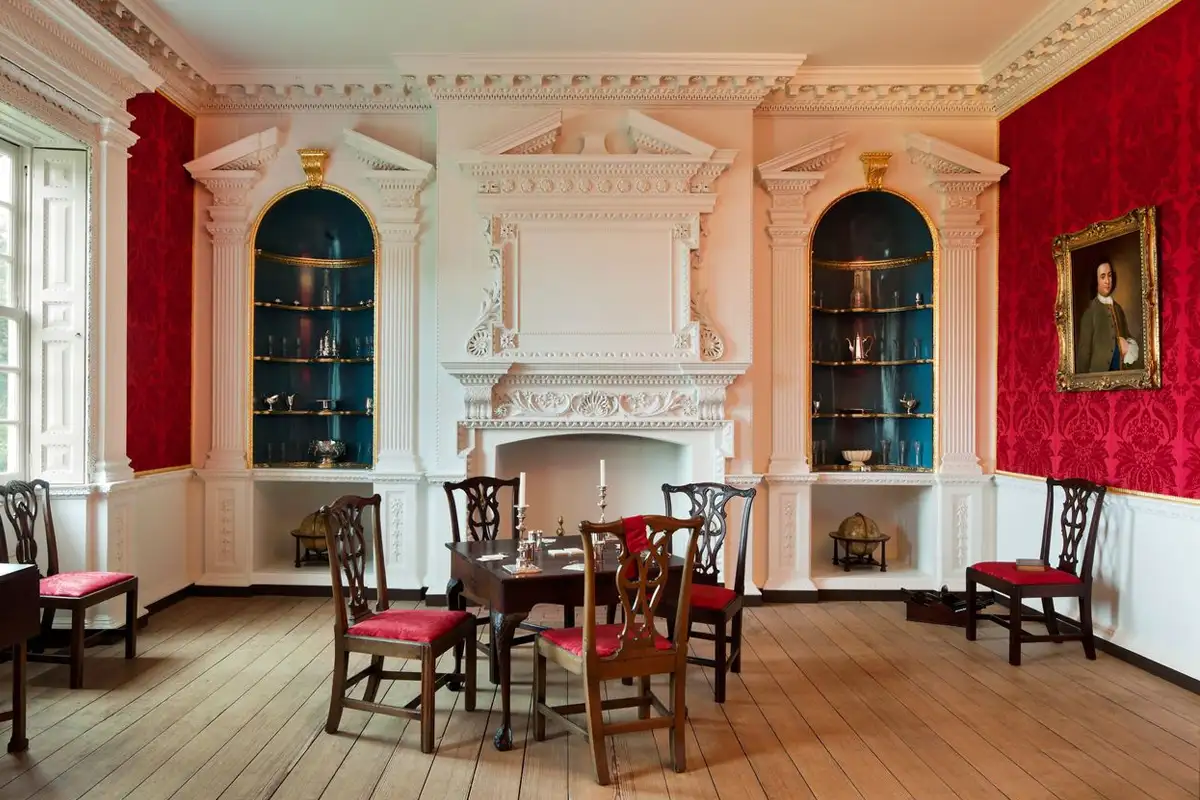
Just across the Rappahannock River is Kenmore Manor, home to Washington’s sister Betty and her husband, Fielding Lewis. The mansion is more formal than Ferry Farm, offering a different perspective on the era. The stately Georgian-style home, built in the 1770s, showcases stunning intricate plasterwork and refined interiors that reflect the ambitions of Virginia’s Colonial elite. 1201 Washington Ave., Fredericksburg, kenmore.org
Fairfax County: Where Ideas Took Shape
Gunston Hall
The Revolution was built on ideas — and many of those ideas were written here. This was the home of George Mason, the principal author of the Fairfax Resolves and later the Virginia Declaration of Rights, a document that directly influenced the U.S. Bill of Rights. Visitors can walk through Mason’s home, see where these ideas were formed, and explore exhibits that connect his work to the broader revolutionary movement.
In July 1774, Mason visited George Washington’s Mount Vernon to work on the Fairfax Resolves with Washington before they headed to Alexandria to present their revolutionary ideas.
“These writings inspired other colonies,” Rose says. “They helped create a blueprint for resistance.” 10709 Gunston Rd., Lorton
Pohick Episcopal Church
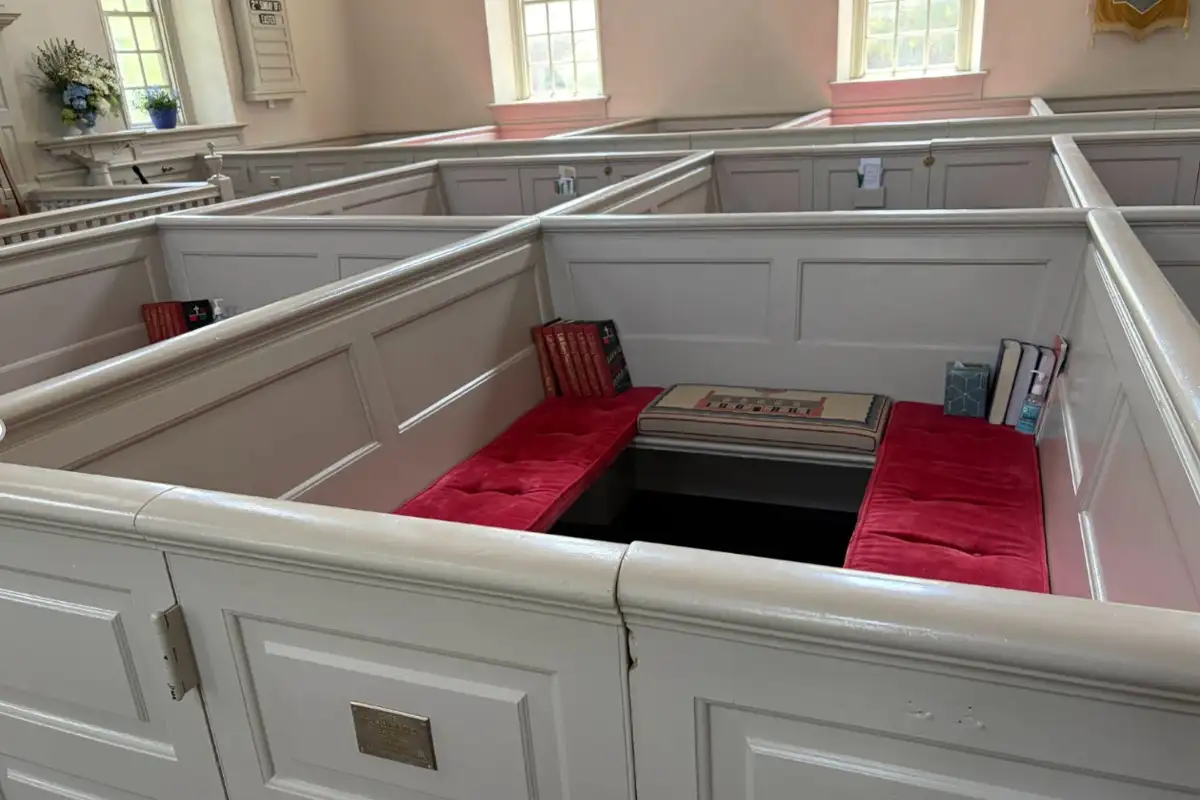
Religious freedom and political independence were deeply connected during the revolutionary period. Completed in 1774, Pohick Episcopal Church served as George Washington’s home parish. He worshipped here while also helping lead the church as a vestryman. The structure remains remarkably preserved, offering a rare opportunity to sit in the same space where Washington once reflected. George Mason also attended the church, placing two of The Revolution’s most influential figures in the same pews as the movement toward independence began to unfold. 9301 Richmond Hwy., Lorton
Historic Fairfax Courthouse
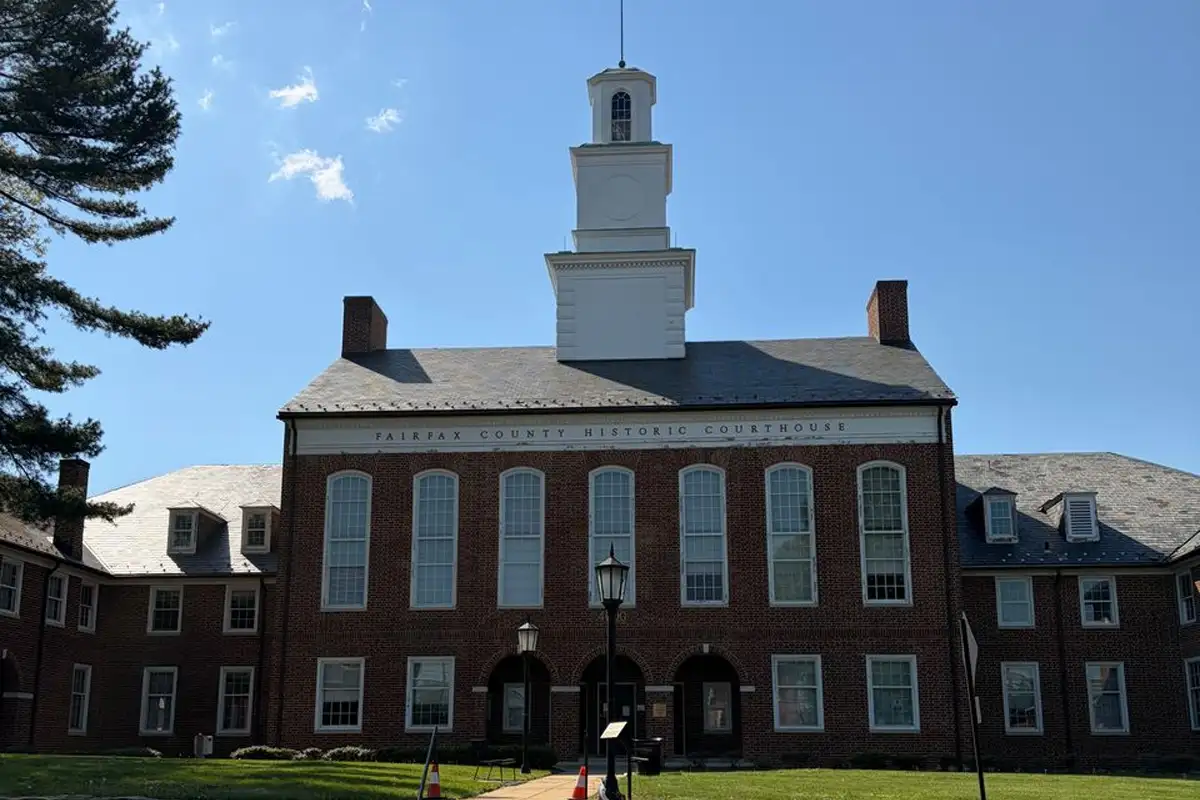
Built in 1800, this national landmark is still in use today.
Some buildings you might drive by every day house fascinating history. One example is the Fairfax County Courthouse.
Long after the fighting ended, The Revolution’s legacy was still being shaped on paper — in ink and in law. At the Historic Fairfax Courthouse, the final wishes of George and Martha Washington were formally recorded, tying this quiet civic space directly to the lives and deaths of the nation’s founding figures.
George Washington’s will was entered into record on January 20, 1800, when court proceedings were briefly held in Alexandria before relocating back to Fairfax. The document itself is remarkable. It’s a 29-page testament that not only distributed his vast estate but also laid out plans for the emancipation of the 123 people he enslaved — an act that would take effect after Martha Washington’s death.
“George Washington’s decision and actions to free his enslaved laborers was a culmination of years of grappling with the morality of an institution that has existed since antiquity,” says Rose.
Today, the original documents are preserved under strict conservation conditions and are not regularly on display, though select pages are occasionally exhibited or loaned, including to George Washington’s Mount Vernon. 4000 Chain Bridge Rd., Fairfax
Alexandria: Where Revolution Took Action
In the 1700s, Alexandria served as a center of revolutionary activity. Before George Washington was named commander in chief, he was here organizing troops, drilling local militias, and preparing for what was to come.
“He was mobilizing independent companies right here in Alexandria before the war even officially began,” Rose says. But the Revolution wasn’t unified or simple. “A lot of people don’t realize how much of the Revolutionary War was a civil war,” he says. “It divided families, communities, entire towns.”
Even Benjamin Franklin’s son remained loyal to Britain — a fracture that never healed.
“This is part of the road to independence,” says Rose. “You can trace the ideas from here all the way to the Declaration of Independence.”
George Washington’s Townhouse
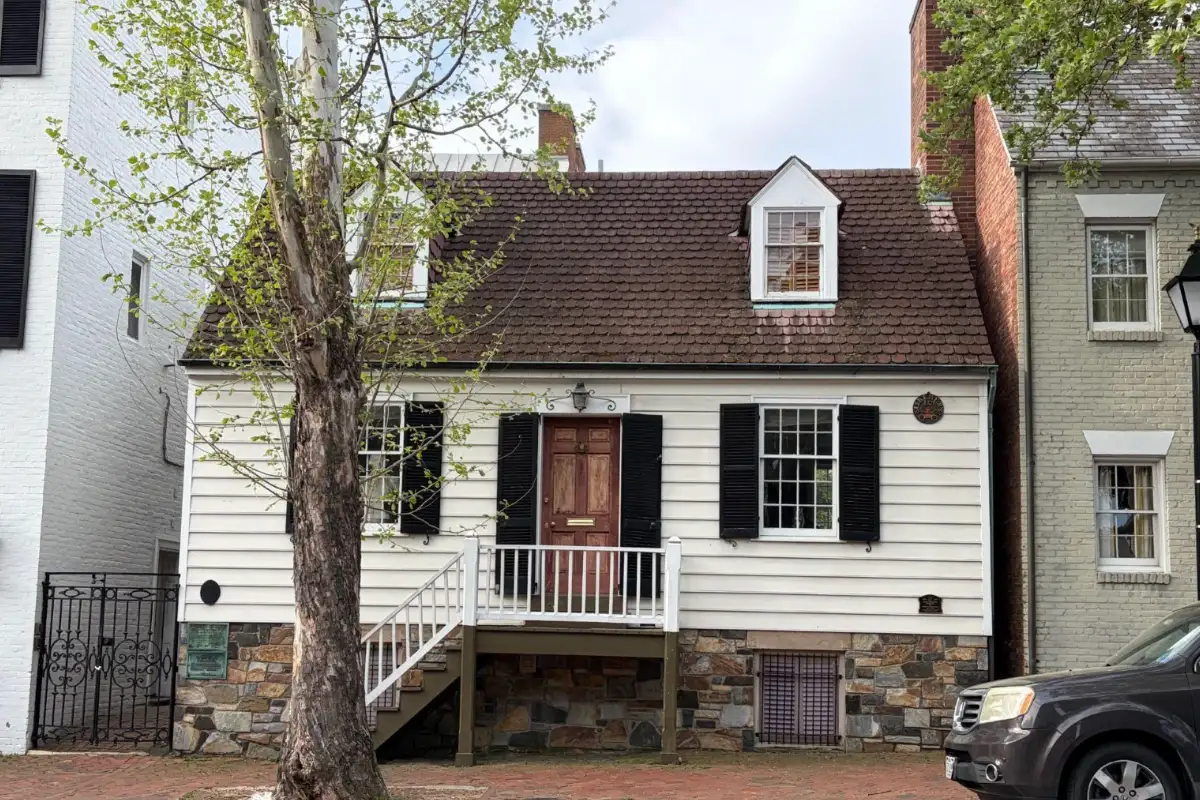
Before he became the nation’s first president, George Washington was a frequent presence in Alexandria, where business, politics, and community life often drew him from Mount Vernon into town.
To make those visits easier, Washington purchased this Cameron Street lot in 1763 and built a townhouse here several years later. He served as a town trustee, worshipped at nearby Christ Church, and regularly participated in public life here.
The original house was demolished in 1855, but the present structure is a faithful reconstruction built on the historic site. It offers passersby a glimpse into Washington not as a distant icon, but as a working Virginian balancing home, business, and public service. Today, the unassuming house is available to rent on Airbnb. 508 Cameron St., Alexandria
Carlyle House
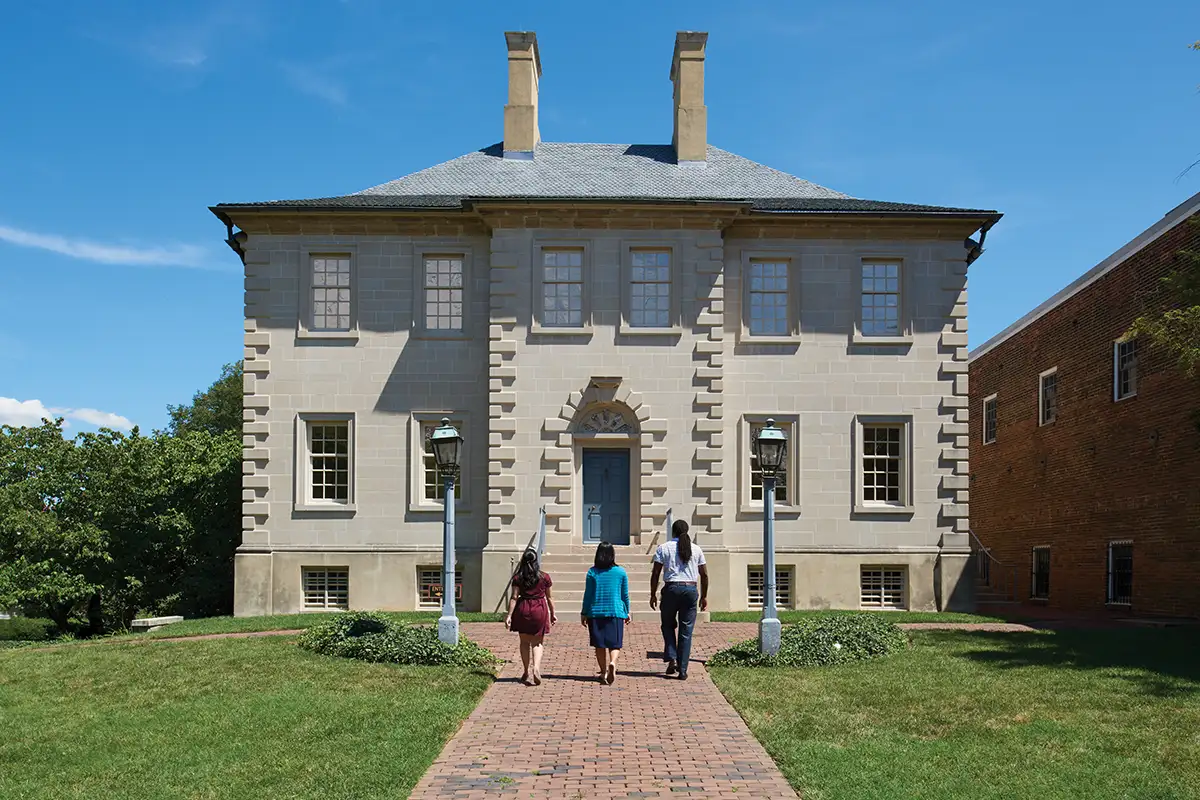
The frustrations that fueled The Revolution began here years before the first shots were fired. John Carlyle, a wealthy merchant and a founder of Alexandria, completed his elegant stone mansion in 1753. In 1755, British general Edward Braddock met with Colonial leaders here to plan military campaigns but also discussed how to tax the colonies to fund them.
“They talked about Parliament taxing the colonies,” Rose says. “And of course, the colonists had no representation.” 121 N. Fairfax St., Alexandria
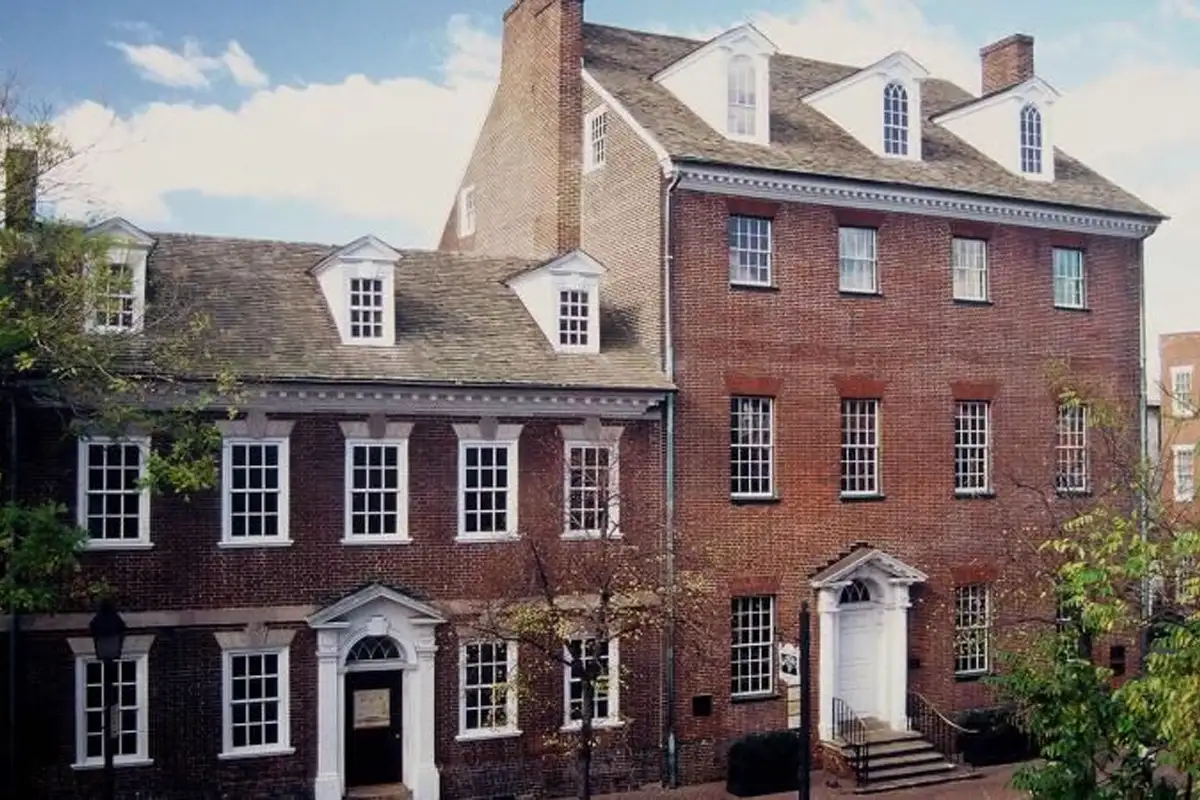
Gadsby’s Tavern
This isn’t just a restaurant — it’s where the early republic partied. George Washington celebrated his birthday here. Thomas Jefferson held an inaugural banquet. In 1788, Alexandrians threw a party believing Virginia had secured ratification of the Constitution — only to learn another state beat them to it.
“Why not have a good party?” says Zoie Horecny, digital Washington papers editor at the Center for Digital History, part of the George Washington Presidential Library.
You can dine at the tavern and visit the museum next door. 134 N. Royal St., Alexandria
George Washington’s Mount Vernon
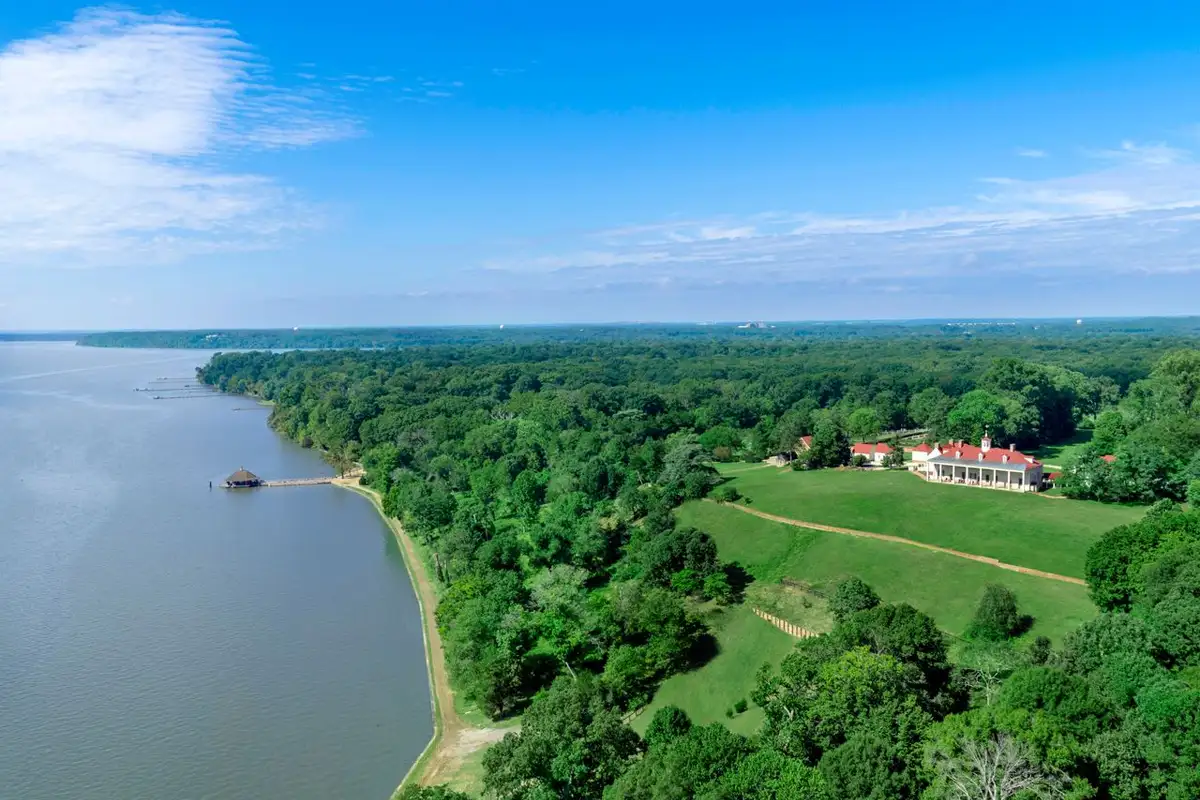
No revolutionary road trip through Northern Virginia is complete without a stop at Mount Vernon, the estate most closely associated with George Washington. More than a beautiful mansion overlooking the Potomac River, Mount Vernon was Washington’s home, headquarters of his private life, and the place he longed to return to throughout the long years of war.
“This is really where he wanted to be most of the time, if he had anything to say about it,” notes Horecny.
By 1781, after six years commanding the Continental Army, Washington came back to Mount Vernon for a brief stay before the decisive Yorktown campaign. What might sound like a homecoming was also a strategic moment. Here, surrounded by family, Washington met with allies, reviewed plans, and prepared for the final push that would effectively secure American independence.
“It wasn’t just a homecoming,” says Horecny. “They were actively planning how to win. They strategized together at Mount Vernon how to combine their forces for the best possible outcome at Yorktown.”
That blend of personal and political history is what makes Mount Vernon so compelling. Visitors can walk through the mansion rooms where Washington and Martha lived, stand on the piazza overlooking the river, explore the outbuildings and gardens, and gain a fuller understanding of the plantation economy that sustained the estate through enslaved labor.
Today, Mount Vernon remains one of the most significant historic homes in America, where military strategy, national leadership, family life, and the contradictions of the founding era all come into focus. 3200 Mount Vernon Memorial Hwy., Mount Vernon
Lafayette’s Journey: The Revolution’s Lasting Legacy
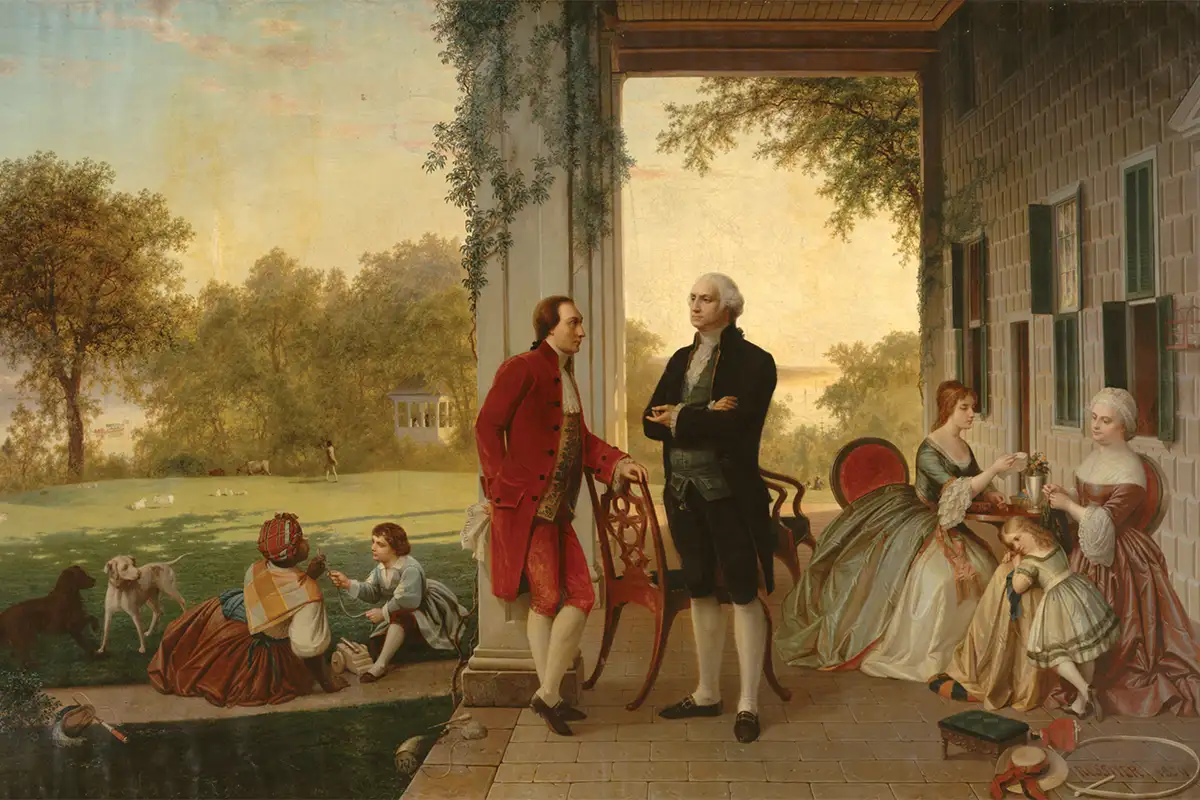
Marquis de Lafayette didn’t just join The Revolution, he became one of its enduring faces. At 19, he left France to fight for American independence, betting his future on an untested cause. In America, he forged a lifelong bond with George Washington, who came to see him almost as family.
That relationship still echoes at George Washington’s Mount Vernon, where Lafayette had his own bedroom. Inside, a large portrait honors him, and in the mansion’s entry hangs the key to the Bastille, which Lafayette sent to Washington after the French Revolution.
In 1781, troops under Gen. Anthony Wayne marched through Loudoun County on their way to join the Marquis de Lafayette before Yorktown. Lafayette himself returned in 1825 during his farewell tour as one of the last surviving generals of The Revolution. Loudoun “rolled out the red carpet,” says Carrie Christoffersen, executive director of the Loudoun Museum.
During this farewell tour, he revisited the places that shaped his life, including Alexandria, where the home he stayed in still stands at 301 S. Saint Asaph St.; Leesburg, where a courthouse plaque marks his visit; and George Washington’s Mount Vernon, where he honored Washington’s legacy. “He traveled 6,000 miles across 24 states,” Rose says.
Old Presbyterian Meeting House
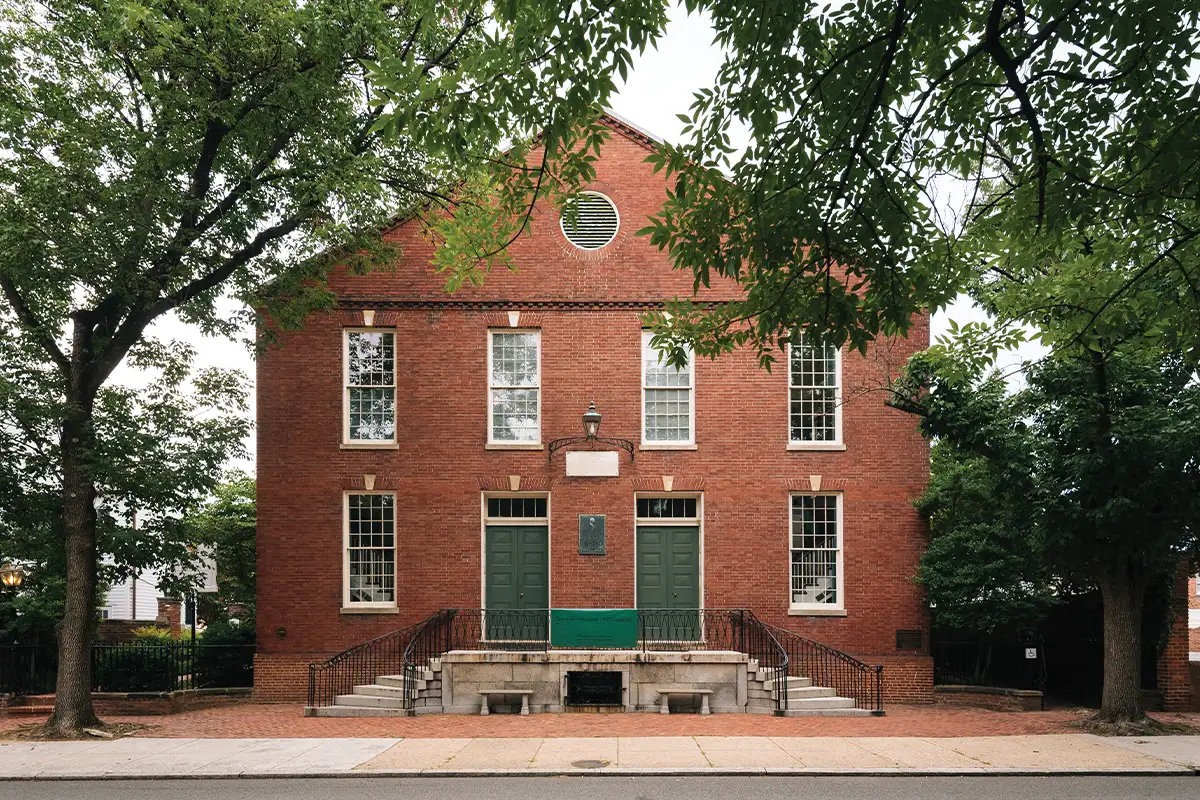
This quiet graveyard holds the Tomb of the Unknown Soldier of the American Revolution, one of the earliest memorials of its kind. Established in the early 20th century, the memorial honors a soldier whose identity was never known. It predates the Tomb of the Unknown Soldier at Arlington National Cemetery.
“It’s a place to reflect on the courage and sacrifice of people we’ll never know,” Rose says. 323 S. Fairfax St., Alexandria
Christ Church Episcopal
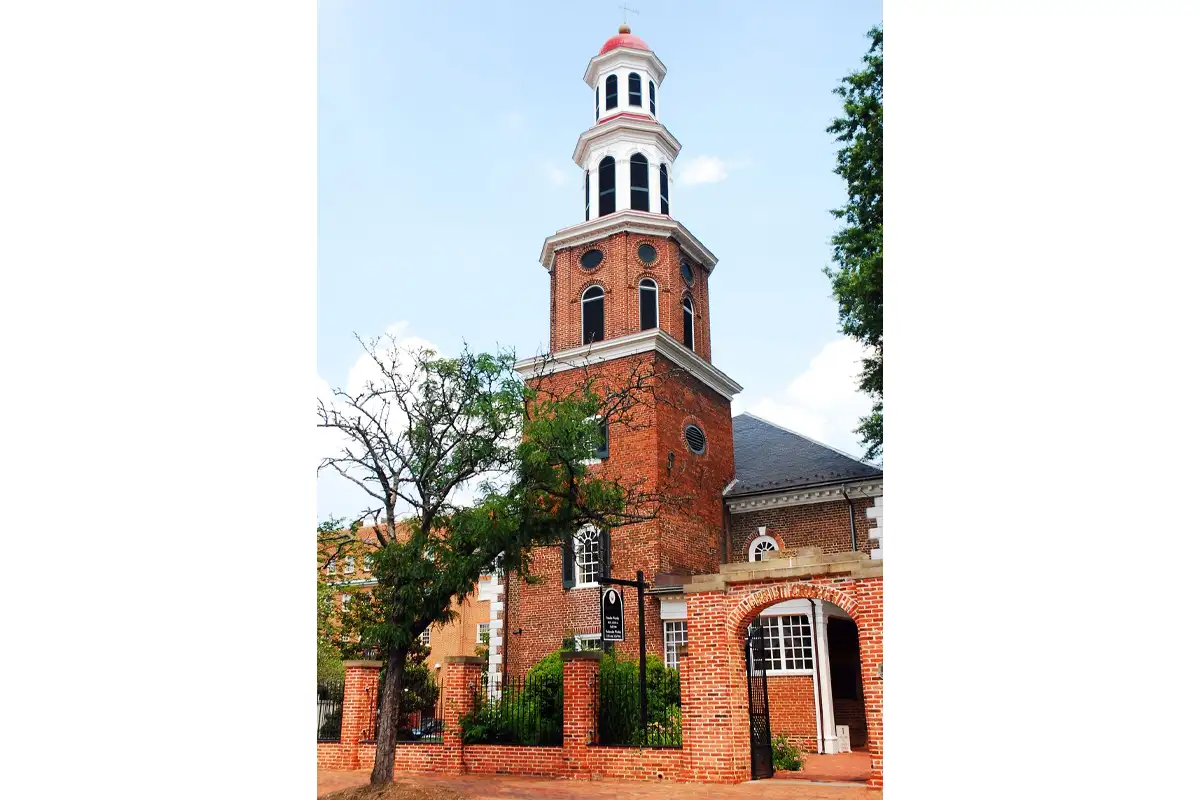
This is where faith and leadership intersected during a defining moment in history. Built in 1773, Christ Church was Washington’s Alexandria parish. His pew remains inside, and the church clock is set to 10:20 — the moment of his death.
“He attended a service on November 17, 1799, which was one month before he died,” says Rose, who is a Christ Church docent. “It’s powerful to sit in the same spot, especially in a sacred place like Christ Church.”
Nicknamed the Church of Presidents, its documented visitors also include Franklin D. Roosevelt (1942), Harry Truman (1946), Dwight Eisenhower (1953), Ronald Reagan (1982), and George W. Bush (2008).
“People should leave inspired and full of reverence to what great leaders have been able to accomplish when they first humbled themselves before God and sought divine guidance through dark times,” says Rose. 118 N. Washington St., Alexandria
Occoquan & Loudoun
Occoquan Historic District
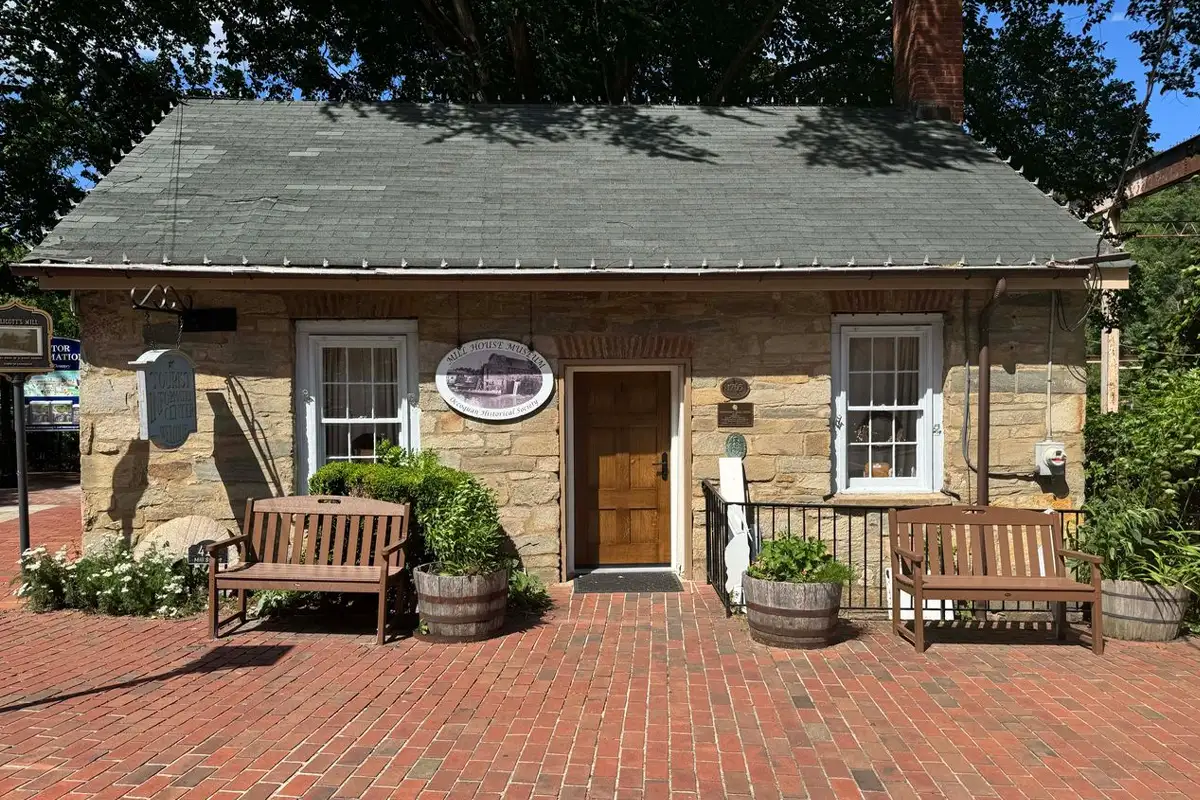
In the 18th century, Occoquan was a thriving port town built along the river that shares its name. Its gristmills and ironworks supplied essential goods to the Continental Army, including grain, weapons, and even cannonballs.
This was a place of production. The town’s strategic location also made it important. Sitting along a vital waterway, it served as a crossing point for goods and people moving through Northern Virginia.
Today, Occoquan’s historic district still reflects its 18th-century roots. The Mill House Museum (circa 1765) stands as a tangible link to the town’s industrial past, while the preserved streets and waterfront hint at its once-bustling role in the colonial economy.
Loudoun Museum and Loudoun County Courthouse
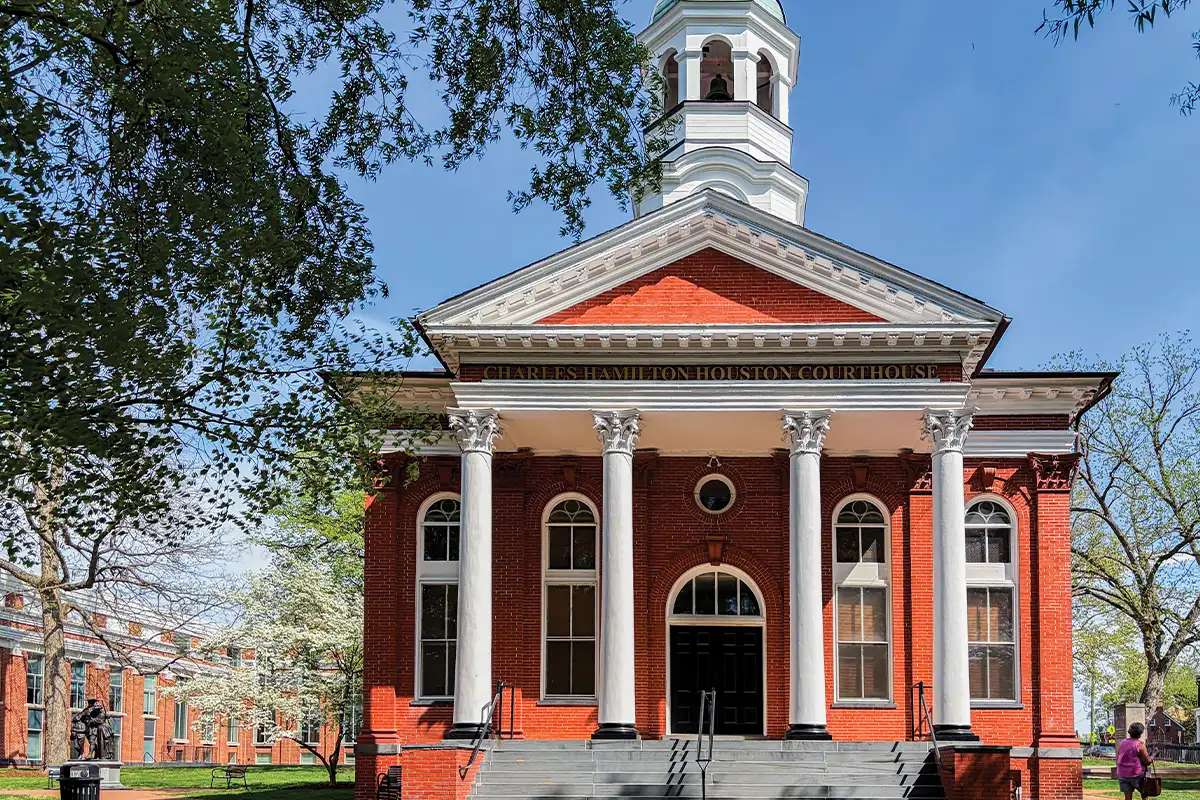
Loudoun Museum and the historic courthouse grounds in Leesburg offer one of Northern Virginia’s strongest connections to the revolutionary era. In June 1774, local leaders gathered here to adopt the Loudoun Resolves, pledging support for Boston and resistance to British rule after the Coercive Acts. It marked Loudoun County’s formal commitment to the Patriot cause.
Leesburg soon became a center of militia activity. Loudoun had more men eligible for militia service than any county in Virginia, underscoring its importance to the war effort. On August 12, 1776, the Declaration of Independence was publicly read from the courthouse steps — the first known public reading in Virginia.
“The whole document was read from the courthouse steps for anybody who was able to come in here and understand exactly what we had signed on for,” says Christoffersen, executive director of the Loudoun Museum.
Today, Leesburg remains an especially patriotic destination, with a festive Fourth of July parade, public readings of the Declaration and special America250 events. The museum will also feature tours, reenactors, and special Loudoun250 programming to help visitors discover hidden revolutionary-era stories throughout town.
“There are still physical pieces of history that you can interact with,” Christoffersen says. “There’s also just a lot of history that took place in the region — this place is powerful.” 16 Loudoun St. SW, Leesburg
A Passport Through History
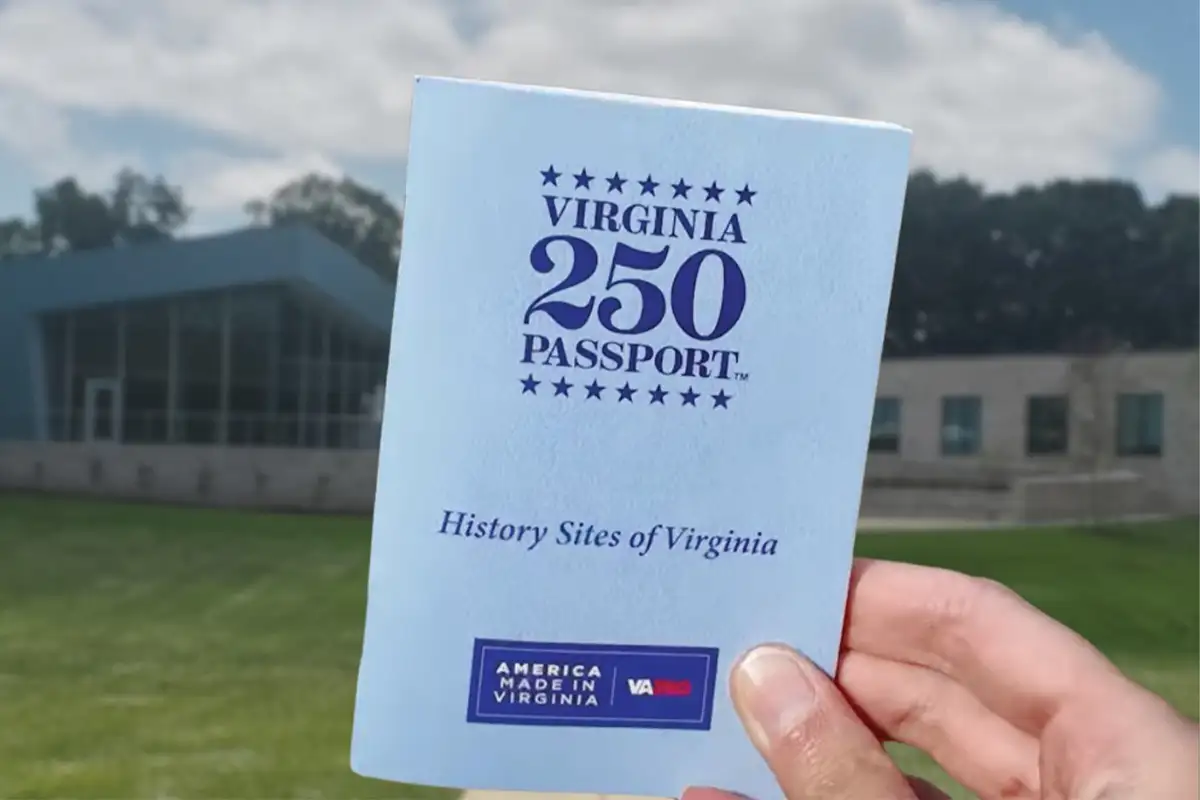
As Virginia marks America’s 250th anniversary, travelers can trace that history through the Virginia 250 Passport, a statewide initiative connecting more than 70 historic sites. Pick up a passport at participating locations, including George Washington’s Mount Vernon, and collect stamps as you go. Passport holders receive a 15% discount at participating sites, and those who visit at least five locations are eligible for prizes.
Feature image courtesy George Mason’s Gunston Hall
This story originally ran in our July issue. For more stories like this, subscribe to Northern Virginia Magazine.