NoVA is a place where time and bulldozers never stand still. Any time a group of Northern Virginians get together, there’s a good chance the conversation will turn to how much the area has changed since they’ve been living here — whether that’s a few years or a few decades.
A look back at the last 60-plus years shows the remarkable speed of the region’s transformation.
Of course, that doesn’t mean it’s been easy. “Change usually comes with a modicum of pain, so some people are naturally resistant to it,” says business journalist Russ Banham. His book, The Fight for Fairfax: Private Citizens and Public Policymaking, chronicles the legal and zoning battles behind Northern Virginia’s journey from a DC bedroom community to a tightly connected economic engine that stands on its own.
To get a sense of our region’s past and future, we spoke with Banham and a host of other area experts including:
Terry Clower, director, Center for Regional Analysis, George Mason University
Beth Erickson, president and CEO, Visit Loudoun
Katherine Hanley, former chair, Fairfax County Board of Supervisors, and current member, Metropolitan Washington Airports Authority
Buddy Rizer, executive director, Loudoun County Department of Economic Development
Jason Stanford, president, Northern Virginia Transportation Alliance
Jennifer Taylor, president and CEO, Northern Virginia Technology Council
Charles Veatch, a real estate developer who first came to Reston in 1964 to work for founder Robert E. Simon, Jr.
They have helped us outline the significant regional developments in the past decades — from Dulles International Airport’s inaugural flight in 1962 to Metro’s Silver Line expansion to reach the airport in 2022 — along with a host of milestones in between that have made Northern Virginia a center of innovation and prosperity.
Jump to: 1960s | 1970s | 1980s | 1990s | 2000s | 2010s | Writer Perspective | Future Forecast
1960s
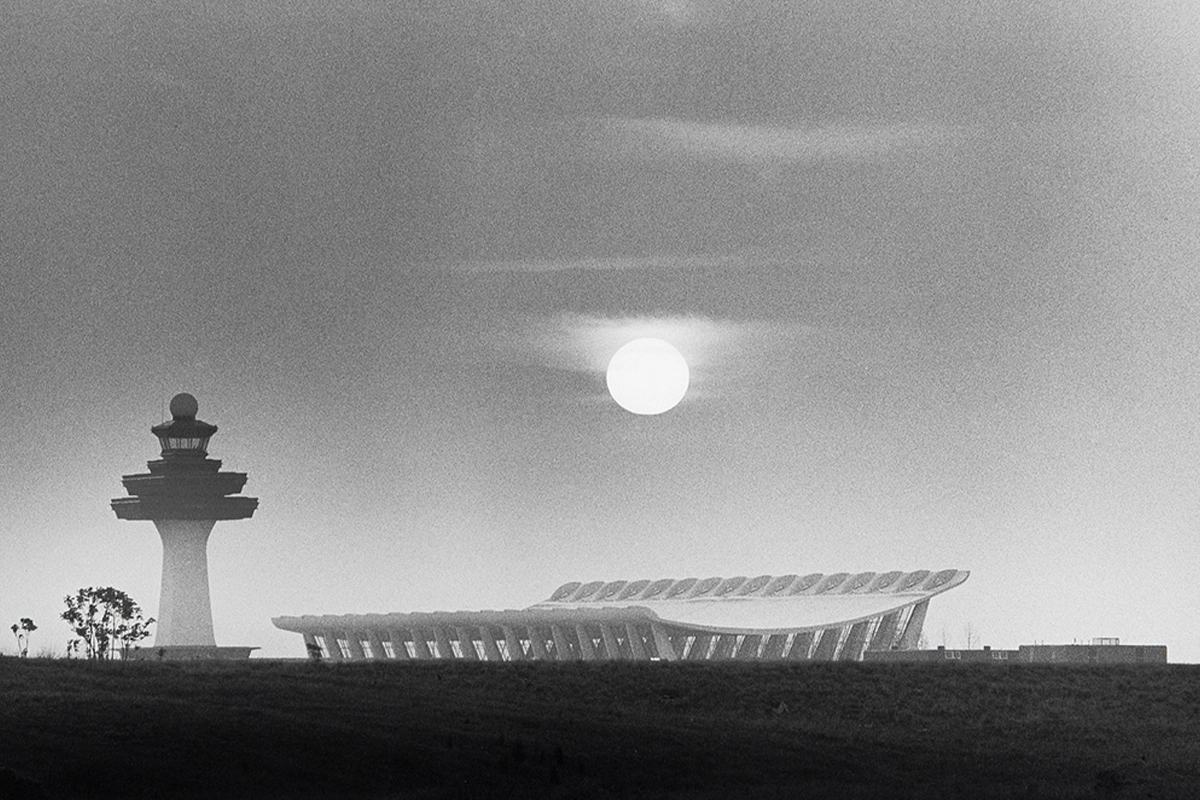
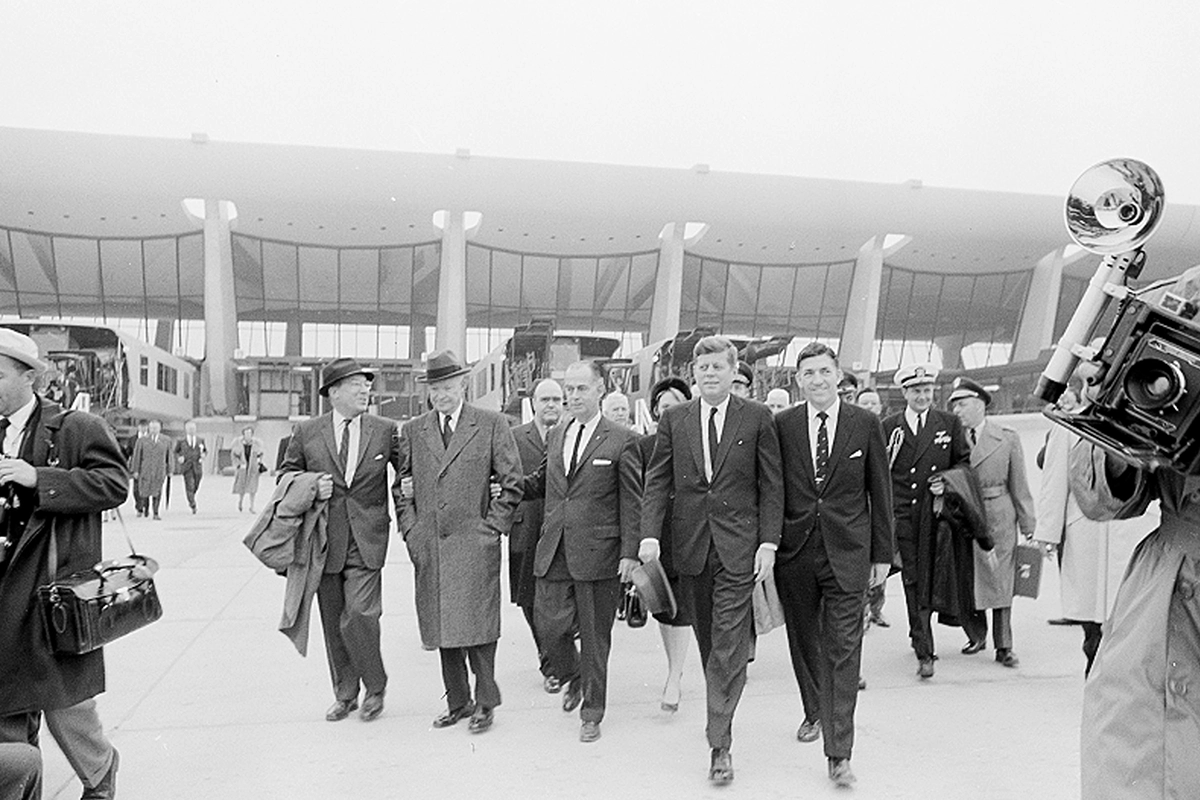
1962: Dulles International Airport Opens
The first airport in the country designed for commercial jets, President John F. Kennedy praises the futuristic terminal, but many consider the location too remote. “Its opening was a catalyst for transformation in Loudoun County, bringing essential infrastructure like water and sewer systems, which in turn attracted business and spurred economic growth. I keep a photo in my office that shows the airport with cows grazing in the foreground — it’s a reminder of how far we’ve come from those rural beginnings,” says Rizer. In 2023, Dulles became the fastest growing international airport in the U.S., according to air traffic statistics released by the Metropolitan Washington Airports Authority.

1964: The Capital Beltway’s Last Section Opens
The final stretch of the Capital Beltway (Interstate 495) completes the 64-mile bypass loop around downtown DC, connecting previously disjointed communities and unifying the entire region. “Critical to the region’s economic growth and success, it connects our three largest jurisdictions — Fairfax, Montgomery, and Prince George’s counties — and some of our largest economic centers, including Tysons, National Harbor, Bethesda, and Greenbelt,” Stanford says. “Without this key transportation investment, it’s impossible to imagine the region as it is today.”
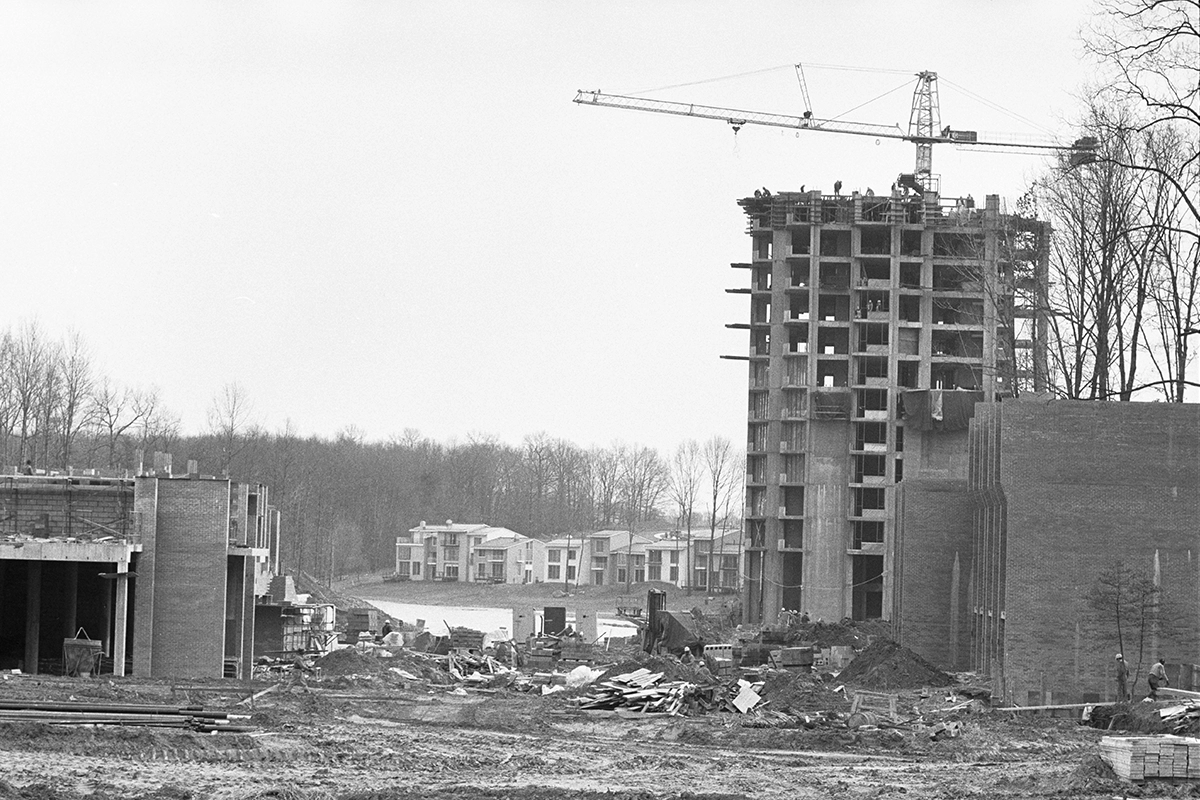
1964: Reston Is Founded
The nation’s first modern planned community makes international headlines. “The original concept was that there would be one job for every household in Reston, but today there are many more people coming to work here than there are home units,” says Veatch. “Reston is second only to Tysons in the state in terms of commercial density, even bigger than Richmond. Metro really changed things, but the higher density belongs along the transportation corridor. It’s about people being open to change. Change is necessary, and sometimes the initial change needs to be changed again.” (Metro arrived in Reston in 2014 and was extended in 2022.) Reston’s population currently exceeds 63,000.
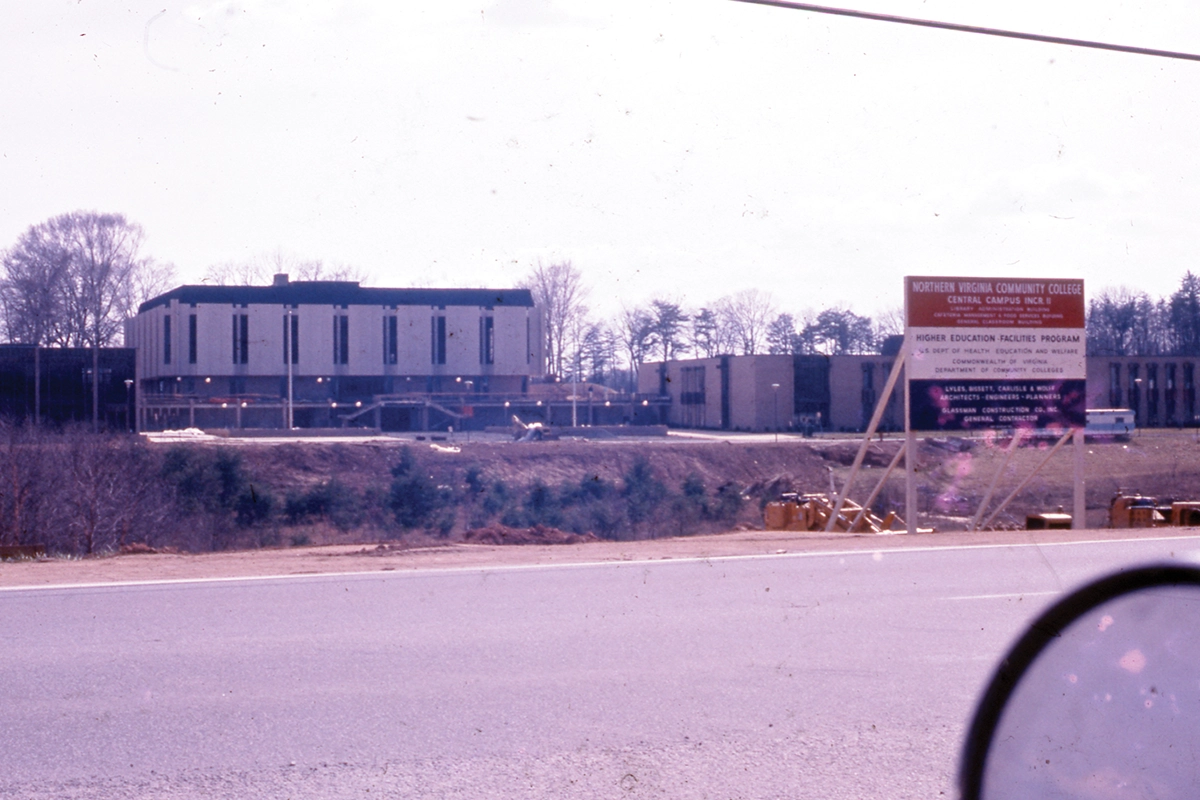
1965: Northern Virginia Community College Gets Its Start
Established as Northern Virginia Technical College, the school holds its first classes with 761 students in a single building in Bailey’s Crossroads. In 1966, the school bought 78 acres in Annandale for what would become the first of six NoVA campuses. Later renamed Northern Virginia Community College and often referred to as NOVA, it offers 160 associate degree and certificate programs and enrolls students from 150 countries.
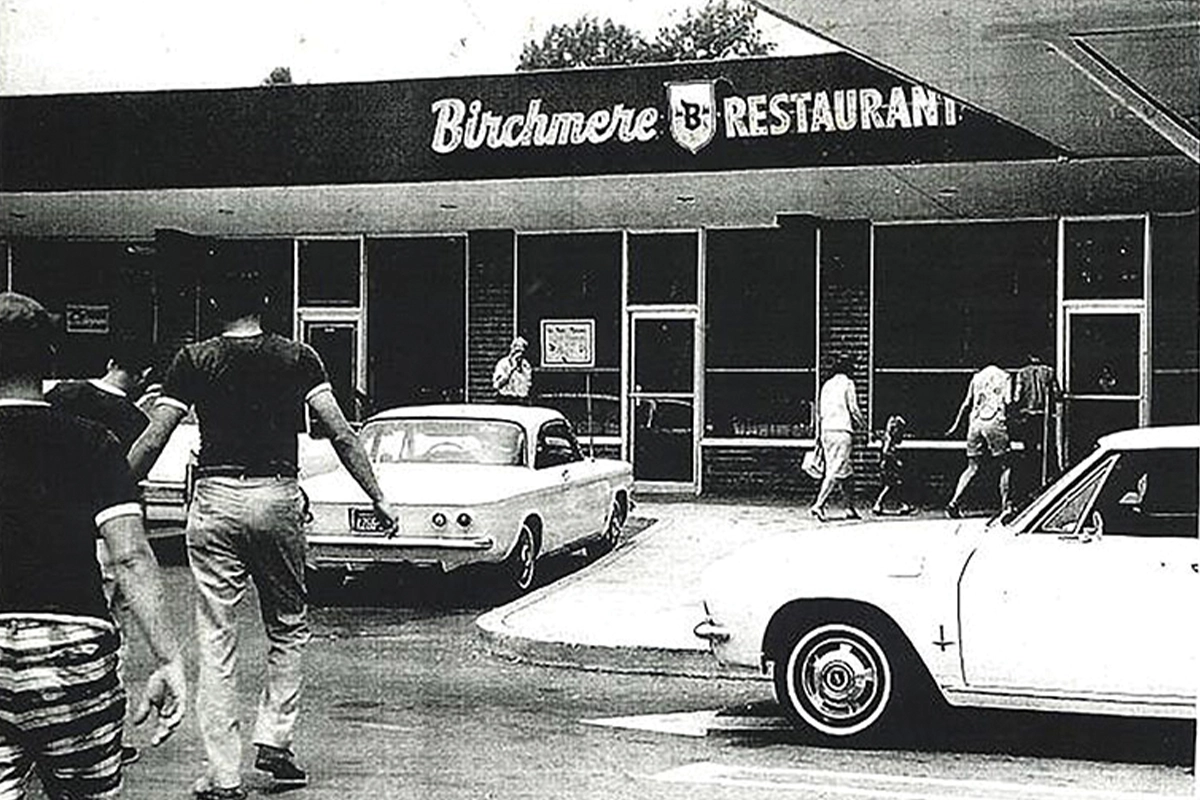
1966: The Birchmere Brings Top Acts to NoVA
Gary Oelze buys an established Arlington restaurant that evolves into a landmark music venue (now in Alexandria). “The music actually began in 1975, when Gary brought bluegrass music to the restaurant,” says Stephen Moore, who co-authored the book All Roads Lead to The Birchmere: America’s Legendary Music Hall with Oelze. “Nearly 50 years later, it’s an international music hall offering wide-ranging genres of A-list musicians.” Ray Charles gave his last public performance at The Birchmere on July 20, 2003.
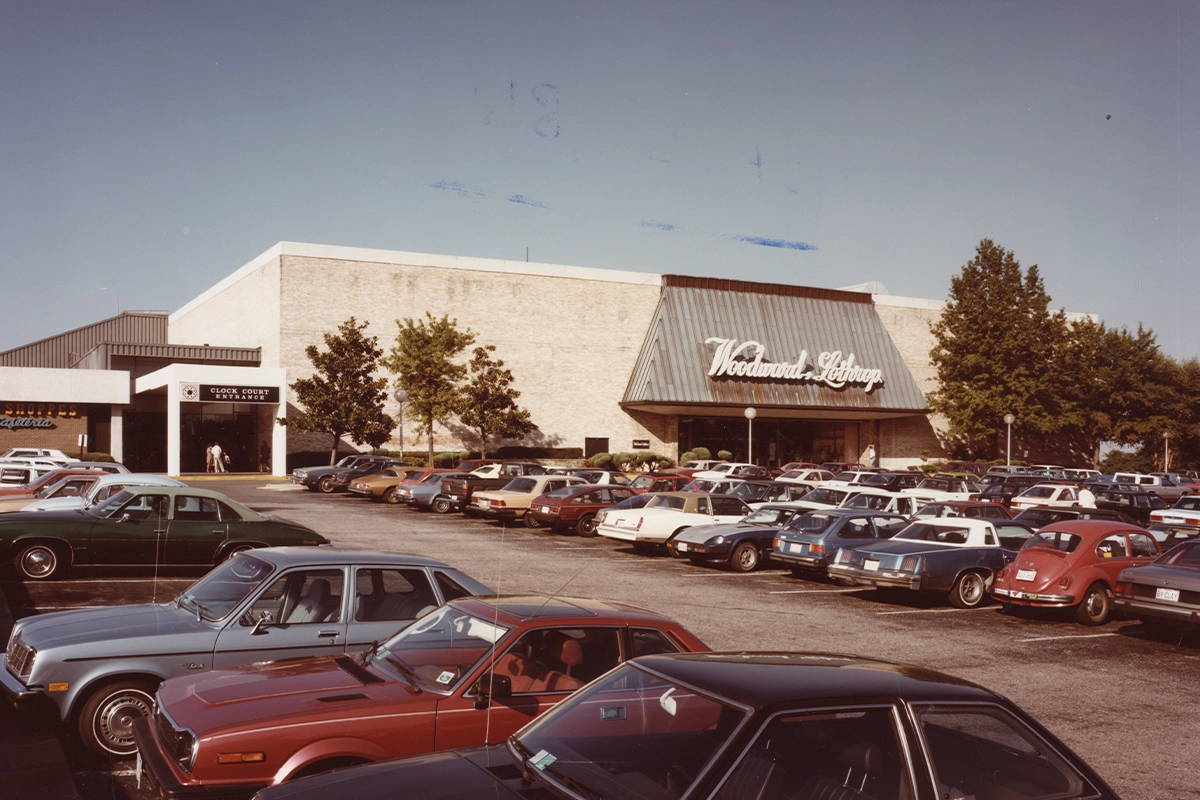
1968: Tysons Corner Center Opens
One of the first super-regional shopping malls in the country, Tysons Corner Center opens with anchor stores Hecht Co. and Woodward & Lothrop. “I lived in the area all my life and remember buying watermelons at Tysons when it was just a two-lane crossing,” says Veatch. Today, Tysons is a walkable, mixed-use, transit-oriented development that attracts more than 25 million visitors a year. It’s been accessible by Metro since 2014. “Getting Tysons on the regional rail system was important, not only for the Dulles Corridor but for the entire region,” says Hanley.
1970s
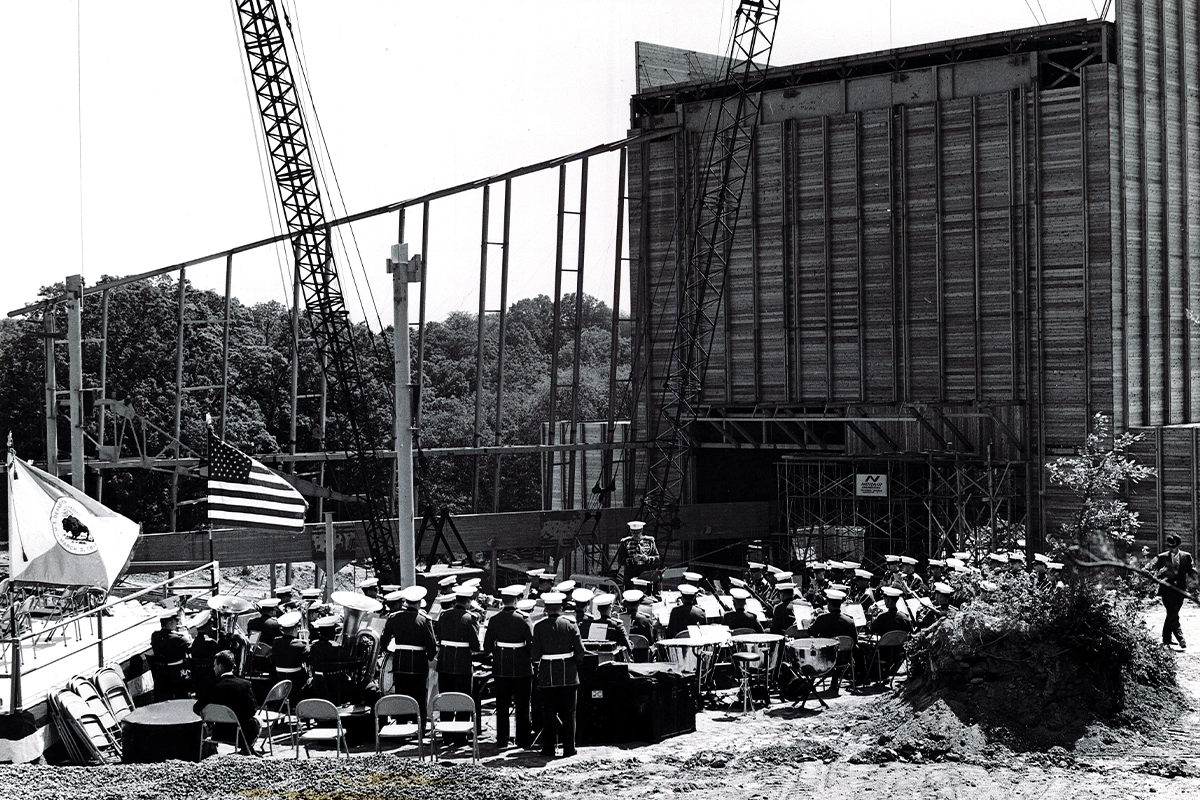
1971: Wolf Trap Farm Park Opens
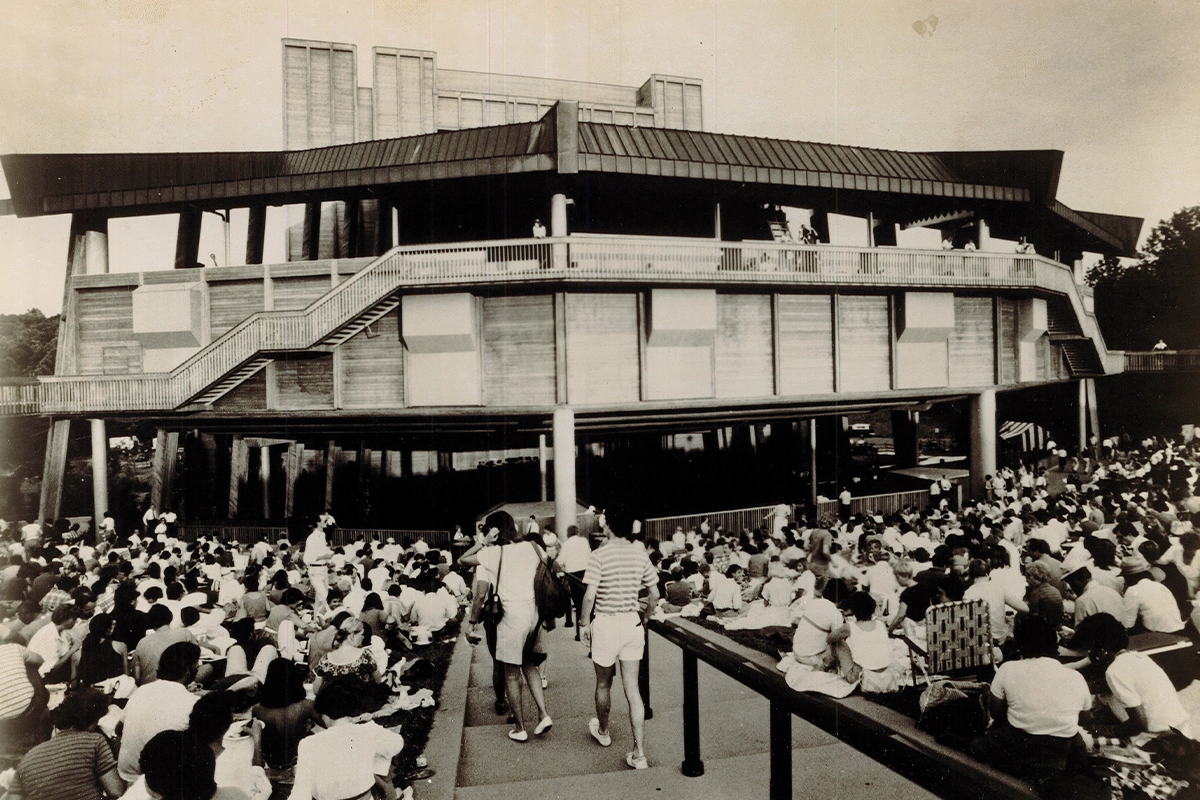
The first and only national park dedicated exclusively to the performing arts, Wolf Trap raises its curtain with performances by the National Symphony Orchestra and the New York City Opera. “Congress changed the name to Wolf Trap National Park for the Performing Arts in 2002, and more than 25 million visitors have experienced live performing arts in this natural setting,” says Wolf Trap park ranger Will Rifenbark.
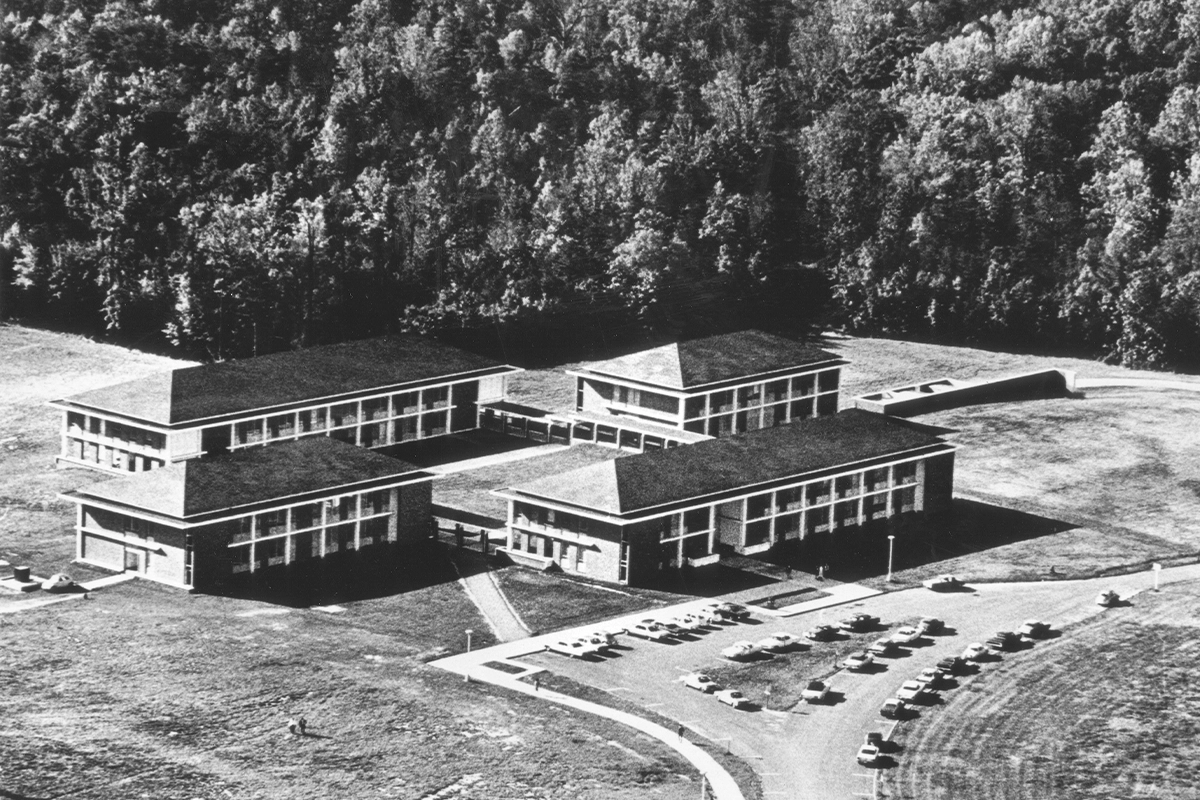
1972: George Mason University Is Founded
Virginia Gov. Linwood Holton signs into law a bill separating George Mason College from the University of Virginia, creating George Mason University. It was “the No. 1 event shaping Fairfax’s future success,” says Banham. “[George Mason] President George Johnson recognized Northern Virginia’s potential. He knew a first-rate university would draw companies to the area, which would then provide high-paying jobs. Johnson could see the future, and the future was technology.” Today, more than 40,000 students attend GMU, the largest public research university in the state.
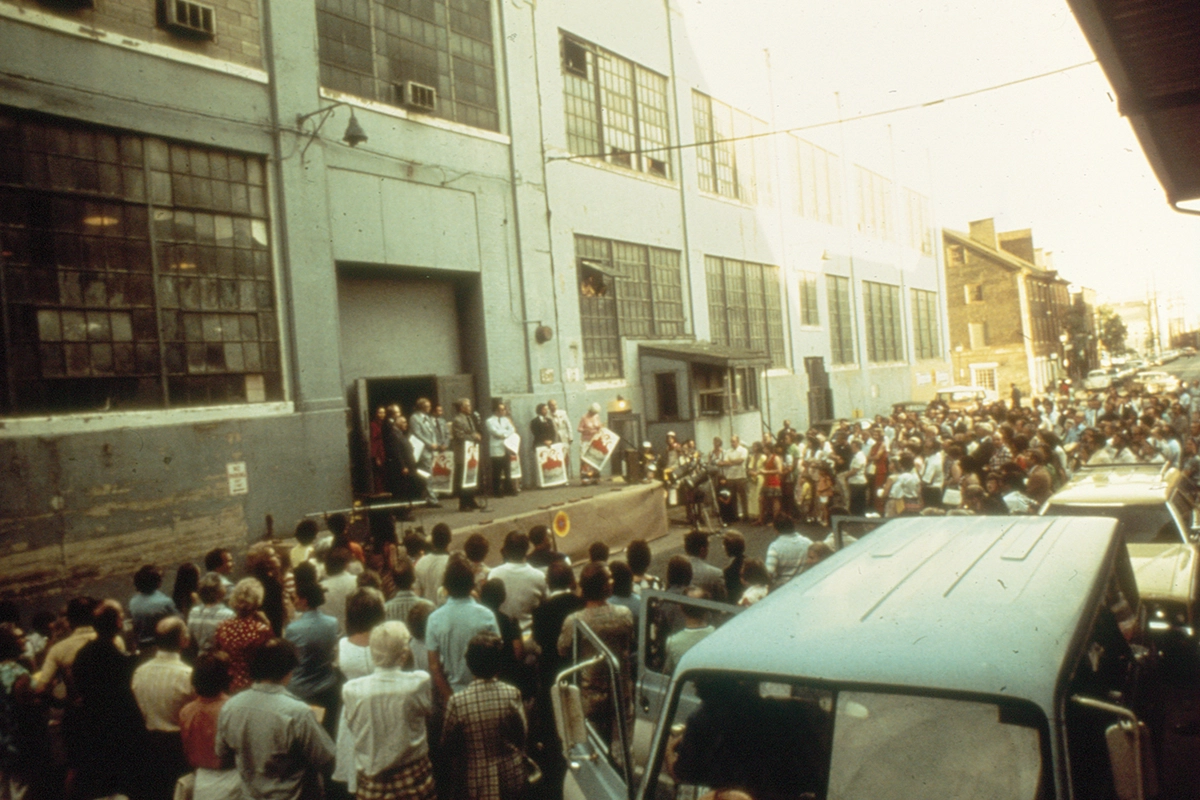
1974: Torpedo Factory Art Center Unleashes Creativity
Alexandria’s Torpedo Factory Art Center transitions to a public space featuring artists’ studios after a long history as a federal munitions plant. Torpedoes displayed in the main hall and river entrances are reminders of the site’s original purpose. An Alexandria landmark, the cultural hub is a huge tourism draw for the city, attracting approximately 500,000 visitors from around the world annually.
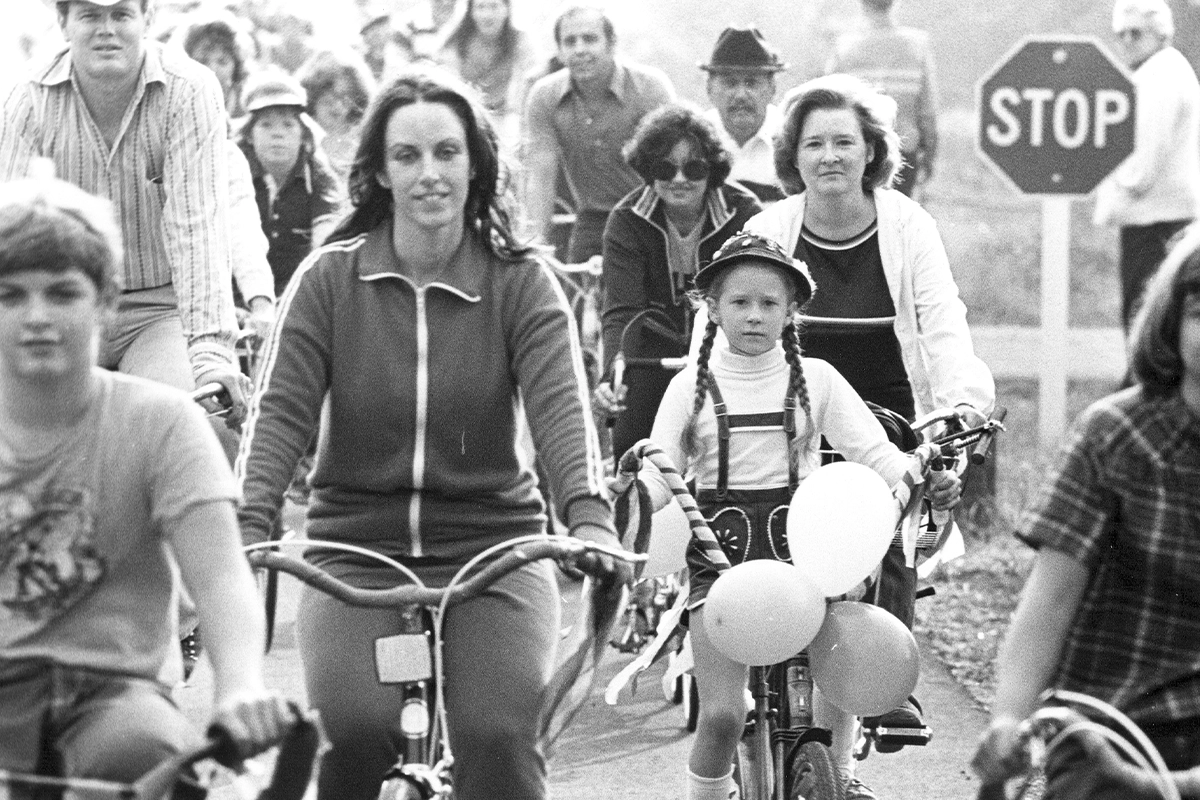
1974: W&OD Trail Connects Communities
Northern Virginia Regional Park Authority (now NOVA Parks) cuts the ribbon on Virginia’s “skinniest park,” a 45-mile stretch of land that formerly connected W&OD railroad stations from Shirlington to Purcellville. “One of the earliest rails-to-trails projects in the country, the heavily used trail provides wonderful fitness and transportation options,” says Hanley. “It’s another quality-of-life enhancement that brings the region together. It was a great investment for all of us.”
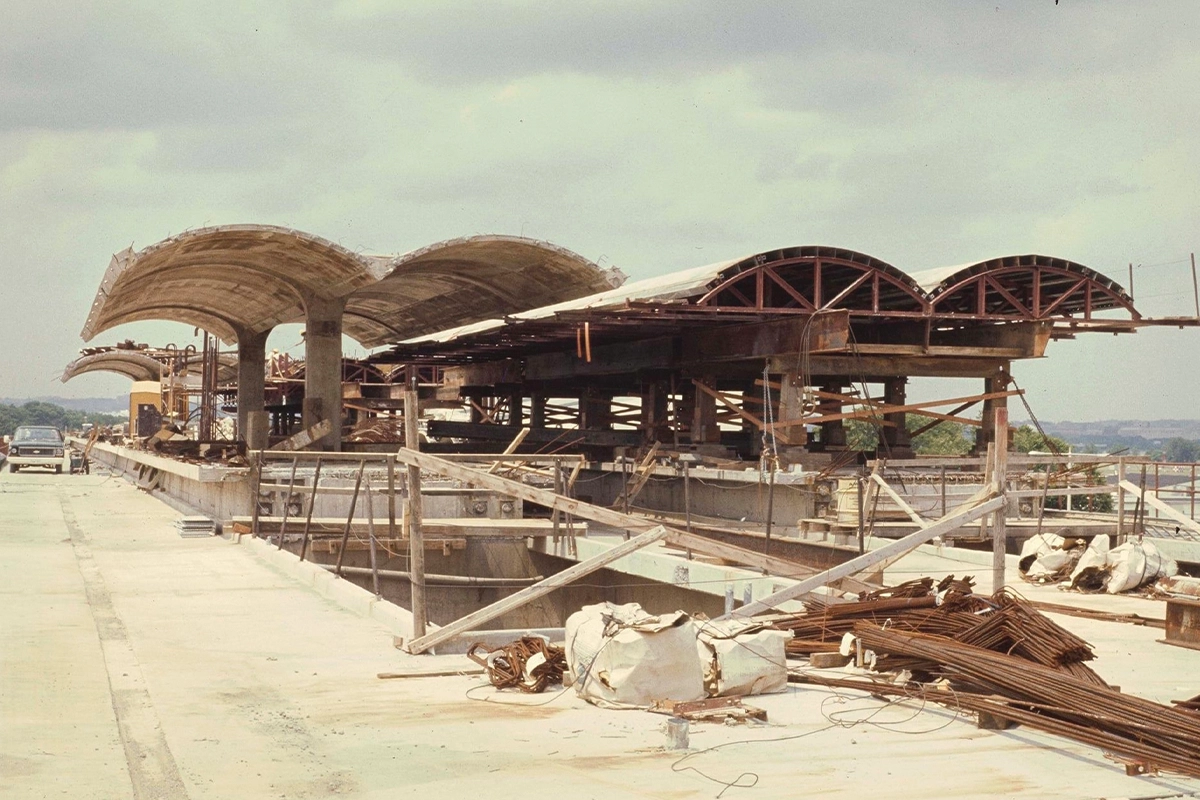
1977: The Blue Line Brings Metro to Virginia
The Washington Metropolitan Area Transit Authority opens the Blue Line, running 11.8 miles and 18 stations from National Airport to Stadium Armory, linking Metro to Virginia for the first time. “Northern Virginia has seen tremendous population growth and economic development along our Metrorail lines since 1977,” says Stanford. “The Rosslyn-Ballston corridor is a testament to the power of transit-oriented development to transform a community. Arlington officials have pointed out that while job and population density have increased dramatically, traffic levels in this corridor are similar to 30 to 40 years ago.”
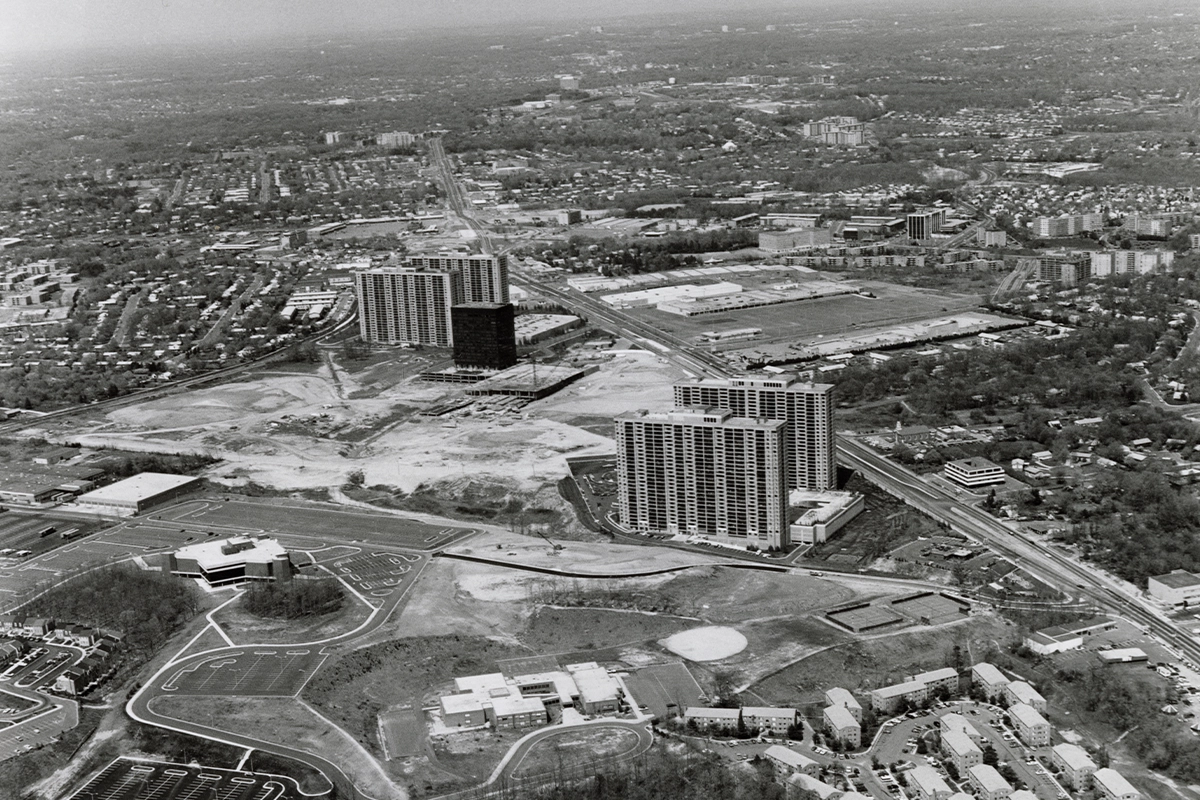
1977: Skyline Shopping Center Opens in Bailey’s Crossroads
The Falls Church Skyline Shopping Center welcomes customers to serve surrounding Bailey’s Crossroads high-rises. The mall was replaced by a Target 25 years later. At its peak, Skyline Shopping Center had more than 30 tenants, including cinemas and a grocery store, but property management told a Washington Business Journal reporter in 2002 that visibility, transportation, and parking issues made it difficult to attract nationally known businesses.
1980s
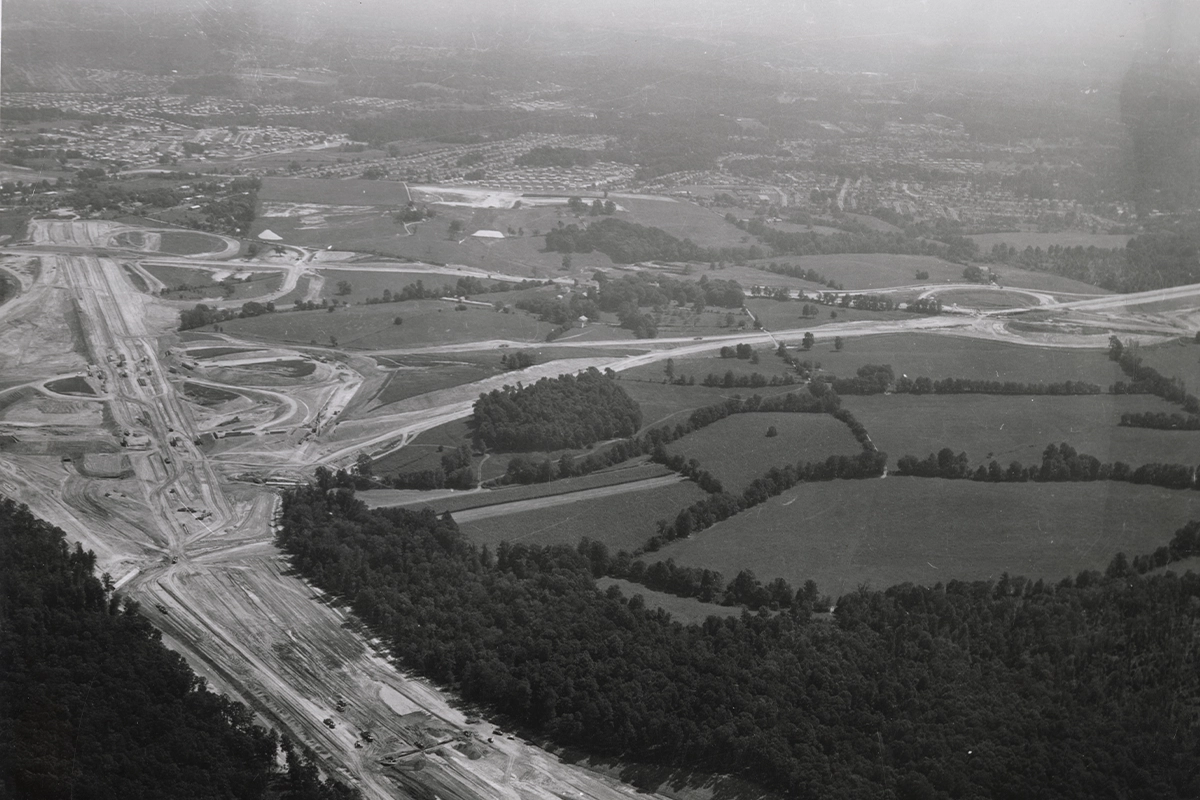
1982: Interstate 66 Inside the Beltway Opens
After years of protest due to many homes and businesses in Arlington being confiscated under eminent domain, the last 10-mile segment of I-66 opens for traffic. “In addition to improving access to Dulles Airport, I-66 makes a much-needed connection between DC, Falls Church, Fairfax City, and Manassas,” says Stanford. “It also acts as a bypass for these communities, especially Arlington and Falls Church, reducing through-traffic demand on local roadways, and makes it easier for Arlington and DC residents to reach jobs in Fairfax County.”
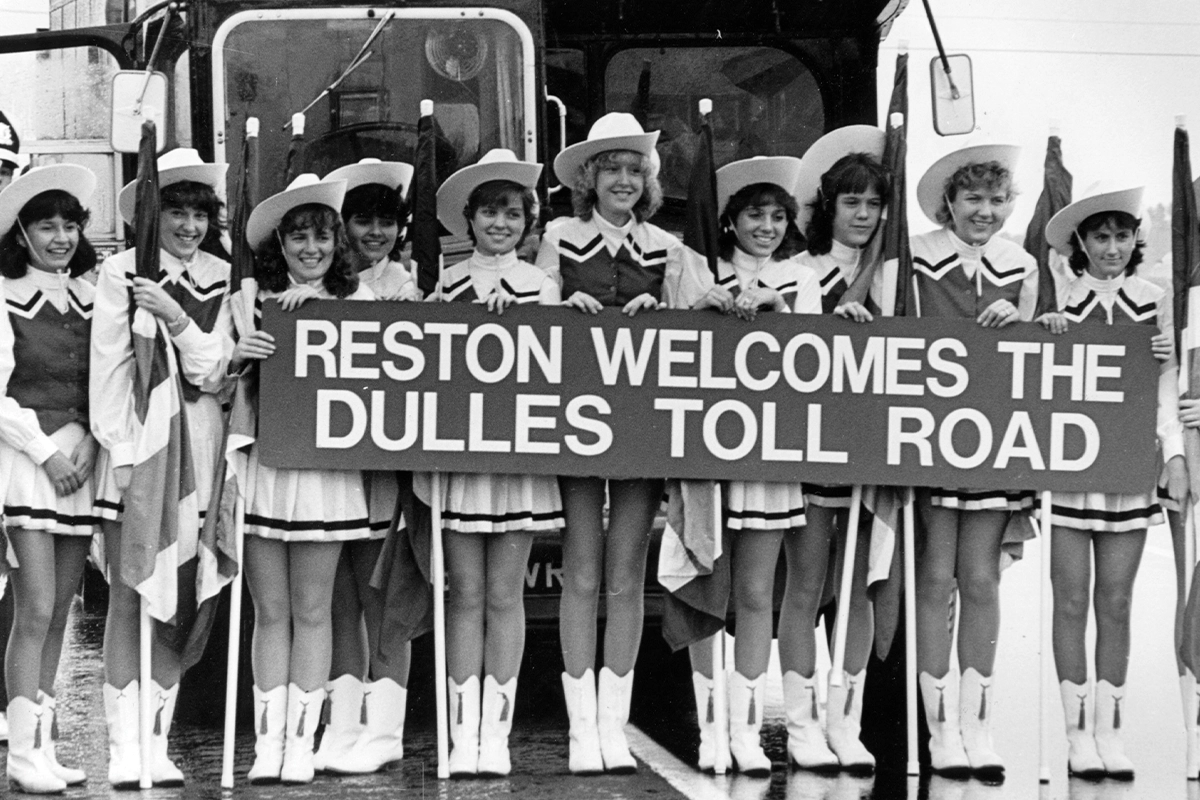
1984: Dulles Toll Road Opens
Virginia Gov. Charles Robb tosses the first quarter into the toll booth collection basket to drive the new 13-mile road linking the Beltway to Loudoun County. “The Dulles Toll Road was crucial in connecting the airport to the region, making it accessible to residents and businesses,” says Rizer. “It opened the door to development along the corridor, creating opportunities for commercial growth and making Loudoun County more attractive to companies looking to relocate.”
1984: Willowcroft Farm Vineyards Jumpstarts Loudoun’s Wine Legacy
Loudoun’s first winery opens 15 minutes from Leesburg and wins awards with its debut wines. “Loudoun’s wine industry started with Willowcroft,” says Erickson. “Now numbering more than 50, Loudoun’s wineries helped define the county as a tourism and hospitality powerhouse in Virginia and the mid-Atlantic area, making Loudoun the No. 1 generator of visitor spending in the commonwealth of Virginia.”
1985: Plans to Develop Ashburn Farms Permitted
Loudoun County Board of Supervisors allows developers to begin work on Ashburn Village, a 5,000-home planned community near an existing rural enclave called Ashburn, population 200. “Ashburn Farms marked the beginning of modern-day Ashburn,” says Rizer. “It brought with it the infrastructure and residential growth that laid the foundation for the vibrant community we see today. It was a key step in the transformation of Loudoun from a rural area to a bustling suburban and business hub.” Ashburn’s population today exceeds 46,000.
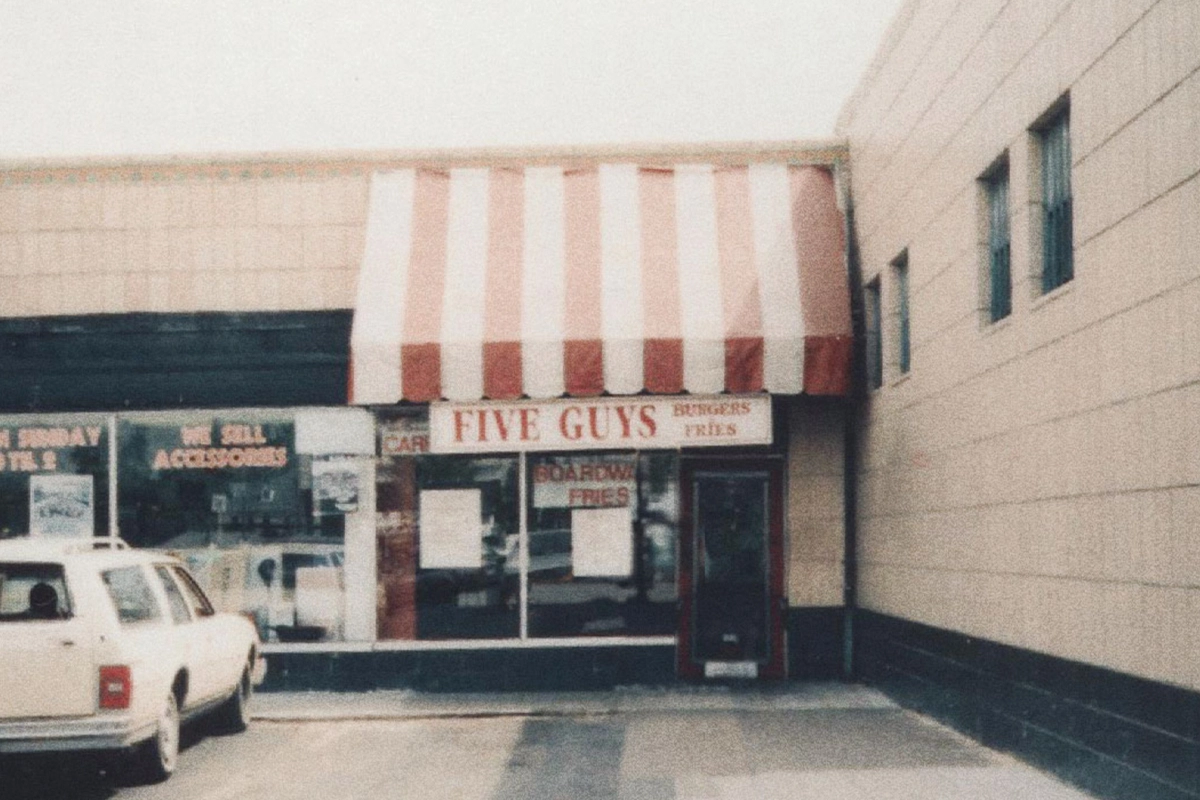
1986: First Five Guys Opens in Arlington
The first location of the now-international chain serves its first burgers in a strip mall on Columbia Pike in Arlington. Janie and Jerry Murrell founded the company; Jerry and the couple’s four sons are the original “Five Guys.” The Murrells had a fifth son in 1987, and today all five sons are involved with the business, which has grown to more than 1,900 locations worldwide. “We have so much appreciation for Arlington taking the risk on a burger joint that was new to the scene in 1986,” says Brooke Blankenship, public relations and marketing coordinator for Five Guys.
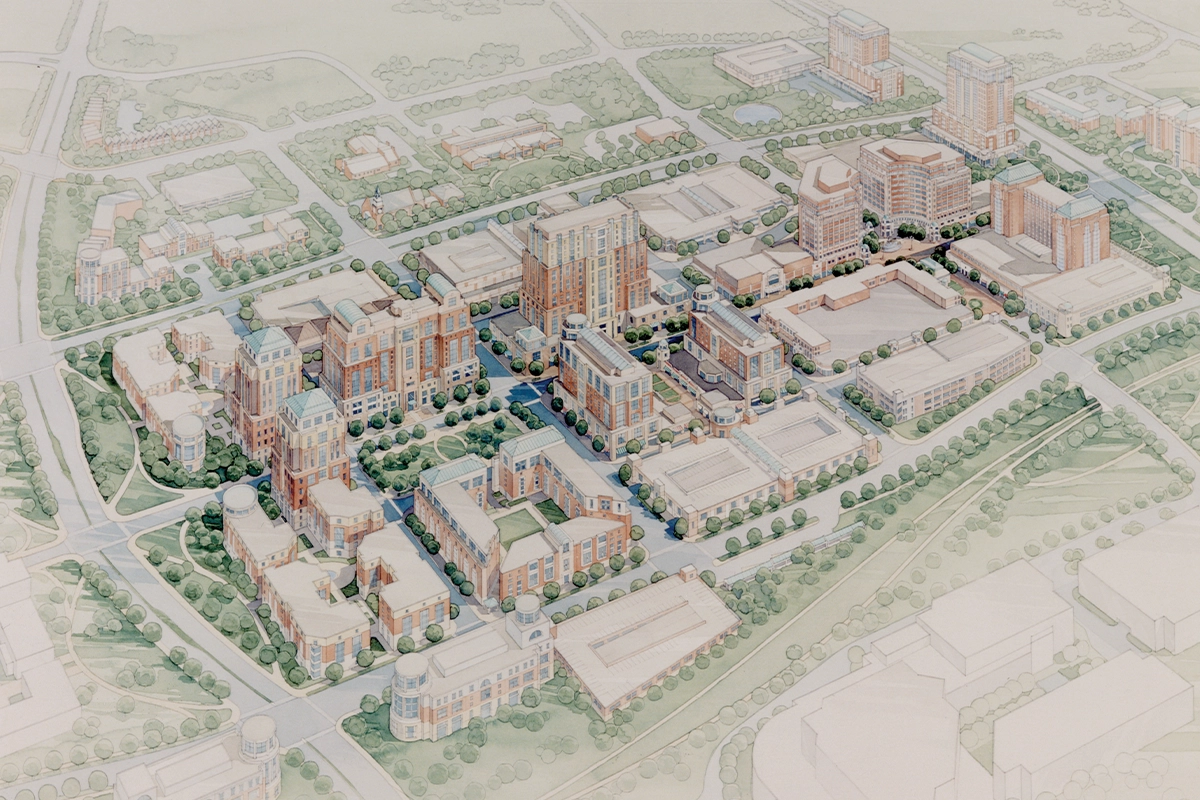
1988: Reston Town Center Breaks Ground
Bulldozers clear cedar fields to make way for a dense, mixed-use urban downtown that was always a part of Robert E. Simon Jr.’s master plan. The first phase opened in 1990, with a 14-story Hyatt Regency hotel, shops and restaurants, and a multiscreen movie theater. The first tenants included Rolls Royce Inc. and Molson Breweries USA Inc. “Reston Town Center became what its name intended — the area’s focal point,” says Banham.
1990s
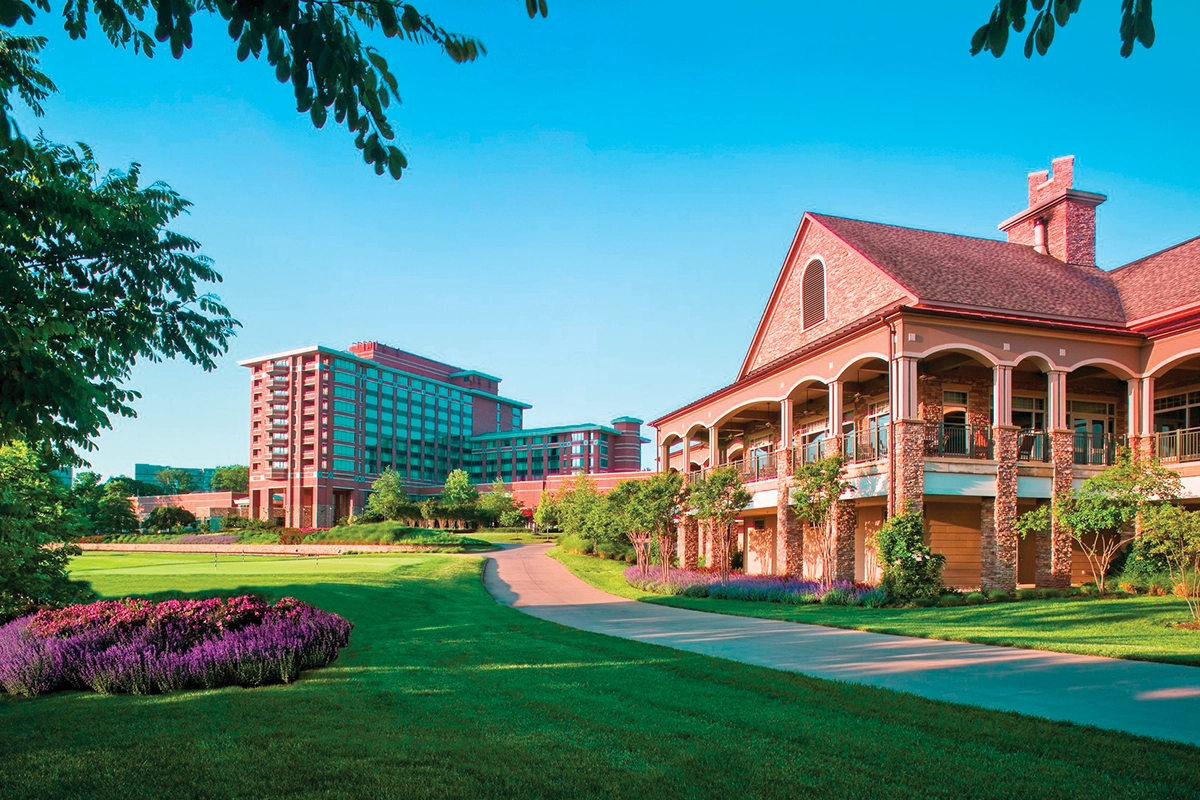
1991: Lansdowne Resort Opens in Leesburg
Lansdowne Conference Resort (now Lansdowne Resort) opens on 476 acres overlooking the Potomac River. Today, amenities at the AAA Four Diamond property include a championship golf club, destination Spa Minérale, pools, event and conference venues, four restaurants, a health club, and racket sports facilities. “Lansdowne’s opening helped position Loudoun as a destination for meetings, weddings, and events,” says Erickson. More than 2,155 homes were built in the adjoining community, Lansdowne on the Potomac.
1992: Server Farm MAE-East Is Established
The Metropolitan Area Exchange, one of the world’s first internet exchanges, moved to Loudoun in 1998, two years after AOL made its move to Dulles. “MAE-East was a game-changer for the region, putting Ashburn on the map as a key player in the emerging internet age,” says Rizer. “It laid the groundwork for Loudoun to become the world’s data center capital, where much of the global internet traffic now passes through.”
1995: Dulles Greenway Changes Road Projects
The six-lane, 14-mile road between Leesburg and Dulles International Airport opens as the first toll highway in the U.S. to be developed under a public-private partnership. “The Greenway revolutionized the way that roadway improvements could be funded in Virginia and paved the way for future public-private partnerships on I-95, I-495, and I-66,” Stanford says. “The Greenway also forms a critical part of the Dulles Loop, including Route 50, Route 28, and Route 606, which have all supported further growth and economic development in Fairfax and Loudoun counties.”
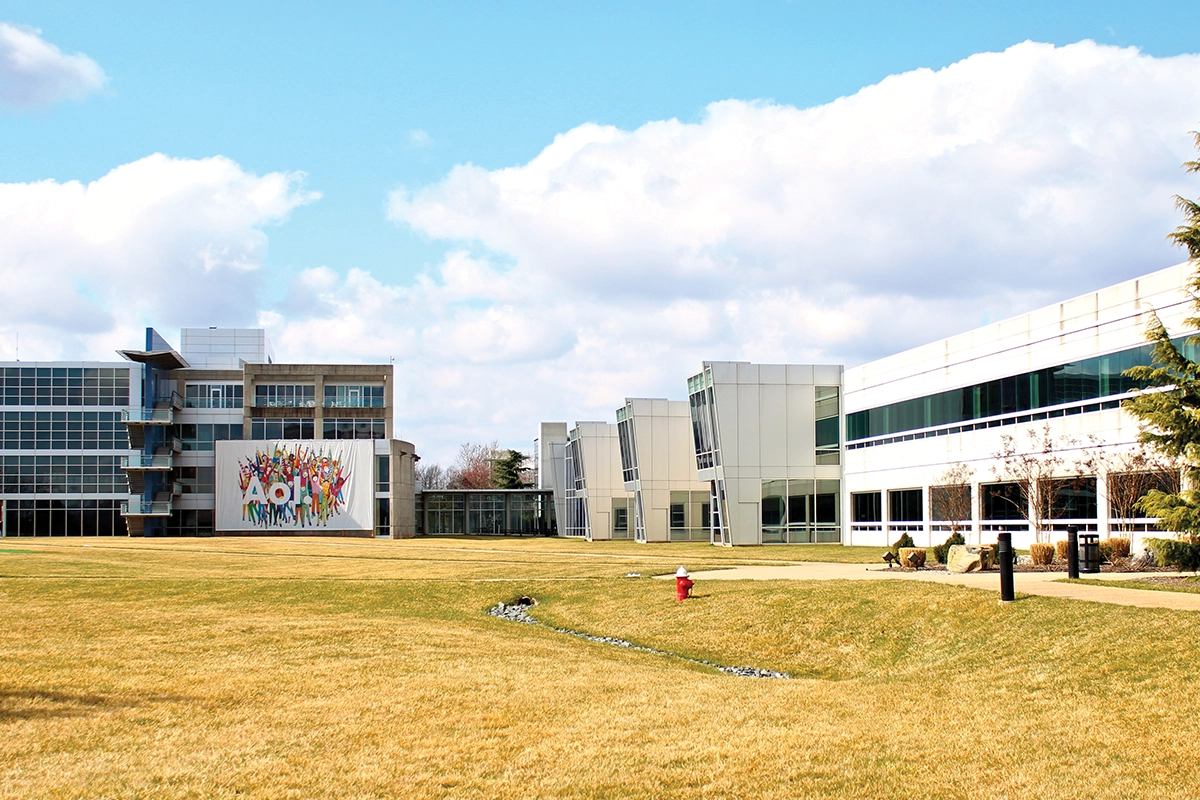
1996: America Online Moves Its Headquarters to Loudoun
AOL’s move from Vienna to Dulles spurs a wave of data center development in Loudoun County. “AOL’s move to Loudoun was transformative,” Rizer says of the area now known as Data Center Alley. “It cemented the area’s reputation as a tech hub, attracting other tech companies and data centers and a highly educated workforce. When AOL left in 2007, we definitely had some concern about economic impact, but Loudoun had already diversified and continued to grow, buoyed by the booming data center industry.”
2000s
2001: Lorton Reformatory Closes
Established in 1910 as a Virginia-based penitentiary for the DC Department of Corrections, Lorton Reformatory transfers its last inmates to other institutions and closes. Buying the land for public use, Fairfax County removed the fences and restored the historic buildings, and the site now houses the Workhouse Arts Center, with classes in ceramics, photography, painting, theater, film, and more. “It was an exciting change to have an arts facility in that part of the county, close to Prince William,” says Hanley.
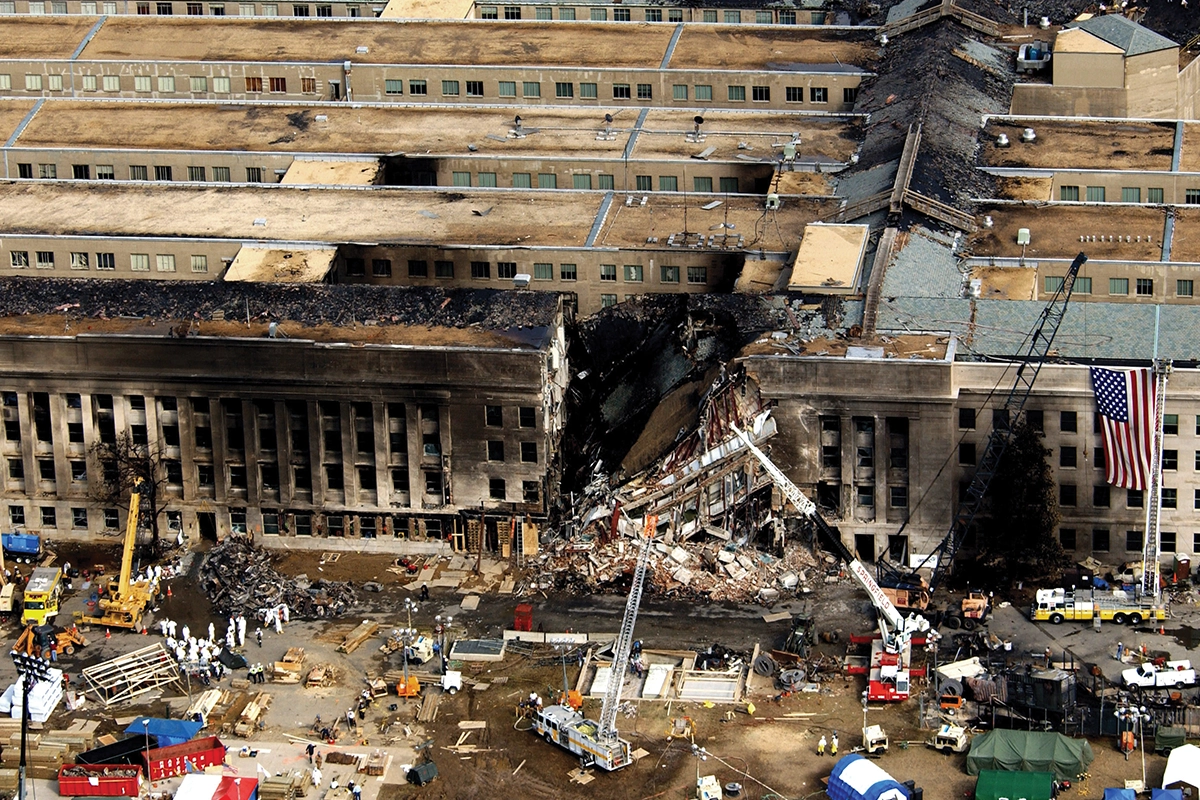
2001: Pentagon Attacked on 9/11
Terrorists fly a U.S. commercial aircraft into the Pentagon, killing 184 people. Along with the coordinated events in New York and Pennsylvania, 9/11 constituted the deadliest terrorist attack on American soil and prompted the formation of the Department of Homeland Security and the Transportation Security Administration, adding to the area’s federal workforce and revamping how we travel. “Of course, I was worried about protecting Metro and the safety of the transit system,” says Hanley. “At the same time, I was also concerned that this would tear the fabric of a wonderful, diverse community that was pretty well woven together.”
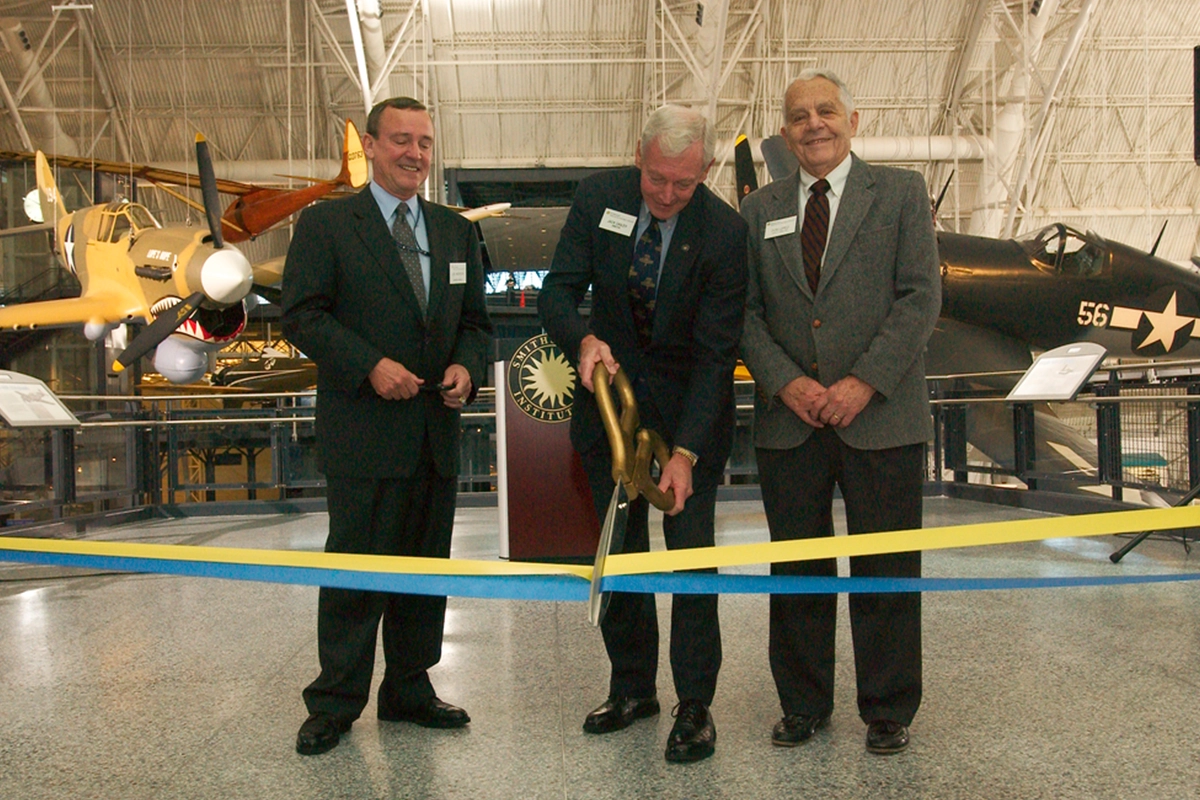
2003: Steven F. Udvar-Hazy Center Opens
The Smithsonian’s second air and space museum brings aviation history to a spot near Dulles International Airport. Named after donor Steven F. Udvar-Hazy, some of the museum’s most popular holdings include a Lockheed-71, the Boeing B-29 Superfortress Enola Gay, the Concord, and the Space Shuttle Discovery. “The Udvar-Hazy Center enhanced Loudoun’s cultural landscape and tourism, drawing visitors from all over the world,” says Rizer of the Chantilly museum. “It also solidified the region as a significant contributor to national heritage and education in aerospace.”
2010s to Present
2011: Lost Rhino Opens in Loudoun
More than two decades after Old Dominion Brewing Company was founded in Ashburn, the craft brewery trend takes off with the arrival of Lost Rhino. Although it was Loudoun’s first brewery in 1989, Old Dominion moved to Delaware before closing permanently. “Loudoun’s craft beer movement truly began with the opening of Lost Rhino Brewing Company in 2011,” says Erickson. “In 2014, the Virginia General Assembly passed legislation that expanded opportunities for breweries to be in agricultural areas, which led to locally grown or locally sourced agricultural product becoming a hallmark of Loudoun craft beer production. The LoCo Ale Trail now has 30-plus breweries.”
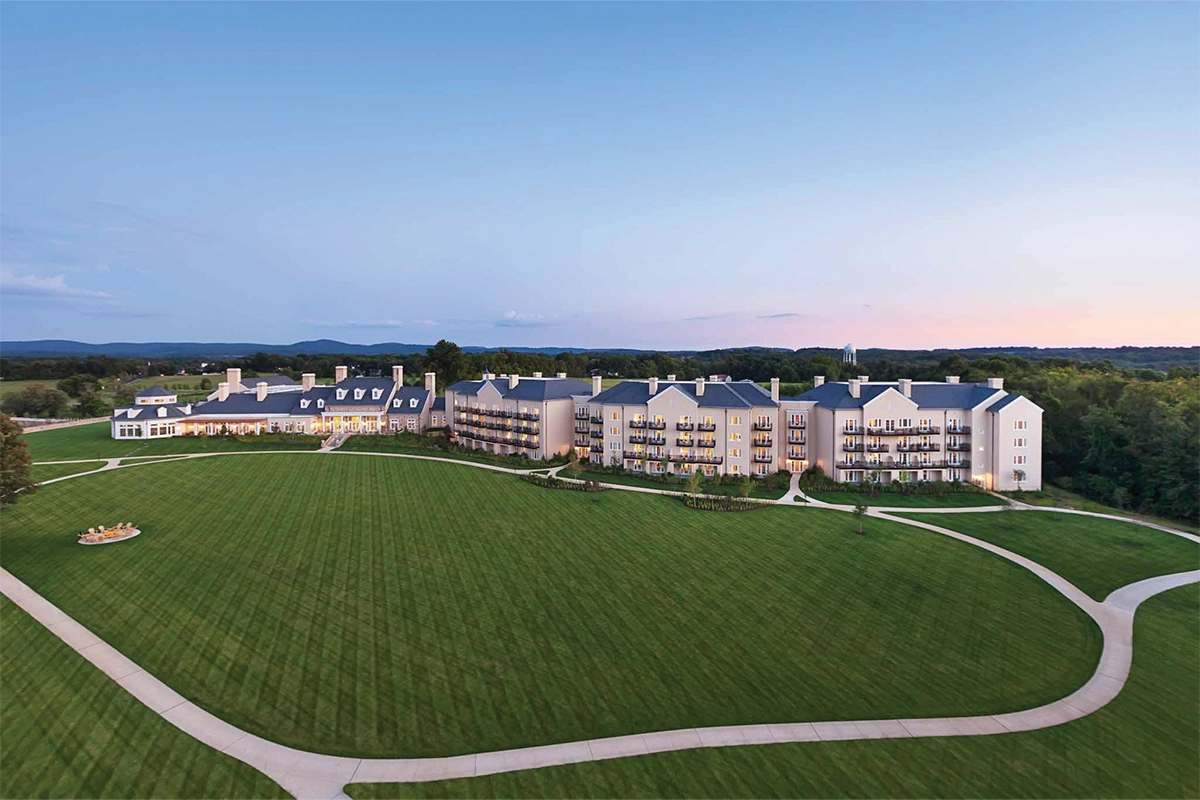
2013: Salamander Resort & Spa Opens
Billionaire entrepreneur Sheila Johnson takes luxury to a new level in Middleburg after a battle over zoning in the small town. Today, the 168-room resort (now Salamander Middleburg) on 340 acres in the heart of horse and wine country has become a large Loudoun County employer and a major tourism draw for NoVA. “We’re very excited that this year, Salamander Middleburg earned its third five-star rating by Forbes — the resort, the spa, and Harrimans restaurant — becoming one of the few properties in the world with a triple distinction,” says Erickson.
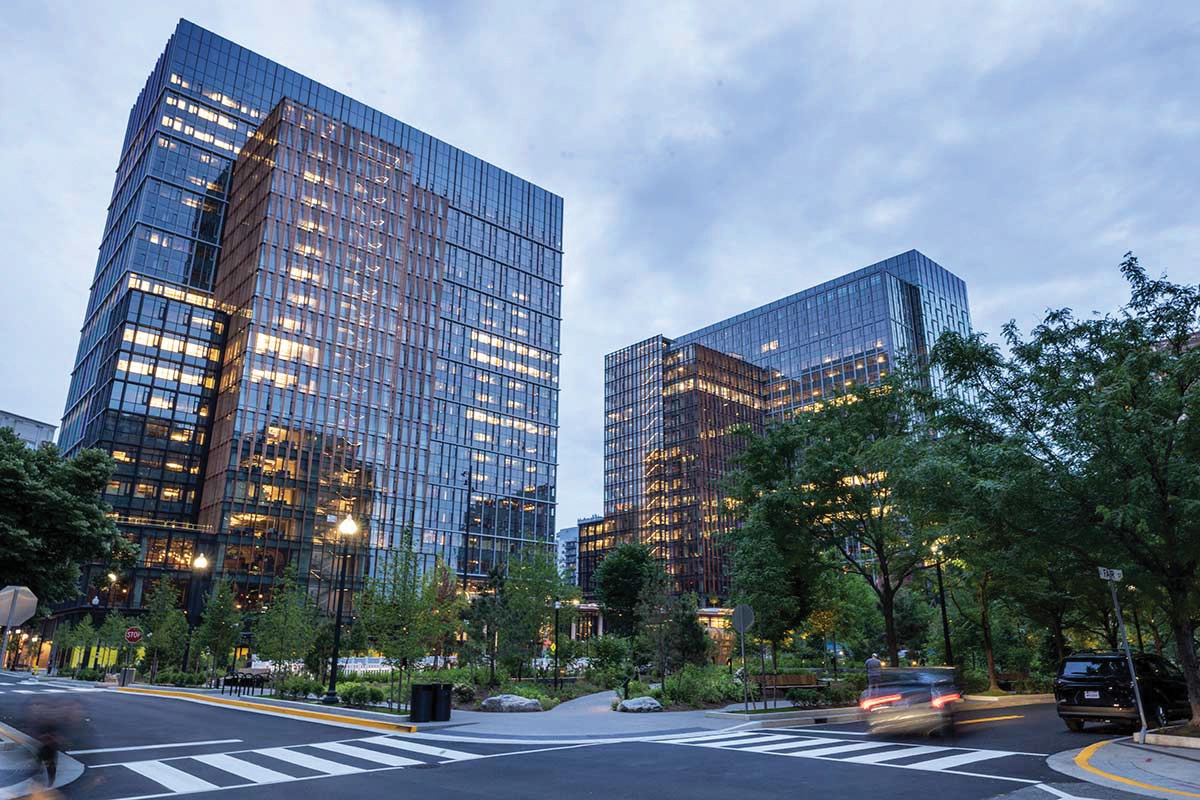
2018: Amazon Announces Plans for HQ2 in Arlington
The tech giant picks Crystal City as the home for its second headquarters. Near HQ2 will be Virginia Tech’s Innovation Campus, which is set to open in January 2025. “Amazon’s decision to establish its second headquarters in Arlington has already boosted the region’s economy, created thousands of jobs, and driven infrastructure development and innovation,” says Taylor. The first phase opened in June 2023. “I’ve watched Amazon’s two new buildings, Jasper and Merlin, along with the surrounding parks, housing, and retail offerings, revitalize an area that was once quiet. It’s inspiring to see how an innovative company can transform a community into a vibrant place where people want to live and work.”
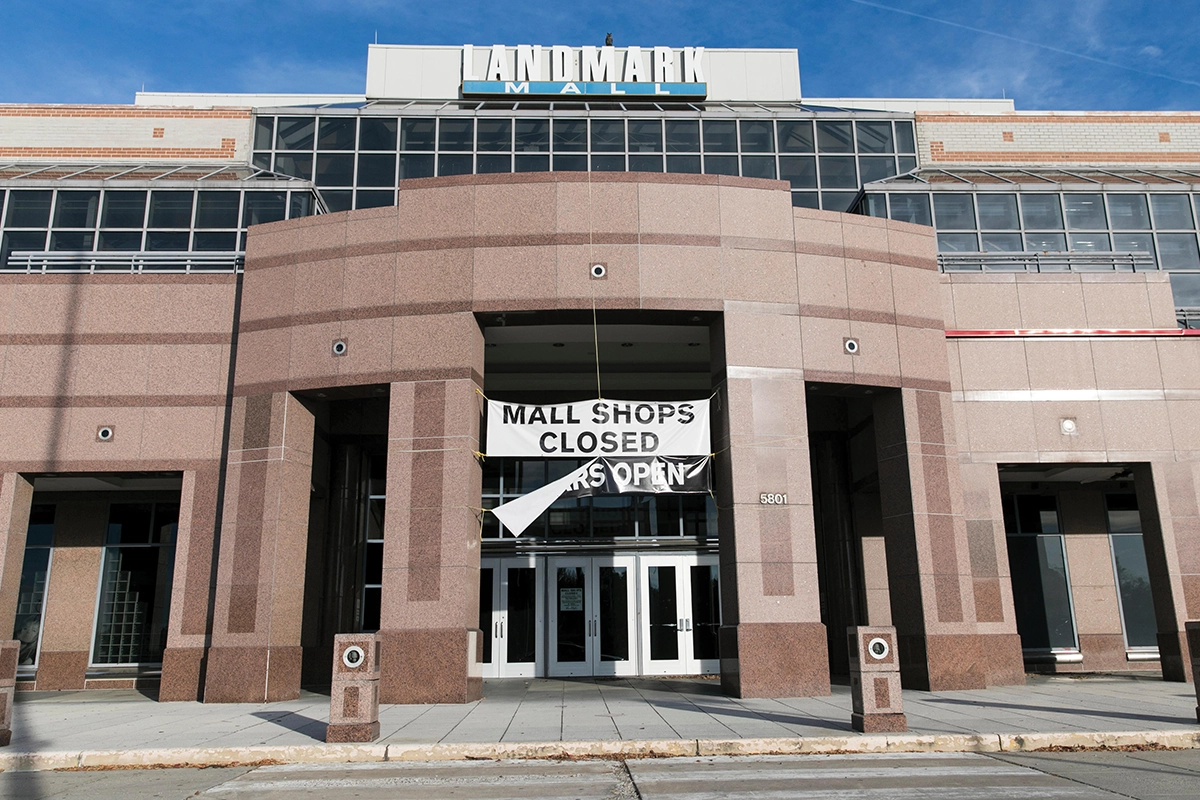
2020: Demolition Slated for Landmark Mall
Plans are announced to redevelop the languishing mall, built in 1965 and shuttered in 2017. Demolition began in 2022. Rebranded as WestEnd Alexandria, the site — one of NoVA’s biggest development projects at 5.6 million square feet of development — will become a walkable, mixed-use community and new home of Inova Alexandria Hospital. Inova broke ground for the hospital in September. It’s expected to be completed in 2028.
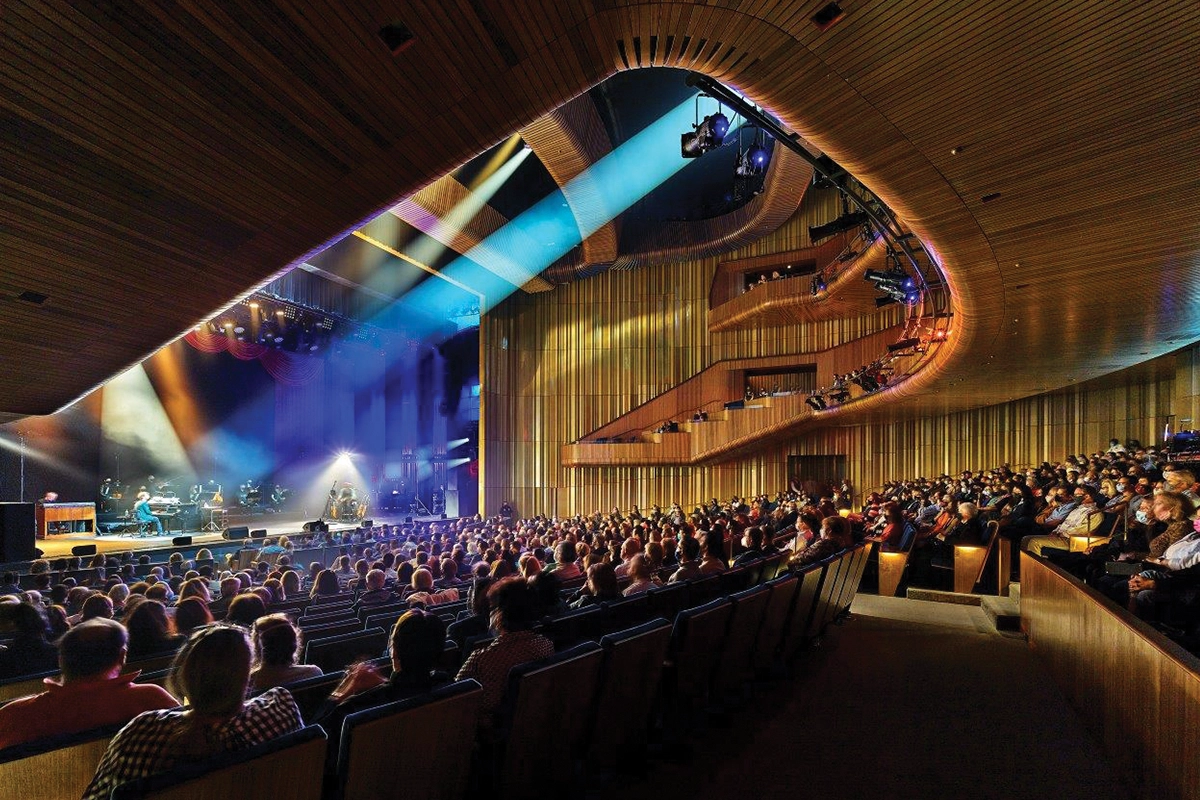
2021: Capital One Hall Opens in Tysons
Capital One Hall becomes one of NoVA’s newest performing arts destinations. The hall is the cornerstone of the Capital One Center development in Tysons, which is home to two theaters and 70,000-plus square feet of meeting and event space. Besides hosting corporate events and nonprofit arts organizations, the hall is used for Broadway shows, ballet, comedy, and live music performances.
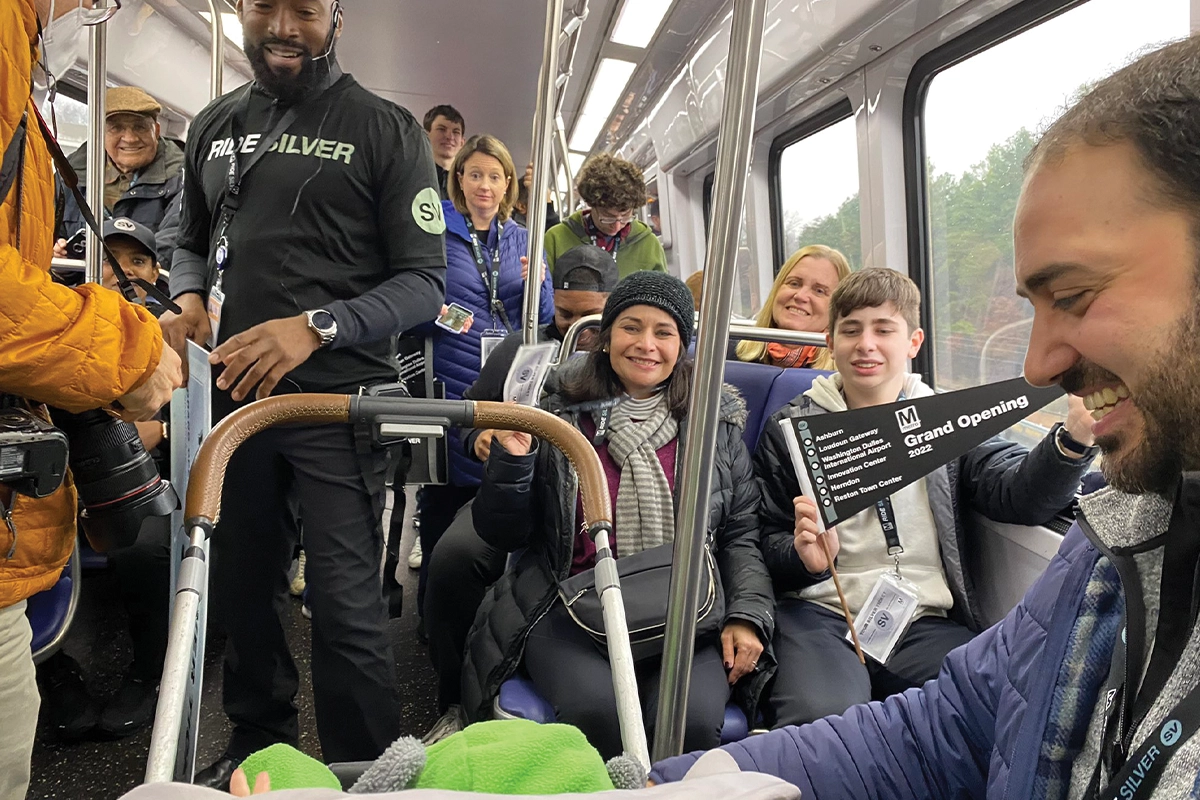
2022: Silver Line to Dulles Connects Region
The Silver Line Extension, connecting customers to Dulles International Airport and providing new service between Reston and eastern Loudoun County, marks the completion of the Silver Line project. “Big projects take a long time, and the realization of good plans take a long time if they are going to be encompassing,” says Hanley. Rizer calls the extension “transformative for Loudoun. … The Silver Line improves accessibility to the DC metro area, making it easier for residents and businesses to connect to the broader region. This will continue to drive growth in both residential and commercial sectors.”
Feature image by Robert Knudson, White House Photographs, John F. Kennedy Presidential Library and Musuem, Boston
This story originally ran in our December issue. For more stories like this, subscribe to Northern Virginia Magazine.