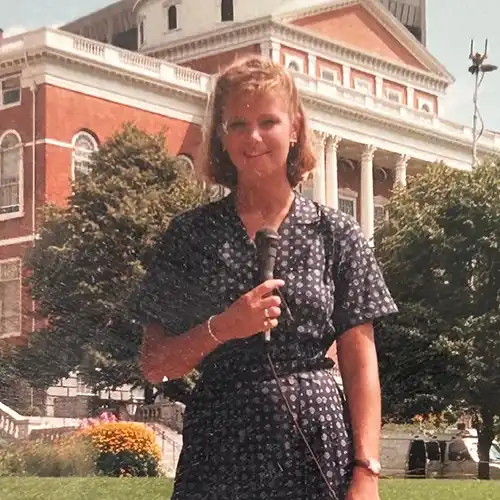

She looks like a stylish soccer mom, or one of the room mothers you’d meet at Bunco night. We sit in a tiny Japanese restaurant in Alexandria and talk over raw fish and teriyaki. Bits and pieces of the bustling lunchtime crowd’s conversations float by and I wonder if others pick up parts of ours.
“On a calm day when I wasn’t being terrorized …” she says at one point. “We were always guarded by six to 30 men — heavily armed at all times …”
Her words seem surreal among the snippets from other diners, discussing afternoon meetings or weekend plans.
“I used a plastic tampon applicator I had in my bag as a fork to eat a can of tuna each day …”
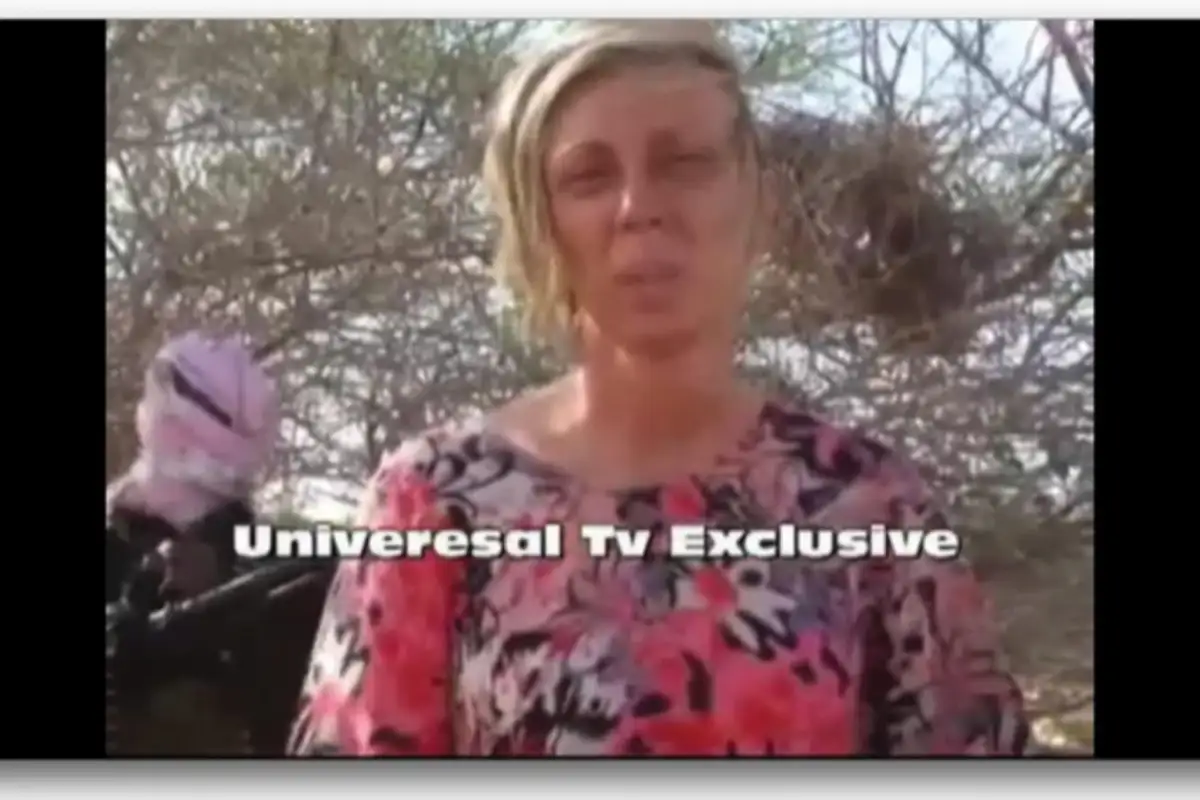
Alexandria resident Jessica Buchanan, now 45, experienced something so horrific, so nightmarish, that most can’t even imagine it. At the time, the Ohio native was married for two years and trying to have a child. The trained English teacher worked in Somalia as a humanitarian aid worker, instructing locals on how to avoid war munitions and landmines, when the unthinkable happened. On a work trip to Galkayo in October 2011, pirates with guns kidnapped Buchanan and her Danish colleague, Poul Thisted, and held them for $45 million ransom. She was forced to live in the scorching desert for 93 days, losing 40 pounds while existing on paltry rations and sleeping on a thin mat, surrounded by terrifying kidnappers armed with AK-47s. Though she was never sexually assaulted, the threat grew greater by the day.
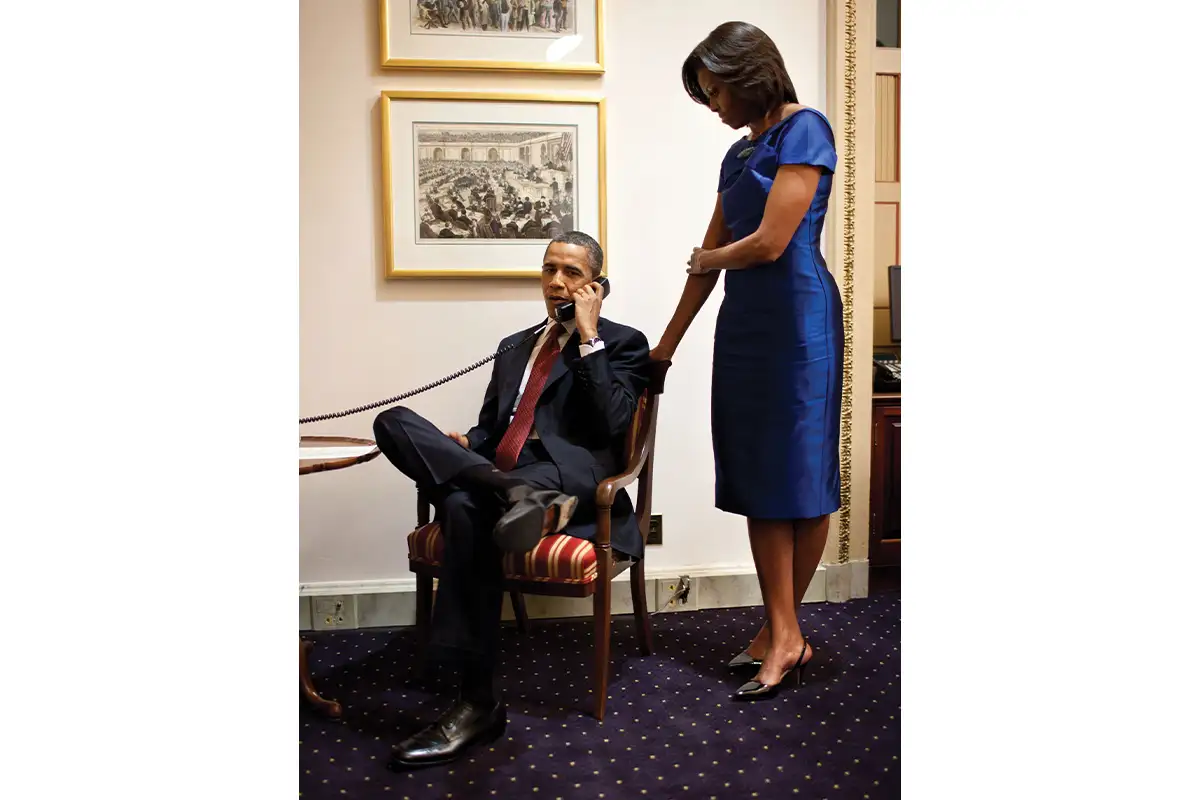
Occasionally, Buchanan spoke with negotiators on proof of life calls, and during one such conversation after months in captivity, she shared that she had contracted a life-threatening kidney infection. It was then that President Barack Obama authorized a rescue operation, which included members of Navy SEAL Team 6, the same team that had killed Osama bin Laden in Pakistan just months earlier. On January 25, 2012, commandos raided her camp and killed her captors. Buchanan and Thisted were airlifted to safety.
A New Normal
Tearful reunions with family, emotional interviews on national TV, and a New York Times bestselling book followed. Her next steps included TED talks, podcasts, and book tours. She and her husband, Erik Landemalm, started a family immediately — welcoming a son, August, and, two years later, a daughter, Ebba.
About 13 months after the rescue, the family left Africa and moved back to the U.S., settling in Alexandria. Buchanan found it difficult to adjust to so many changes so quickly. PTSD, motherhood, and financial challenges hovered.
“During captivity, my credit had gotten really damaged because no one was able to get in and pay my student loans and get access to my credit cards, so they went into default,” Buchanan says, adding that her husband, who’s from Sweden, had no established credit in the U.S. “We couldn’t get an apartment. It’s really, really sad, the ripple effect on people’s lives when they come back.”
Fortunately, a childhood friend was moving out of an Old Town Alexandria townhouse. The friend vouched for her with the landlord, and her family moved in. Now it was time to settle in and settle down.
“I was just so lonely, and so I’m trying to join the mom groups and trying to go to the playground, and I felt like a freak. People would recognize me because they saw me on TV, or they would find out somehow about the story and they would just be like, ‘Oh my god, you’re that girl.’ There’s a lot of me that just wanted to hide,” she says. Add to that postpartum depression, living in a new community, and dealing with trauma. Early one morning while nursing her infant son, Buchanan began soul-searching.
“I just remember thinking, there’s something bigger for me to do,” she says. “I have to find some meaning for all of us. It was a very scenic route to take — I tried everything.”
Feeling she was suffering an identity crisis, Buchanan took gardening classes, went back to teaching for a few years, and started an outdoor education program at her neighborhood elementary school. Still frequently traveling and speaking about her ordeal, she says the pandemic marked her turning point.
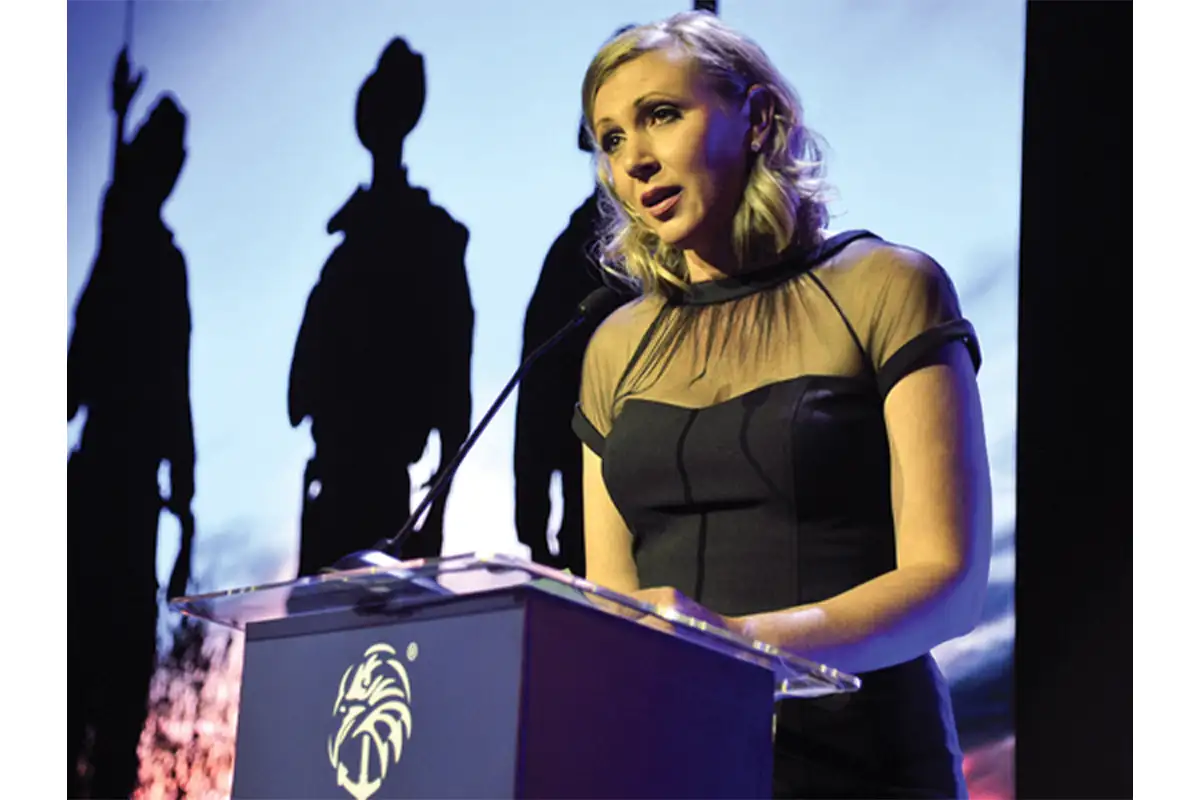
“I was stuck at home, so there’s no speaking. Schools were shut down, so my job was kaput. And then people started reaching out to me because they’re at home and they don’t have anything to do,” Buchanan says. “I had been asked to do a TED Talk and TEDx talk, and I did that, and it woke something up in me. I realized I actually have a lot of experience and knowledge.”
Healing Words
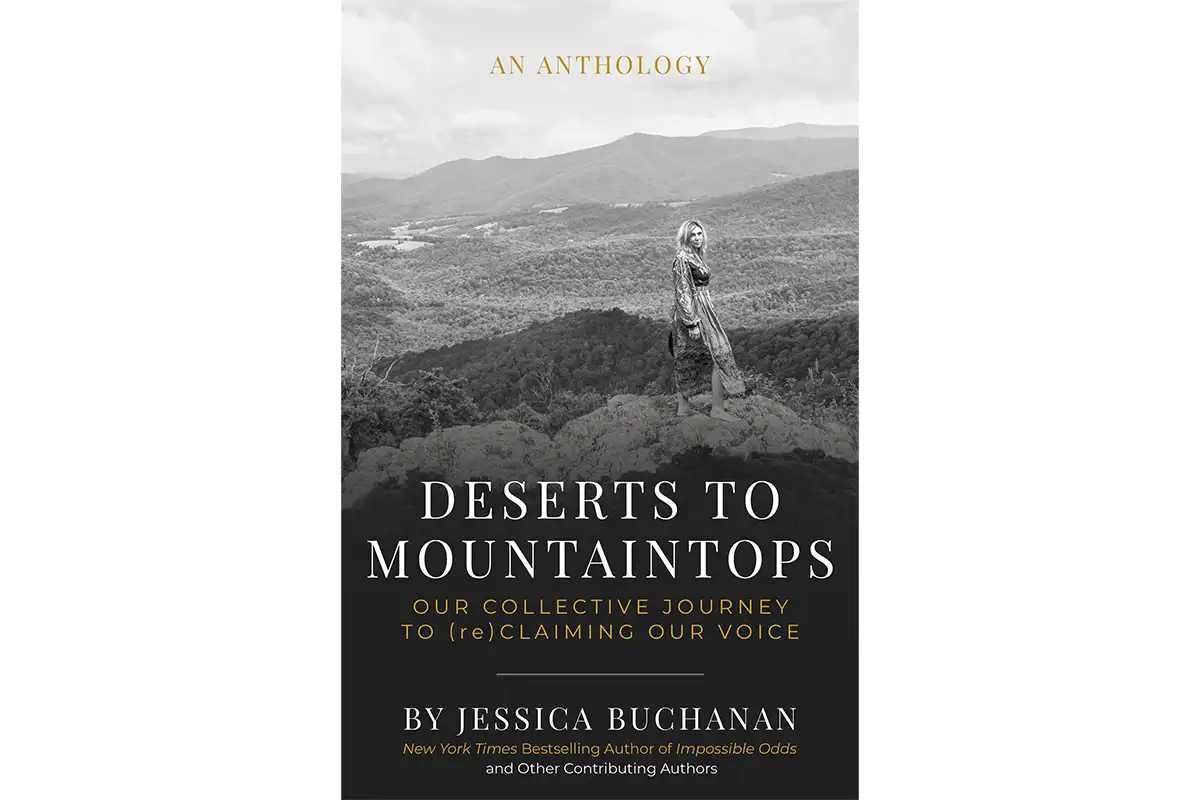
The revelation inspired Buchanan to start her own publishing company, Soul Speak Press, and be the lead author for two anthologies. Realizing she wasn’t the only person healing from some form of trauma, she partnered with other authors to write Deserts to Mountaintops: Our Collective Journey to (re)Claiming Our Voice.
“These books are proof that you can overcome, and you can get to a place in your life where you can be healthy and whole and healed,” she says.
The two-volume anthology offers personal accounts of healing and self-acceptance.
Writing their chapters profoundly changed Buchanan and the other authors.
“When we began to work together with all of the authors on the book, what an incredible relief to meet and speak with all of these different survivors, whether it be just an unthinkable trauma, or maybe even a common trauma that people don’t talk about,” says Tracy Interlandi, one of the anthology’s authors. Interlandi wrote about being randomly chosen for a gang initiation, beaten, and left for dead in a parking lot. “To really get to know these other women and be inspired together and give each other hope was absolutely, without a doubt, forever life changing.”
Buchanan inspired other authors and hopes to continue doing so. “I think surviving survival is just about as perfect as you can get to describe my view of her,” says Deserts to Mountaintops co-author Stacia Bissell about Buchanan. “When I met with her, I could tell that she was a leader because of what she went through. I could tell that she was humble, and she had empathy, and those are the types of people I want to be around.”
Buchanan believes everyone carries some form of trauma, but collectively, we can learn and heal from sharing our hurts.
“When I tell my story, I heal myself a little bit more. And when I help someone, empower them, and give them the tools that they need to feel safe and confident to tell their story, that heals them a little bit more,” Buchanan says. “Every time I read one of these women’s chapters, something sticks with me. Little by little they’ve helped me heal — they’ve changed my life.”
Anthologies of her books, with topics close to her heart, have been released on January 25 over the past two years — the date Buchanan was rescued. “It’s my lucky day; my day of liberation,” she says.
Looking back, she believes that starting over was more difficult than living through the kidnapping.
“In a way, the trauma is the easy part to survive because all you have to do is survive it,” she says. “It’s afterwards where you’ve got to make all the decisions and figure out what to do with your PTSD and nightmares and raising kids. That’s its own journey.”
Those close to her have witnessed the metamorphosis in Buchanan.
“She’s done amazingly,” says her younger sister, Amy Mathe. “She’s just been so strong, every step of the way, even though I know she hasn’t felt that way all the time. I think talking about it has been a huge healing piece for her.”
Staying Strong
As we finish the last of the sushi and pack up to end our lunch, I ask Buchanan how she’s feeling about life now. The author doesn’t hesitate.
“I think I survived — now I’m thriving. It took me 12 years to get to this point, and sometimes I think I should be further along. But I know I’m just where I’m supposed to be and it’s worth sticking around for.” As we get up to leave, she adds, “Just don’t give up.”
Feature image of Jessica Buchanan courtesy Buchanan Creative Group
This story originally ran in our September issue. For more stories like this, subscribe to Northern Virginia Magazine.