Meet the new member of WJLA’s evening news desk.
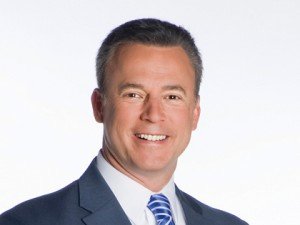
Jonathan Elias, a journalist who has reported for three decades all over the continental United States, is returning to his birthplace of Washington, D.C., to bring his unique perspective to the WJLA evening desk starting this month.
Elias can’t be accused of having lived a sedentary life. From extreme downhill mountain biking with his son to moving all across the country as a reporter to covering some of the most memorable and tragic news stories, he is always moving as a journalist and as a person.
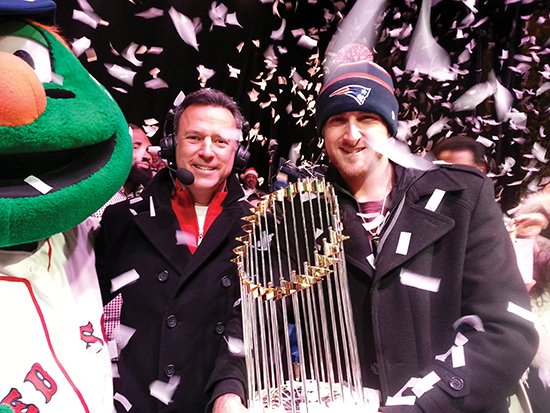
He has covered national stories such as Hurricane Katrina and the Boston Marathon bombing and has been celebrated with several prestigious awards including a DuPont Award, three Peabody Awards, a national Emmy Award and 21 regional Emmy Awards. Now, Elias is coming to NoVA to start a new chapter in his life and his career.
Are there any news stories you’ve covered that particularly stand out for you?
Most recently, the Boston Marathon bombing. I was standing on the finish line when the bomb went off. I much prefer the stories of life where people are celebrating and are positive, but, unfortunately, journalism is a business that covers the best and worst that life has to offer.
What is it that attracted you to the Metro-D.C. area?
NoVA and D.C. both give you the best of all worlds. I’m planning on living in NoVA in either Arlington or Alexandria. You really couldn’t ask for better cities. They don’t actually feel like cities; they feel like big towns. When you get into a big city, you lose a little bit of your humanity because everyone is moving at such a fast pace that nobody takes the time to get to know one another. In NoVA, people couldn’t be friendlier. I miss that.
What do you think viewers want to get from the news each evening?
I think the people at home watching don’t want to be talked to; they want to have someone to talk with them about what is happening. At the end of the day, I think people would just like some peace of mind that the world isn’t coming to an end. People need to know about the bad stuff, they want to know about the good stuff, and they need to know how they’re going to be protected. Then scatter in some sports, talk about the weather and be nice about it. It is important that the audience not only trust us and believe us as journalists, but they actually like us and want to listen to us. –Sophia Rutti
(June 2015)