Dr. Troy Baker, DO, is a board-certified allergist with the Mid-Atlantic Permanente Medical Group. He sees patients at the Kaiser Permanente Caton Hill Medical Center.
Seasonal allergies affect millions of people every year, often disrupting daily routines with sneezing, congestion, itchy eyes, and fatigue. As a board-certified allergist at Kaiser Permanente, I frequently meet patients who feel overwhelmed by their symptoms or unsure whether they’re dealing with allergies or an illness. The good news is that with the right knowledge and preparation, most people can significantly reduce their symptoms and enjoy the outdoors again.
Why Seasonal Allergies Occur
Allergies begin when the immune system misidentifies a harmless substance — such as pollen — as a threat. When pollen enters the nose, mouth or eyes, the body produces antibodies that attach to allergy cells. These cells then release histamine the next time pollen is encountered. (Histamine is the chemical responsible for classic allergy symptoms.) The release of histamine from the allergy cell is what makes you feel so bad.
Genetics and environment both influence who develop allergies. For example, if one parent has allergies, a child has a 30%–50% chance of developing them. This chance rises to 60%–80% if both parents are affected. Individuals raised with pets or in farming communities tend to have lower allergy rates, while those raised in more urban environments may be more susceptible.
Recognizing Allergy Symptoms
Common seasonal allergy symptoms include:
- Runny nose
- Sneezing
- Congestion
- Itchy or watery eyes
- Cough
- Asthma flareups
Because these symptoms overlap with viral illnesses, patients often wonder which one they’re experiencing. There are key differences:
- Allergies do not cause fever or muscle aches.
- Mucus color can offer clues. Clear drainage is more typical of allergies, while greenish mucus may suggest infection.
When Allergy Season Really Begins
Many people assume allergy season starts in late spring, but symptoms often begin much earlier. Trees begin pollinating around Valentine’s Day, and the season continues through October 1.
I advise patients to:
- Start medications two weeks before their typical symptoms
- Monitor pollen counts
- Shower and change clothes after being outdoors
- Wear sunglasses or a mask during yard work
- Use saline rinses to remove pollen from the nose
Pollen is sticky – it can easily stick to clothes and shows – so decontaminating when you come inside can significantly reduce symptoms.
Seasonal Differences: Spring, Summer, and Fall Allergies
Different plants pollinate at different times:
- Spring: Trees such as elm, maple, cedar, oak, birch
- Summer: Grasses
- Fall: Weeds, especially ragweed
Tree pollen peaks in March and April, grass pollen in May, and weed pollen in late summer. By October, outdoor pollen levels drop sharply. Indoor allergens such as dust mites, mold, and pet dander, however, can cause symptoms year-round.
The Most Effective Allergy Medications
My goal is always to use the least medication necessary, but many patients benefit from a combination approach. Here’s the order I typically recommend:
1. Intranasal Steroid Sprays
These are the most effective single treatment. Examples: Flonase, Nasacort, Rhinocort Use: Adults can use one spray in each nostril morning and night
2. Antihistamine Nasal Sprays
Example: Astepro Safe to combine with steroid sprays
3. Oral Antihistamines
Examples: Zyrtec, Claritin, Allegra Use: Once daily
4. Allergy Eye Drops
Example: Pataday (0.7% strength now available over the counter) Use: One drop daily. Many people overlook eye drops, but they can dramatically improve comfort.
You can also use artificial tears throughout the day to wash pollen off your eyes.
A Few Myths about Allergies — and the Facts
As an allergist, I have heard all sorts of myths about allergies. Here are the facts:
Myth: It’s okay to wait until I have symptoms before taking allergy medications.
Fact: Take your allergy medications a few weeks before you expect symptoms to start to get the maximum benefit.
Myth: All allergy medications cause sleepiness.
Fact: Corticosteroid nasal sprays are effective at relieving symptoms without causing drowsiness. Antihistamine nasal sprays can cause some drowsiness (in less than 4% of users), but generally are well tolerated.
Myth: I’m an adult and haven’t had allergies before, so I won’t develop them.
Fact: Even adults can develop allergies. See an allergist to confirm whether your symptoms are in fact allergies.
Myth: Allergy shots are ineffective.
Fact: Allergy shots are effective for many people. Discuss your options with your doctor.
Myth: Local honey can treat pollen allergies.
Fact: Bees responsible for honey mostly collect heavy pollen from flowers, not the windborne tree or grass pollen that cause allergy symptoms. Consuming local honey unfortunately will not desensitize you to the pollen, which causes allergy symptoms.
Myth: The cherry blossom trees make my allergies worse.
Fact: Cherry blossoms do produce pollen. However, the pollen it makes is heavy and sticky, relying on insects for pollination rather than wind. Because the pollen it produces is not windblown, the sneezing and itchy eyes commonly felt during spring are caused by other trees actively pollinating at the same time.
When to See an Allergist
You should consider seeing an allergist if:
- You want to confirm your specific allergy triggers
- Over-the-counter medications aren’t providing enough relief
- You’re interested in long-term treatment options
One of the most effective long-term treatments is allergy shots (immunotherapy). These injections retrain the immune system and can provide decades of relief.
Allergy shots require commitment — weekly injections for six months, then monthly for three to five years — but for many patients, the results are life changing.
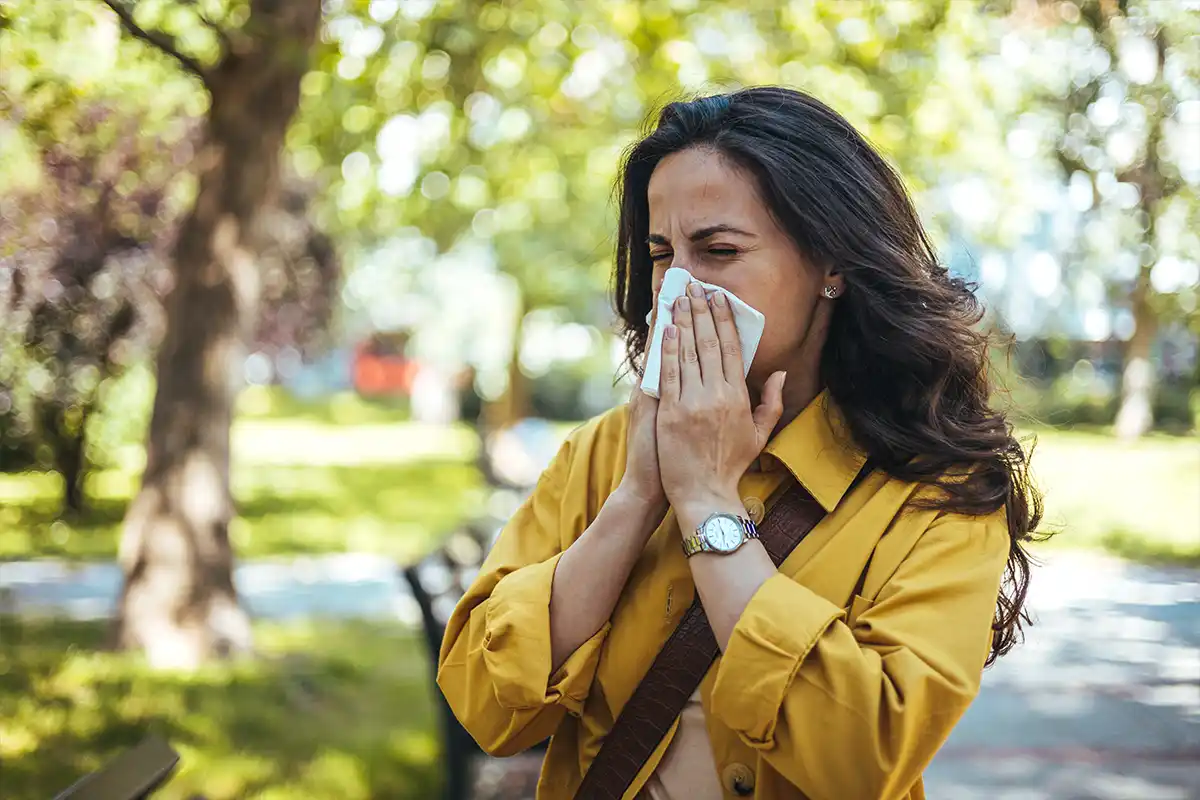
Feature image, stock.adobe.com