
By Margaret Schwiesow, D.O.
Americans ate more meat last year than ever before, according to the U.S. Department of Agriculture. While some people do so to curb carbs and pump up their protein intake (which can be a positive step), I remind my patients that red meat—particularly processed varieties, such as bacon and hot dogs—can have negative effects, too.
A diet high in red meat is a major risk factor for colorectal cancer, the country’s third leading cause of cancer-related deaths in men and women. Being overweight or obese also raises the chances of developing colorectal cancer (though the link seems to be more common in men). Having Type 2 diabetes, which is often caused by obesity and/or physical inactivity, does too.
I am a gastroenterologist, and many patients come to me for colorectal cancer screening, which is recommended starting at age 50 for the general population (45 for African-Americans). General population refers to people of average risk—for example, a negative family history of colon cancer, no previous personal history of colon cancer or genetic predisposition to colon cancer.
When I find a precancerous polyp, I ask patients about their diet, exercise habits, smoking and alcohol consumption, the key risk factors for colorectal cancer that can be changed. Many times, my patients report diets that include processed foods (foods that come from a box, a bag or a can). One of the biggest challenges I face is getting them to change their lifestyle. It’s tough to make major alterations once you’ve been doing things a certain way for so long! But once patients have gotten their screening colonoscopy, I remind them that a healthy diet, eliminating tobacco, limiting alcohol and staying active can be key to avoiding colorectal cancer.
Various studies over the years have shown a clear increase in the likelihood of colorectal cancer in those who consume a lot of red meat and processed meats. Scientists aren’t quite clear why these products inflate colorectal cancer risk. It’s likely a combination of things: Chemicals produced when meat is cooked at high temperatures; Preservatives, particularly nitrates, which are carcinogenic; and N-nitroso compounds, which potentially cause cancer and damage DNA in the colon.
That doesn’t mean you need to take steaks and burgers out of your diet altogether, though. Evidence suggests that consuming two 4-ounce portions of red meat each week is OK. Do one better by choosing leaner cuts, trimming fat and not charring it on the grill.
It’s recommended that you cut out processed meats—any meat that is salted, smoked, cured, etc. to preserve it or enhance its flavor—as much as possible. This would include hot dogs, sausages, bacon and many deli meats. Processed meat is classified as a Group 1 carcinogen by the World Health Organization, which means that there is convincing evidence that it causes cancer.
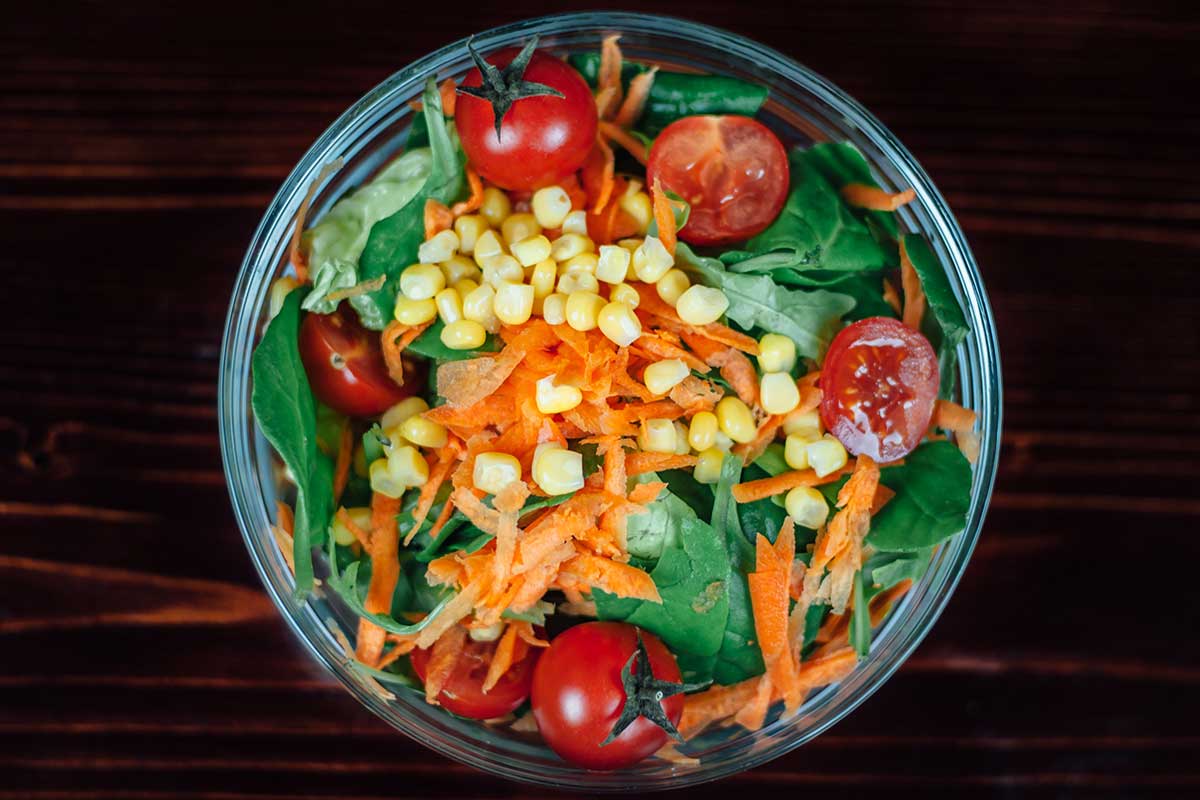
Try thinking of meat as a side dish and vegetables and whole grains as the stars of your plate. Aim for a whole-foods diet, incorporating higher-fiber foods, such as beans, lentils and some fruits and veggies.
Studies have shown that a higher-fiber diet can help lower your colon cancer risk, possibly because fiber may speed up how long food spends in the GI tract, as can the calcium in low-fat and nonfat dairy. High consumption of fish in many forms—including fresh, canned, salted and smoked—also seems to reduce the likelihood of colorectal cancer across the board by about one-third. Vitamin D, which can be found in sources like fatty fish (tuna and salmon), egg yolks and dairy, seems to lower the risk, as well.
It’s important to note that supplements aren’t necessary for most people. If you’re eating a balanced diet, you shouldn’t rely on supplements. If you can’t get all of your required nutrients, your provider may recommend a supplement, so be sure to talk to them before taking any.
If you’ve had an abnormal colorectal cancer screening or want to do what you can to avoid one in the future, there’s a lot you can do right now. Talk with your provider about what diet and exercise habits are best for you. If you smoke, quit. If you’re a moderate to heavy drinker, cut back on alcohol consumption. The best part is these adjustments will have a positive effect on other health risks, and you’ll likely feel better day to day, too.
For more information, including details on preventing colorectal cancer, visit the American Cancer Society’s website at cancer.org.
Margaret Schwiesow, D.O., is board certified in internal medicine and gastroenterology by the American Board of Internal Medicine. She cares for patients at the Kaiser Permanente Springfield Medical Center. She completed her gastroenterology and hepatology fellowship at the University of Rochester Medical Center in Rochester, New York.
Want more health content? Subscribe to our weekly newsletter.