
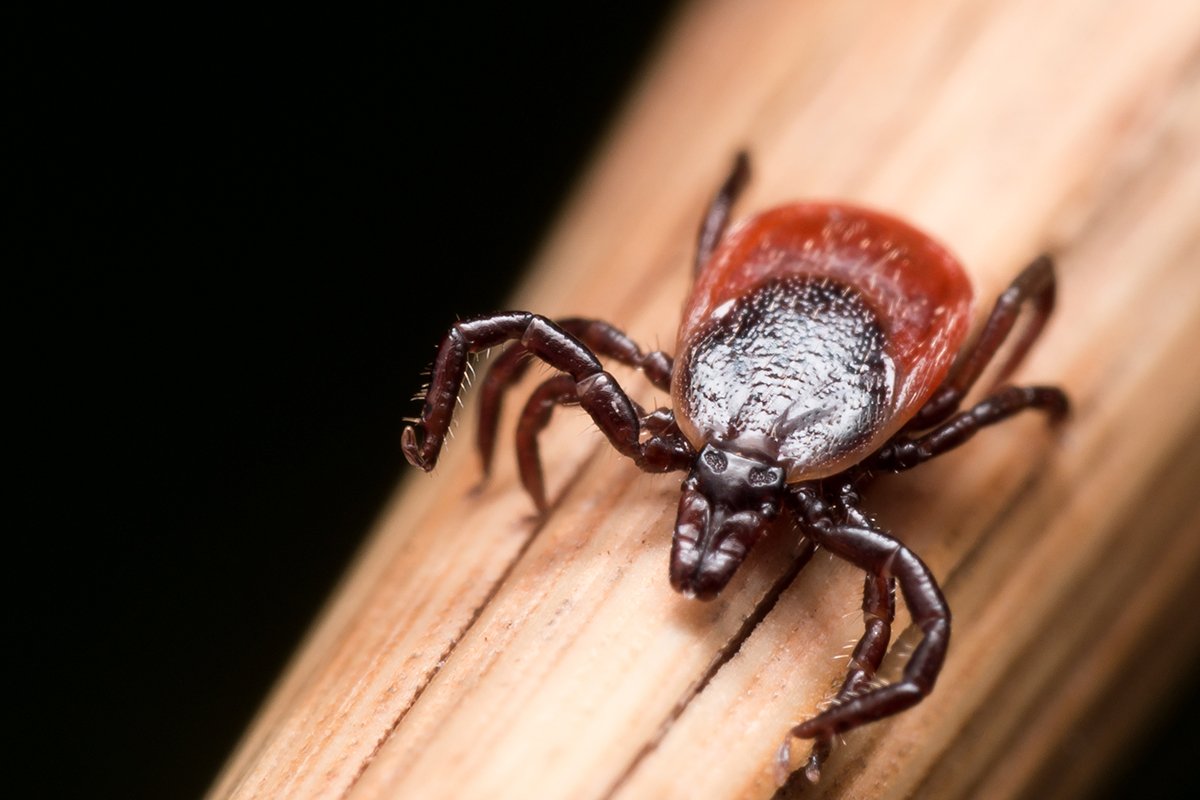
With summer just around the corner, it’s especially common in the Metro-D.C. area to spend more time exploring outside. But this is also prime time for ticks, which puts you and yours at a much higher risk for getting bitten and possibly contracting Lyme disease. As an infectious diseases specialist, this time of year, I see a lot of patients who have questions and concerns about Lyme disease.
Lyme disease is contracted from the bite of a blacklegged tick—aka deer tick, as the animal is the insect’s most common host—which typically resides in the Northeastern and upper Midwestern United States. While not all ticks will be infected with Lyme, many are, and when left untreated, Lyme disease can spread to joints, the heart and the nervous system, causing long-term pain and damage.
Because some Lyme disease symptoms can seem like the flu, it’s important to know what to look for and to take steps toward preventing tick bites in the first place.
Prevention
While I recommend wearing long-sleeved shirts and long pants in locations that are wooded, bushy and typically tick-friendly, that’s not realistic for most of us in the sweltering summer heat. So, if you’re going hiking, stay in the center of trails when possible and avoid areas with high grass, leaf piles and lots of woods and brush. For extra protection, use a repellent with 20 percent or more DEET, picaridin or IR3535 on exposed skin.
If you and your family spend lots of time in wooded areas during the spring and summer, you might also consider treating your clothes using products with 0.5 percent permethrin, which will last through several washes.
Barring protective clothing, there are also some steps you can take if you live near a wooded area or somewhere that has a large deer population. Be sure to grab a broom and do a sweep of seated areas in the backyard each time you plan to use the space. You can also apply tick-specific pesticides in your yard, which can cut down on the number of ticks, though you’ll want to look into state, local and Environmental Protection Agency rules and regulations for pesticides on residential property.
See Make sure your yard isn’t a place ticks want to call home for more information on how you can protect your yard from ticks without pesticides.
After spending time outdoors, take a few minutes to do a full-body tick check of every family member each evening. Pay particular attention to the backs of knees, under arms, in and around ears, in belly buttons, between legs, around the waist and in hair. Showering as soon as possible after coming indoors can help with the search. Also check pets and any gear as ticks can travel and later attach to a person.
Removal
If you do find a tick on the skin, don’t panic. Just make sure you remove it as soon as possible to lower the risk for Lyme disease or other tick-borne illness because if a tick has been feeding for 24 hours or more, your chance of infection is much higher. Using tweezers, grasp the tick as close to the skin as you can. Try to remove the entire tick, including its head. Pull upward and don’t twist or jerk the tick off, which can cause the head and/or mouth to get stuck in the skin. Make sure to clean the area thoroughly once you’re done.
Put the tick in alcohol, then seal it in a bag or container and wrap it tightly with tape, or flush it down the toilet. If you find a tick on dry clothes, toss the clothing in the dryer on high heat for 10 minutes to kill the tick.
Lyme Disease Signs and Symptoms
If you have removed a tick that you suspect may have been feeding for less than 24 hours, you should still contact your health care provider immediately, as early treatment with one dose of an antibiotic may prevent potential infection from setting in.
You should also contact your health care provider if you have removed an engorged tick. Since the chance of infection is high, a full course of treatment may be recommended even before a bull’s-eye rash develops. Some 70 to 80 percent of people who contract Lyme disease will have this rash, so continue to check for its appearance throughout the season as you may not realize you have been bitten.
Also look for the following symptoms: fever/chills; aches and pains, including headache, fatigue and muscle aches; and joint pain.
Once a patient is referred to me for a possible Lyme disease case, I’ll ask them about the bite, their symptoms and perform a blood test if I suspect they’ve contracted the disease. Note, however, that a blood test isn’t recommended if a patient doesn’t have the usual Lyme disease symptoms.
If the blood test detects the presence of Lyme disease, I prescribe a course of oral antibiotics or intravenous antibiotics, if needed. The course of the medication may vary depending on the stage of the infection at the time of the visit.
Once you’ve had Lyme disease, the antibodies can persist in your blood long after the infection is gone. This means that if your blood tests positive, then it will likely continue to test positive for months or even years even though the bacteria are no longer present.
Chronic Lyme Disease
The longer Lyme disease goes untreated, the more likely it is that someone may experience symptoms like joint pain, fatigue and muscle aches that linger after treatment. This is called post-treatment Lyme disease syndrome (PTLDS). It is sometimes confused with chronic Lyme disease (CLD), which is often used to describe people who have similar symptoms as those with Lyme disease but no current or past infection with the bacterium that causes it. While some patients have concerns that they may have PTLDS or CLD, there is still a lot of confusion over how the terms are used. If I suspect a patient has something other than PTLDS or CLD, I refer to other specialists who may be able to help figure out what is causing these symptoms.
While Lyme disease is a real concern, especially as deer populations continue to rise, this shouldn’t keep you and your family from spending time outside. With preparation and monitoring, you can enjoy all that the great outdoors has to offer.
Interested in learning more? The Centers for Disease Control and Prevention offers some great information on ticks and Lyme disease on its website.
Dr. Mettassebia Kanno is a board-certified internal medicine and infectious disease physician with the Mid-Atlantic Permanente Medical Group. She sees patients at the Kaiser Permanente South Baltimore County Medical Center.