Ramps, foraged mushrooms, sorghum, moonshine — they’re all to be found on menus across West Virginia and particularly in its capital city. Charleston is celebrating Appalachian ingredients with a new generation of chefs, distillers, and market vendors reclaiming the region’s foodways and leaning into what makes it special. And they’re doing it in a compact, walkable city with charming shops, bed-and-breakfasts, art, and history to keep you busy between meals.
Drive time from Dulles: About 5.5 hours
What to Do
Begin downtown at Capitol Market, a year-round farmers market inside a converted 1890s train depot along the Kanawha River, and pick up some local sorghum, honey, or pickled ramps to take home. Wander the stalls indoors for artisan chocolate, a butcher counter, and a wine shop, then head outside (April through December) to meet the farmers. Amble over to Taylor Books, an independent bookstore, café, and art gallery that’s been in that spot since 1995. In the basement below, catch local, documentary, and indie films at the nonprofit Floralee Hark Cohen Cinema. A few doors down, The Peanut Shoppe has sold its popular chocolate-covered peanuts (and more) from the same corner since 1950. It’s still run by the founder’s family and does the original “peanut fold” on every bag to keep the nuts inside. Around the corner, browse new and used vinyl at Sullivan’s Records.
Visit on the third Thursday of the month to catch ArtWalk, when shops and galleries stay open late for a free, self-guided evening of art, music, and shopping. Also free, The West Virginia State Museum walks visitors chronologically through the state’s history, including a reconstructed moonshine still and general store as part of its coal-and-Prohibition-era exhibits.
Just outside town in Malden, get an education in salt-making from a 200-year-old producer. J.Q. Dickinson Salt-Works, a seventh-generation family operation, harvests salt by hand on the site of what was, before the Civil War, the largest salt industry in the U.S. Seasonal tours (late April through November) teach guests about that history and the current solar-evaporation process, ending with a tasting of the finishing salts.
Explore Charleston’s growing spirits scene in the city’s once-overlooked Elk City Historic District. One of the founding families behind Bullock Distillery has been making moonshine in West Virginia for generations. Hyper-local, they use pure, calcium-rich limestone water sourced from a cave in Greenbrier County for their mash and proofing. Before visiting distilleries, pop into Kin Ship Goods for locally made apparel and home goods.
If you have an extra day, it’s worth the roughly two-hour drive into the mountains to Helvetia, a Swiss German settlement of fewer than 30 people in Randolph County. Wander the 1870s-era village — the general store, the church, the Helvetia cemetery with its German-lettered headstones — before dinner.
Where to Stay
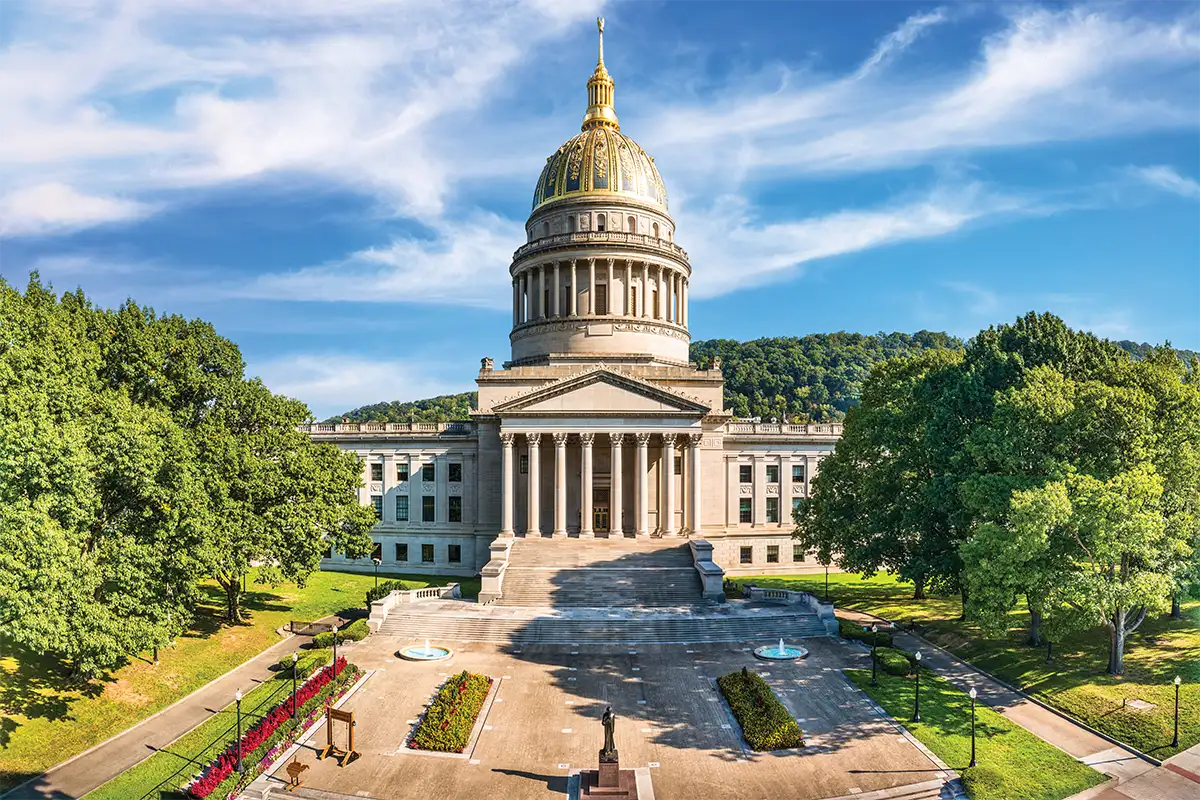
One reason to visit Helvetia is to stay at the Beekeeper Inn, a tiny bed-and-breakfast in the mountains, and dine at its Hütte restaurant. Opened by a beekeeper from Switzerland in 1983, the remote three-bedroom inn is as peaceful as it gets. For a more centralized B&B option, Brass Pineapple Inn is an easy walk to the Capitol grounds in Charleston; guests love the afternoon tea, breakfast, and hospitality. Book lovers will be delighted by the Bookshop Bungalow at Plot Twist Books in South Charleston, a studio apartment built onto the back of an independent bookstore, with a private entrance and 24/7 access to the shop. The owners modeled the concept after Wigtown, Scotland’s National Book Town.
Where to Dine
An introduction to West Virginia dining wouldn’t be complete without its famous casual dish: the pepperoni roll. The fluffy bread baked with pepperoni inside (melty cheese optional), was believed to have been invented 150 miles north of Charleston in Fairmont in 1927, dreamed up by an Italian immigrant baker for coal miners who needed lunch that traveled well. In nearby Dunbar, get a deep-fried version at The Bucket or pick one up at Capitol Market from a regional baker.
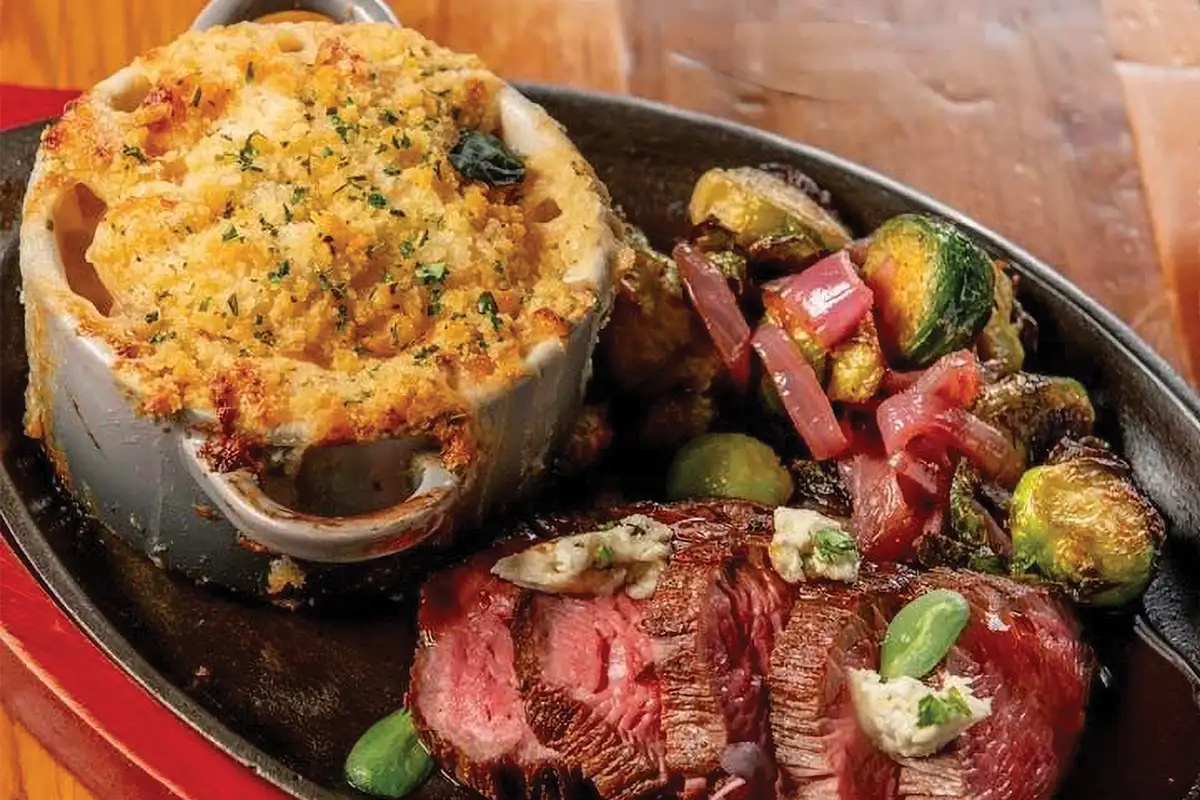
Mushroom fans are in luck. 1010 Bridge, Paulie’s Fine Italian, and Ristorante Abruzzi have all worked mushrooms grown in Memorial Tunnel — a decommissioned turnpike tunnel turned mushroom farm — into their menus. Paulie’s, from James Beard Award–winning chef Paul Smith, is the newest of the bunch. It’s an Appalachian-inflected Italian spot in South Hills that serves 20-layer lasagna bolognese and flash-baked pizzas with the option of adding truffles. For steak, bourbon, and a cozy barrel room made for a special occasion, book a table at Bricks & Barrels.
Beyond the Charleston distillery scene, Isaiah Morgan Distillery in Summersville, about an hour southeast, is worth a stop for the mountain scenery and atmosphere, as well as its drinks. The small-batch operation, named for a Prohibition-era moonshiner, was West Virginia’s first legal mini-distillery and the first to legally produce bourbon. Also, it shares a campus with Kirkwood Winery, perfect if your travel partner prefers wine.
If you make it to Helvetia, dinner at The Hütte, the Swiss restaurant that’s been serving the same sauerbraten, rösti, and housemade bread since 1968, is a must.
This story originally ran in our September issue. For more stories like this, subscribe to Northern Virginia Magazine.