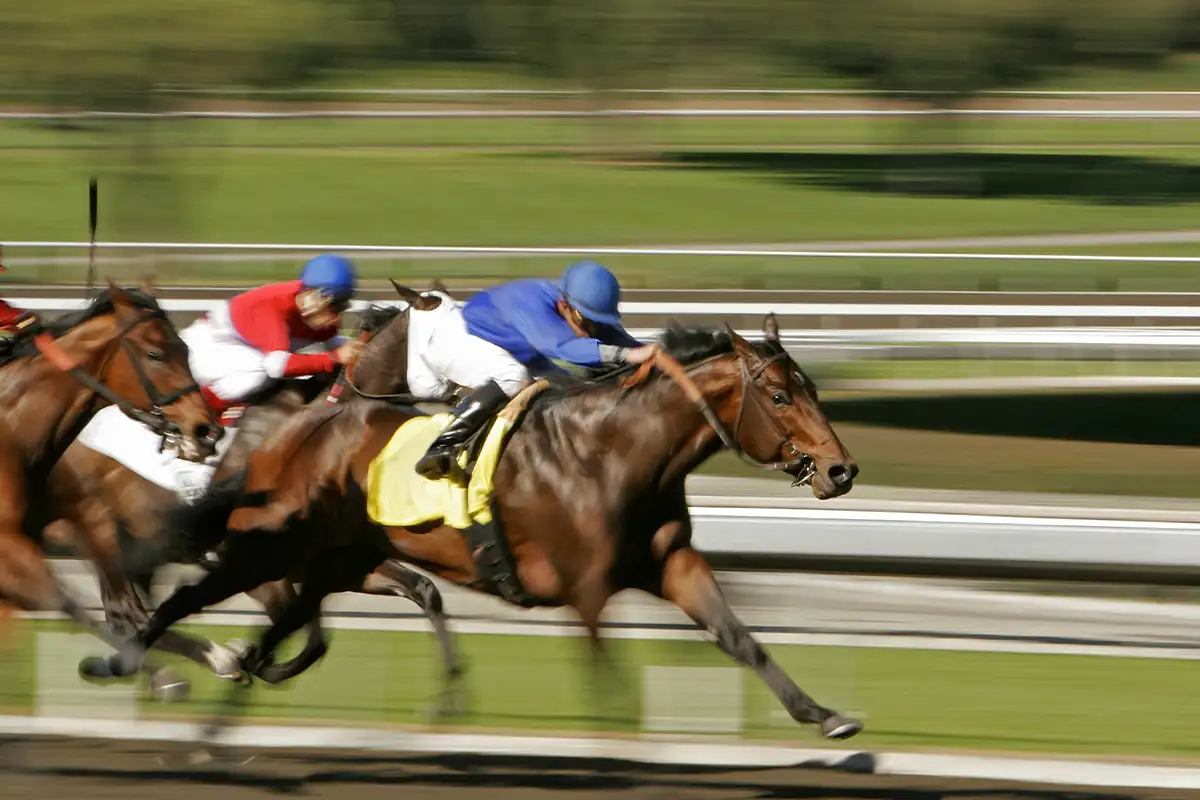
The Preakness is the second leg of the Triple Crown, sandwiched between the Kentucky Derby and the Belmont Stakes. It’s less famous than the Derby and less heralded than the Belmont. As a result, it’s more accessible, more energetic, and more fun than either.
And this year’s Preakness is truly unique. For the first time in its 151-year history, the event is not being held at Pimlico race course in Baltimore. While Pimlico undergoes a $400 million state-led redevelopment, the race is relocating to Laurel Park. This means attendance is capped at just 4,800 people for the entire weekend. For reference, 63,000 people attended last year.
In practice, this should mean shorter lines and easier access to betting windows. And an atmosphere that’s closer to an exclusive members’ club than a massive public spectacle. The infield — historically the site of a sprawling music festival — won’t be in play this year, and there are no big-name headliner concerts.
What you get instead is an intimate, elevated racing weekend that may never happen quite this way again. The Preakness returns to a rebuilt Pimlico in 2027, so Preakness 151 stands alone.
The Basics
Preakness weekend runs May 15 and 16 at Laurel Park in Laurel, Maryland. The park is about 25 miles northeast of Washington, DC, and 20 miles south of Baltimore.
Friday is Black-Eyed Susan Stakes day (the 102nd running), and Saturday is Preakness day. You can attend one day or both; two-day weekend passes are available.
Getting there is easier than it sounds. This year, organizers have partnered with MARC to offer a $50 weekend transportation pass that includes roundtrip train service from both DC and Baltimore, plus a complimentary shuttle directly to Laurel Park. Given the venue’s limited parking and single access road, the train is genuinely the smart play.
What to Expect
Racing at Laurel Park feels different from a football stadium or a concert arena. The pace is episodic. Races go off throughout the day, with stretches of anticipation in between that are best filled with a drink in hand, a bet in progress, and good company.
If you’ve never placed a bet on a horse race, don’t be intimidated; it’s easy to learn on the fly. And half the fun is picking your horse based on a name you like and screaming at a finish line as if your life depends on it.
The saddling paddock is worth a visit before each race. Watching the horses up close — calm and twitching with nervous energy all at once — is one of those quietly spectacular things that non-racing fans rarely anticipate loving as much as they do.
What to Wear
There’s no official dress code for Preakness 151. But there’s absolutely an unofficial one, and it’s more fun to lean into it than ignore it. Think of this as the sophisticated middle sibling of the Triple Crown: less theatrical than the Kentucky Derby (you don’t need a three-foot hat, though no one will stop you), but dressier and more intentional than a ballgame.
For women, florals, bold prints, and bright colors are the standard. A sundress or midi dress with a statement fascinator or wide-brim hat hits the sweet spot between festive and polished. Black and yellow, the colors of Maryland’s state flower, the black-eyed Susan, are a subtle nod to tradition if you want to lean into the theme. Comfortable footwear matters more than you’d expect. You’ll be standing on grass and pavement for hours, so wedges and block heels beat stilettos every time.
For men, a blazer or suit jacket is the baseline for the grandstand or hospitality areas, paired with slacks or well-fitted chinos. Navy, olive, and darker tones read as appropriately Preakness. The aesthetic leans more heritage than flashy. A pocket square in black and yellow is a nice touch. Skip the sneakers unless they’re dress-adjacent; loafers are the obvious right answer.
Given this year’s more intimate, elevated positioning, it’s a good year to dress up rather than down. The crowd will be smaller and the atmosphere more concentrated — and it shows.
Where to Stay
Baltimore makes an ideal base for Preakness weekend. The MARC train runs directly from Penn Station, the dining and nightlife scene is genuinely excellent, and the city deserves more than just a drive-through.
For a full weekend, these two properties stand out:
Eighteen rooms and suites in a restored 19th-century mansion makes this one of the finest hotels in the area. It’s also one of the few Black-owned luxury boutique hotels in the country, with gas fireplaces, four-poster beds, heated limestone bathroom floors, a small spa, and rates that include breakfast, afternoon tea, evening cocktails, and valet parking. The on-site restaurant, Magdalena, is one of Baltimore’s best.
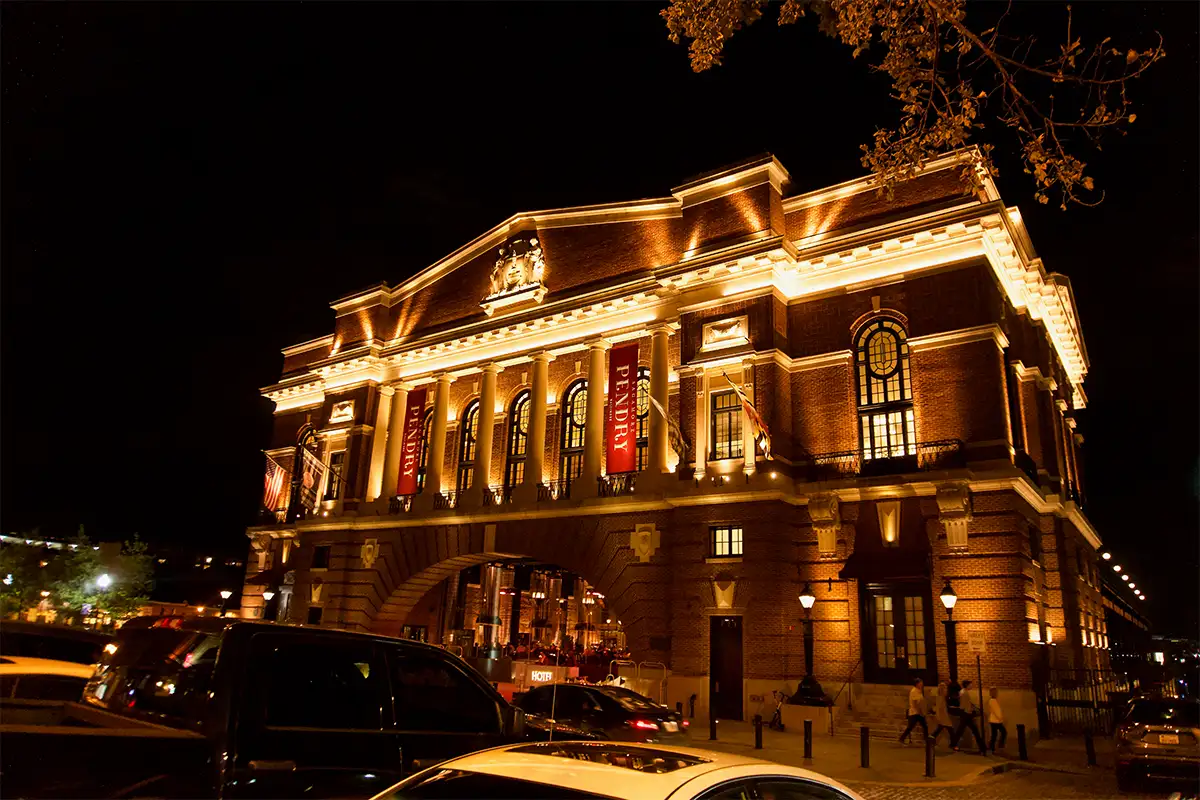
Set on the iconic Recreation Pier in the heart of Fell’s Point, the Pendry is a 127-room luxury hotel housed in a handsomely renovated 1914 building right on the waterfront. Rooms mix warm wood and cool stone with harbor or courtyard views. The Rec Pier Chop House is a destination in its own right for Italian-leaning steakhouse fare, and the Cannon Room whiskey bar is exactly where you want to be after a day at the races. The neighborhood — cobblestoned, lively, walkable — does a lot of the heavy lifting, too.
Feature image, Cheryl Ann Quigley/stock.adobe.com