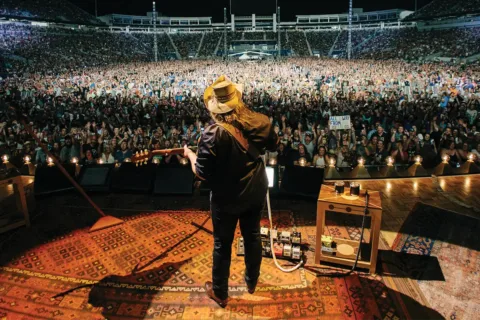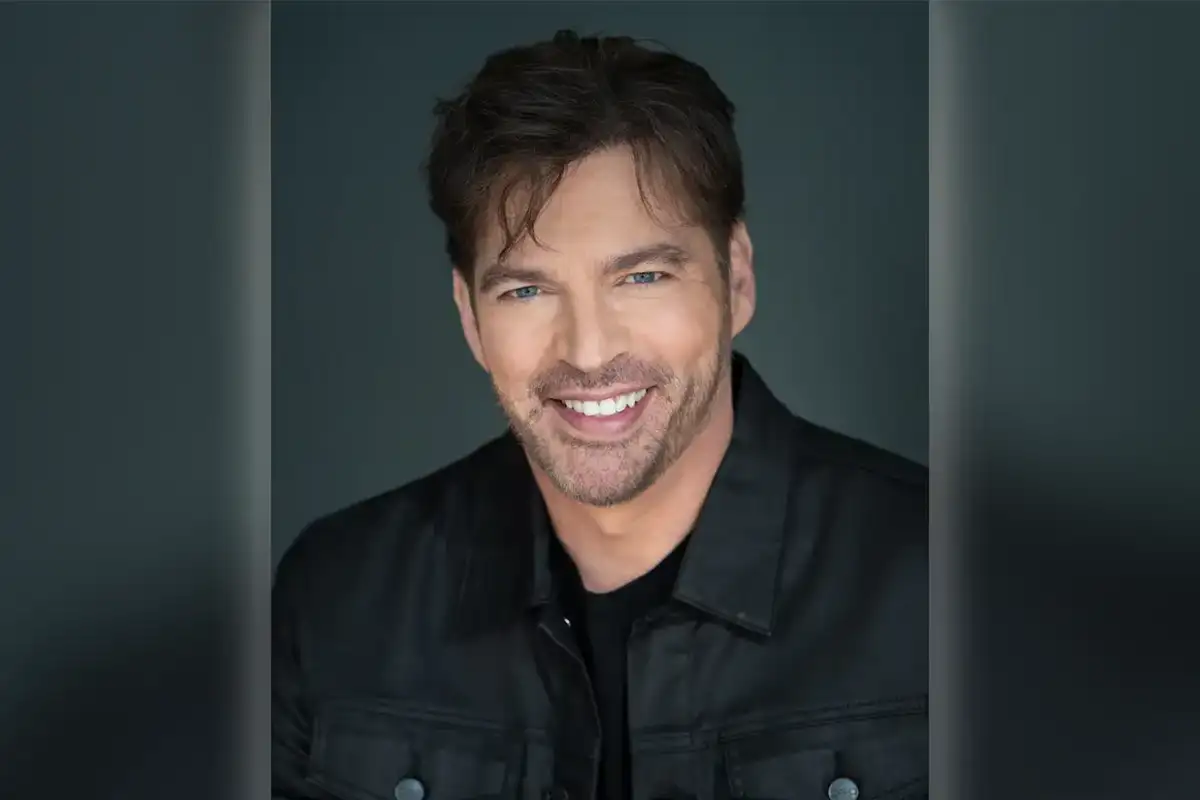
Grammy- and Emmy-award-winning musician and actor Harry Connick, Jr. will be kicking off his latest tour at Wolf Trap on Friday, July 3. A piano prodigy, Connick started playing the instrument at age 3 and began performing in public by age 5. At 9 years old, he was playing alongside the New Orleans Symphony Orchestra. In addition to music, Connick has appeared in movies like Hope Floats and Independence Day and had a recurring role on the comedy series Will & Grace.
Ahead of his performance, we spoke with Connick about his music, how he’s honoring his late mother, and who made him feel truly starstruck.
How do you feel about performing at Wolf Trap. Do you have any pre-show rituals?
I’m excited to play because I love Wolf Trap. It’s one of those venues that goes back to the very start of my career. I have so many memories there, and it always is a great night. Even backstage, it’s a venue that’s built for artists to be comfortable. In terms of rituals, I don’t really do anything before the show. I just sort of get dressed, go out, and do my thing. I just live in the moment and play and sing what I’m thinking, basing it off the feeling I’m getting from the crowd.
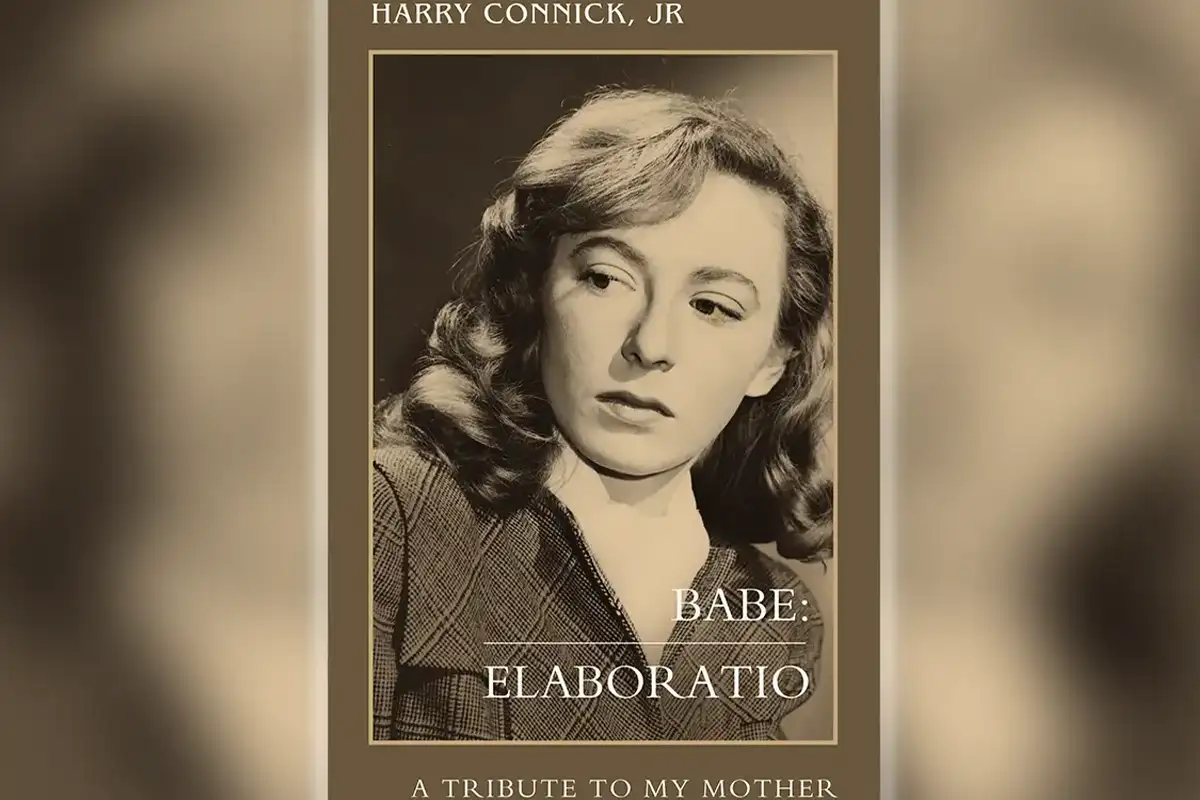
Tell us about honoring your mother with your upcoming book, Babe: Elaboratio.
She always wanted me to play at Carnegie Hall. That was her big dream. She was diagnosed with ovarian cancer when I was about 10 years old, and I remember calling Carnegie Hall from New Orleans and asking them if I could play there. And they said, ‘Well, no, it doesn’t really work like that.’ I told my mom I tried, and three years later she died.
I obviously did not have a chance to play there at 13, but I promised myself that one day I’d go in there for a special occasion and dedicate it to her, but I wanted it to be the right time. I waited 45 years before I even walked in the building. I wrote a symphony for her and didn’t go to rehearsals or anything. I walked on stage at 8:00 and stood there for the first time, dedicating the night to her in the symphony that I had written. The book is sort of a documentation of what the process of writing the music was. I had to sort of elaborate because I only had 13 years with her, so I had to imagine what her life would have been like.
Tell us more about your music and music education initiatives.
Most of the advocating and actionable steps I’ve taken have been in New Orleans. My friend [saxophonist, composer and bandleader] Branford Marsalis and I founded Musicians’ Village, which we think has been a very important part of the continuation of New Orleans’ legacy. I’ve focused everything I’ve done on my hometown.
You are a rare performer who appeals to multiple generations. How do you keep getting newer generations to fall in love with jazz and standards?
I never thought that was something I had to do. I think people like what they like, and they like things that they feel are authentic. And I love playing and singing. If anything, people can see that. If I’m to do anything to keep people interested, it’s to keep doing what I love to do. I can continue to try to make the best art that I can make, and hopefully people will be able to enjoy it.
Over your decades-long career, who has made you starstruck?
Oh, lots of people. George Jones, Ella Fitzgerald, Buddy Rich. I mean the list goes on and on. I’ve played with some really great people, and when you stand up there playing and singing with them, it kind of hits you that it’s a big deal. It happens more than you think.
Feature image by Georgia Connick