Fifty years after the Smithsonian’s National Air and Space Museum first opened, the popular attraction is entering its newest chapter. On July 1, the museum will unveil five new and renovated galleries.
These new exhibits are part of the final phase of a renovation that began in 2018. The project has modernized the building’s infrastructure and redesigned the way it tells the stories of flight and space exploration. Two more galleries will debut this fall, completing the project.
“We embraced the opportunity to reimagine our galleries and exhibitions and displays and create a museum that belongs in the 21st century,” said museum director Chris Browne.
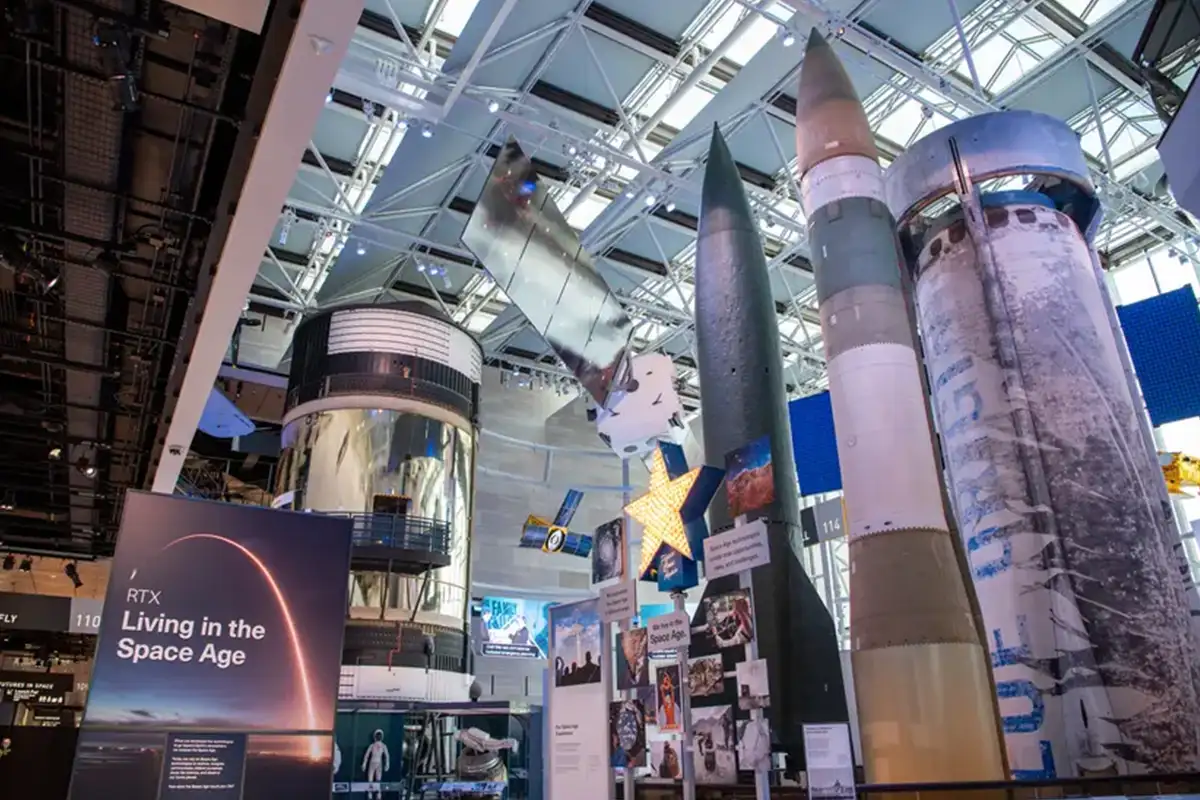
Among the new additions is RTX Living in the Space Age, which holds several significant space artifacts. It will feature a full-scale mock-up of the Hubble Space Telescope that was used for testing and simulations. Other artifacts include the Skylab Orbital Workshop — which held the living quarters and research equipment on America’s first space station — and various missiles and satellites.
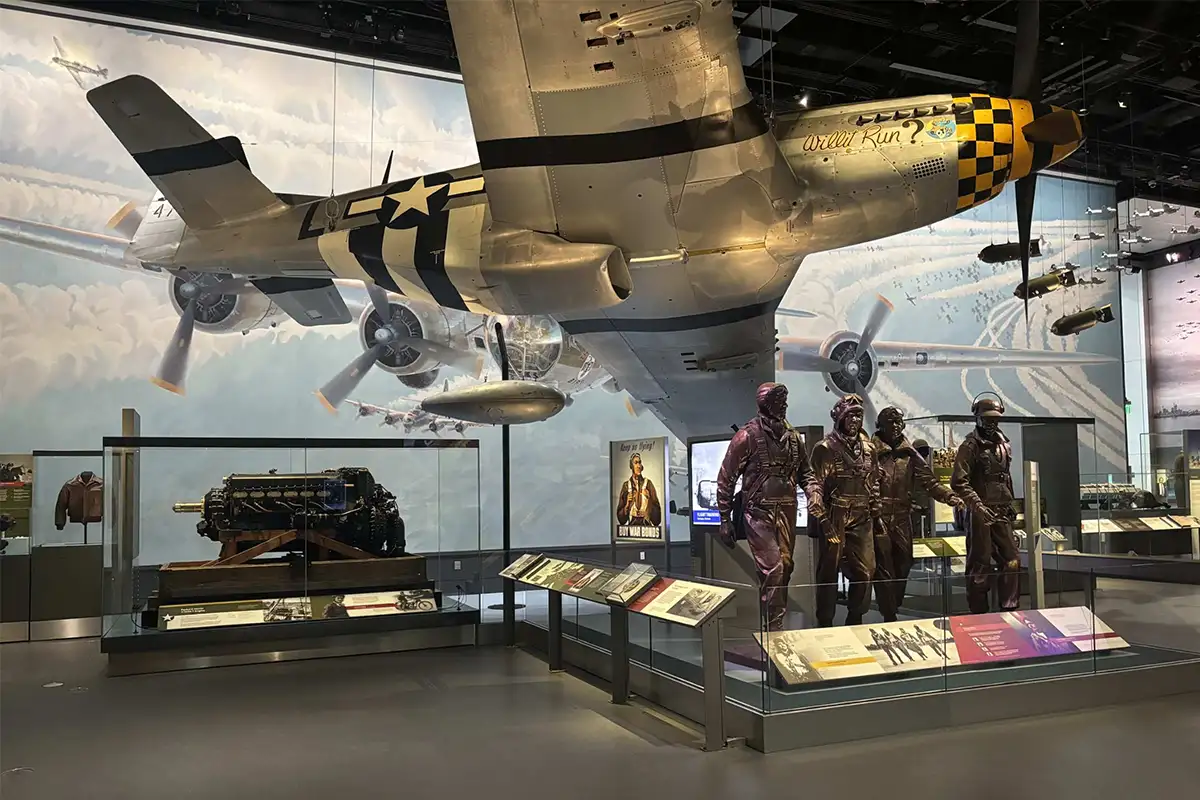
History lovers can head to the second floor and see the revamped Jay I. Kislak World War II in the Air gallery, which showcases aircraft and artifacts from one of aviation’s most transformative periods. The exhibit shows previously unseen artifacts — including a rare surviving Soviet Ilyushin IL-2 aircraft — depicting how the Allies won the war in the air.
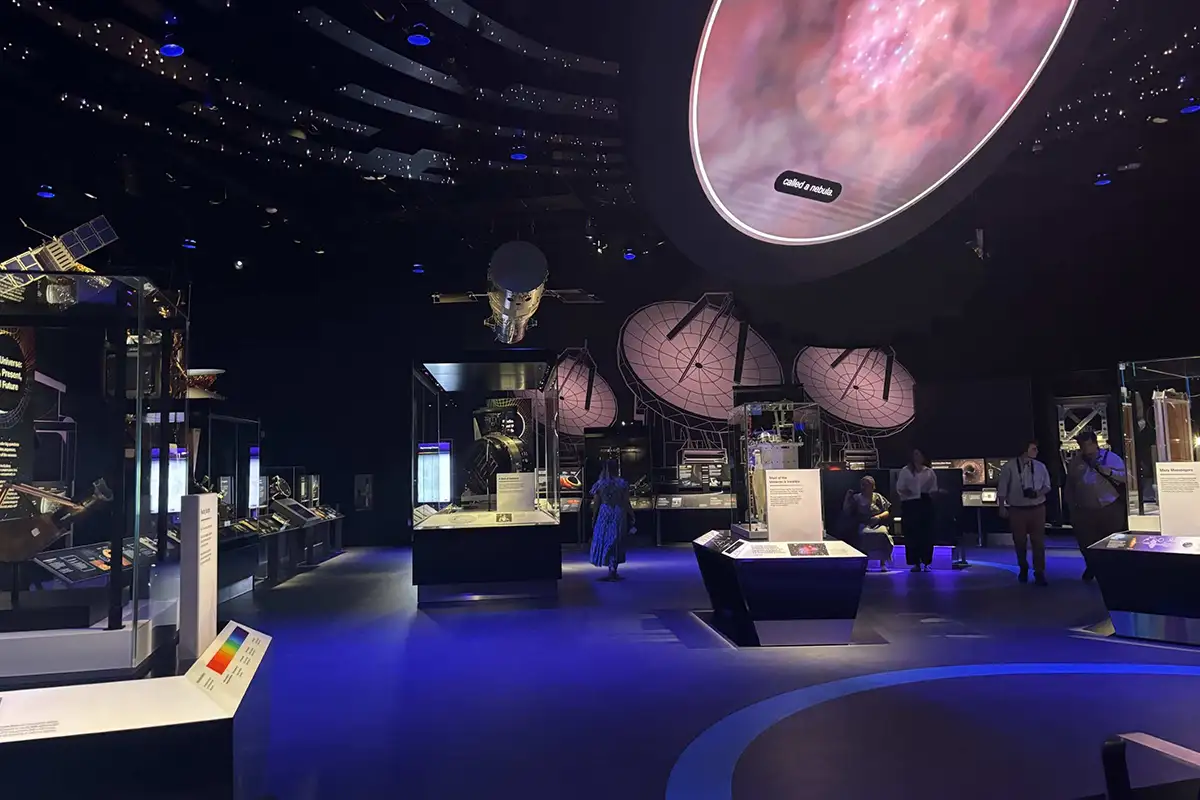
The new U.S. National Science Foundation Discovering Our Universe shows how scientists study and understand the origin, content, and future of space. Wander through the dimly lit exhibit hall to see spectrographs, telescopes, models, cameras, and more. Visitors can also watch videos explaining everything from how telescopes changed astronomy to how the universe began and how it may end.
For a more hands-on experience, families will find plenty to explore in the redesigned TEXTRON How Things Fly. This interactive gallery invites visitors to get hands-on with the principles that make flight possible. It contains over 50 stations demonstrating how the forces of lift, gravity, drag, and thrust influence how aircraft are built. Guests can climb into a full-scale Cessna Skyhawk airplane, experience a walk-in wind tunnel, and even design their own rocket.
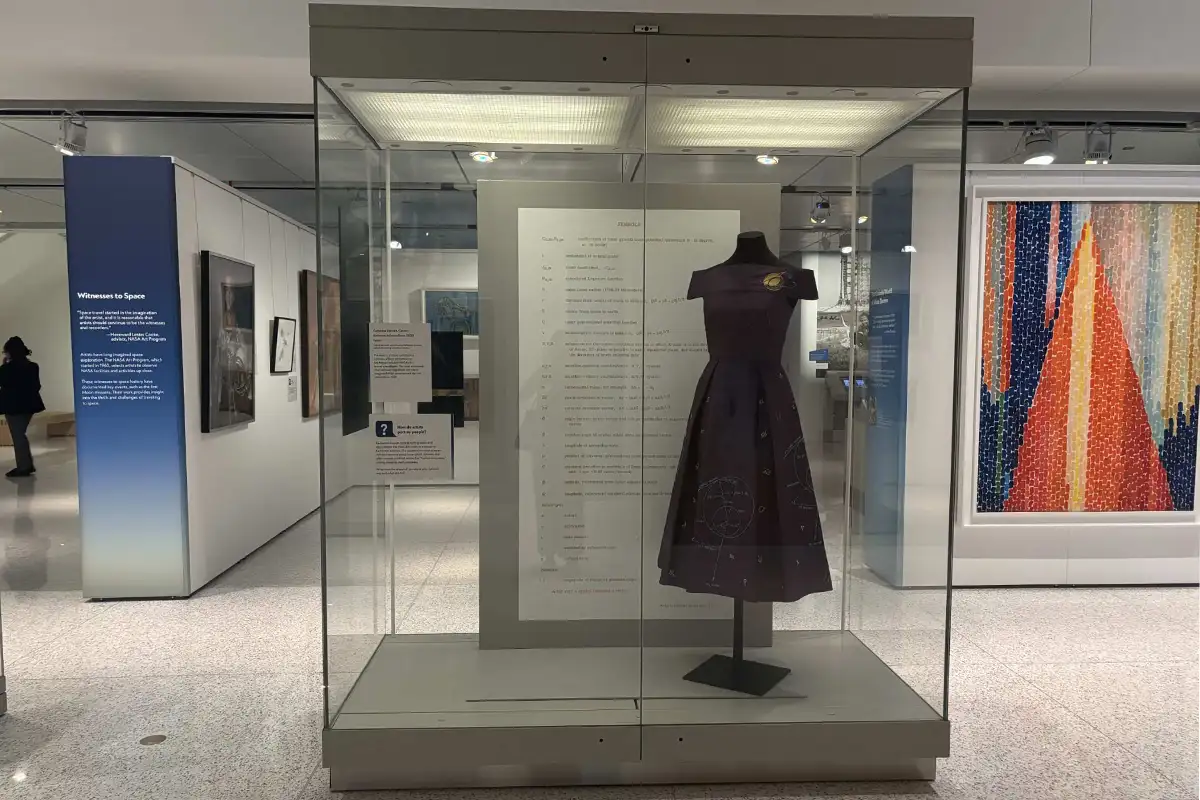
Tucked away in a corner is one of the museum’s best-kept secrets. The Flight and the Arts Center’s new gallery, The Art of Air and Space: Interpretations of Flight, showcases selections from the museum’s collection of more than 8,000 aviation- and space-themed artworks. Displayed items include photos by Anne Leibovitz, paintings by Norman Rockwell, and a dress honoring NASA statistician Katherine Johnson.
The gallery will also feature The Ascent of Rauschenberg: Reinventing the Art of Flight, an exhibition dedicated to artist Robert Rauschenberg. This unique exhibit will be on display for one year only, and include over 30 works by Rauschenberg, many never seen before.
The Smithsonian National Air and Space Museum is open from 10 a.m. to 5:30 p.m. daily, except December 25. Admission is free but timed-entry passes are required. 650 Jefferson Dr. SW, Washington, DC
Feature image of the RTX Living in Space Age Hall courtesy Smithsonian’s Air and Space Museum