In-person events at the Smithsonian are still on hold, but the museums continue to curate a fascinating collection of lectures, seminars, webinars, and classes online. Whether your interests lie in art, history, science, or pop culture, take a break from spring cleaning and delve into something new this month.
Icebound: Shipwrecked at the Edge of the World
March 11, 6:45 p.m., $20-$25
Journalist Andrea Pitzer, author of the new book Icebound, and wildlife biologist and author Jonathan C. Slaght, recount the gripping tale of 16th-century Dutch explorer William Barents, whose obsessive quest to chart a path through the remote sections of the Arctic led to tragedy and glory.
Beautiful Destinations: Botanical Gardens of the World
March 14, 4 p.m.–5:15 p.m., $25-$30
Botanical gardens can be compared to museums with living collections and unique stories. Join naturalist Keith Tomlinson as he surveys some of the most amazing places in the world in the second session of a six-part series focusing on Marrakech’s Majorelle Gardens and Istanbul’s Nezahat Botanical Gardens.
Marie Antoinette at Versailles: Life, Art and Myth
March 15, 6:30 p.m., $20-$25
Decorative-arts historian Stefanie Walker examines the cultural legacy of Marie Antoinette, and why the fascination with this historical figure has been so enduring.
Neuroscience and Art: A Creative Connection
March 16, 2 p.m.–4 p.m., $75-$95
In this class, learn how findings from recent neurological studies on peak shift (how the brain responds to exaggerated stimuli) and the laws of grouping (how the brain organizes visual elements into groups) can help you bring a fresh and creative edge to your artwork.
American TV in the 1950s: A Medium’s Golden Age
March 17, noon – 1:15 p.m., $20-$25
In the post-World War II era, American television flourished with series like Kraft Television Theater and Playhouse 90. In this lecture, Brian Rose, professor emeritus at Fordham University, explores why this Golden Age–and New York City’s dominance of the center of production–was so short-lived.
The Future of Humanity in Space
March 17, 6:45 p.m., $20-$25
Join Michael Summers, professor of physics and astronomy at George Mason University, as he discusses how the use of space resources could lead to human colonization in the solar system and beyond in the coming decades.
Animal Communication
March 18, noon – 1:15 p.m., $20-$25
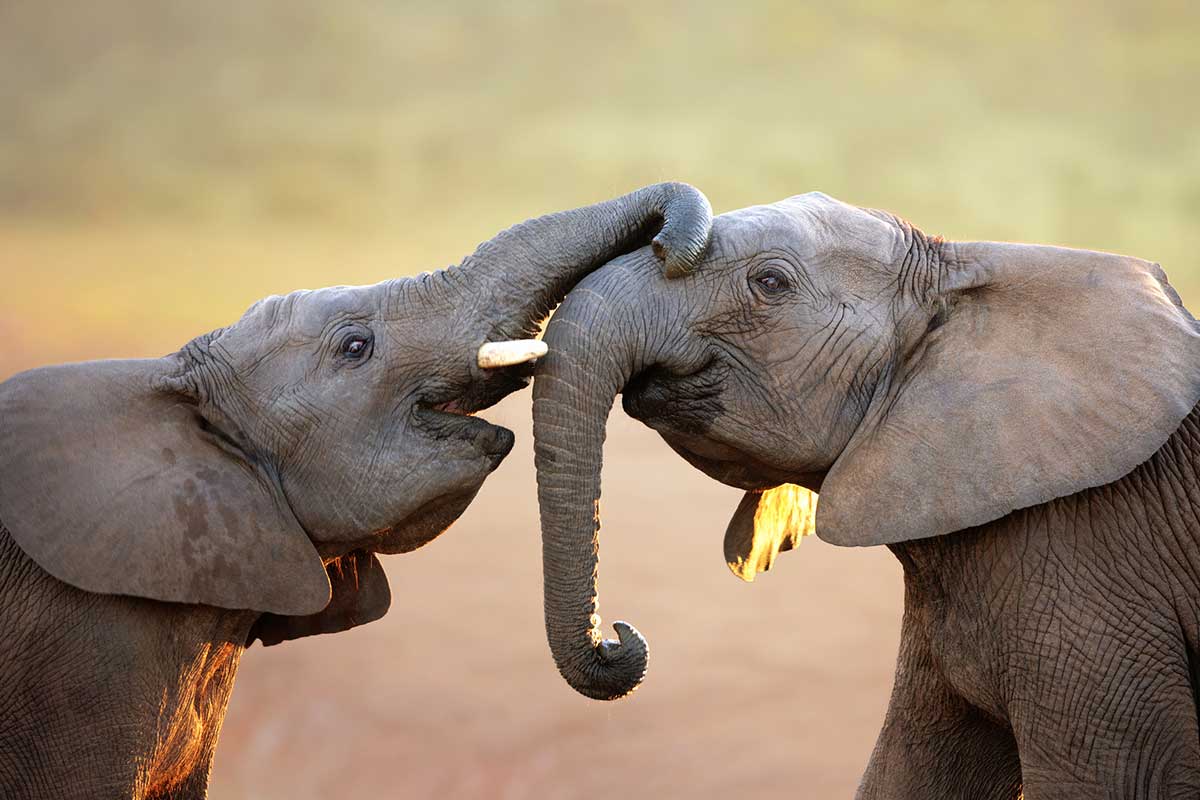
Many of us believe our pets “talk” to us; all animals communicate, from scent-releasing worms to chimps who teach each other techniques to make tools. Arik Kershenbaum, a zoologist at the University of Cambridge, explores the meaning of animal communication in his recent book The Zoologist’s Guide to the Galaxy: What Animals on Earth Reveal About Aliens–And Ourselves. Join him as he hypothesizes whether or not animals are actually saying anything, and if humans will ever be able to understand them.
Nicholas Winton: Britain’s Schindler
March 22, 6:30 p.m., $20-$25
British stockbroker Nicholas Winton saved 669 Jewish children from the Nazis, yet his story remained a secret for 50 years. Historian Ralph Nurnberger recounts the heroic acts from this unassuming citizen, who had no experience in rescue operations but found homes for child refugees in Britain and was subsequently knighted for his efforts.
The Pacific Ring of Fire: A Geologic Overview
March 22, 7:00 p.m., $25-$30
Stretching 25,000 miles in the Pacific Ocean, the Ring of Fire has tectonic movements responsible for earthquake and volcanic activity in places including Peru, New Zealand, Japan, and Alaska. Volcanologist Kirt Kempter provides a detailed intro and primer to one of the most awesomely volatile spots on earth.
The Flavors of Charleston: Signature Foods, Recipe and Their Stories
March 23, 6:45 p.m., $20-$25
Lowcountry cuisine is rich in flavor and history, combining cooking techniques from the Native Americans, the Gullah Geechee, and the European settlers. Chef Kevin Mitchell and historian David S. Shields dive into the region’s rice and seafood specialties, including the signature dish Hoppin’ John.
Forgotten No More: Rediscovering Remarkable Women
March 27, 10:00 a.m. – 3:30 p.m., $80-$90
Celebrate Women’s History Month by spending a day with four experts who share the stories of remarkable women who have been overlooked, uncredited, or forgotten by time: Dutch painter Judith Leyster, biologist Maria Sibylla Merian, pioneers in Progessive politics, and jazz and blues artists including Big Mama Thornton, Barbara Lynn, Big Maybelle, and Alice Coltrane.
For more things to do around NoVA, subscribe to our Things to Do newsletter.