If your child is struggling to learn to read, you’re not alone. Only about 35 percent of students in the United States are reading proficiently. Low reading rates reveal a big problem: many schools and teachers are not providing instruction that teaches children to read fluently. Over the past 50 years, a large body of scientific research has shown that most students can learn to read if they receive explicit, systematic instruction in letters and sounds. But instead of providing the necessary instruction, many are basing reading lessons on a collection of outdated myths.
Myth No. 1: Reading is as natural as speaking.
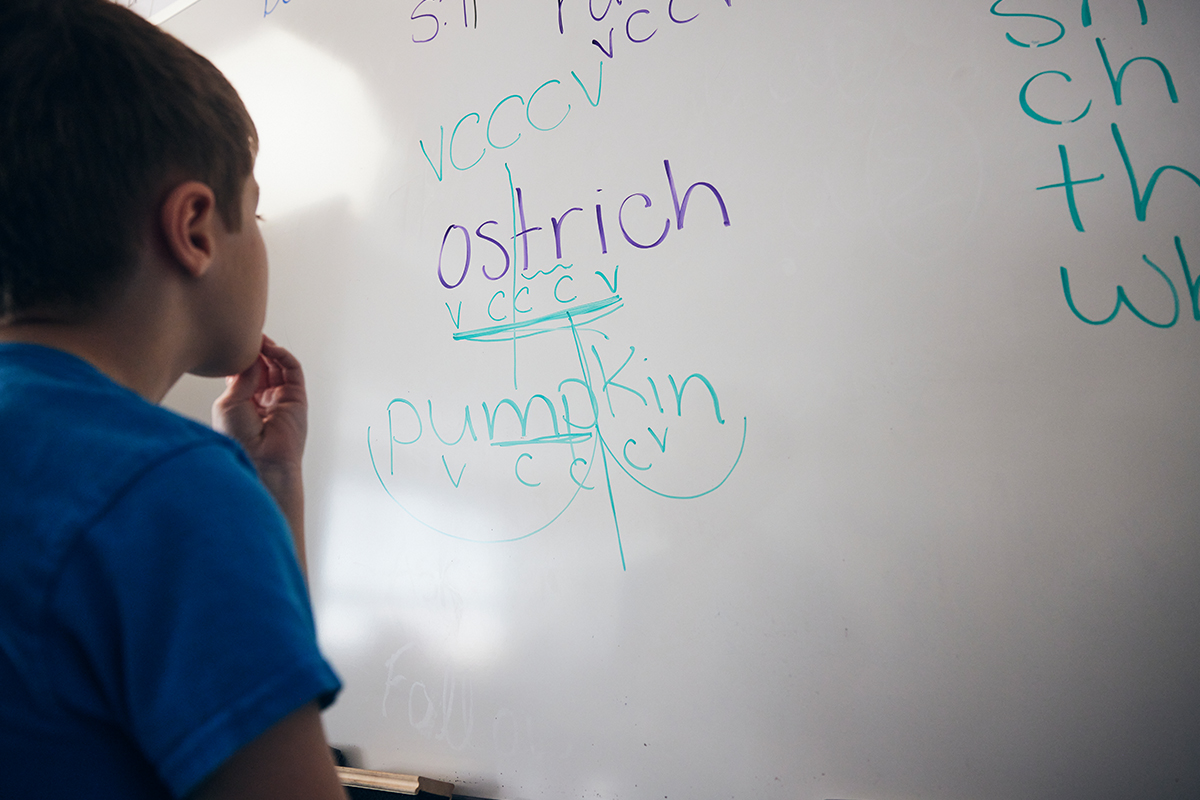
Compared to speaking, reading is a relatively recent human invention, and it is not natural. Brain scans show that reading requires three regions of the brain working together to recognize printed symbols (letters), connect each symbol with a sound, and blend the sounds together to make words. Teachers need specific training to teach students to read proficiently. They need to know the most common sounds and how to represent them so they can guide students from easier reading tasks to harder ones. This systematic and explicit method for teaching reading is called “structured literacy.”
Myth No. 2: Children learn to read by being read to.
Parents and teachers spend a lot of time reading aloud to children, which is a wonderful way to increase vocabulary, and promote curiosity about the world and a love of books. But approximately 50 percent of children require the direct instruction in letters and sounds that they would get from a structured literacy program to read proficiently (Young, 2019), and not just following along with an adult who reads to them.
Myth No. 3: “Just wait and they will catch up.”
When children fail to meet reading milestones in elementary school, parents are sometimes told their child just needs more time to get the hang of reading. Unfortunately, without systematic phonics instruction embedded in structured literacy, struggling readers are very unlikely to catch up to their peers. Students need reading interventions right away, and the sooner the better. It takes four times longer to bring a struggling fourth grade student up to grade level than to do the same for a kindergartener (Lyon and Fletcher, 2001). Struggling readers who are not identified early and do not receive early intervention tend to fall further behind in school.
Myth No. 4: Schools are experts at teaching kids to read.
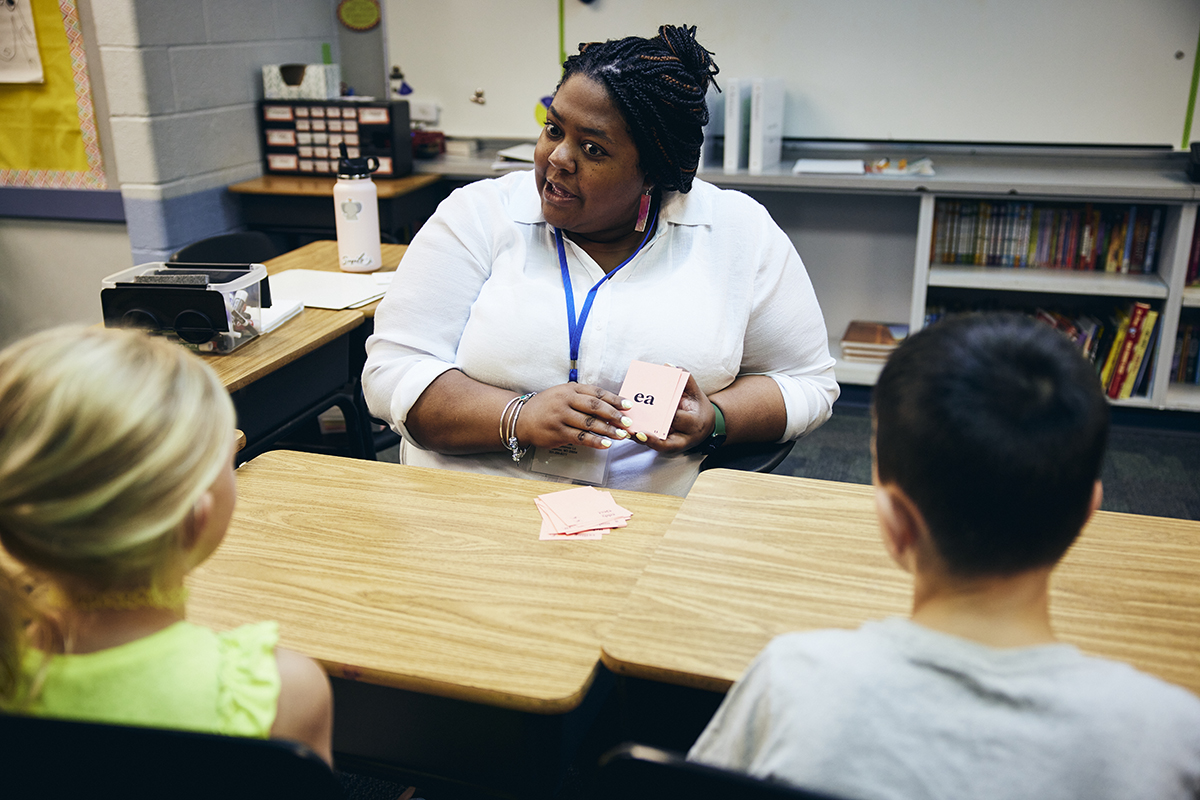
Some schools and teachers continue to take a “balanced literacy” approach to reading instruction. Children are asked to try to read books independently, even though they contain long words and difficult sounds they haven’t been taught. When students encounter words they cannot read, teachers tell them to guess the word, fill in a word that makes sense, or skip the word completely. These strategies make the process of reading slower, harder, and less accurate. Or, in cases where structured literacy is being utilized it’s being done in large groups of students with a scripted curriculum, and not modified to an individual student’s needs.
You can help your child.
Just like basketball and piano, reading is a skill that requires consistent practice and feedback. Set aside 10 to 15 minutes each day to work with your child on reading. Use this time to teach the sounds that each letter makes, break apart unfamiliar words into syllables and sounds, or play card games with words and sentences. Take turns reading aloud decodable books, early readers, or chapter books with your child, focusing on looking at all the letters in each word and sounding out as many words as possible, rather than memorizing them.
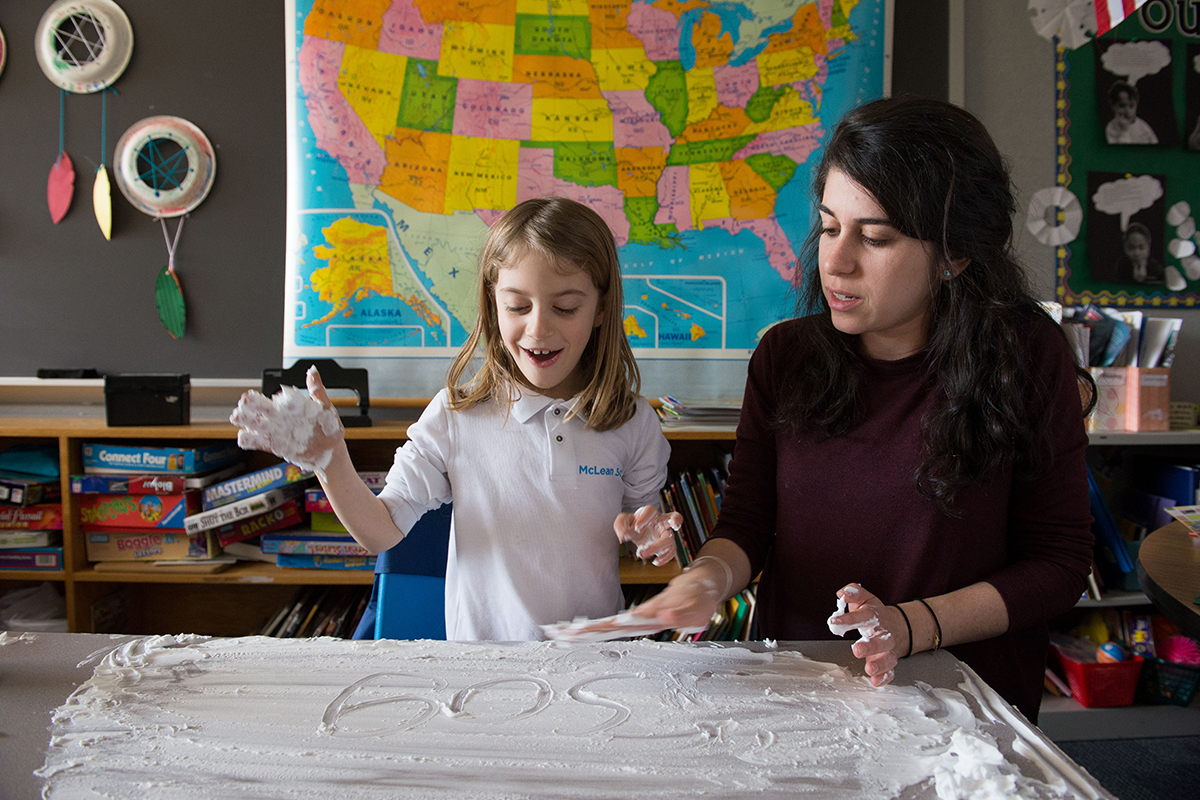
McLean School prepares bright K-12 students, including those with dyslexia, ADHD, and organizational challenges, for college success. Concerned about your child’s reading abilities? McLean offers Complimentary Reading Screenings for Kindergarten – Grade 4 Students.
This is a sponsored post. If you are interested in advertising with Northern Virginia Magazine, click here.