
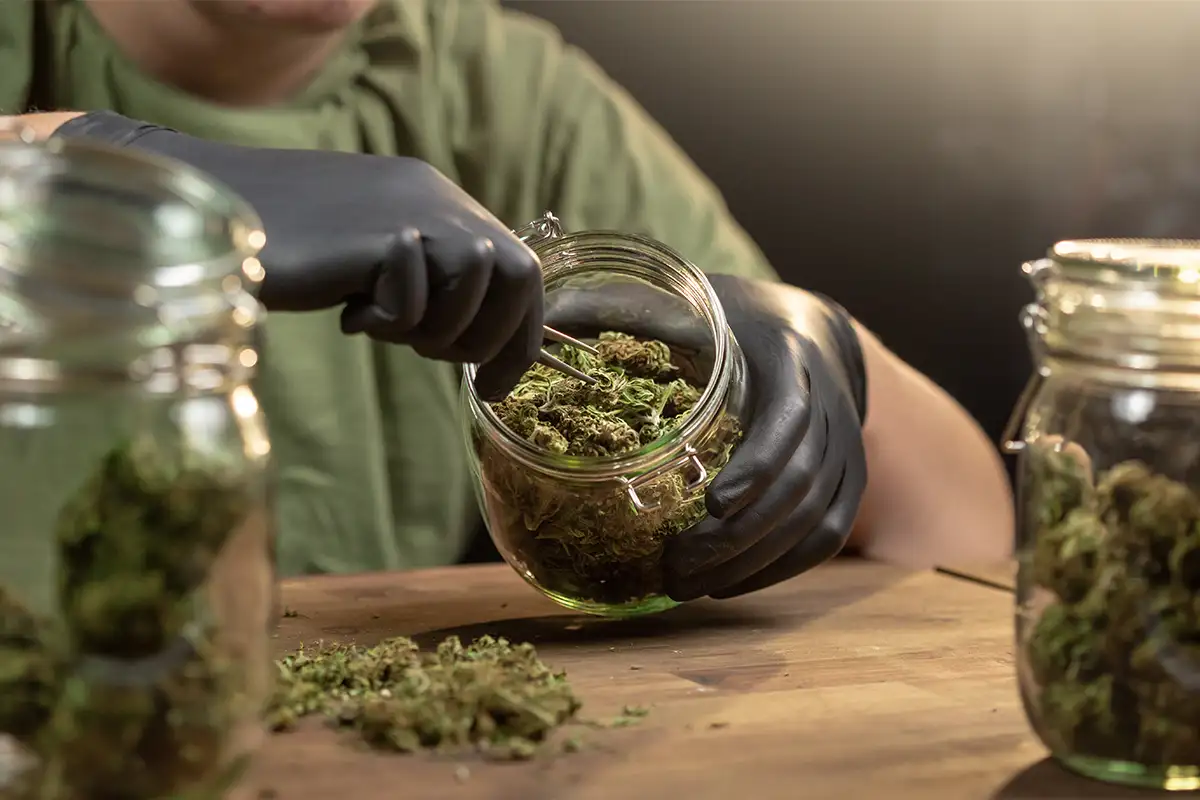
Last month, Virginia Gov. Abigail Spanberger vetoed a retail market cannabis bill. However, on Tuesday, Spanberger announced that she had reached an agreement with the state’s Democratic leadership to create a regulated market. Under the agreement, cannabis sales can legally begin on July 1, 2027.
Spanberger negotiated the new plan with Sen. Lashrecse Aird and Del. Paul Krizek. According to a news release, the compromise legislation “strengthens public safety, establishes greater protections for kids and teenagers, expands safeguards for consumers, and offers greater flexibility for entrepreneurs while prioritizing responsible market development.”
“We will do it in a way that protects consumers, targets the illicit market with clear enforcement and regulatory authority, and creates a more competitive market for small businesses and farmers,” Spanberger said in the release. “This is what good governing and collaboration look like — bringing people together, listening to families and public safety leaders, and focusing on solutions that are practical, enforceable, and in the best interest of Virginians.”
Regulated Cannabis Market Terms
Some of the conditions of Virginia’s retail cannabis market proposal include:
- A maximum of 350 retail cannabis establishment licenses — comparable to commercial markets in other states — and increases the possession limit from 1 ounce to 2 ounces.
- Child safety protections that include prohibitions on cartoon advertisements, requirements for child-safe packaging, and prohibitions on products sold in the shape of animals, fruits, vehicles, or humans.
- Virginia’s Cannabis Control Authority can maintain a public licensee registry and establish a tip line for members of the public to anonymously report concerns about illicit practices.
- Cannabis sales revenue can be used to fund early child care and K-12 education programs as well as public health initiatives.
- A 6% state tax rate on cannabis products. After July 1, 2029, the state tax will increase to 8% to generate additional revenue for education and public health programs.
The legal retail cannabis market plan is still contingent on a finalized state budget.
Feature image, 24K-Production/stock.adobe.com