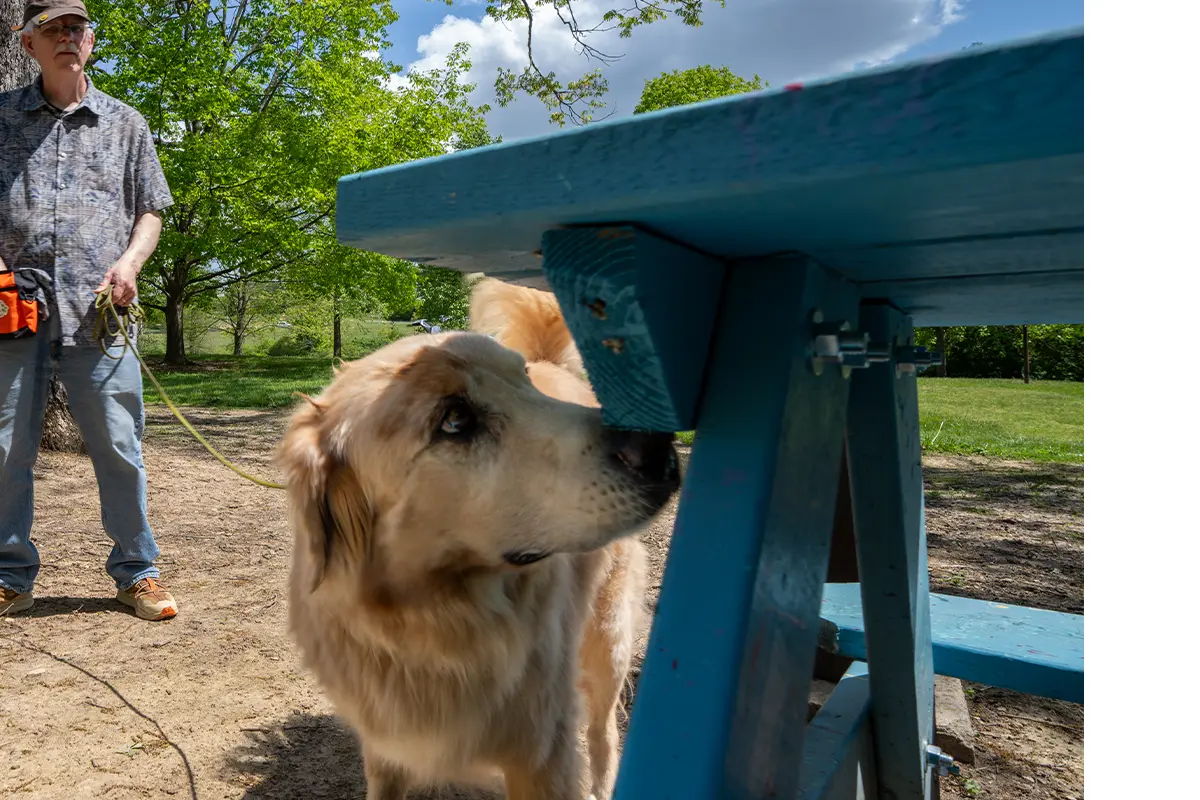
A new study led by Virginia Tech proves once again that dogs are super sniffers. The study found that volunteer dog-handler teams effectively detected the elusive egg masses of the spotted lanternfly. The invasive insect is damaging foliage and fruit trees across the eastern and central United States.
This is the first study to show that citizen dog-handler teams can achieve spotted lanternfly egg detection success rates comparable to professional conservation detection dogs.
“These teams demonstrated that citizen scientists and their dogs can play a meaningful role in protecting agriculture and the environment from invasive species,” Sally Dickinson, the study’s lead author, said in a release. Dickinson recently earned her Ph.D. from Virginia Tech’s College of Agriculture and Life Sciences. “With proper training, dog owners can turn their pets into powerful partners for conservation.”
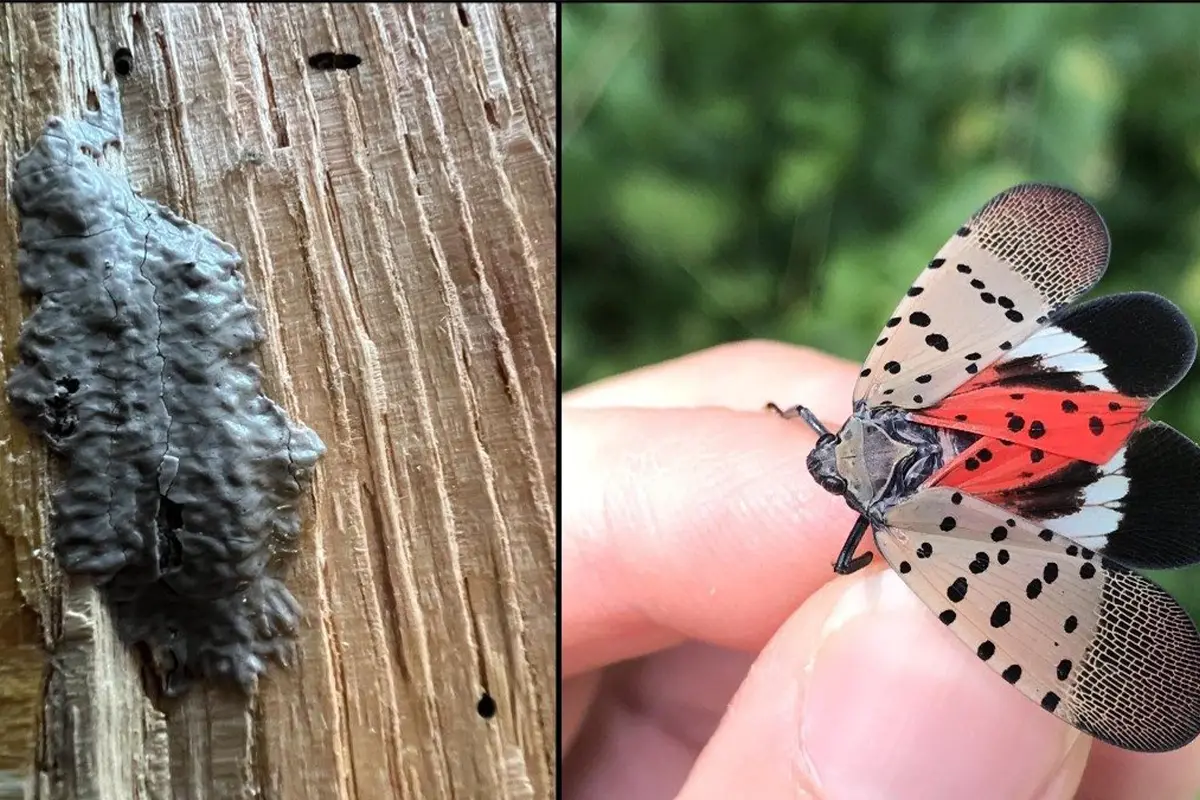
Spotted Lanternfly Detection Study
The Virginia Tech study included 182 dog-owner teams from across the U.S. They were given non-hatching lanternfly egg masses as training aids. The handlers trained their dogs at home or in small groups, with oversight from a designated local trainer.
After several months of training, the dogs were put in indoor and outdoor test environments. Dogs correctly identified the egg masses 82 percent of the time in the controlled tests. In real-world field trials, accuracy dropped to 61 percent — but that’s still better than many human searches. Of the dogs that passed both tests, 92 percent were successful in finding live egg masses with minimal extra training.
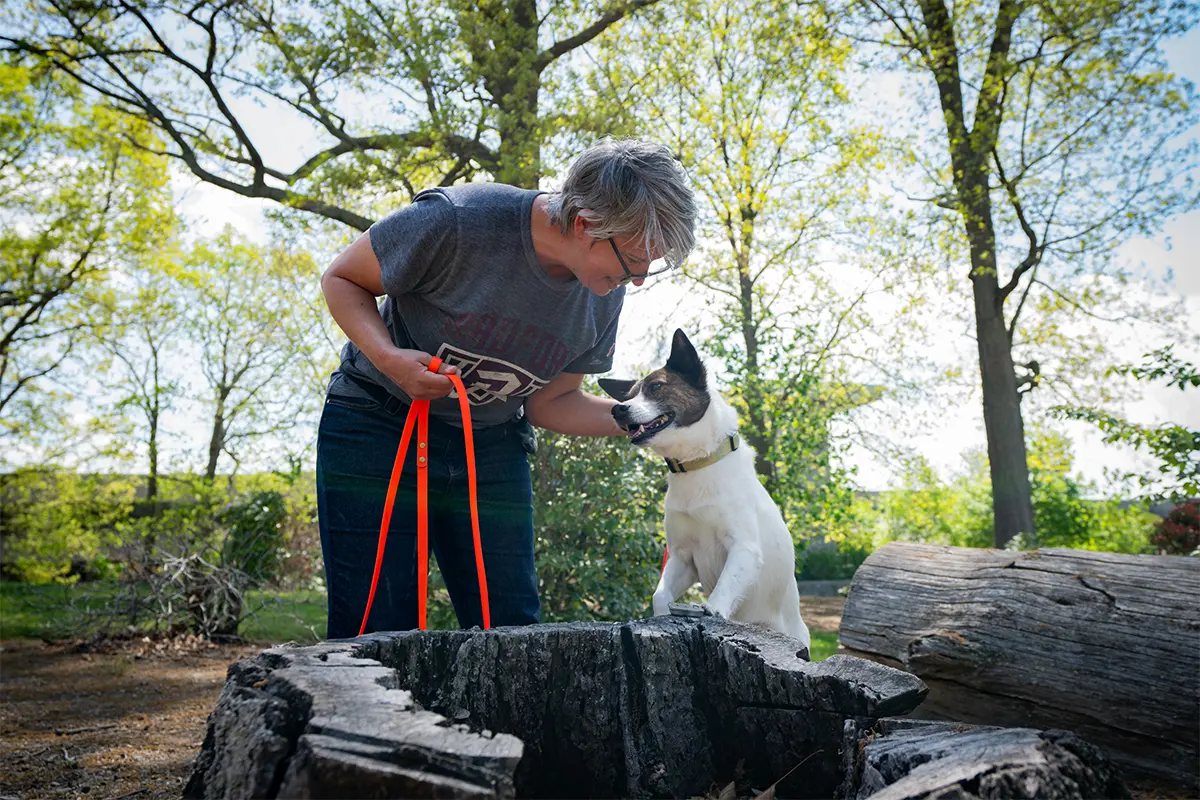
And researchers are finding that pet dogs can help sniff out other agricultural pests, too. Another recent study showed that trained pet dogs could also detect powdery mildew, a major fungal disease of grapes and vineyards, with more than 90 percent accuracy.
Dickinson, a career search-and-rescue canine handler, says these research studies reflects her personal mission to give more dogs and their owners a chance to do meaningful work. “This research is about more than detection,” she said. “It’s about empowering people to work alongside their dogs to protect the places and communities they care about.”
Feature image courtesy Clark DeHart for Virginia Tech