On his first day in office back in January, Virginia Gov. Glenn Youngkin signed an executive order that his office said delivered on his campaign promise to pull out of the Regional Greenhouse Gas Initiative, or the RGGI. But why does Youngkin say he wants to exit the program, and does his executive order actually withdraw Virginia from the RGGI?
In 2020, Virginia became the first southern state to join the RGGI, an effort in many northeastern states to set a maximum amount of carbon emissions that power producers can emit and charge them for what they do discharge.
“The reason that Virginia joined RGGI is because we can make more progress, faster, by working in collaboration with the other states in our region,” explains Edward Wile Maibach, the director of George Mason University’s Center for Climate Change Communication, in an email. “Air pollution doesn’t honor state lines.”
While Youngkin claimed in his executive order that Virginia’s involvement in the RGGI would lead to an “unpredictable and rising cost of electricity,” the funds from the RGGI market auctions are critical to address the climate crisis and the related issues that hurt low-income or vulnerable Virginians, according to Nate Benforado, a senior attorney with the Southern Environmental Law Center, a nonpartisan regional nonprofit based in Charlottesville.
Benforado also points to a Connecticut-based nonprofit’s 2019 review of the RGGI’s impact on the states participating in the first decade of the pact. Their evaluation found the program has brought “substantial benefits” to participating states; in particular, carbon dioxide emissions from power plants in RGGI states fell by 47 percent, electricity prices actually fell 5.7 percent, and proceeds from RGGI allowance auctions totaled $3.2 billion in the first decade.
“RGGI has generated significant economic benefits for states participating in the program,” the Arcadia Center report noted. “By selling allowances, RGGI states raise revenue to reinvest in energy efficiency, renewable energy, and other consumer programs that increase economic activity in participating states.”
So does the executive order actually withdraw the state from the RGGI? Not exactly. For now, Virginia is still participating in the emissions auctions.
“The regulation is still on the books requiring power plants to obtain allowances for their emissions,” Benforado said.
Instead, Youngkin’s January executive order directs the Virginia Department of Environmental Quality, or the DEQ, to draw up a report “re-evaluating the costs and benefits of participating in the RGGI.” Additionally, Benforado explained that it requires the “DEQ to develop two regulatory proposals that would ‘repeal’ the underlying regulation”: an “emergency” regulation and an additional rule that would make the “emergency” regulation permanent.
“However, we do not think the regulation can simply be repealed unless the law changes,” Benforado says.
In an email, Narissa Turner, the climate and energy policy manager of the Virginia Conservation Network, a coalition of state-based environmental organizations, called Youngkin’s attempt to use an executive order to withdraw from the pact “an unprecedented overstep of power by the governor.”
“No governor can issue an executive order to just undo regulation that went through the legislative process,” she notes. Benforado states that his organization believes “that Virginia’s participation in RGGI is actually required by the 2020 law” unless otherwise repealed by the legislature itself.
And even if the underlying law is repealed, Benforado says, the state will need to find a way to address the elevated temperatures and increasingly frequent storm-related floods stemming from the climate crisis projected to “cost the Commonwealth tens of billions of dollars in repair and infrastructure costs, not to mention public health costs.” Proceeds from Virginia’s first year of allowance auctions the following year amounted to almost $228 million, which the Virginia Mercury reports went toward flood protection and low-income energy efficiency programs in the state.
In addition to Virginia, states participating in the RGGI are Connecticut, Delaware, Maine, Maryland, Massachusetts, New Hampshire, New Jersey, New York, Rhode Island, and Vermont.
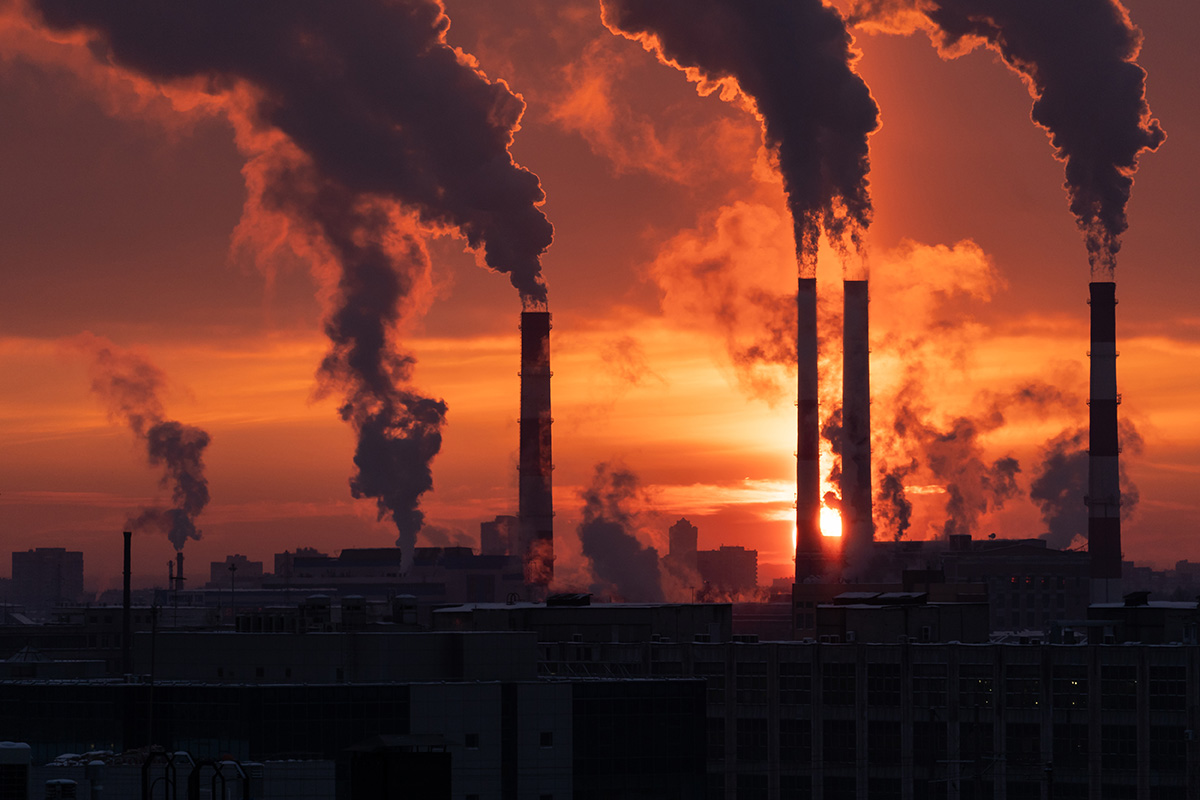
Feature image, DimaBerlin/stock.adobe.com
For more stories like this, subscribe to our News newsletter.