By Sharon Curcio, MS, CCC-SLP, lead speech-language pathologist of outpatient services at Children’s National Hospital based in Northern Virginia.
Language delays in young children have become increasingly common in the years following the COVID-19 pandemic. Now more than six years removed from its onset, experts are beginning to better understand the long-term impacts on this generation. Extended time indoors, reduced social interaction, absence of in-person learning, and increased reliance on screens during critical early years disrupted language development.
With awareness and intentional support, parents and caregivers can play a powerful role in helping children build and strengthen these essential skills.
How Early Experiences Evolved
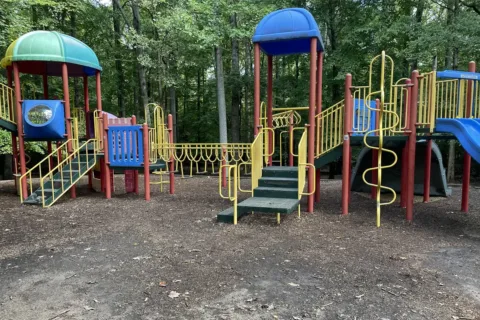
Children who, because of the pandemic, missed many early developmental milestones are 5 to 7 years old now and are reaching a stage where language skills should be expanding rapidly on a strong foundation. However, many missed out on key early experiences, like playgrounds, playgroups, story times, and other social settings that typically foster communication and language growth.
Speech-language pathologists across the country are observing the effects. Limited peer interaction during formative years has contributed to delays in expressive, receptive, and social language skills.
At the same time, families were heavily reliant on screens during the pandemic as a way to manage daily life. As a result, some children today are more adept at navigating a tablet than engaging in hands-on play like building blocks, completing puzzles, or interacting with toys – activities that are foundational for language development.
The Milestones that Matter
Understanding developmental milestones can help parents identify potential concerns. By 12 to 14 months, most children use a mix of single words and babbling, can follow simple one-step commands and begin using early gestures like pointing and waving. They also start trying to imitate sounds they hear.
Red flags at this age include not responding to their name, not understanding simple familiar words or not making any babbling or speech sounds.
Around age 2, a child should use at least 50 single words and start combining them into simple, two-to-three-word combinations. Warning signs at this stage include having fewer than 50 words, not combining words, struggling to follow simple directions, lacking imitation skills, or having speech that is very difficult to understand.
Delays in reaching these milestones can signal the need for additional support. Early intervention is key. Addressing delays sooner rather than later helps prevent gaps from widening and reduces the risk of future academic and social challenges.
Building Language Through Everyday Life
One of the most important lessons to emerge from the pandemic is the value of parent or guardian involvement in language development. When caregivers are actively engaged in and trained to use language facilitation strategies, children tend to make stronger progress.
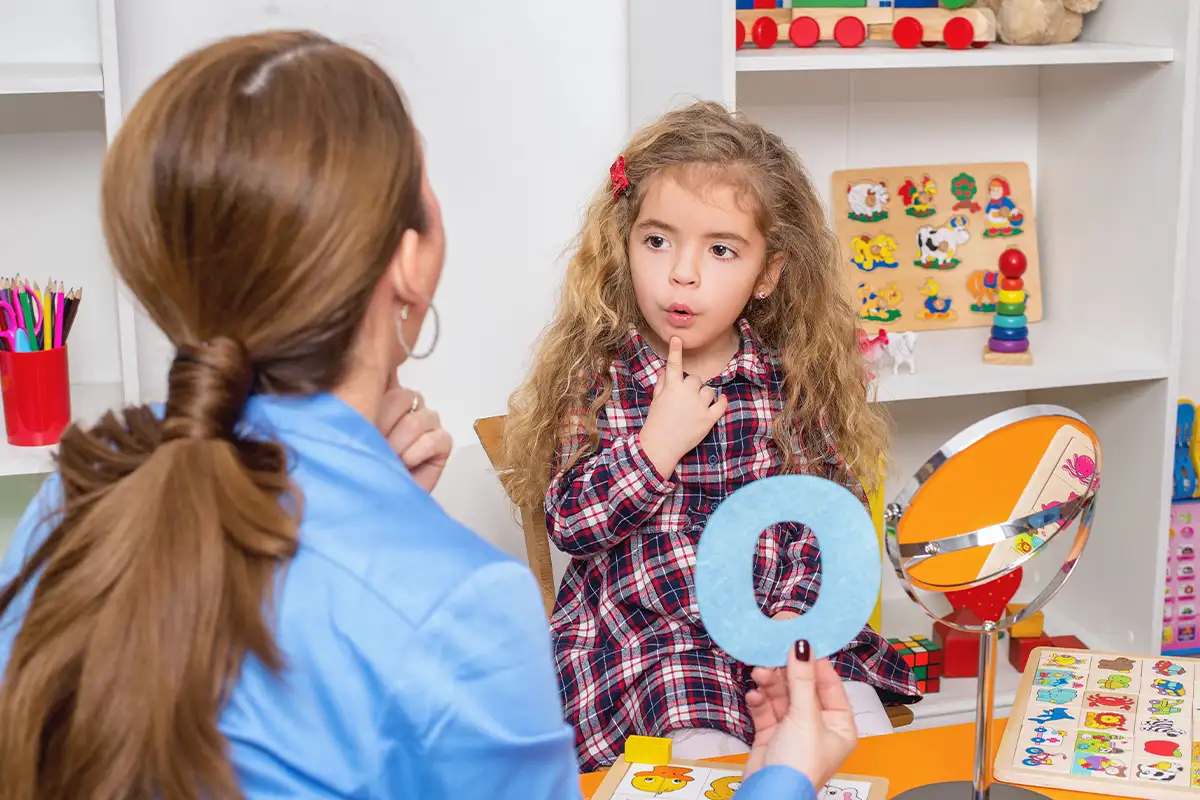
Often, the most effective learning happens when parents carry out simple speech therapy techniques in everyday routines. For example, strategies like speaking slowly, using short sentences, repeating words and phrases and encouraging the child to imitate words or sounds, provide consistency and stronger results.
Daily routines are also full of opportunities for connection and language growth:
- Play and sing together
- Introduce simple toys to expand imaginative play
- Talk through everyday activities like meals, bath time, and bedtime
- Read each night and make comments about the story and illustrations
- Label items and pictures
Reducing screen time is also important. When screens are used, choosing educational, interactive content, and participating alongside your child can make it more meaningful.
Language doesn’t develop in isolation, but rather it thrives through interaction. Creating opportunities for your child to engage with others can significantly boost their skills, whether it be through play dates, birthday parties or other group activities. Even small moments in everyday language-rich activities, like preparing a meal or talking about what you see on a walk, can build confidence in language.
Taking the Next Step
If you’re concerned about your child’s language development, start by discussing it with a pediatrician who can help determine whether monitoring or further evaluation is appropriate.
While some providers may take a “wait and see” approach, it’s important to trust your instincts. If you feel your child would benefit from seeing a specialist, you can often seek an evaluation directly.
From there, a speech-language expert can assess your child’s communication skills and may also recommend a hearing evaluation, as there is a high correlation between chronic ear infections and speech and language delay.
If your child is diagnosed with a speech and language delay, intervention can be obtained in a variety of contexts, from healthcare centers and clinics to private practices, schools, and county-based early intervention programs. Telehealth has also emerged as a valuable option. It increases access to care and allows parents to observe and learn strategies they can continue using at home.
At the end of the day, supporting a child’s language development is all about presence, consistency and awareness. By staying informed, engaging in everyday interactions, and seeking help when needed, guardians are laying the foundation for the long-term success of the next generation.
Want to hear more from Children’s National experts? On The Lead in Peds podcast and Rise and Shine blog, pediatric leaders share the stories, science and practical tips shaping children’s health, from major breakthroughs to everyday care.
Feature image, stock.adobe.com