The plethora of wineries prove that grapes can successfully grow in Northern Virginia. But recently, the region is home to a variety of new and somewhat unexpected crops. To celebrate the edible diversity, we spoke to three farms in our region to learn how they’ve put their green thumbs into action to grow plants most of us never thought possible in Virginia.
Green Hills Garden and Nursery, Lovettsville
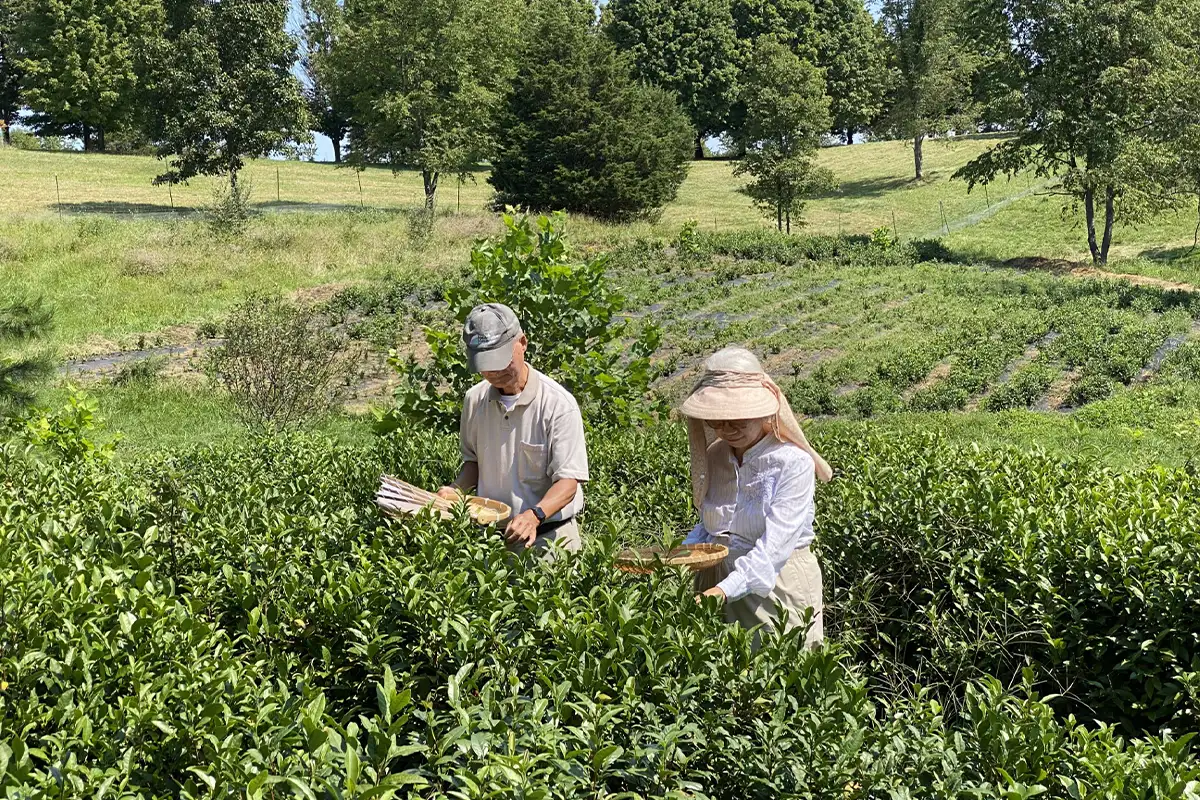
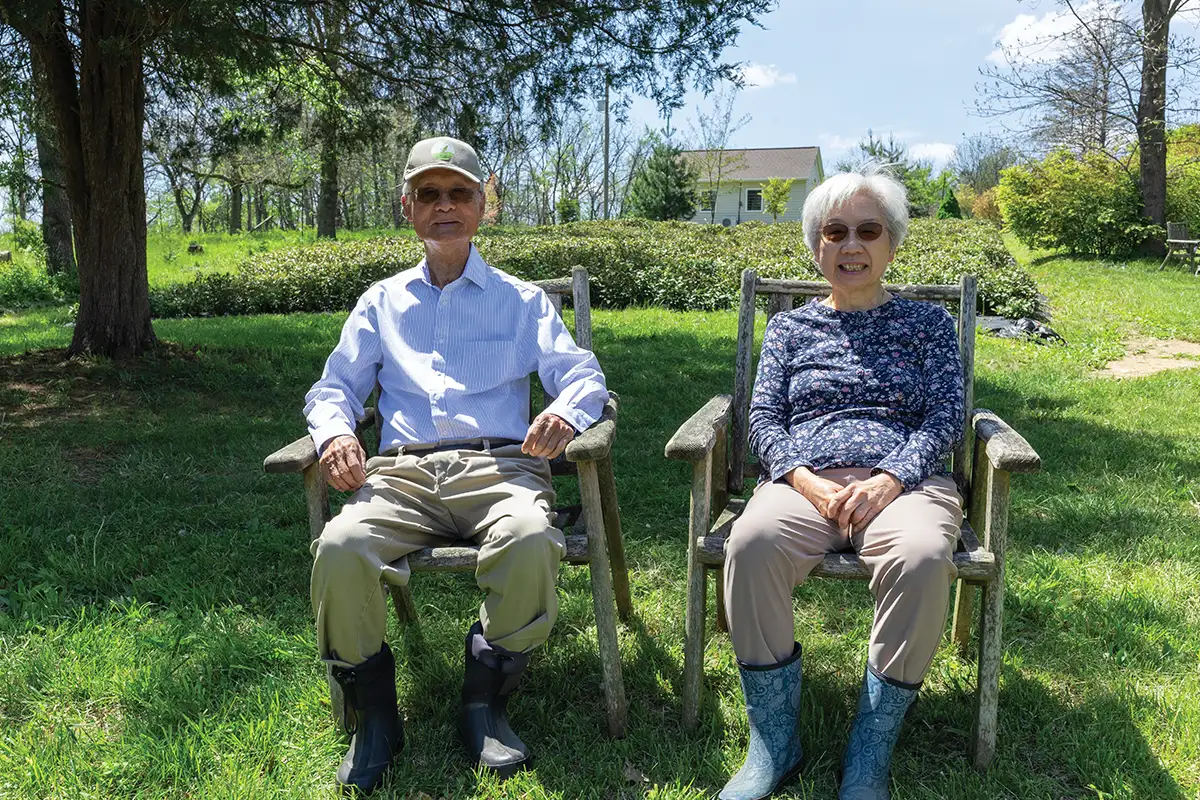
If Green Acres had been filmed in Korea, it might have looked something like Green Hills Garden. Yun Joo Lee, a retired physician, grew up in Seoul, a city girl to the core. As for her husband, Young Joon, a retired economics professor, “He’s a country boy,” says Yun. “His father was an orchard owner.”
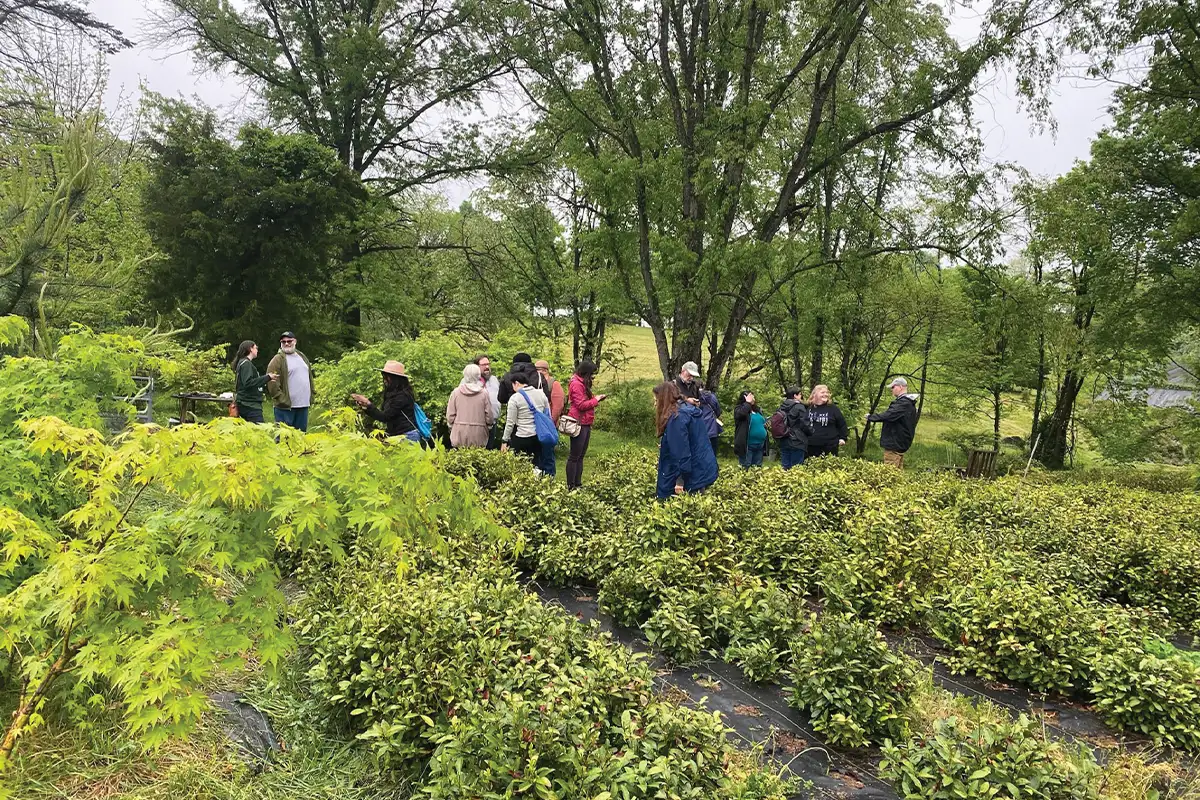
When Young proposed moving to a farm in Loudoun County, Yun says her reply was, “No way, Jose.” But they both fell in love with a plot of land in Lovettsville. In 2015, the couple became tea farmers, and now they boast 500 plants — with more to come this summer.
“Nobody knew anything about green tea here, including the professor who was our primary investigator,” says Yun. She worked with the county’s extension agency and Virginia Tech to obtain two USDA grants. The value-added producers grant has helped them to buy equipment that makes the oxidation and roasting processes that transform verdant leaves into tea more efficient, Young explains.
The result is three varieties of tea, harvested from hardy Korean camellia sinensis cultivars. Sunrise and Moonlight are subtle sips with a hay-like flavor that recedes to reveal umami and fruity notes. Green Pasture is a balhyocha, a variety of Korean fermented tea that can be difficult to find in the United States.
The couple learned their farming and preparation skills from government-certified masters in Korea who generously shared their knowledge about tea and longevity — no small thing for farmers who started after retirement and rely on the kindness of their church family for help with the summertime harvest.
They sell their tea online as well as at Dominion Tea’s Purcellville tasting room and Elden Street Tea Shop in Reston.
Virginia Truffles, Rixeyville
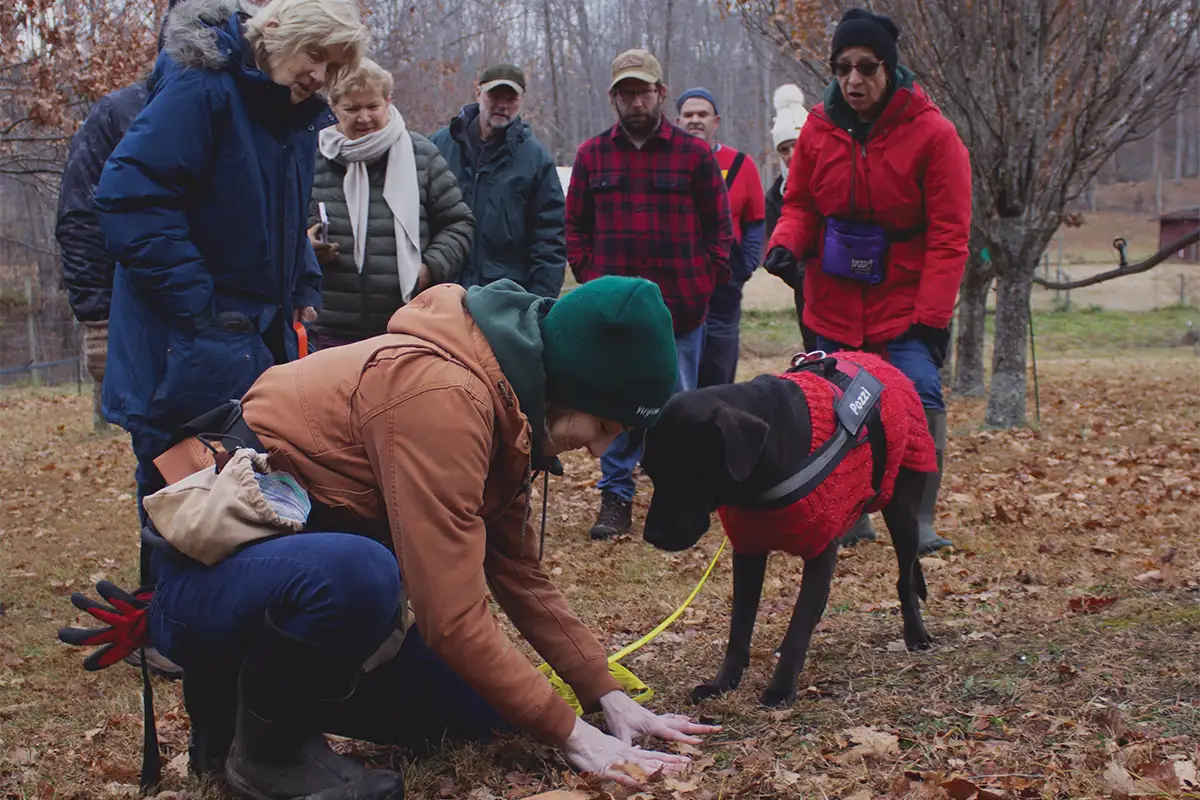
“Virginia is similar in climate to the areas of France and the Adriatic where truffle natively grows,” explains Vanessa Shea. Shea and her chef husband, Adam, took over her parents’ truffle farm and harvested their first Tuber melanosporum — commonly known as the black Périgord truffle — in 2018.
All they had to do to replicate the more ideal European growing circumstances was to manipulate the soil to suit the fungus.
Since beginning to welcome truffle hunt visitors in 2020, the Sheas have created a booming agritourism business. The couple hosts hunts and dinners during winter months and truffle cultivation workshops at other times of year. They even bring their truffle hounds to a local bookstore to educate local children about the farm.
But there’s nothing quite like tasting the truffles. And Adam — a Johnson & Wales University graduate who has cooked at high-end hotels, including The Ritz-Carlton and The Greenbrier Resort — shows off his culinary cred by serving four-course meals to truffle hunt guests. He’s also written a truffle cookbook, Rixeyville Riches.
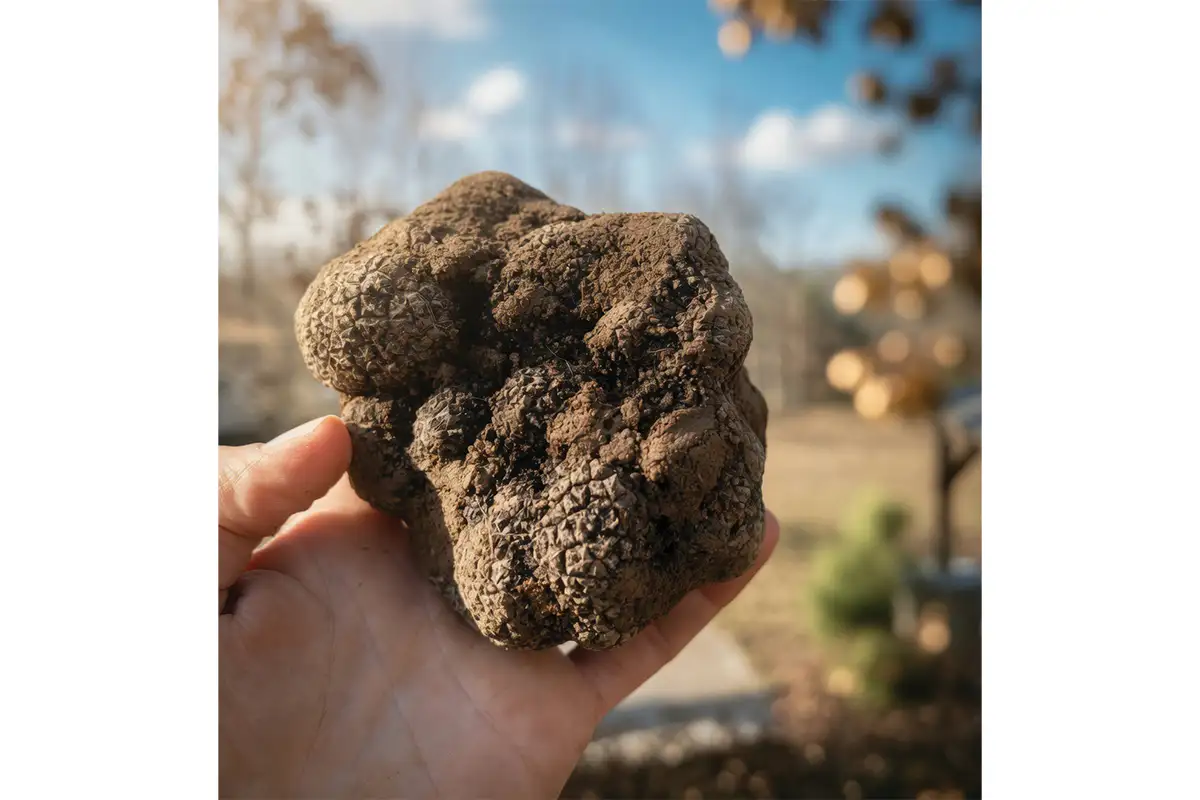
His recipe secrets include infusing deviled eggs with truffles. “Eggs are super porous,” he says. “All that fat that makes up an egg will suck that flavor right out of a truffle.” He uses a similar hack to make fresh cream taste earthy by using homegrown black Périgords in truffled carrot bisque.
“He has changed the culinary game of our truffle hunts. The food is amazing, and he is probably one of the few people who has worked with as much truffle as he has,” says Vanessa.
The culinary couple sells the truffles at the hunts and dinners but hasn’t yet ventured into commercial production. Those lucky enough to live nearby may not be treated to stray Périgords, but the couple says they do share the glut of fruits from their trees with their neighbors. Apples, cherries, peaches, pears, plums, and pawpaws grow on their grounds.
Adam says it’s part of his five-year plan to grow more of his own vegetables, as well. “Otherwise, we grow rocks and dogs,” jokes Vanessa.
The Farm 1858, Aldie
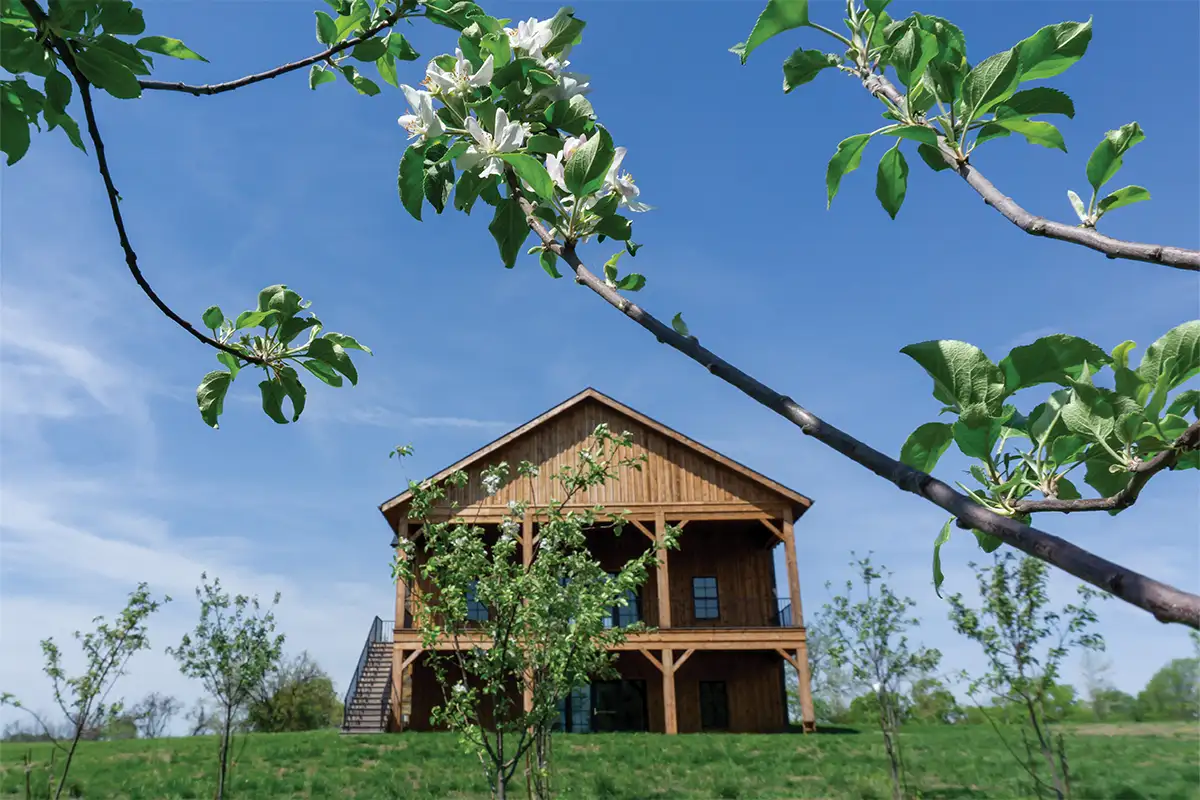
When Remington Ash and her developer husband, Kevin, purchased the land in Aldie now known as The Manor 1858, they got straight to work. “We renovated the beautiful stone barn that is on property, and we planted 100 apple trees,” she recalls. Now in their third season, the trees are already bearing fruit.
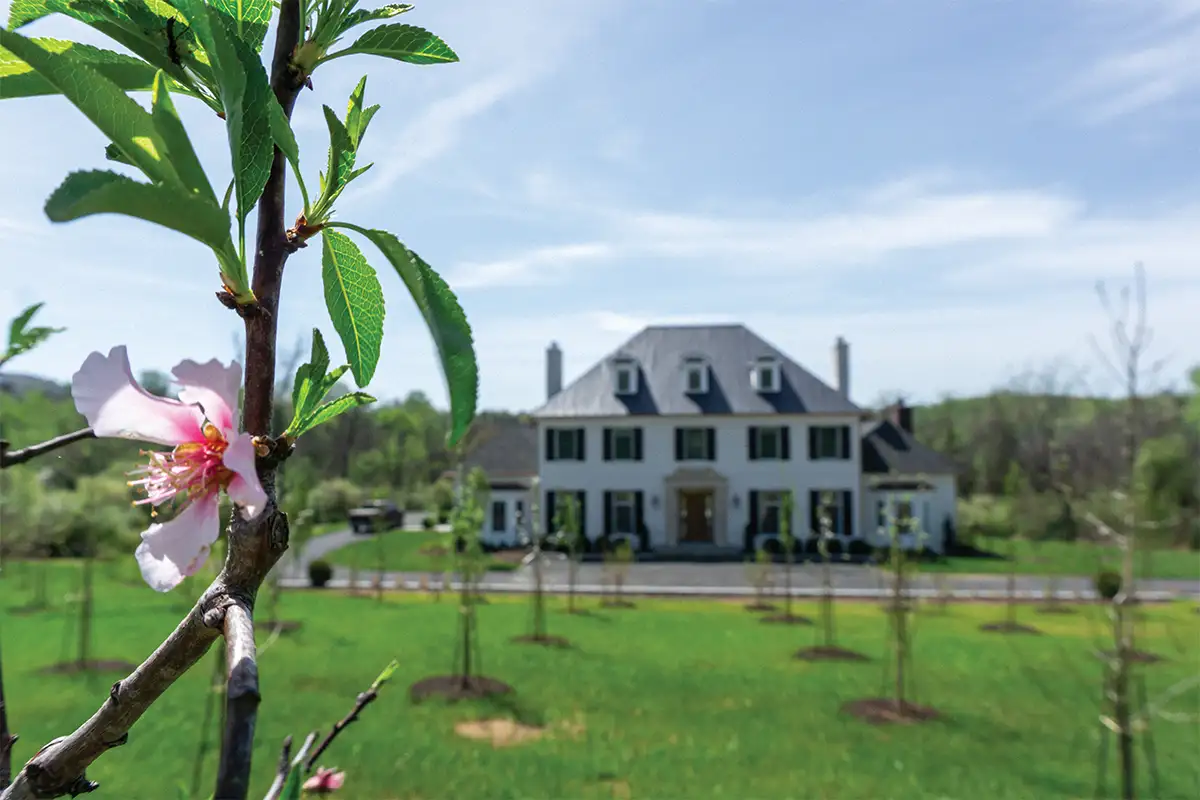
But that was just the beginning. Ash and her team at The Farm 1858 recently planted 76 different varieties of fruit trees. Those include atypical cultivars of many usual suspects like peaches, plums, and pears, but also some surprises, among them fuyu persimmons and almonds.
The Manor 1858 is part of the Ashes’ Hotel Burg in Leesburg. Their chef, Vincent Badiee, formerly of The Restaurant at Patowmack Farm, now helms The Huntōn. He knows a thing or two about growing the wares that will make it onto his table. And so, at The Farm 1858, Badiee is pursuing a pet project: growing his own olives to make oil.
Eight olive trees arrived at the farm in May 2025. In order to withstand the winter, they’ve been potted so they can be brought inside. While working at Oasis Sapori Antichi, a Michelin-starred restaurant outside of Naples, Italy, Badiee learned the craft of turning olives into oil.
“I just want to share that whole experience with everybody. Just trying to get us closer to the food that we’re producing without any middleman, without unnecessary stuff,” says Badiee. “If I can do it organically and sustainably, and in the process teach people, that’s really all I want to do with this stuff.”
Don’t expect house-grown olive oil on tables at The Huntōn for about five years, Badiee warns. However, he says, guests can plan on educational dinners and farm tours, which will soon include visits to the three onsite beehives.
Feature image courtesy Green Hills Garden
This story originally ran in our June issue. For more stories like this, subscribe to Northern Virginia Magazine.