Dr. Angela Hsu, MD, is a board-certified geriatrician with the Mid-Atlantic Permanente Medical Group and director of the Memory Care Program. She sees patients at the Kaiser Permanente Tysons Corner Medical Center.
Walk down any pharmacy aisle or scroll through social media, and you will see products labeled as “brain support” or “memory boosters.” These products and claims suggest an easy, over-the-counter solution to preventing memory loss.
In fact, an AARP survey found that 1 in 5 adults 50 and older take a vitamin or dietary supplement for their brain health. The top reason is to maintain or improve memory, according to AARP, and to maintain or improve mental sharpness.
However, do these supplements actually work? And what steps can you take to truly boost your memory and brain?
The Problem with Memory Supplements
Interest in memory supplements is widespread, fueled by advertising that makes bold, appealing claims. Many people assume that because these products are widely available and heavily marketed, they must be effective. In truth, most are not.
Dietary supplements are not regulated by the U. S. Food and Drug Administration and are not required to demonstrate effectiveness. As a result, many products reach consumers without rigorous scientific validation. Looking closely at the research cited by manufacturers often reveals little, if any, evidence to support their claims.
Without strict regulation, we are left wondering what exactly is in each supplement, or in what amounts. Quality, purity, and consistency can vary widely from bottle to bottle and from brand to brand.
Most so-called brain supplements are built around familiar ingredients, such as B vitamins, omega-3 fatty acids, or plant-based compounds. But there is no sound evidence showing that these combinations improve memory or cognitive performance.
“Natural” Doesn’t Mean Safe or Effective
Herbal supplements often carry a strong appeal. Ingredients such as turmeric, ginseng, and ginkgo biloba are frequently positioned as natural solutions for inflammation, circulation, or brain health. But the evidence is lacking. And, herbal supplements introduce another risk: contamination. Products can contain heavy metals such as lead or cadmium, particularly when sourcing and manufacturing are not tightly controlled.
Even when laboratory studies suggest potential benefits, such as anti-inflammatory effects, those findings rarely translate into improvements in human memory. Across a wide range of herbal and plant-based supplements, no option has been reliably shown to enhance cognitive function in clinical studies.
When Early Research Becomes Overhyped
Promising findings, especially from small or early-stage studies, can quickly gain attention before they are fully understood. Research conducted on animals, for example, frequently generates excitement but does not necessarily predict outcomes in humans.
Lithium and creatine have drawn attention for their potential cognitive effects. In the case of lithium, early results in animal models showed improvements in memory. However, these findings are preliminary and not applicable to routine human use. Similarly, small studies of creatine in individuals with Alzheimer’s disease have suggested possible trends toward improvement, but more research is needed.
Multivitamins May Help
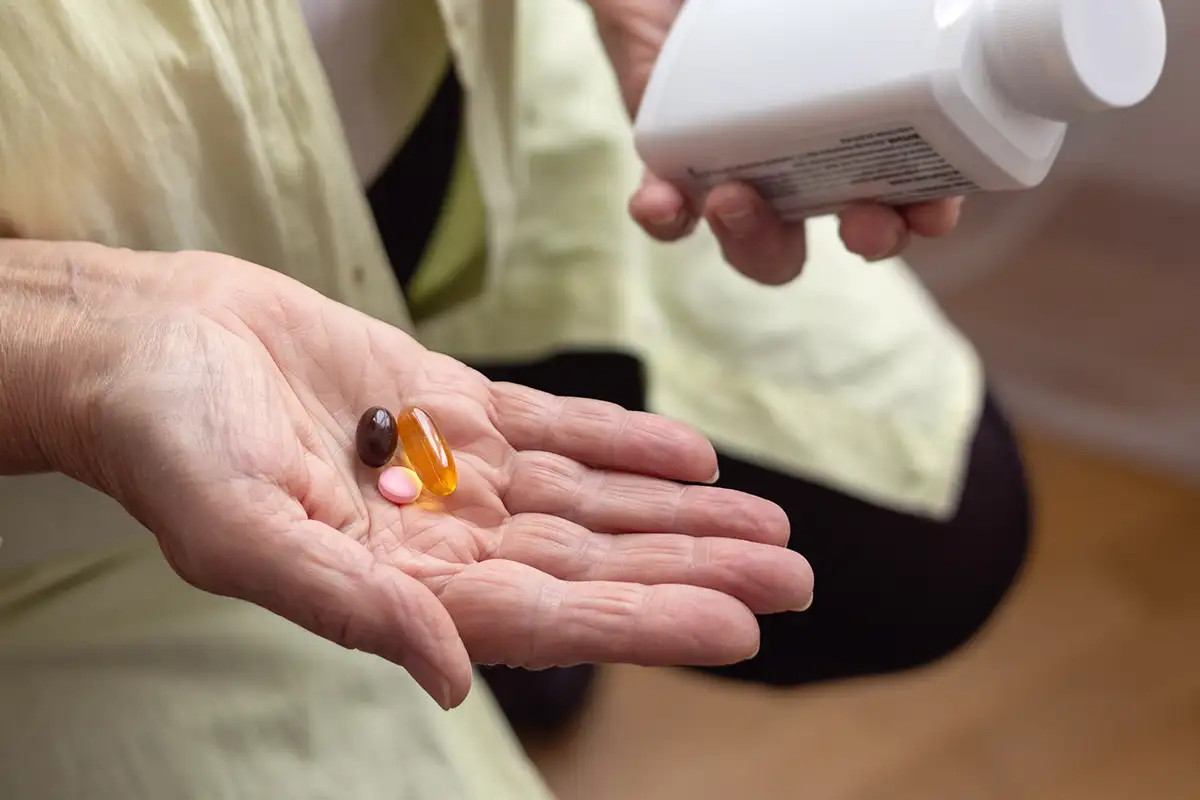
Among the many supplements marketed for brain health, a standard multivitamin may be the best option. A multivitamin can help fill potential nutritional gaps, particularly for people whose diets may not consistently provide all essential micronutrients. Some evidence suggests multivitamins may support general health, including cognitive health, when used appropriately.
However, more is not better. Many people layer multiple supplements, such as a multivitamin plus separate vitamin C, B-complex, or other products. In many cases, a single multivitamin already provides 100 percent or more of daily recommended allowances of many vitamins. Additional supplementation is often redundant and, in some cases, can be harmful. Certain vitamins, such as B6, can become toxic at high doses, leading to nerve-related side effects.
Ways to Keep Your Brain Sharp
The most effective strategies for maintaining memory and brain function are lifestyle-based.
1. Exercise as Brain Medicine
Regular physical activity is the single most impactful intervention for brain health. Aerobic exercise – activities that raise the heart rate and increase blood flow – has been shown to significantly reduce the risk of dementia. Engaging in moderate-intensity exercise for about 30 minutes a day can lower risk by 30 percent to 40 percent. Increased circulation delivers oxygen and nutrients to the brain while also promoting the release of growth factors that support neural health and regeneration.
Walking, cycling, swimming, or dancing all qualify as exercise. Activities that combine physical movement with social and cognitive engagement may offer additional benefits.
2. Keep the Brain Actively Engaged
Cognitive stimulation plays a critical role in maintaining memory. The brain, like muscle, responds to use. Without regular challenges, neural connections weaken over time. With stimulation, they strengthen and expand. Activities that are new or moderately difficult are particularly beneficial. Learning a new language, practicing an instrument, volunteering, or trying new hobbies all encourage the brain to build new pathways.
Reading aloud engages more neural systems than silent reading. Writing by hand requires greater cognitive coordination than typing.
Social interaction amplifies these effects. Meaningful engagement with others – such as conversation, shared activities, or hands-on play with grandchildren – adds layers of cognitive stimulation.
3. Reduce Long-Term Damage
Protecting the brain is as important as strengthening it. Chronic medical conditions such as high blood pressure, diabetes, and high cholesterol contribute to long-term vascular damage, including damage to the brain. Over time, this can lead to cognitive decline. Getting these medical conditions under control can improve brain health.
Other protective measures include:
- Preventing head injuries through basic safety practices, such as wearing seatbelts in the car and a helmet when bike riding
- Limiting alcohol consumption, as alcohol directly damages brain cells
- Staying current on vaccinations to reduce inflammation and illness-related stress on the body. Vaccines for conditions such as influenza, pneumonia, and shingles have been associated with reduced dementia risk.
Getting adequate sleep and managing stress are also great ways to maintain brain function.
4. Support Brain Health Through Diet
Nutrition provides the building blocks for brain function. Dietary patterns resembling the Mediterranean diet – rich in vegetables, legumes, nuts, and berries – have been linked to lower rates of cognitive decline. These foods support brain health by supplying essential nutrients and reducing inflammation.
The Role of Specialized Memory Care
When concerns about memory arise, evaluation by trained specialists can help identify underlying causes and guide next steps.
Kaiser Permanente’s Memory Care Program offers comprehensive assessment across multiple locations in Northern Virginia and Maryland, including at the Kaiser Permanente Tysons Corner and Caton Hill medical centers. Doctors in the program, including myself, specialize in holistic evaluation, diagnosis and management of memory concerns in people ages 60 and older. We provide patients and their care partners with an accurate diagnosis, education about what to expect during each stage of their condition, support, and active management and advance planning related to their memory issues. Our goal is to help every patient maintain their dignity and independence to the highest degree possible and to establish a care plan to best support the patient and family.
The appeal of a simple pill to boost memory is understandable. But despite widespread marketing, most supplements do not deliver meaningful benefits, and some introduce unnecessary risk.
Feature image, stock.adobe.com