
A Harry Potter–themed science camp where kids can make their own potions? A piano program that gives campers the chance to perform at Carnegie Hall? A tech-free nature camp with brand-new pickleball courts?
Summer camps in Northern Virginia run the gamut when it comes to creative programming. But many are stepping it up this year, offering ample opportunities for kids to fill those not-so-lazy summer days. In addition to having fun, campers might just come away with skills that will serve them long after camp ends.
Language Immersion
For Monica Marini, communications manager at Spanish immersion day camp ChiCeLaCu, minimizing “summer slide” is a major goal. “During the summer, some children forget some of what they learn during the academic year, so ChiCeLaCu is here during summertime to help children continue practicing Spanish through various fun and engaging activities that target listening and oral competencies,” Marini says. The school offers camps at its locations in Fairfax and Tysons for students ages 2.5 to 12. She says keeping the environment relaxed and fun is key.
Indeed, a common goal of camp leaders is to instill a joy of learning.
In this relaxed environment outside of formal school, where grades are not a worry, camp helps kids explore different avenues and find what they gravitate toward, and perhaps, what they may eventually want to pursue as a career.
Engaging STEM Programs
Another common trend? Introducing kids at a younger age to STEM (science, technology, engineering, and mathematics) and STEAM (the “A” stands for art) activities.
At SciGenie, which offers camps in Alexandria and Herndon, kids as young as 3 are introduced to STEAM in summer day camps. “I created SciGenie because I believe that kids should learn STEM and STEAM at a really early age,” says founder and CEO Alicia McEldon. “Statistically, when kids learn STEAM at such a young age, they have a higher chance of going into a STEAM-related field.”
New programs at this summer’s SciGenie camps include the Hogwarts Science Camp for ages 6 to 13. Campers use everyday ingredients to create potions, all while participating in scientific experiences that “demonstrate the fundamental principles of reaction, measurement, and transformation.”
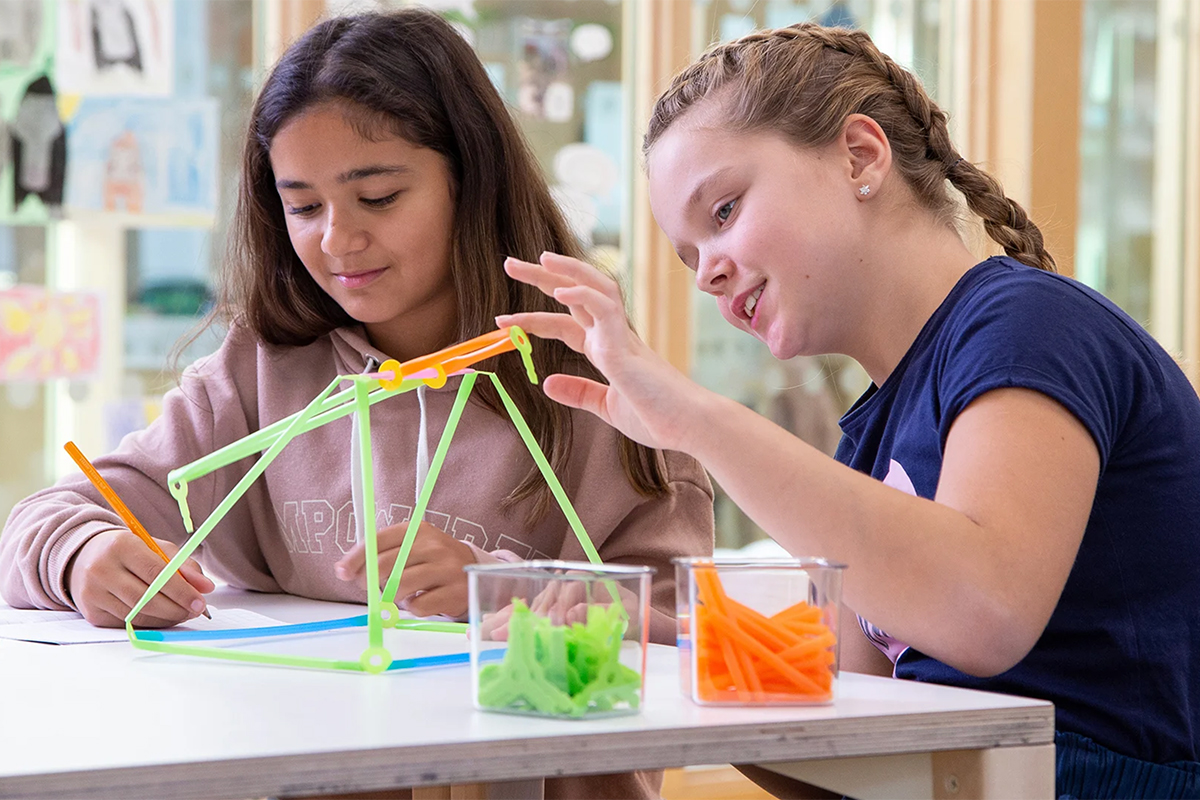
Boolean Girl summer camp in Arlington is a nonprofit program launched in 2014 to inspire girls and underrepresented youth to learn coding and other STEM-related skills. It offers a new robotics camp for younger campers starting at age 9. “The camp features “Strawbees,” a cool system for building things with straws,” says co-founder Brian Moran. “Campers will build and invent with the straws, adding motors to automate their inventions.”
Boolean serves kids in grades three through eight. “Early engagement is really important, because we want to reach kids while they are still sponges for learning and have not been influenced by stereotypes about who might be good at STEM,” Moran says. “At third grade, kids can read and write as well as use a mouse and keyboard, and boys and girls express equal interest in STEM. We continue through middle school because studies show that all kids, but girls especially, lose interest and confidence in STEM subjects in middle school.”
Even kids who don’t end up in STEM fields can benefit from learning how to code. Among the benefits, it “boosts creativity, develops computational thinking, fosters persistence, improves communication skills, and even contributes to better math skills,” Moran says.
McEldon says SciGenie works to develop life skills that aren’t always taught in schools — such as presentation skills — giving the campers opportunities to present their experiments to help them build confidence and excel in public speaking down the line.
Fostering the Performing Arts
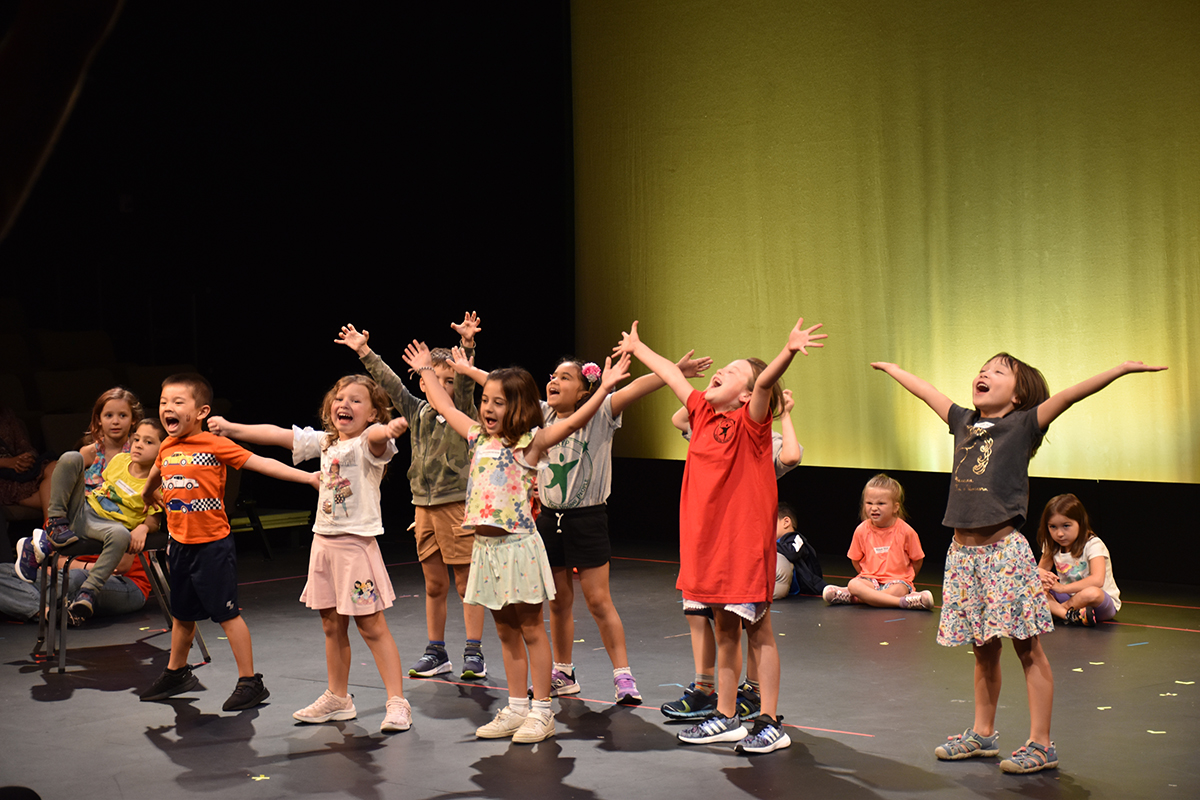
Mason Community Arts Academy executive director Mary Lechter echoes the importance of confidence-building. This summer marks the return of Mason Community Arts Academy’s production-based Advanced Actors Showcase, where students rehearse a full-length play, and by the weekend, are performing for an audience.
“From our acting programs, we receive positive feedback that our students return to school with more confidence when speaking in front of a group or taking part in their school plays,” Lechter says, adding that select students from the Summer Piano Academy recently performed in a recital at New York’s Carnegie Hall.
A Much-Need Digital Detox
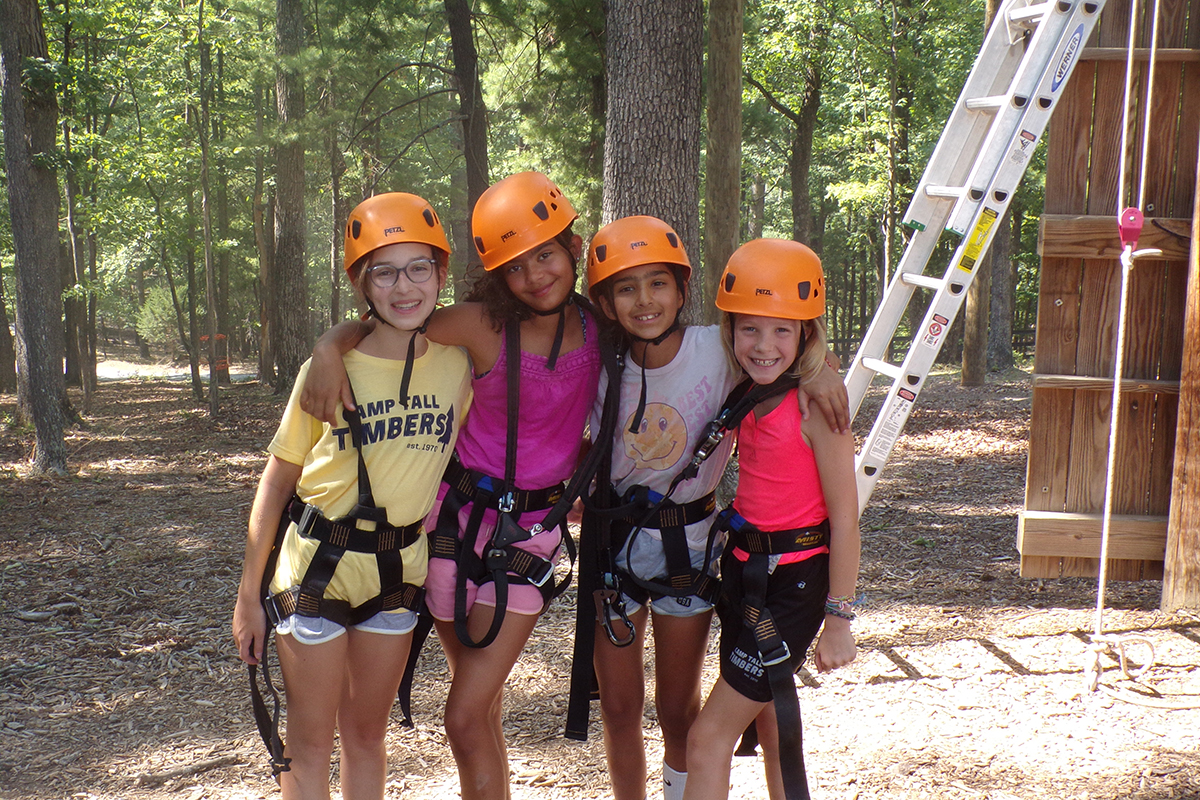
Glenn Smith, owner and director of Camp Tall Timbers in West Virginia, emphasizes that the educational value of camp is not strictly academic. “Our camp experience promotes independence, decision-making, socialization, skill-building, confidence, creativity, and self-discovery,” Smith says.
This year, the overnight camp will feature new pickleball courts, and Smith says he’s seeing parents express increased interest in the camp’s tech-free environment, a policy since its founding in 1970. “Way back when computers were just starting, we resisted the trends of having computers in camp. The benefit is tremendous. Campers are much more aware of their surroundings and friendships away from the social media peer pressures.”
A digital detox may be just the thing for some kids over the summer.
“We have had countless shy, introverted, lacking self-confidence campers who have benefited from their time at camp and taken those skills into their school year,” Smith says. “Working with a group, being able to prepare yourself for the day, and an increase in organizational skills have all helped our campers in becoming better students.”
Feature image, stock.adobe.com
This story originally ran in our March Issue. For more stories like this, subscribe to Northern Virginia Magazine.