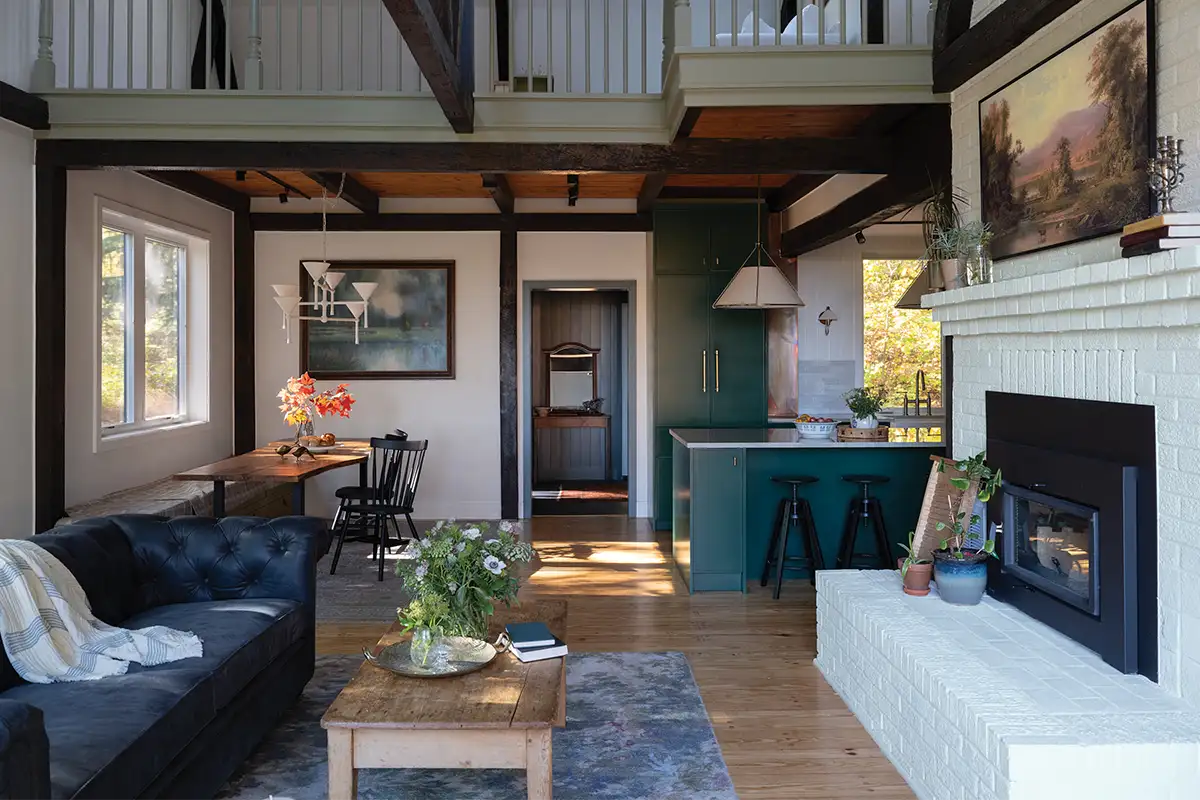
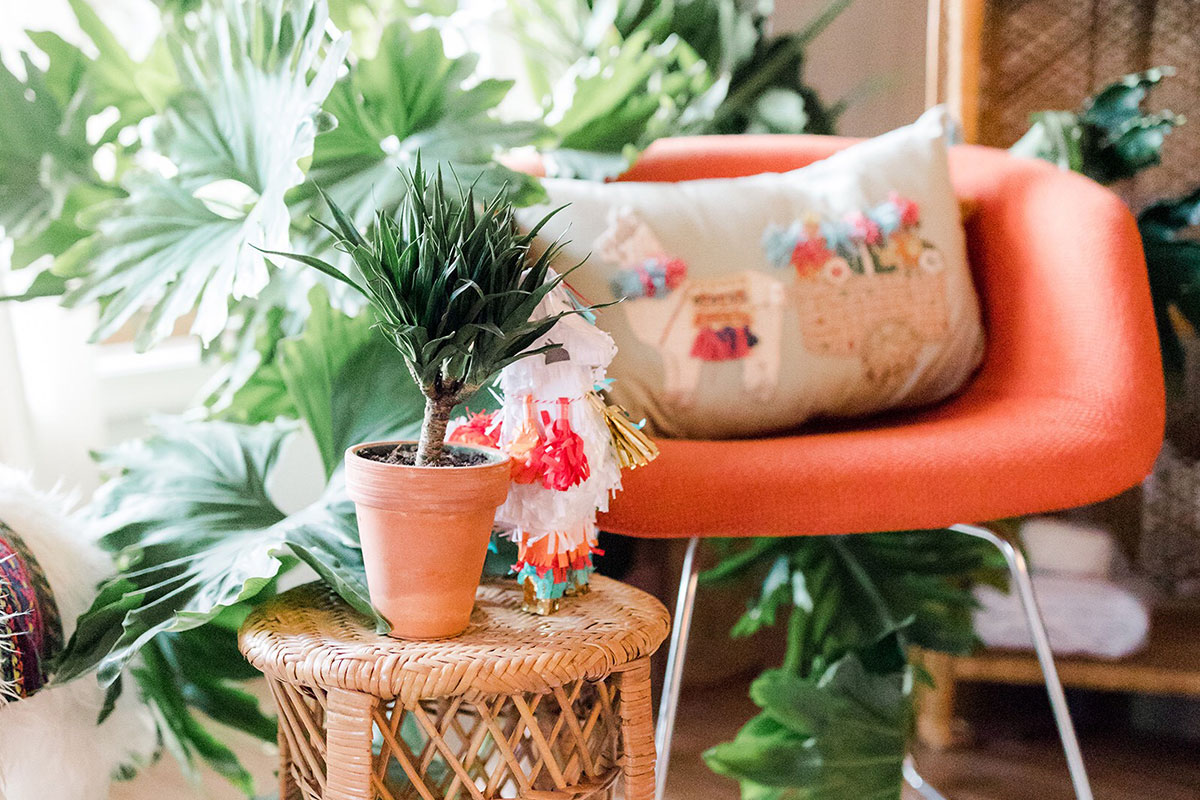
While gardening has been around for centuries, it is now becoming increasingly more common to surround not just the outside of your house with flowers, but the inside of your home with natural life, as well.
The truth is, those indoor plants are as good for you as they are trendy. Houseplants release oxygen and absorb carbon dioxide, removing up to 87% of air toxins in 24 hours, according to recent research from NASA. Plus, a study from the Journal of Physiological Anthropology states active interaction with indoor plants, such as smelling and touching, can reduce physiological and psychological stress.
In order to reap the benefits, though, it is essential to understand how to care for the living things growing in your space.
The first thing to know, according to Nikki Norton, horticulturist and owner of Modern Foliage Designs, LLC, based in Haymarket, is that most houseplants are tropical, preventing them from surviving outside in Virginia’s climate and creating more challenges for indoor care.
Here, we share best practices from both Norton and Morgan Walker, horticulturist and owner of Petals and Hedges in Leesburg, for ensuring your indoor plants thrive throughout all four seasons, continuing to bring your safe space to life.
Don’t overprotect them
Much like caring for a pet, it is essential to give plants their space.
According to Norton, a common misconception people have about indoor plants is that they need a lot of attention. Houseplants are a lot like weeds growing in a garden, Norton explains, in that they shouldn’t be overburdened with treatment until there is a problem or need. Keeping a consistent eye on your plants is key.
Go easy on the water
While humans are supposed to drink a certain amount of water daily, plants are completely different. According to both Norton and Walker, people often water their plants far too much.
“The one thing that always amazes me is how many clients ask, ‘How many times a day should I water it?’ and I’m like, no, that’s the wrong way to think about it,” says Norton.
For her own houseplants, Norton waters about every three weeks, but it isn’t necessary to keep a watering schedule, rather check on your plants every so often.
“Most people over-water and they turn to mush or they under-water and dehydrate,” Wallace says of one of the most common houseplants, succulents. “There is a happy balance, and you need to make sure your container has good drainage, so they are not sitting in water or drying out too quickly.”
Cut back on fertilizer
As the weather cools down, your plants require different care, especially when it comes to fertilization.
“If you are fertilizing frequently, you should cut back because they won’t be growing as naturally or quickly, which means they won’t be taking in that much water, too,” says Norton.
Be wary of the light
When the season changes, so does the sun’s rotation outside, which means it’s time to move your houseplants to a new spot in order for them to get the proper exposure to light.
“The sun will set faster, meaning your plant will get less light throughout the day if you keep it in the same spot,” explains Norton. “The sun sets lower in the south, so there’s more light in your southern window closer to winter, but in the summer that would be your western window.”
According to Walker, most plants go through a dormancy stage when the seasons change, meaning they shed old leaves to make room for growth. When this happens, she recommends re-potting them into larger containers so the root’s have more space to grow, feed them with fresh, sterile soil and make sure they aren’t too close to a heat source that could dry them out.
“Finding the right spot for your plant with proper light exposure can be hard indoors for those who lack windows with perfect exposure,” says Walker. “You can find grow lights on Amazon that provide some extra rays to keep them happy.”
Learn the plant’s life cycle
While it takes time, plant owners eventually grow an intuition for properly caring for each one. According to Walker, knowing your plant and understanding what amount of water, soil and sun exposure makes it happy is the most important part of keeping houseplants alive.
“Garden plants can rely on mother nature—they get nitrogen from rain, from mulch, there are earthworms—whereas houseplants are 100% reliant on you,” says Norton.
Want more home and garden tips? Subscribe to our weekly Home e-newsletter.