
By Josh Weiner
With the snow and cold weather having passed, it is now time for Northern Virginians to welcome the spring and all of the great opportunities for sports.
“Spring season is probably our largest season of the year,” says Jeremy Purcell, president of Fairfax Athletics Sports League. “Most teams have cabin fever after having been cooped up all winter long. They want to get out and get active in the spring.”
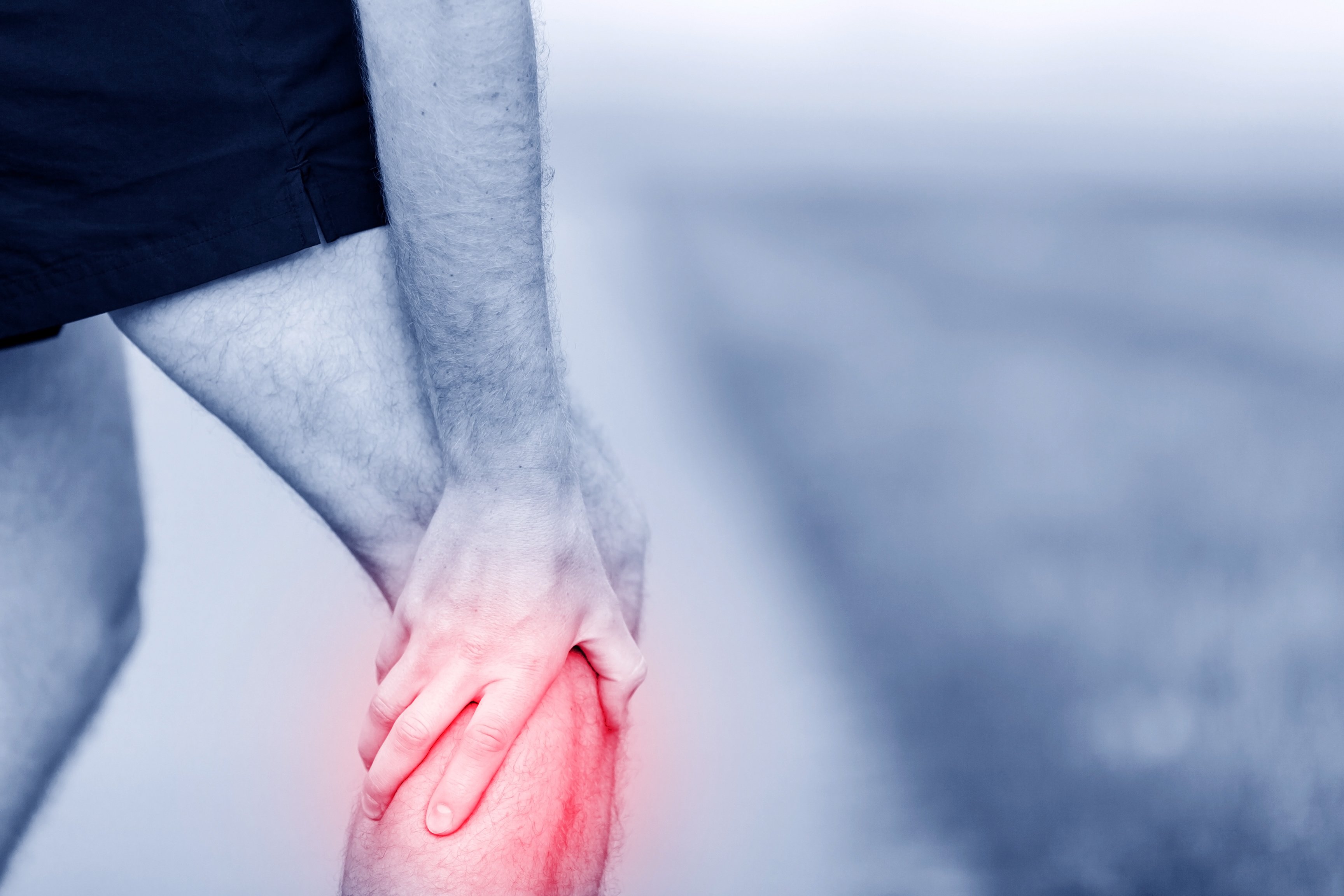
Unfortunately, as athletes take to the field, sports-related injuries increase. Sports involving heavy running and sudden sprinting put extra strain on athletes’ legs, knees and tendons. This can produce injuries such as muscle cramps, Achilles tendinitis and patellar tendinitis. Tennis, baseball and other sports in which athletes regularly shift their arms and upper bodies may produce injuries such as tennis elbow and damage to the rotator cuff.
Doug Phung, president of the Fairfax Ultimate Frisbee League, emphasizes the need for proper stretching and precaution in order to avoid injuries of this nature.
“The most common type of injuries [from playing ultimate] are ankle injuries and pulled hamstrings,” he says. “As with all sports, we recommend about 20-30 minutes of warm-up before playing.”
Dr. Jessica Wertz of Inova Medical Group says that athletes should begin to prepare and pace themselves well before arriving to the field. She recommends that athletes be given pre-participation examinations—including baseline tests for sports in which the risk of concussions is higher, such as soccer and football—and also undertake a 14-day period of acclimation with the arrival of the warmer temperatures and humidity. On game day Wertz reminds athletes to regularly consume water and electrolytes and to make time for a dynamic warm-up right before every contest.
“It’s really just about gradually warming up prior to participation in practice and games that might include more quick movements that could put joints, ligaments and tendons at risk of injury,” she says.
Phung further advises athletes to be careful about attempting risky plays that may lead to them getting hurt, which occurs during some of his higher-stakes ultimate contests.
“More competitive games will see layouts and bids that could result in a dislocated shoulder or a broken collarbone if done incorrectly,” he says. “Many players need to strengthen their core and refine their technique before they can dive like the pros.”
It is also important to thoroughly inspect fields and courts before starting to play on them. Phung says the only serious injury he has ever received from playing ultimate was when he put his foot through a 5-inch nail at the Wildwood beach tournament in 2013.
“Now, I comb the field before playing to make sure the field is safe,” he says.
With enough precaution and preparedness, athletes across Northern Virginia can stay safe and still take full advantage of the outdoor athletic opportunities the better weather brings.
“Make sure you’re aware of what the potential risks are for your sport,” Wertz advises. “Be aware of what the signs are for concussions, pulmonary and respiratory issues and infection risks. Make sure that you’re not overtraining and that you’re providing yourself with proper diet, hydration and rest and recovery periods throughout the sports season.”