S. Abbās Shobeiri, MD, MBA, FACS, FACOG, CMPE, is Director of the Pelvic Floor Program at Inova. An expert in maternal urogynecology, Dr. Shobeiri directs the postpartum urogynecology clinic at Inova and concentrates most of his clinical and research activities on advocating for postpartum women with pelvic floor disorders.
Although you might not hear about it, pelvic floor problems are very common. An estimated one-quarter to one-third of all women have at least one pelvic floor disorder, and the percentage of women with pelvic floor disorders is growing at twice the rate of the nation’s overall population growth.
What Is the Pelvic Floor?
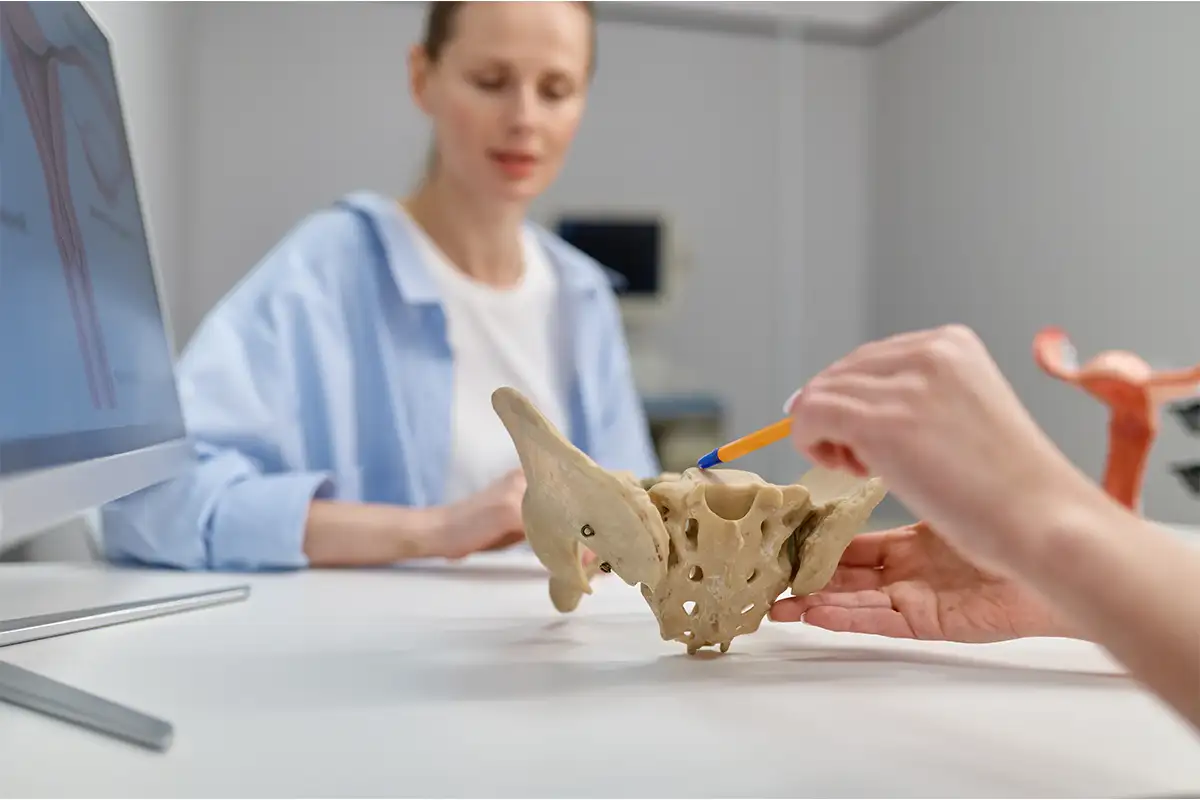
The pelvic floor is a collection of muscles, ligaments, and other tissues that support your body’s organs, especially those in the pelvis. You could think of the pelvic floor like a sling or hammock, holding everything in place. When the pelvic floor muscles get injured or weak, which is especially common during and after childbirth, it can cause problems with normal urination, defecation, and sexual function.
Urogynecology is a relatively new medical specialty that arose as the diagnostic technologies and treatment options for pelvic floor issues in women expanded and became more sophisticated.
What Is Urogynecology?
You might guess from the name that urogynecology is related to urology and gynecology — and you’d be right. Urogynecology is a medical specialty that focuses on diagnosing and treating conditions that are distinct from either urology or gynecology. Urology concentrates on the bladder and other parts of the urinary system, and gynecology specializes in the female reproductive system including the uterus, ovaries, fallopian tubes, cervix, and vagina.
Some of the most common urogynecology problems are:
- Trouble with urinating — from an overactive bladder to being unable to empty your bladder
- Urinary incontinence — leaking or loss of bladder control
- Pelvic organ prolapse — when organs like the vagina or uterus drop out of place
- Constipation
- Fecal incontinence — loss of bowel control
Many women have pelvic floor issues after giving birth, and many times, these problems get better once the postpartum period is over. Pelvic floor problems can also show up as a woman gets older. In both cases, there is good news: Women do not have to suffer with these issues — there are treatments that can help.
What Are the Most Common Urogynecology Conditions?
Urinary incontinence is very common. Women may leak urine when coughing, sneezing, laughing, running or jumping, a condition called stress incontinence. Or women may feel a sudden urge to urinate that makes it difficult to get to the bathroom in time, which is called urge incontinence. Urinary incontinence is typically caused by weakened or damaged pelvic floor muscles that are not able to stop the flow of urine as effectively as they were before.
More than half of women have pelvic floor problems after childbirth. While a woman’s body is producing breast milk, hormones cause the woman’s pelvic floor to act as if she has gone through menopause. This makes the vaginal wall’s tissue thinner and less elastic, resulting in tenderness.
Most women expect to have some vaginal stretching or mild tears when they deliver, but they expect it to heal relatively quickly. When it doesn’t heal well or heals incompletely, they can have pain that doesn’t go away including painful intercourse, tenderness, or scar tightness.
Pelvic floor muscle weakness, which can happen as a result of childbirth, aging, severe constipation or connective tissue disorders such as Ehlers-Danlos syndrome, can cause pelvic organ prolapse. This is when a pelvic organ — the vagina, bladder, uterus, or even intestine — bulges out of the vagina. The pelvic floor is the foundation that a person’s entire upper body and torso rest on. If the pelvic floor muscles are weak or damaged, they can fail to hold the pelvic organs securely.
How Can Urogynecology Care Help?
The first step in finding relief from a pelvic floor disorder is getting a correct diagnosis. Urogynecologists rely on various tests, such as urodynamics and 3D ultrasound, that can help to pinpoint the cause of a problem.
Once a patient has a diagnosis, pelvic floor physical therapy is often effective in treating pelvic floor problems. Physical therapists with specialized expertise in pelvic floor issues can design targeted exercises and other techniques to strengthen the pelvic floor muscles. In many cases, pelvic floor physical therapy can help reverse incontinence, pain and other problems – or can stop them from getting worse over time.
Pelvic floor physical therapy varies depending on the condition:
- Urinary incontinence and bladder problems: strengthening pelvic floor muscles, improving bladder control
- Fecal incontinence: tailored exercises to enhance bowel control
- Pelvic floor weakness: personalized plans to strengthen muscles and improve pelvic support
- Pain during sex: targeted exercises and techniques to alleviate pain during intercourse
- Vaginal discomfort: exercises promoting tissue health
In addition to physical therapy to improve pelvic floor strength, urogynecology treatments include medications, office-based procedures and minimally invasive surgeries to fix bothersome symptoms and improve women’s day-to-day lives. If you’re experiencing inconvenient, annoying or painful symptoms, you don’t have to live with it. You’re not alone, and life-changing urogynecology treatments are available.
Learn about Inova’s pelvic floor program.
Feature image, stock.adobe.com