Julie Chen, MD, is a board-certified internal medicine and lifestyle and obesity medicine physician with the Mid-Atlantic Permanente Medical Group. She sees patients at the Kaiser Permanente Gaithersburg Medical Center.
Chronic inflammation can wreak havoc on our bodies, leading to a host of health problems include dementia, heart disease, and diabetes.
The good news? Eating an anti-inflammatory can lower your risk of certain health conditions and, even if you already have a chronic health problem, you can still reap the health benefits of adding more anti-inflammatory foods to your plate.
What Is Inflammation and Why Is it a Problem?
Inflammation is the activation of the immune system to a perceived threat or injury. It is an important part of the healing process in the short term, protecting our bodies from harm. But in the long term, inflammation can be problematic. Research has shown the chronic inflammation can raise our risk of:
- Cardiovascular disease, including heart attack, stroke and high blood pressure
- Dementia
- Diabetes
- Arthritis
- Some cancers, including breast cancer, colorectal cancer, esophageal, prostate and stomach cancer, among others
Inflammation can present in the body in different ways. It can cause pain and swelling of the joints, such as pain in the knees and hips. Some inflammatory conditions don’t have a lot of prominent symptoms. Chronic inflammation can be a silent process that develops over months and years and can lead to an unexpected diagnosis of cancer, diabetes, coronary artery disease or dementia. Eating a healthy, anti-inflammatory diet over time can help prevent these illnesses.
Ready to Fill Your Grocery Cart?
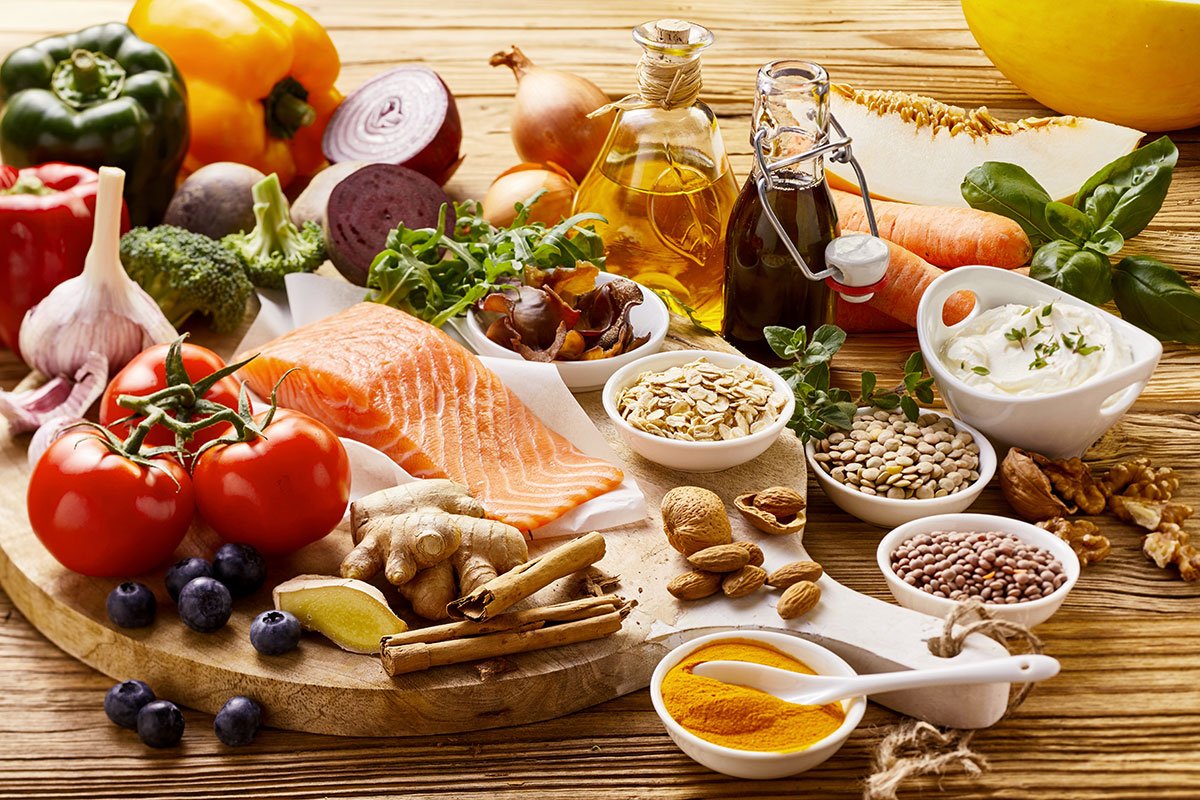
Certain foods are known to be anti-inflammatory. Making smart food choices means you are choosing foods that are high in anti-inflammatory content. Foods reach in flavonoids (plant-based compounds) and omega-3 fatty acids are known for their anti-inflammatory properties. Eating at least a few of these foods every day can help lower the inflammation in your body.
Fruits and vegetables: When eating fruits and vegetables, aim to eat the rainbow – meaning, aim to eat a variety of fruits and vegetables of different colors. Consider stocking up on kale, spinach, broccoli, apples, strawberries, blueberries, cherries and oranges. All of these are rich in antioxidants and phytochemicals that combat chronic inflammation.
Fish: Salmon – either fresh or canned – has many health benefits, including anti-inflammatory properties. Canned salmon is a good choice if you are budget conscious or just want to have fish on hand in the pantry. Mackerel, sardines, and tuna are also high in omega-3 fatty acids, which have been shown to reduce inflammation in the body.
Whole grains: Need ideas? Try quinoa, brown rice, oatmeal, or whole grain bread. These are better options than refined grains, which are in white rice and white bread.
Nuts and seeds: Nuts and seeds are high in fat content — but the fat found in nuts and seeds is generally “good” fat like omega-3s. Walnuts, almonds, and sunflower seeds are particularly good choices. Most nuts also contain magnesium, which is good for heart health. Try nut butters or adding whole nuts to your morning cereal. Just be mindful of portion sizes, because nuts are high in calories.
Legumes: Legumes are a great source of anti-inflammatory ingredients because they contain antioxidants. Examples are pinto beans, soybeans, peanuts, and chickpeas.
Foods with unsaturated fats: Many of the foods listed above are high in unsaturated fats. In addition to working some of those into your meals, opt to use extra virgin olive oil when cooking; you can also mix it in salads. Unsaturated fats, especially omega-3 fatty acids, are known to decrease the risk of coronary artery disease.
Herbs and spices: Turmeric, ginger, garlic and onion have anti-inflammatory properties, so you can add them liberally to your foods.
Foods to Limit on an Anti-Inflammatory Diet
We don’t like to say there are “good” foods and “bad” foods, but there are certainly some foods that you should consider eating only sparingly, if at all. Try to limit these:
Refined carbohydrates: Baguettes, white breads and bakery products, such as pastries and cupcakes, are usually full of refined carbohydrates. These promote inflammation.
Sugary beverages: Sodas and concentrated fruit juices generally contain a lot of sugar and empty calories. Instead, try to drink water (which you can flavor) or flavored tea.
Processed meats and red meats: Cold cuts, hot dogs, and sausages are associated with higher levels of inflammation and are higher in saturated fats. So, too, are steaks and burgers. If you eat these, do so in moderation. Be careful about substituting highly processed meatless substitutes. Some plant-based meat alternatives are ultra-processed and don’t have a health benefit. Opt for lean cuts of meat instead.
Foods high in saturated fats: Try to limit margarine, lard and pre-packaged baked products. Also try to limit fried foods, such as fried chicken and french fries, because they are high in saturated and trans fats.
I also recommend limiting foods high in processed sugars and foods that are high in sodium.
Eating an Anti-Inflammatory Diet Doesn’t Need to Be Expensive
There are ways to plan an anti-inflammatory diet on a budget. A few ideas include oatmeal and berries for breakfast and rice bowls for lunch. Try brown rice topped with canned salmon or beans or lentils. Another great lunch option is hummus on whole grain bread. For dinner, consider canned sardines over brown rice with a side of lentils, or a colorful salad. These can be made cost effectively and can help you achieve a healthy, anti-inflammatory diet.
Is It Too Late to Start?
Anti-inflammatory foods can not only reduce your risk of certain chronic diseases, including type 2 diabetes, but can also help lower your blood pressure, lower your cholesterol, and help you shed pounds.
It’s never too late to start eating a healthy, anti-inflammatory diet. If you already have a condition such as diabetes, studies have shown that changing your diet can have health benefits going forward.
Even small changes can be beneficial: Eating just a few anti-inflammatory foods consistently can help your body. I encourage you to give a delicious, colorful anti-inflammatory diet a try!
Feature image, stock.adobe.com