Christine Ashburn, MD, is a board-certified pediatrician with the Mid-Atlantic Permanente Medical Group. She sees patients at the Kaiser Permanente Reston Medical Center.
As a board-certified pediatrician, I have treated countless kids with all sorts of respiratory viruses: the common cold, flu, RSV, and COVID-19. I’ve also treated many children with pneumonia, but never at the rate I have been during this current cold season.
I am not alone. My colleagues at the Mid-Atlantic Permanente Medical Group also are seeing an uptick in cases of pneumonia in children, a trend mirrored by national statistics that have shown a rise in pediatric pneumonia cases.
In particular, we are seeing an increase in all age groups of a certain bacteria responsible for some cases of community acquired pneumonia: Mycoplasma pneumoniae, which causes an infection sometimes called “walking pneumonia.” For example, from April 2024 to October 2024, emergency department visits from mycoplasma pneumoniae increased from 1 percent to 7.2 percent among children 2 to 4 years old.
Mycoplasma pneumoniae is a bacteria that can infect the respiratory tract, causing infection in the throat, airways, and lungs. Typically, this bacteria causes a mild infection with symptoms similar to a cold or lingering cough. Most patients recover on their own without any antibiotics.
But we are seeing an increase in pneumonia cases caused by this bacteria, which can cause more severe respiratory symptoms. This infection is often referred to as “walking pneumonia” because the symptoms are more mild than those seen in pneumonia caused by other types of bacteria. In fact, many kids who are infected with this bacteria are able to continue with their regular activities despite being sick.
Here is what I want parents to know about mycoplasma pneumoniae infection.
How Is Mycoplasma Pneumoniae Infection Spread?
People catch mycoplasma pneumoniae when inhaling respiratory droplets after an infected person coughs or sneezes. Prolonged time spent near an infected person increases risk of becoming sick.
The incubation period can last between one and four weeks, meaning symptoms can appear one to four weeks after being exposed to the bacteria.
It is hard to control the spread of M. pneumoniae because there are no protective vaccines currently available, and many children have such mild symptoms that they continue going to school and doing their regular activities, unknowingly spreading the illness.
Symptoms of Mycoplasma Pneumoniae Infection
Symptoms of this infection may include cough, fever, headache, fatigue, chest pain, body aches, and sore throat. Younger children may have additional symptoms like diarrhea and rashes. The cough may start gradually and last for several weeks.
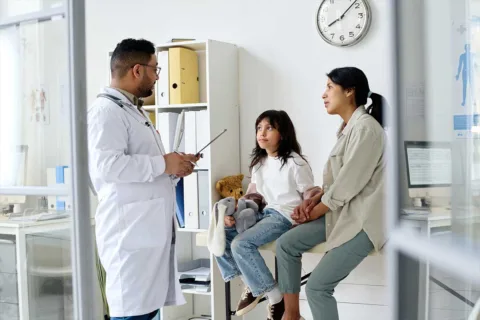
If you observe that your child’s symptoms aren’t improving as expected or you notice a sudden worsening of symptoms, reach out to the pediatrician. The child may have a more serious form of the infection.
Seek care immediately if your child has prolonged fevers, labored breathing, wheezing, or other breathing trouble.
Testing for Mycoplasma Pneumoniae Infection
Pneumonia is often diagnosed based on clinical exam. Providers may also suggest an X-ray to confirm the presence of pneumonia; this does not necessarily distinguish what type of infection caused the pneumonia to develop.
Testing specifically for mycoplasma pneumoniae infection can be completed as part of respiratory panel swab of the nose or throat. This is performed most often in emergency rooms and hospital settings, but may be available in some ambulatory care clinics.
There are also blood tests to detect the infection, but they are not as widely used.
Treating Walking Pneumonia
Children with mild infections usually recover on their own and don’t need antibiotics or prescription medication.
For cases with complications or that progress to pneumonia, antibiotics may be recommended. Macrolide antibiotics are a class of antibiotics considered first-line treatment for this type of pneumonia. Examples include azithromycin, clarithromycin, and erythromycin. Amoxicillin is not prescribed for kids with mycoplasma pneumoniae.
If prescribed antibiotics, take them exactly as directed. Finish the full course of medicine even if symptoms improve.
Children should also rest and drink plenty of fluids when sick.
Parents often want to know when they can send their children back to school. For a mild respiratory infection, they can return to school once they are fever-free for 24 hours without the use of a fever-reducing medication, their symptoms are improving, they are eating and drinking well, and they have the energy to stay focused at school. If they have been diagnosed with walking pneumonia and are on antibiotics, they can return to school after being on the antibiotics for 24 hours.
Preventing Mycoplasma Pneumoniae Infection
It’s respiratory virus season, and it’s hard for kids not to get sick! But there are steps we can take to lower the risk:
- Encourage frequent and thorough hand washing. Teach children to use soap and water and to wash while singing a 20-second song. Remind children to dry their hands after washing.
- Teach children to cover their coughs and sneezes to prevent bacteria from spreading. Remind children to throw away any used tissues and to wash their hands after doing so.
- Make sure your children are up to date on their vaccinations. While there is no vaccine to protect against mycoplasma pneumonia, there are vaccines for flu, COVID-19, and RSV (in certain ages). Make sure your children have the vaccines they need.
Fortunately, most children recover quickly from walking pneumonia and don’t miss very much school or activities — if they miss any at all. But if you have concerns about how your child is progressing, reach out to your child’s doctor.
Feature image, stock.adobe.com