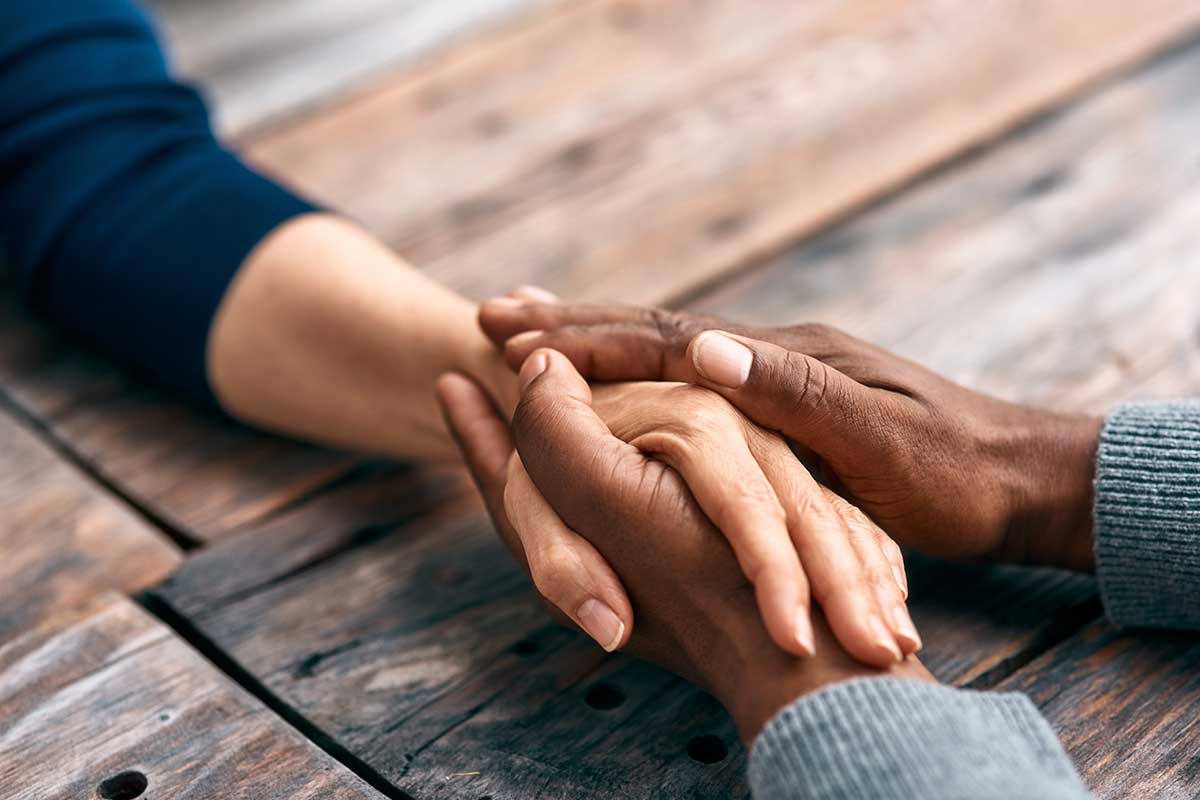
The COVID-19 pandemic left people feeling isolated and lonely, but while that side of life has gone largely back to normal for most, loneliness is a fact of life for a lot of elderly people, and it has health consequences.
U.S. Surgeon General Vivek Murthy released an advisory earlier this month on the “devastating impact of the epidemic of loneliness and isolation in the United States,” for the first time treating these problems as health risks.
And Dr. Angela Hsu, director of memory care services and a primary care doctor at Kaiser Permanente, says anywhere from 20 percent to 40 percent of older people have reported dealing with one or both of these problems. Common conditions of aging, such as sight and hearing loss, chronic pain, or mobility problems, can make maintaining connections more difficult, she says.
“Starting to look at loneliness as an independent risk factor is a really interesting way to perceive it, because it’s more of a social construct,” Hsu says. “And it highlights for us how much of our health care system is dependent on social structure, social interactions.”
‘Real Medical Implications’
Loneliness and social isolation are not the same thing, although people can suffer from both. Loneliness is more subjective, Hsu says — someone doesn’t have the connections they want — while social isolation is a more objective measure of how many social contacts a person has.
Loneliness can lead to stress and, in turn, to inflammation, which is a risk factor in all kinds of health problems, Hsu says. And while someone can be socially isolated without feeling lonely, often people who are isolated “maybe don’t have as active and healthy a lifestyle, or maybe they don’t have access to some of regular health care or community services.”
Both conditions have “real medical implications” including diabetes, dementia, heart disease, depression, anxiety, insomnia, and chronic pain. Social interaction also makes a difference in the all-important quest to maintain memory, Hsu says: “One of the things I always tell my patients who are worried about their memory is that you need to be socially engaged to be mentally engaged. These are things that can help reduce your risk of more memory problems down the road.”
What to Look for
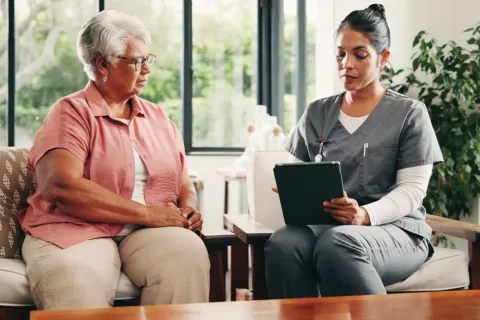
There are questionnaires to ascertain how lonely someone is, but “it really begins by just asking someone if they’re feeling lonely, if they feel like they have the connections they want or need,” Hsu says.
Loneliness and isolation can have many different causes, but one thing caregivers and medical professionals can look for is a major life change, such as the loss of a spouse. Finding out what caused the loneliness can give an indication of how to combat it.
But some of the factors are easier to spot. “If they live in a house or a building that’s not really handicapped accessible, getting out of the house might be a problem. What if you have to call an ambulance every time you need to go to a doctor’s appointment? How likely are you to do that? How likely are you to go to church if you need someone to carry you down the stairs? … Some people don’t have access to the technology that we know has been such a lifesaver for many people.”
The answer could be anything from an exercise class to a support group to practical solutions, such as driving or cooking for someone. AARP has a Friendly Voice program in which volunteers call older people just to say hello. Fairfax County’s Senior Centers Without Walls can provide activities.
But it all starts with simply asking seniors what they feel they need. “A lot of times people have pretty good insight into what it is that would help them,” Hsu says, “and maybe they just don’t know how to get it, or maybe they don’t know what’s available.”
Feature image courtesy Katleho Seisa/peopleimages.com/adobe.stock.com
For more stories like this, subscribe to Northern Virginia Magazine’s Health newsletter.