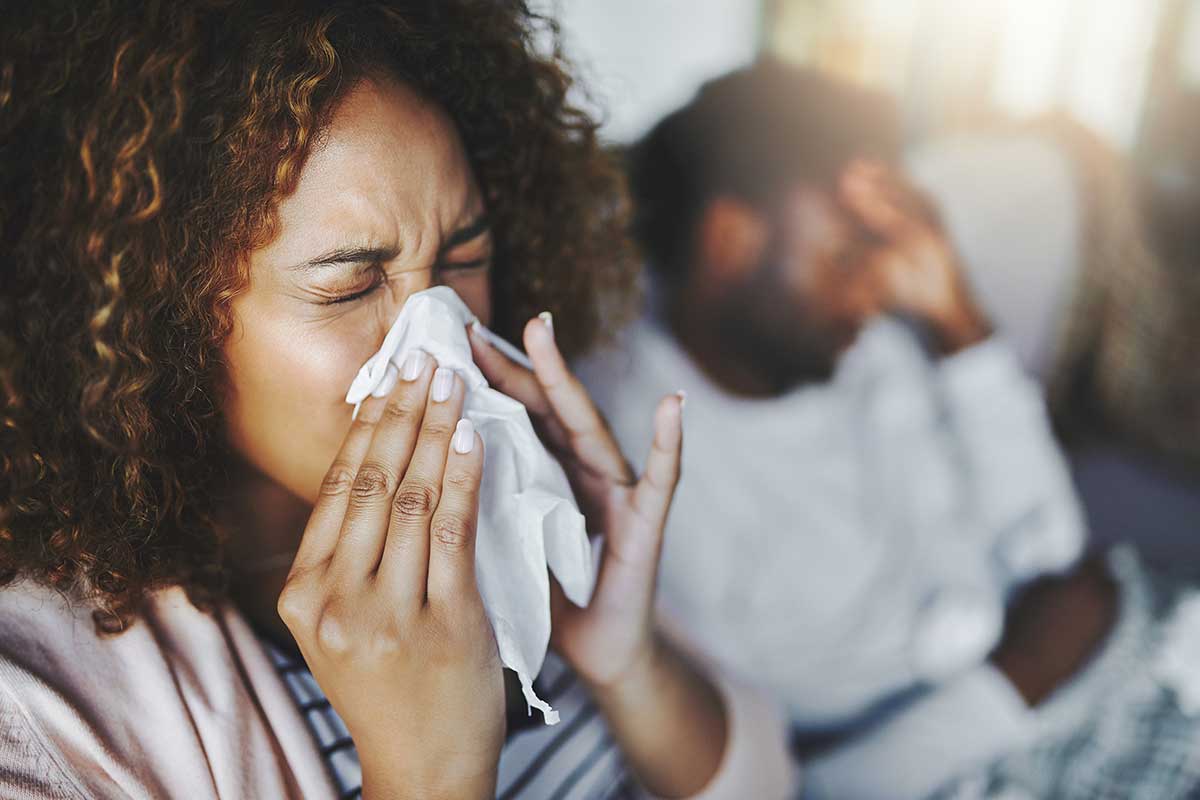
With the colder weather setting in, we are seeing an uptick of viral illnesses like cold, flu, RSV, COVID-19, and stomach bugs. It’s never fun when a virus slows you down. Luckily, there are certain foods that help fuel your body to fight off the infection. While no specific food can cure your sniffles or sore throat, eating a healthy diet can help you get back on track.
I often tell my patients that the best defense is a good offense. In other words, the best way to fight colds, flu and other viruses is to build a healthy immune system by eating healthy, exercising regularly, getting plenty of sleep, and reducing stress.
Here is some advice I give my patients.
Eat More Fruits and Veggies
Studies have shown that a diet rich in fruits and vegetables and low in processed meats and dairy products can boost your immune system and reduce inflammation in the body. A recent study reported that in six countries, plant-based diets or pescatarian diets were associated with a lower risk of moderate-to-severe COVID-19.
Fruits and vegetables are packed with vitamins, minerals, phytochemicals (chemical compounds in plant foods that can boost immunity), antioxidants (molecules that ward off harmful compounds in the body), omega-3 fatty acids (a chemical compound essential for many bodily functions), and more that help build a strong immune system.
Foods like broccoli, oranges, strawberries, and red bell peppers are high in vitamin C; and legumes, seeds, and nuts are high in zinc. Mangoes, carrots, and sweet potatoes are loaded with vitamin A. Almonds, sunflower seeds, and spinach contain alpha tocopherol (a form of vitamin E).
Avoid Processed Foods and Alcohol
As a general rule, I tell my patients to avoid processed foods as much as possible. Many processed foods, like bacon, breakfast cereals, and chips, have been linked to cardiovascular diseases, obesity, and premature death. Processed foods lack the nutrients needed to boost your immune system or reduce symptoms of a viral infection.
Similarly, excessive alcohol consumption can weaken the immune system over time. Drinking too much alcohol when you’re sick can also leave you dehydrated and worsen cold symptoms such as congestion.
Stay Hydrated
Most viral and bacterial illnesses will leave your body dehydrated, so it’s very important to drink plenty of fluids. Drinking water will help you replace the fluids and electrolytes you’ve lost and can also help thin and loosen mucus in your nasal passages. While I advise my patients to hydrate with water, if the only drink you can tolerate is a sugary sports drink, drink that. It is better than not drinking any fluids at all.
Many acute illnesses can actually get worse if you don’t give your body enough water. If you’re dehydrated, your body will struggle to complete normal functions and could lengthen the duration of a viral illness. Dehydration is a common reason for hospitalization, particularly in children.
Vitamins and Supplements Won’t Hurt
There is limited evidence suggesting that oral vitamins and supplements like vitamins C and D, elderberry, and zinc help fight off the symptoms of viral illness. Ideally, you want to get your daily supply of vitamins from the foods that you eat. Supplements should not be taken to replace a good healthy diet. However, not everyone has easy access to nutritious food. Certain patients may be limited by lack of transportation, mobility, or by budget constraints, and some have increased or specific dietary needs such as pregnant or breastfeeding patients, infants, senior citizens, or patients with chronic diseases. In patients at risk for vitamin deficiencies, supplements can fill existing gaps and improve immune responses.
Taking vitamins probably won’t hurt when you’re sick and can provide the recommended dietary nutrients. (Note: too much vitamin C or zinc can be harmful.) It’s still unclear if vitamin C or zinc provide any therapeutic effects, such as shortening the length of a cold. In the meantime, always talk to your doctor before you start taking any vitamins or supplements.
Let Your Appetite Guide You
When you’re suffering from a viral illness, many foods may not sound appetizing. Let your body guide your food choices. If you’re feeling nauseous, you’re probably not inclined to grab a greasy burger and a milkshake. Instead, opt for bland foods like broths, bananas, rice, and toast. As you start to feel better, start to add a variety of healthy foods back into your diet.
Sometimes, my patients ask me if there are any homemade recipes to fight the cold or flu, such as chicken noodle soup. These recipes can vary between families, cultures, and countries. There is no one recipe that will cure you of a virus, so when you’re feeling sick, eat and drink what makes you feel nourished and satisfied.
When I feel symptoms of a cold or flu, I often reach for recipes that make me feel warm inside like soups, broths, and tea. But I also give myself grace and indulge my sweet tooth by having a few pieces of dark chocolate after dinner. When you’re feeling under the weather, balance is key.
Elisabeth Kramer, MD, is a board-certified internal medicine physician with a specialization in lifestyle medicine with the Mid-Atlantic Permanente Medical Group. She sees patients at the Kaiser Permanente Gaithersburg Medical Center.
Feature image, pyzata/stock.adobe.com
For more stories like this, subscribe to our Health newsletter.