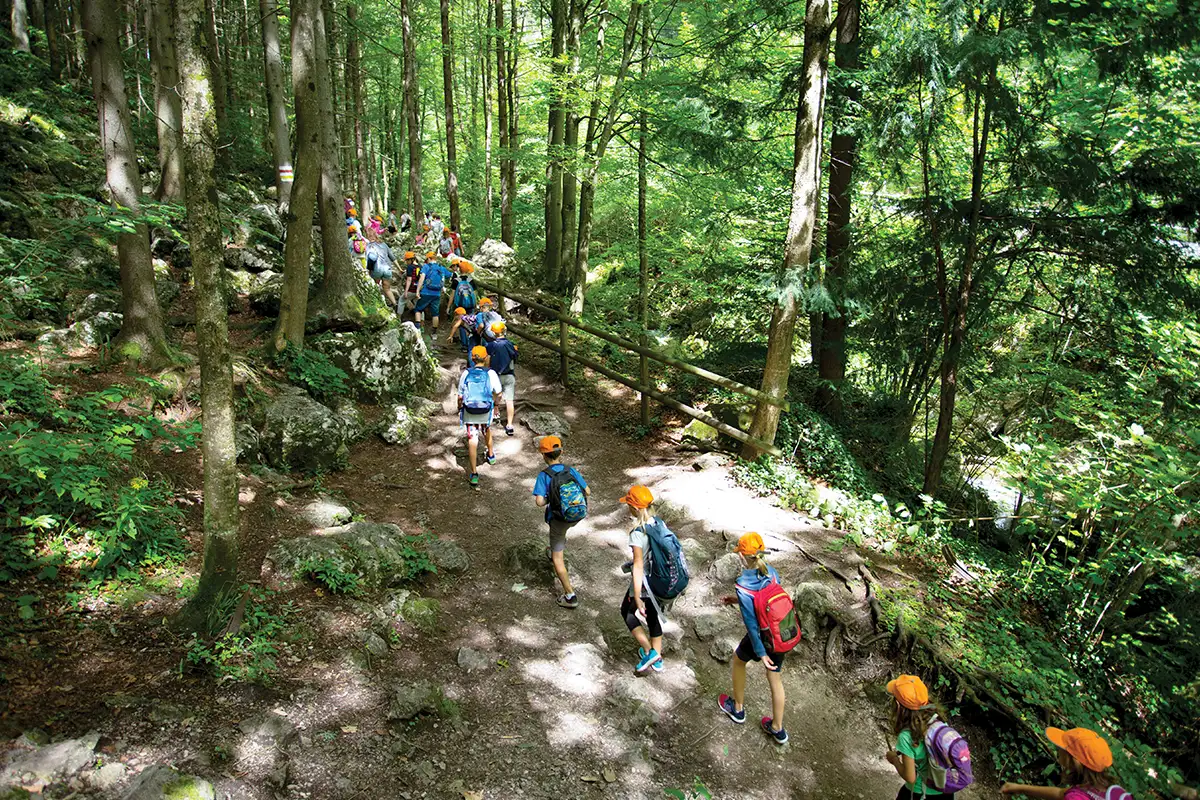
Choosing the right summer camp for your child doesn’t have to be daunting. By asking the right questions and doing a little research, you can help your child have a fun and meaningful camping experience.
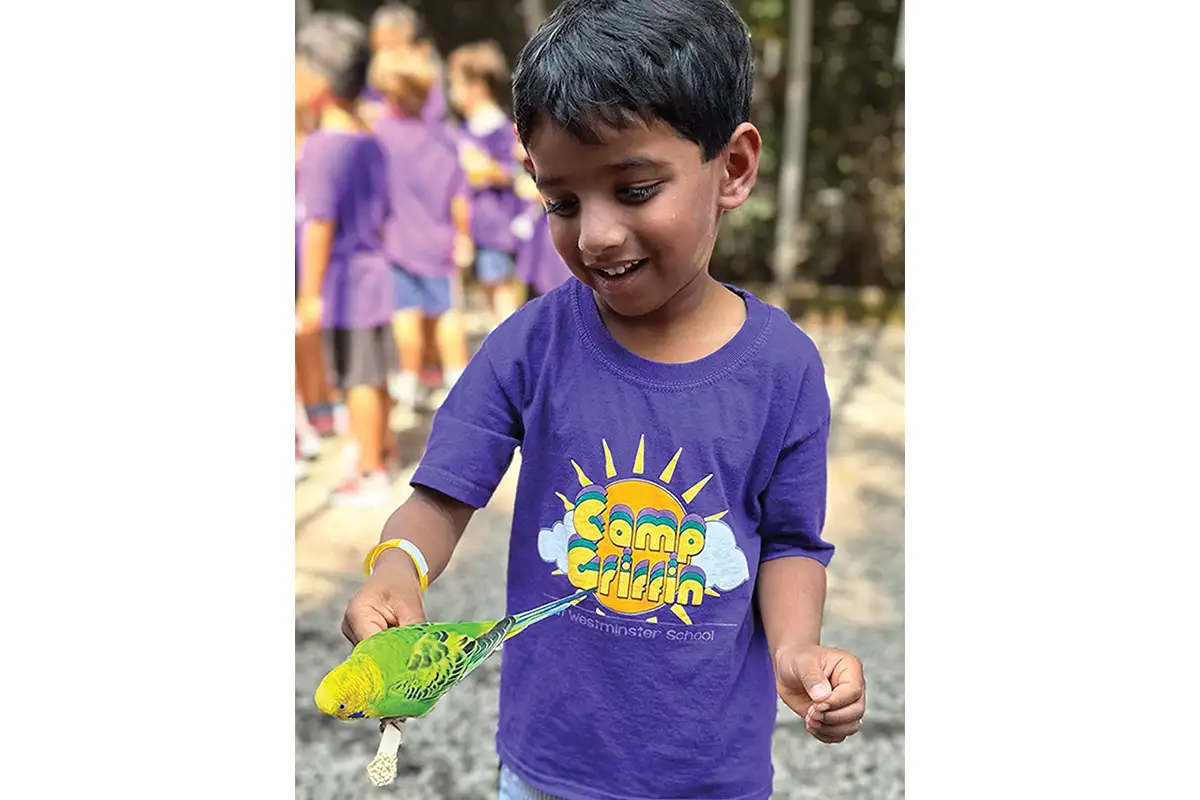
“Beyond the children having fun, the camp should promote confidence, social skills, and independence,” says Kari Mock, director of auxiliary programming and operations coordinator for Camp Griffin at Annandale’s Westminster School. “Values like safety, respect for others, and inclusion should be consistently reflected in the policies and in daily practice.”
We spoke with camp directors at various Virginia summer camps about questions to ask before enrolling in camp, how to spot a great program, and whether a day camp or overnight camp is a better fit. Also, counselors who were once campers share their own summer camp experiences.
What to Ask
When deciding which camp is the best fit for their child, parents should inquire about the programming, safety measures, and camper-to-staff ratio.
Donna Rathe, owner of Tiny Dancers in Fairfax, suggests asking these questions:
- What kind of activities are offered?
- How experienced are the counselors?
- How does the camp accommodate different personality types (shy, energetic, sensitive)?
- How is snack time handled for children with allergies?
- What is the refund/cancellation policy?
You can also ask what percentage of campers and staff typically return every year. This can reveal the stability and strength of a camp program.
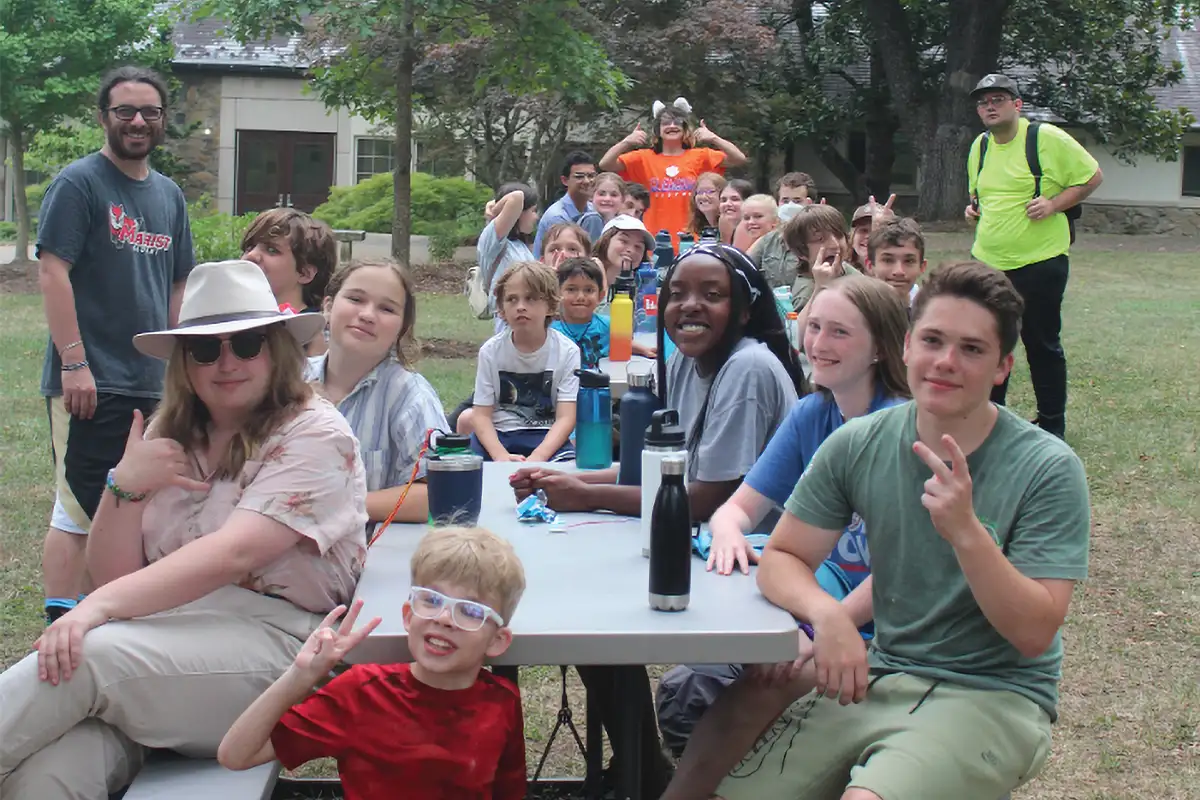
“The strength of return is continuity; that is the community,” says Sandy Weinstein, board director and founder of Camp Brainy Ridge in St. George, which specializes in providing a camp experience for kids with chronic health conditions. Weinstein says parents should be familiar with the ratio between campers and staff, as some children require more care than others.
By reviewing camp websites and scheduling tours, parents can see if the camp prioritizes friendships, answers questions openly, and treats families as partners.
“The program [should] model a culture that teaches children about kindness, problem-solving, and emotional regulation,” Mock says. “Children are encouraged to try, fail, and try again in a supportive environment.”

Day Versus Overnight
For some children, an overnight camp is their first experience sleeping away from home. While both day and overnight camps have distinct benefits, it’s important for families to analyze their child’s readiness and independence.
“Day camps are often ideal for younger children or first-time campers. They provide structure, excitement, and enrichment while allowing kids to return home each evening to recharge,” says Alicia McEldon, founder and CEO of SciGenie in Reston. “Overnight camps can be a wonderful option for older children who are ready for extended independence and a more immersive experience.”
“Parents should consider their child’s emotional readiness,” Mock says. She says parents should ask themselves, “How does my child handle being separated from me? Can they manage basic self-care by themselves (showering and bedtime routines)?”
Erika Schlichter, director of Camp Carysbrook in Blacksburg, says day camps are a great way to give children an introductory experience to summer camps. And, for more independent children, “overnight camps offer an unparalleled opportunity [to] navigate tough situations with confidence.”
At the end of the day, there is no “right” answer for a specific camp type. Children will be most successful at a camp that aligns with their comfort level and encourages curiosity, confidence, and friendships with campers and staff.
From Campers to Counselors
Parents can glean crucial information about a camp from hearing about the experiences of former campers who now serve on staff.
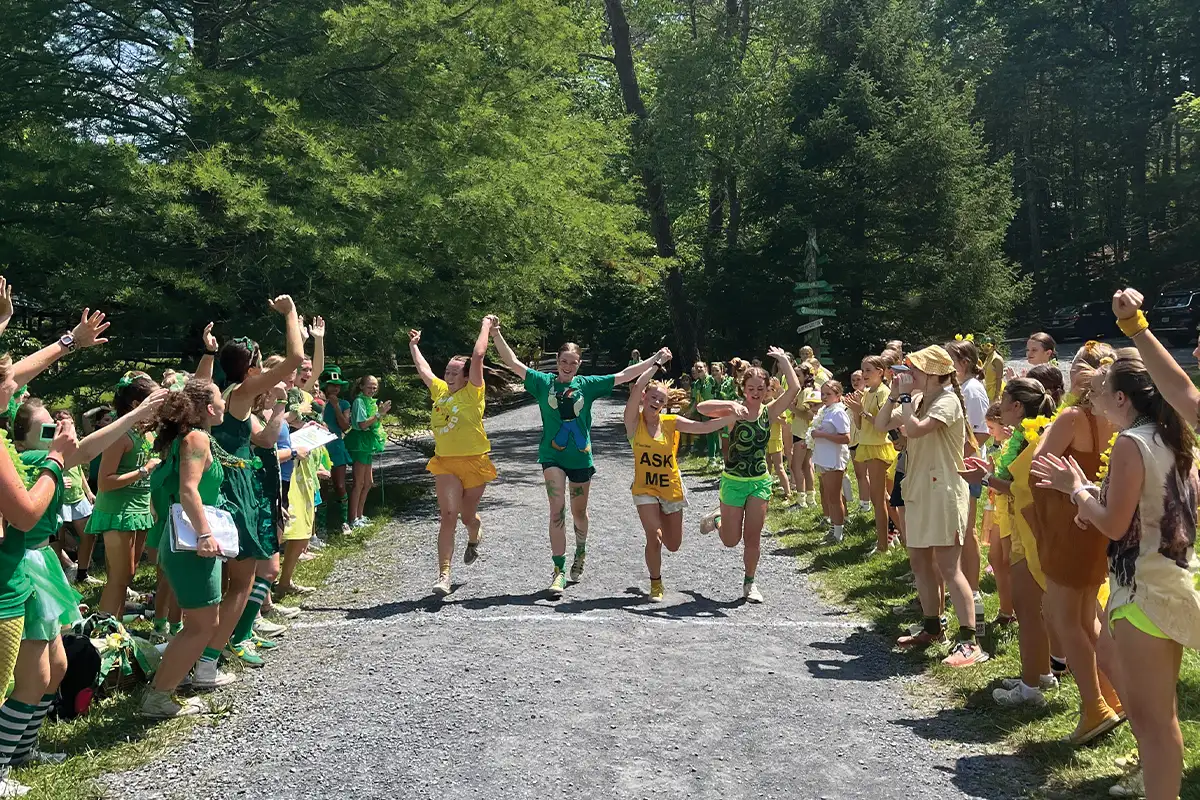
Kelsey Fatsi grew up attending Camp Mont Shenandoah in the Allegheny Mountains and now serves as the camp’s program director. Her grandmother attended the camp, and her two daughters are current campers. Her husband also works there.
“As a camper, I loved all the excitement and bonding with different people with all these different ways of navigating the world,” Fatsi says. “I’ve had the experience as camper, counselor, camp parent, and camp director.”
Weinstein also cherishes family involvement in camp. In 1994, when her daughter Alyssa was just 3 years old, Weinstein established a camp called Great Rock. Alyssa grew up within the camp environment, and while Camp Great Rock is no longer around, Alyssa now works with her mother at Camp Brainy Ridge, where she is a nurse practitioner.
“We have hundreds of letters from campers of what it means to be part of a community, how they changed, and how they look at themselves,” Alyssa says.
For Schlichter, nothing compares to the feeling of giving back and making a positive impact on campers’ lives while serving as counselors. Camp Carysbrook offers a counselor in training program that she describes as even more rewarding and fun than being a camper.
“Counselors who attended camp as a camper often refer to Carysbrook as a second home, their favorite place in the world, and a safe place to learn and grow into their authentic selves,” Schlichter says.
Feature image, stock.adobe.com
This story originally ran in our March 2026 issue. For more stories like this, subscribe to Northern Virginia Magazine.