It’s been seven years since the invasive spotted lanternfly first appeared in Virginia, and one thing is clear: The pesky bug is here to stay. And it’s not your imagination — there really are more of them in NoVA this year than in years past.
“We’re getting more and more reports of it in residential areas,” says Eric Day, an entomologist at Virginia Tech. “It used to be kind of isolated pockets where you were seeing it, but now you’re starting to see it pop up in a lot of different locations.”
There are now established populations in the majority of the state, including every Northern Virginia county. And because they reproduce rapidly and don’t have enough natural predators, they aren’t likely to go away any time soon. “It’s hard to say when [the population is] going to stabilize or plateau or go down,” Day says.
While lanternflies aren’t dangerous to people or pets, and they won’t kill most trees, they can damage crops like grapevines and hops. When they feed on plants, they leave behind a sticky “honeydew” that fosters mold growth. They can also be a nuisance, especially when large clusters take up residence in your yard.
But is it still crucial to stomp every lanternfly you see on the sidewalk? “Not really,” Day says. “There’s so many thousands and thousands of them out there.”
One of the best ways to help control the population, Day says, is to eliminate the plants they love from your yard. The Tree of Heaven — also invasive — is the lanternfly’s chosen host, so identifying and eliminating those trees from your property is a good move. Be sure to kill it properly; if you just cut it down, it will grow back thicker. Day recommends calling your local cooperative extension for information.
Contact or systemic insecticides are also effective on lanternflies. This is the time of year when lanternflies lay their eggs, so check trees, bushes, and outdoor furniture for patches of what looks like brown mud. If you find a mass, scrape it off and drop it into a plastic bag filled with rubbing alcohol or hand sanitizer, the U.S. Department of Agriculture recommends.
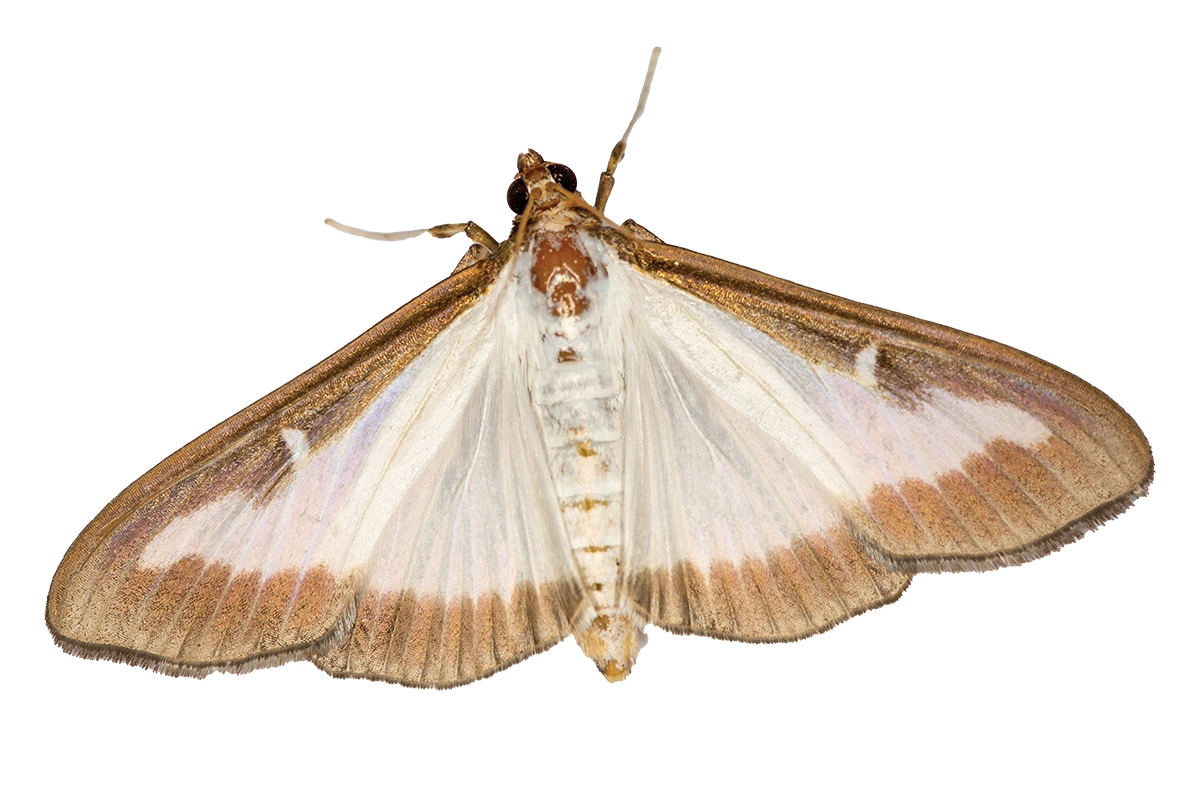
A New Invasive Bug
Spotted lanternflies aren’t the only invasive insect to watch for. Box tree moths have recently been spotted in Loudoun County and are known to kill boxwood plants. You can report sightings on the Virginia Department of Agriculture’s website through the online Invasive Species Reporting Tool.
Feature image, ondreicka/stock.adobe.com
This story originally ran in our September issue. For more stories like this, subscribe to Northern Virginia Magazine.