Thousands of restaurants have opened and closed in the region in the last decade. Restaurateurs today are focused less on supersizing and more on superfoods, smaller plates and a ton of new, local choices from beer and wine to dozens of varieties of microgreens and carrots. Here is a look at some of the top trends, then and now.
By Jessica Strelitz
Healthy Choices
2006: Organic.
Everything from produce to pasta sported the label, further fueled by the publication that year of Michael Pollan’s “The Omnivore’s Dilemma.” Local farms began to benefit from the push for pure, chemical-free fruit, vegetables and meats.
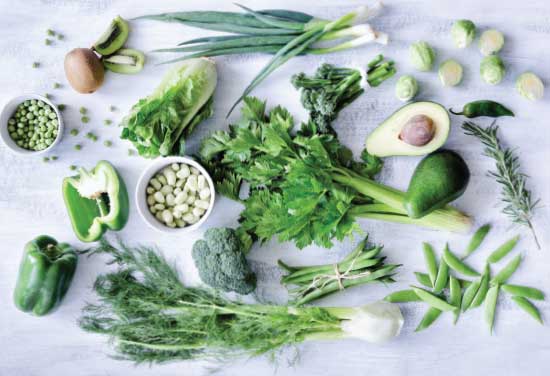
2016: Veggie variety.
Regional chainlet Great American Restaurants opened two Coastal Flats locations in Northern Virginia in 2006. Chief innovation officer Hollis Silverman notes that while the restaurants continue to be fish-focused, they have added a number of hearty salad options and vegetable sides, such as kale, arugula, broccolini and campari tomatoes, which were unknown on mainstream menus 10 years ago.
Global Influence
2006: Middle East.
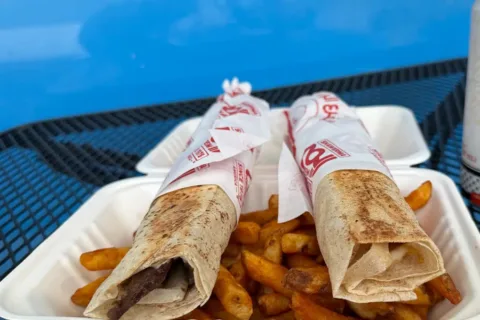
The D.C. region has a long tradition with couscous, falafel and kebobs thanks to mainstay restaurants like local chain Lebanese Taverna, Arlington’s Layalina and Kazan Restaurant in McLean. But Lebanese, Moroccan and other regional cuisines saw a boost from increased national interest in Middle Eastern culture and flavors.
2016: Southeast Asia.
Chef Cathal Armstrong, who was named one of Food and Wine’s Best New Chefs in 2006, says he’s often played with interpretations of Asian dishes on his modern American menu at Restaurant Eve in Alexandria. In 2015, he introduced a Filipino-focused Asian tasting menu for a month that proved so popular that he added it permanently. Armstrong also grows lemongrass and Thai chilies in the restaurant’s on-site garden.
Ingredient Changes
2006: Goodbye trans fats.
The Food and Drug Administration began to require food manufacturers to list trans fatty acids on nutrition labels, and New York City voted to enact its ban on trans fats in city restaurants, prompting many food chains to later remove the unhealthy fats from menus nationwide.
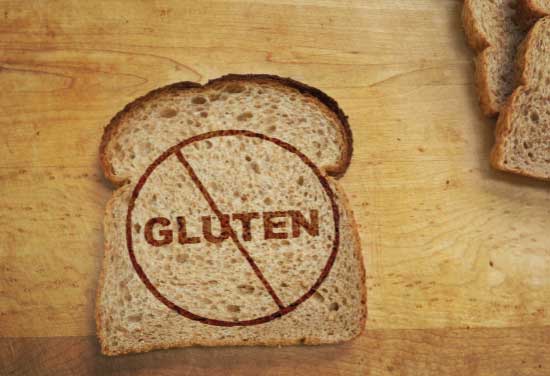
2016: Thoughtful gluten-free.
When chef-owner Jim Bazin opened Bazin’s on Church in Vienna in 2006, he had no idea that a decade later half of his menu would be gluten-free. A diagnosis of celiac disease sparked the chef to take flour off the kitchen line and to develop dishes that rely more on a bounty of produce for crunch.
Hot Dishes
2006: Small plates.
The sharing concept, which continues today, offered the opportunity for diners to sample all types of menus more broadly but often led to cluttered tables and confusing service (which also continues today).
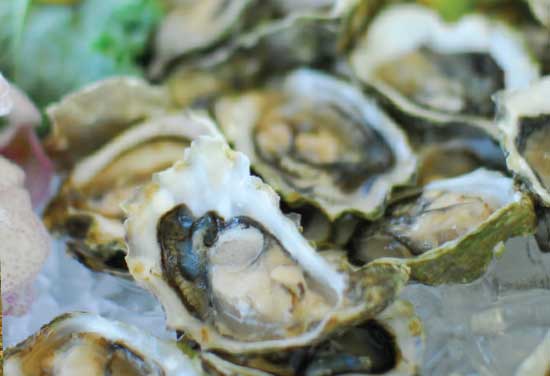
2016: Raw bar.
“It has always been around, but now it’s everywhere,” shares food forum CEO Don Rockwell. Mosiac District newcomer Brine offers American caviar, Carolina shrimp and three types of Virginia oysters on its extensive daily list.
Kitchen Techniques
2006: Molecular gastronomy.
Foams. Liquid nitrogen. Gels. Edible menus. The tricks and tools of modern kitchen science were released from secret culinary labs and into the mainstream.
2016: 3-D printing.
Ruben Garcia, research and development director for ThinkFoodGroup, says the technology is still in the early stages for culinary applications. “It’s like the first cellphone—really expensive and not refined, but look at what we have today.” D.C.’s Minibar acts as the restaurant group’s lab. When the technique is ready, it will spread to other kitchens, including Jaleo in Crystal City.
Wine
2006: Rosé.
Still and sparkling pinks gained new fans around the world, and (thankfully) pushed white zinfandel out of the domestic market. More winemakers began to adopt the saignée technique for making rosé, bleeding off the juice during initial fermentation, which lends richer color and better structure to the wines.
2016: Virginia rises.
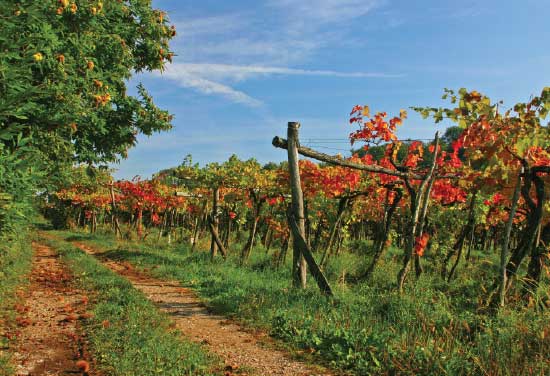
In 2006, there were just over 100 wineries in the state. Today there are more than 250, and Virginia wine is distributed globally. The trend led Leesburg Vintner owner Mike Carroll to establish his own vineyard, Carroll Vineyards in Paeonian Springs, in 2012. He now sells 300 cases of his own product each year, in addition to bottles from around 30 other Virginia wineries. “[Local wine] quality is way up, and there are some great deals out there,” Carroll says.
Beer
2006: Imports.
The American market was on the brink of the craft beer explosion, so diversity came from overseas with many brew-centric menus featuring a host of Belgian, German and Asian bottles.
2016: Local.
The number of breweries in the U.S. has nearly tripled to more than 4,000 in a decade, and Virginia is home to more than 100, including 4-year-old Port City Brewing in Alexandria, which was named Small Brewery of the Year in 2015. “To say the local scene has exploded is an understatement,” says Greg Engert, who has overseen the beer menu at Rustico since it opened in 2006.
Menu Trends
2006: Tasting menus.
The Inn at Little Washington, 2941 in Falls Church, The Restaurant at Patowmack Farm in Lovettsville and the now-shuttered Maestro Restaurant in Tysons Corner were all destinations for elegant, long meals with multicourse options.
2016: Kids’ menus.
A growing number of Virginia chefs have developed unique menus to cater to foodie families looking for more than PB&J or chicken fingers. Clifton’s Trummer’s on Main unveiled its Petit Gourmand tasting options for small diners in 2015, and härth added its Foodie-in-Training menu in McLean in late 2014. Cafe Italia, which marks 40 years in Arlington this year, boasts an extensive kids’ menu, including a tiny rib-eye and fresh fettuccini Alfredo.
(January 2016)