The National Underground Railroad Network to Freedom program was established by Congress in 1998. It works to create a network of sites, programs, and facilities with a connection to the Underground Railroad. Sites are not limited to safehouses and include all types of places that played a part in enslaved peoples’ journeys to safety.
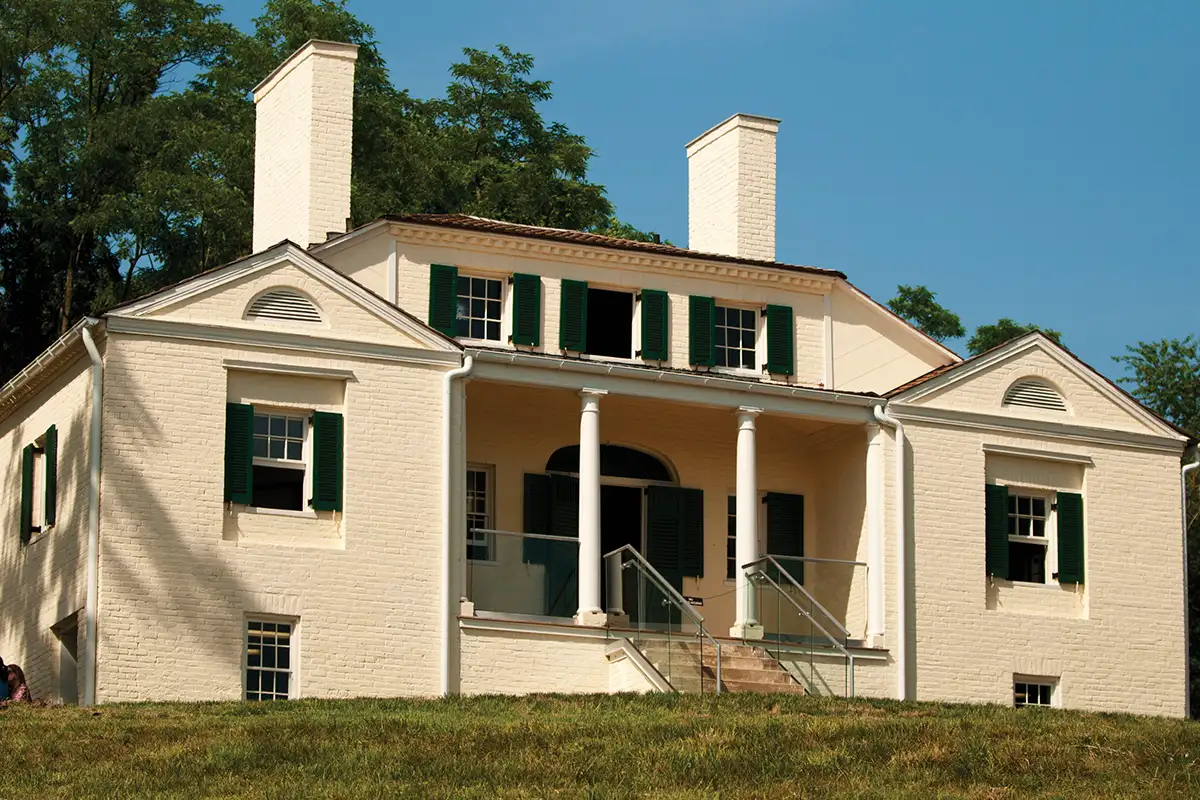
Alexandria’s Historic Huntley preserves stories of Bob, Sam Humphreys, and Sandy, three enslaved men who risked everything on their journey to freedom. Fairfax County Park Authority staff documented Historic Huntley’s role as a plantation and the lives of enslaved men like Bob, Humphreys and Sandy, who escaped.
“We can only imagine the courage required to face an abyss of uncertainty and danger when one feels the fire of freedom in their bones,” Nigel Fields, the park authority’s deputy director for planning and development, said in a statement.
Sully Historic Site and Riverbend Park preceded Historic Huntley as Fairfax County Park Authority sites to attain the designation.
Below are eight more Northern Virginia Underground Railroad sites and their significance.
Leesylvania State Park
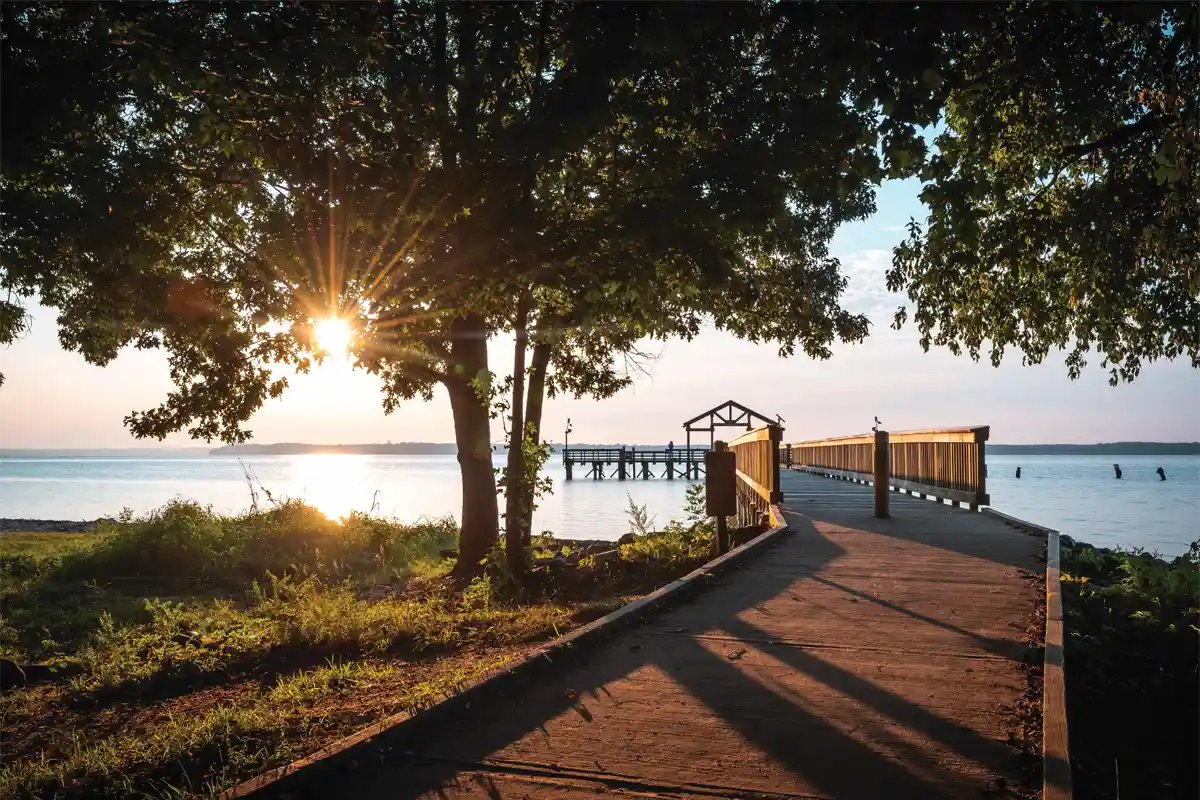
The Prince William County Park is a notable site on the Underground Railroad. On the site, 15 runaways escaped “Lee’s Woods,” the 1750 home that was once on the park’s property. It was owned by Henry Lee II and where Revolutionary War hero Henry Lee III, the father of General Robert E. Lee, was born. Leesylvania is included in the National Park Services’ Network to Freedom and is located near Woodbridge along the Potomac River. 2001 Daniel K. Ludwig Dr., Woodbridge
Rippon Lodge
Rippon Lodge was at one time a large plantation. It was part of the transportation route between the North and South. Historically, Thomas Blackurn, who owned the lodge from 1775 to 1807, placed ads in the Alexandria Gazette for the return of runaway slaves. 15520 Blackburn Rd., Woodbridge
Brentsville Courthouse
The Brentsville Courthouse was where enslaved African Americans were tried, imprisoned, and executed. The first documented piece of evidence that the jail was used to house runaways comes from a bill circa 1833. The bill is for medical treatment of a runaway in jail. 12229 Bristow Rd., Bristow
Arlington House
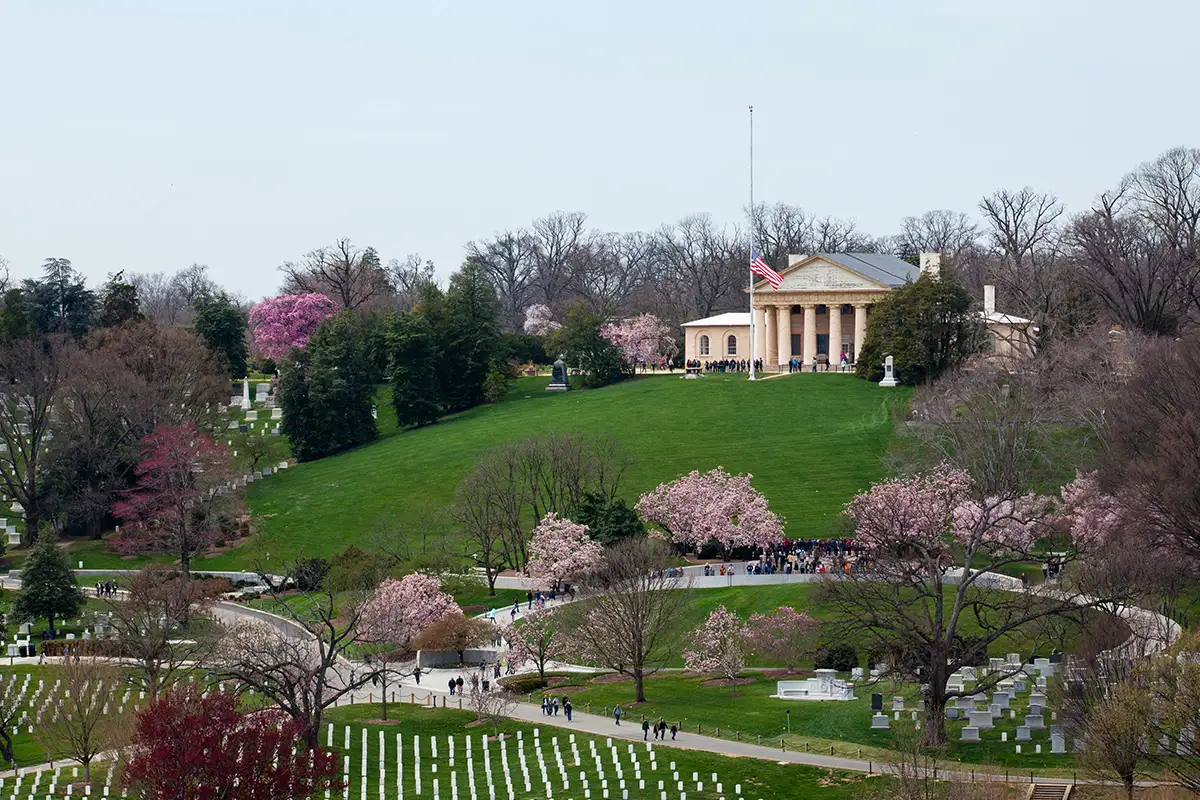
Located in the Arlington National Cemetery, Arlington House was at one time the home of General Robert E. Lee. While today it is part of the Georgetown Washington Memorial, it was once used as a community for emancipated slaves. 321 Sherman Dr., Fort Myer
Inn at Evergreen
The Inn is recognized on the National Registry of Historic Places. Lewis Berkeley built the Inn in 1827, and his son Edmund inherited it. Edmund had 33 slaves in the 1850s, and the inn is on the Network to Freedom because there are accounts of slaves escaping from the property. 15890 Berkeley Dr., Haymarket
Conn’s Ferry
What was once the Conn’s Ferry landing is currently the boat ramp at Riverbend Park in Great Falls. A slave named Ellick escaped, was captured, and brought back to the Conn children, who owned the estate. Ellick escaped again by running over a hill and the Conns never saw him again. 8700 Potomac Hills St., Great Falls
Sully Historic Site
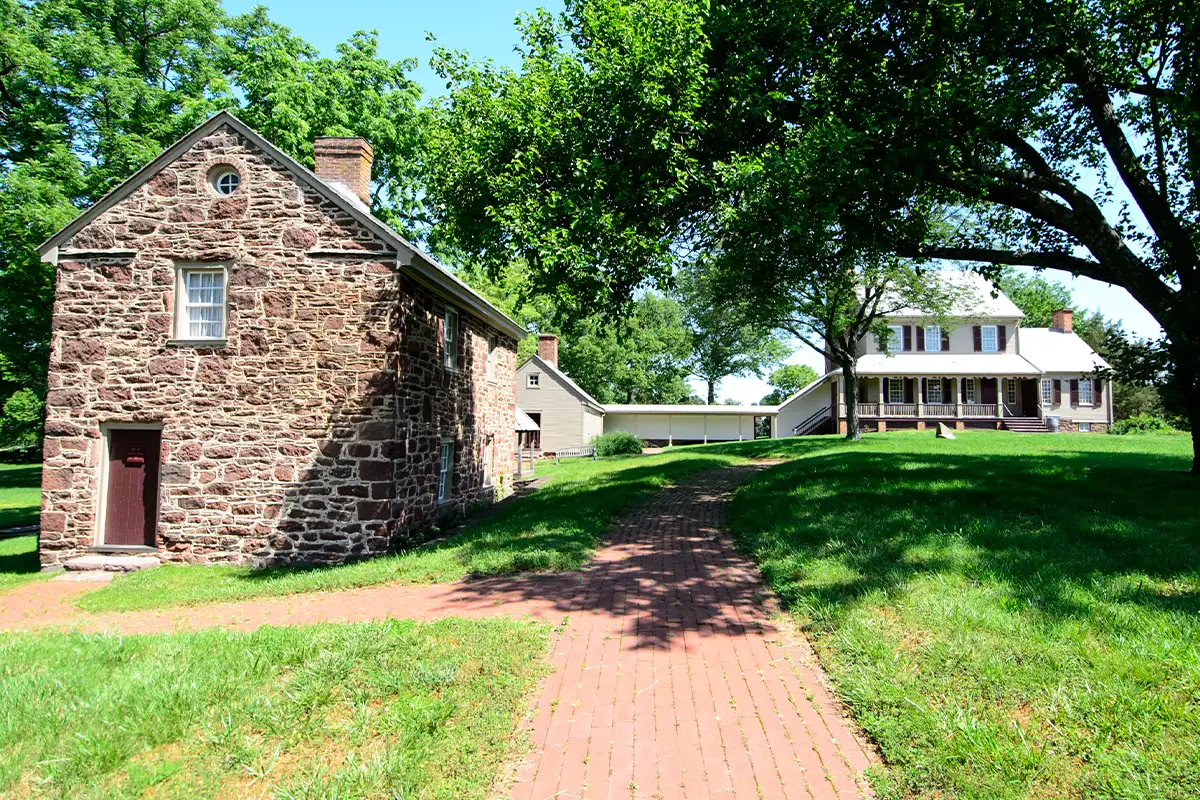
Robert E. Lee’s uncle and Northern Virginia’s first congressman Richard Bland Lee built a home he nicknamed “Sully.” During the time the Lee family owned the plantation, members of the enslaved community attempted to escape to freedom. Those stories makes the Sully Historic Site part of the Underground Railroad Network to Freedom. 3650 Historic Sully Way, Chantilly
For more sites in Northern Virginia, visit our Underground Railroad guide.
Feature image of Historic Huntley courtesy Fairfax County Park Authority