A hospital visit can be stressful at any age, and the emotional toll can be just as significant as the physical one. To boost mental health, alongside traditional medical treatment, many health care systems are investing in programs that help patients stay connected to the things that bring them joy, purpose, and comfort. From video games and music to wellness programs and therapy dogs, these initiatives aim to support patients beyond their diagnoses.
Connection Through Gaming
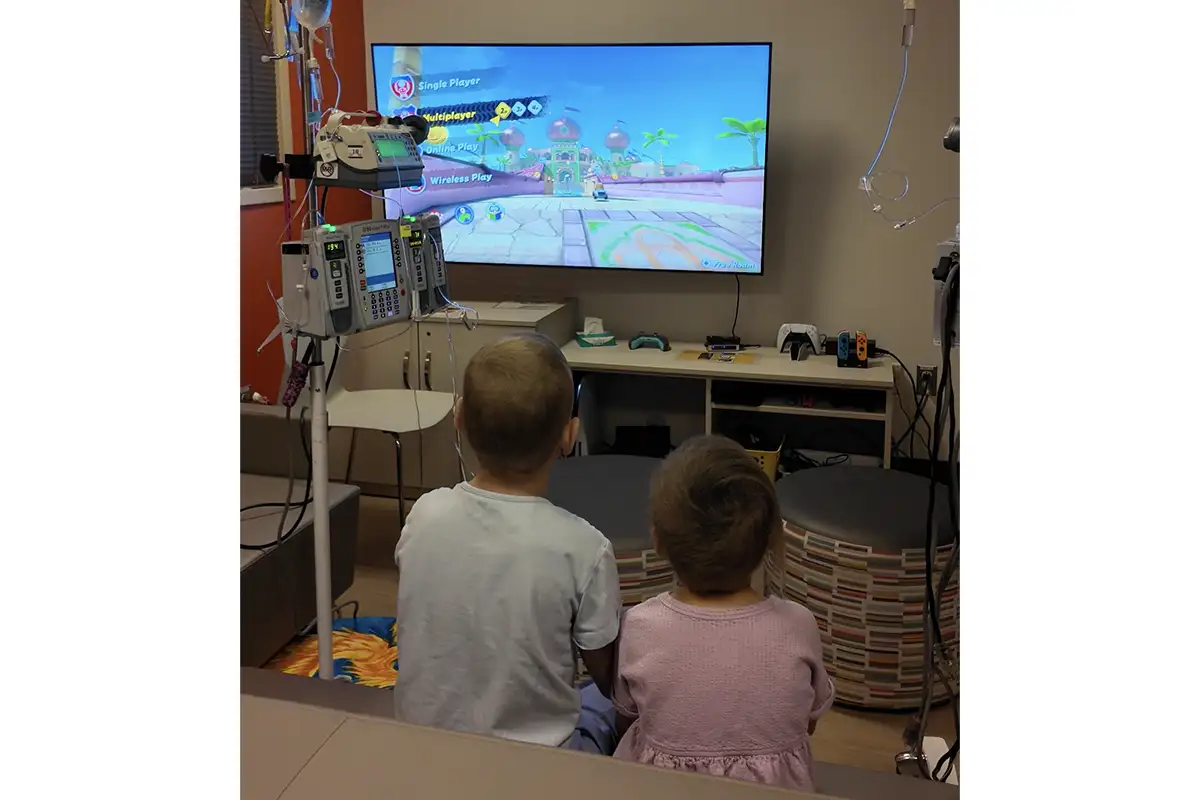
For many children, a hospital stay means putting everyday activities on hold. At Children’s National Hospital, Gaming Technology Coordinator Mike Cano works to make sure video games are not one of them. Funded by Child’s Play Charity, Cano oversees tech experiences for patients throughout the hospital. He introduces children to his cart filled with consoles, remotes, and games or helps them set up their own systems.
“When they see me walk in, the kids light up in a way that you don’t really see in hospitals,” Cano says. “[Gaming] is just so different than the medical stuff they have to do for the majority of their stay.”
While a quick game of Mario Kart can brighten a difficult day, Cano says one of the greatest benefits of the program is just allowing kids the chance to decide for themselves whether they want to play.
“There are so many procedures that kids can’t refuse, so giving kids autonomy and a voice over a small part of their care means a lot,” he says.
Above all, gaming creates a space where kids can be kids. The activity offers distraction and entertainment, but it also helps preserve an important part of their identity during a challenging time.
“In a place like a hospital, being silly and ridiculous is so valuable,” Cano says. “You lose a lot being here, but I just don’t think gaming has to be one of those things.”
Creativity as Care
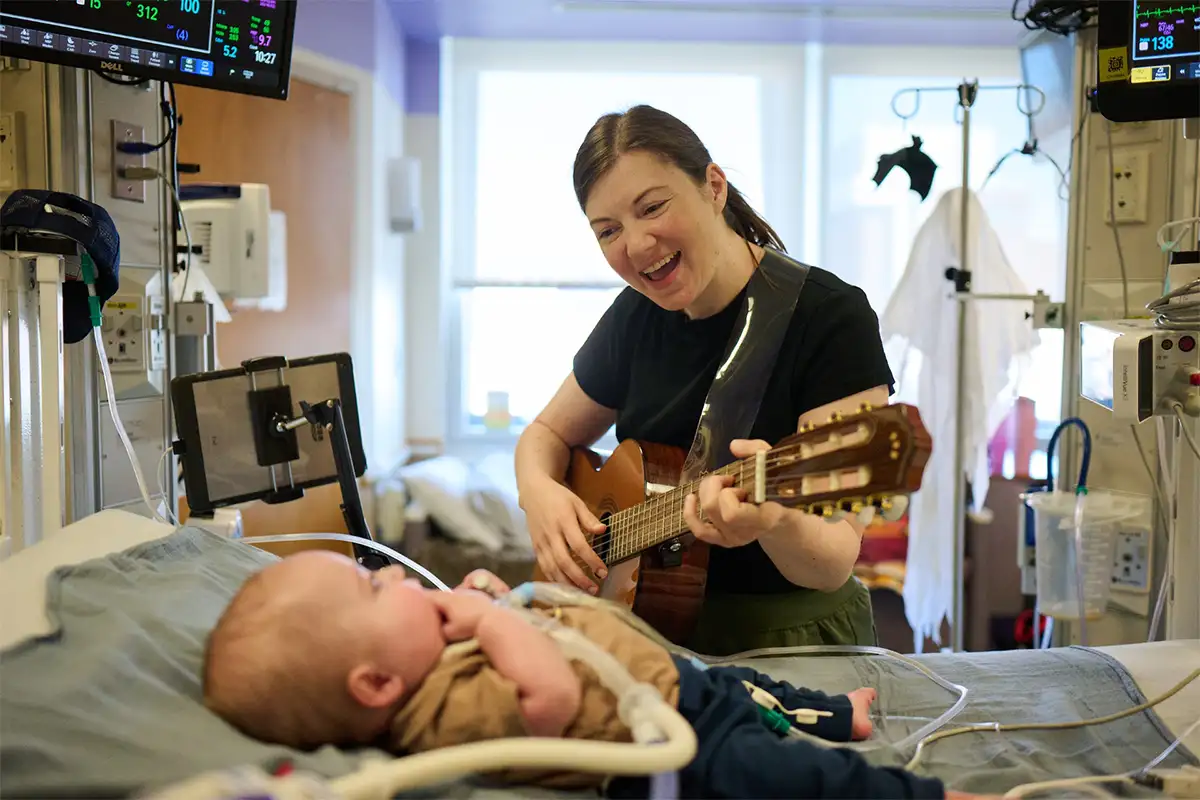
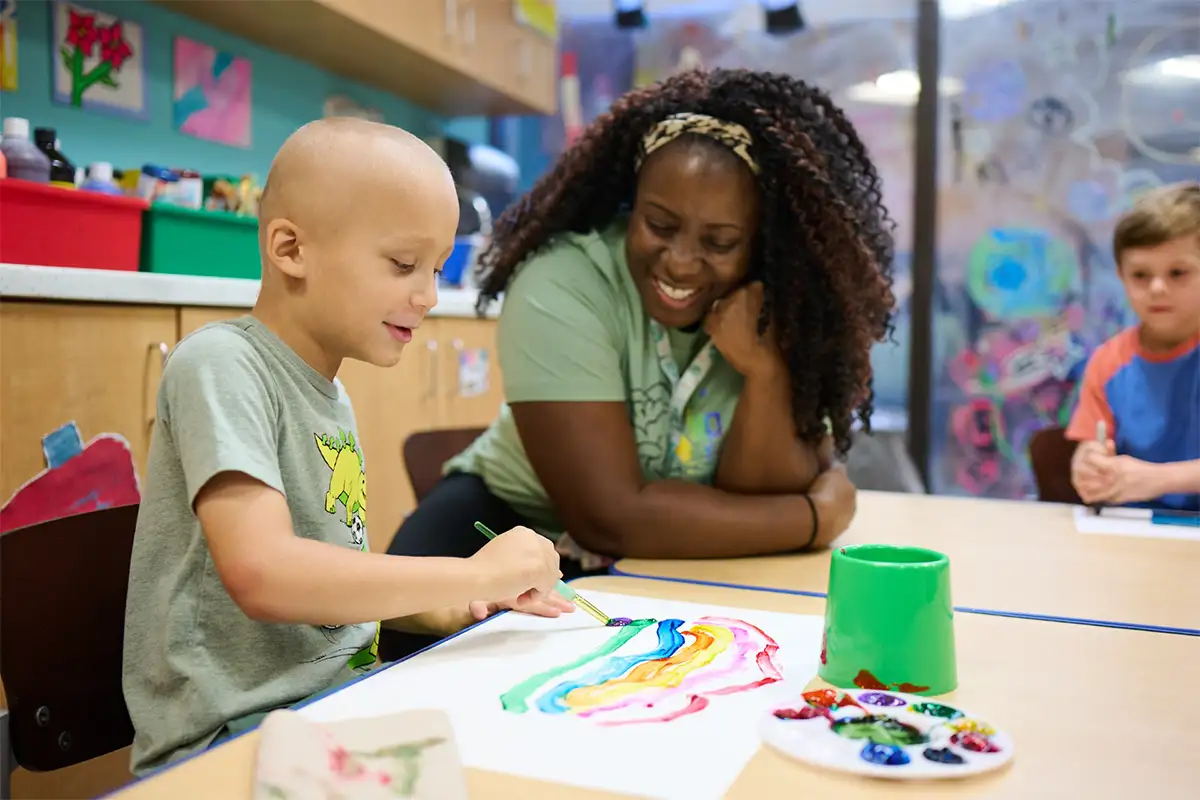
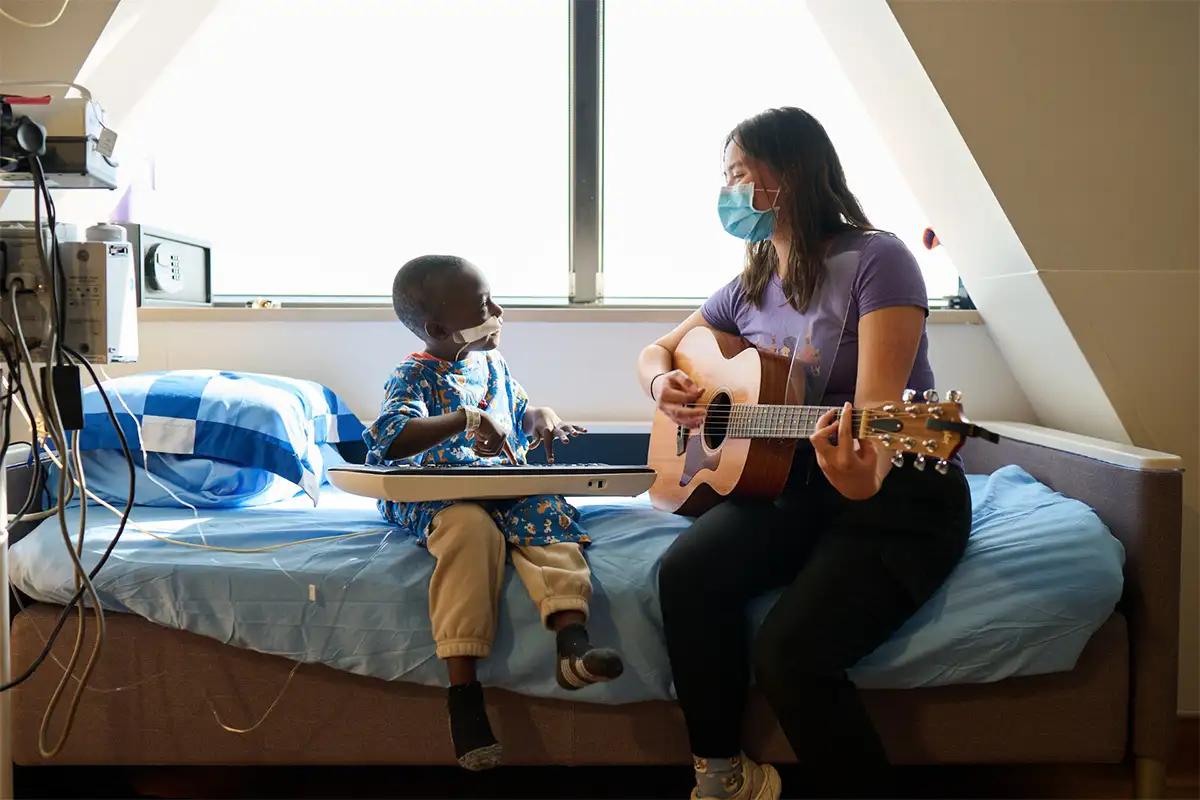
At Children’s National Hospital, creativity doesn’t end with a stay in the hospital. Thanks to Creative and Therapeutic Arts Services programs, young patients can participate in a range of therapy including art, music, and dance.
“Hospitalization can be a scary, difficult experience for children and families,” says V.J. Hyde, manager of Creative and Therapeutic Arts. “Our music and art therapy teams are everywhere in the hospital, providing support for everyone.”
Children’s National also creates opportunities for young patients to connect to the outside world. Through their artist-in-residence programs and special events, kids can create their own art and music with the help of area professionals.
“We host all kinds of performers, from a singer-songwriter you might find at a local coffee shop to the Cirque de Soleil and the National Symphony Orchestra,” Hyde says.
But for Hyde and the rest of the team, these programs are just the tip of the iceberg. Children’s National is also home to Seacrest Studios, a fully functioning broadcast space established by the Ryan Seacrest Foundation in 2015. The studio streams original programming to more than 300 rooms via CCTV.
“We’ve got music therapy, art therapy, physical therapy, and dog therapy shows, with more on the way,” Hyde says. “Our hope is to increase opportunities for education for our patients who are here from short-term to long-term.”
For children who are unable to leave their rooms, these experiences can help transform the hospital environment into something brighter and more exciting.
Finding Voice with Music
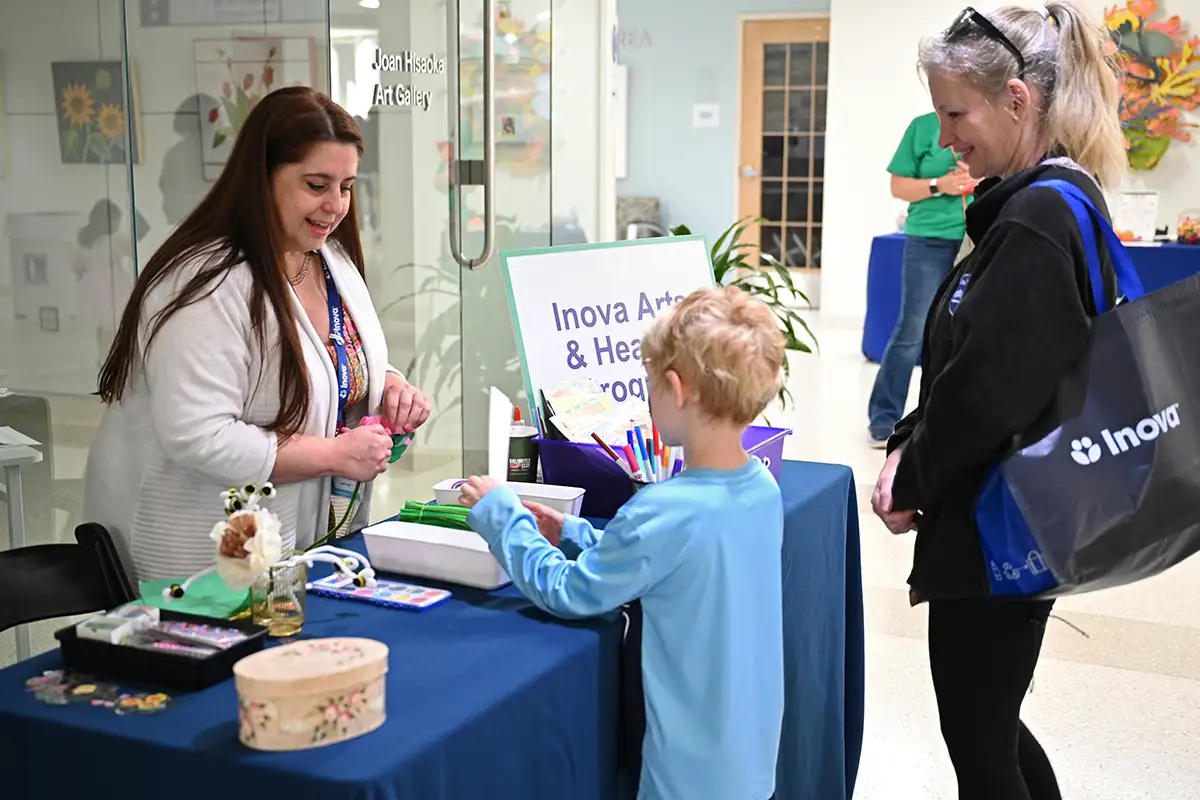
Many hospitals use music as a therapeutic tool to help people recover from brain injuries, strokes, and other neurological conditions. But not all have had such a profound community impact as Inova’s Brain Choir.
Monika Stolze, program manager at Inova Loudoun Outpatient Specialty Rehabilitation Center, oversees activities that supplement traditional rehabilitation services with music therapy and animal-assisted interventions.
One of those offerings is the Brain Choir, a community group for adults living with brain injuries, strokes, Parkinson’s disease, multiple sclerosis, and other neurological conditions.
The program — fully funded by philanthropic donors — helps patients strengthen breathing and vocal control. Singing familiar songs can help patients with speech difficulties access language that may be difficult to express.
“The great thing about the Brain Choir is that it meets people where they are in their journey of recovering,” Stolze says. “Some patients weren’t able to express their basic wants and needs before joining, and now they can put together full sentences and talk about their hopes and dreams.”
Beyond speech improvements, the program also provides a supportive community for individuals who often experience mental health struggles because of their neurological conditions.
“People with brain injuries and disabilities have a higher rate of anxiety, depression, social isolation, and suicidal ideation,” Stolze says. “But we’ve actually been reporting lower scores specifically from the Brain Choir support group.”
Stolze says rhythm and melody can activate different areas of the brain, helping patients connect emotionally and perform physical movements more naturally. “Music allows the body to move more involuntarily than intentionally — whether that’s talking versus singing or walking versus dancing,” she says. “Your entire body is hearing and feeling the music, making it easier to do a task and then apply it to everyday life.”
More Than Tail-Wagging
One of the most common types of medical therapy programs is animal-assisted care. But the pups at Inova do a lot more than licking faces.
Leslie Horton, Inova’s Animal-Assisted Care coordinator, says the organization’s program is designed to integrate animal-assisted therapy directly into patient care plans.
Physicians and rehabilitation teams incorporate dogs into treatment goals ranging from mobility exercises to cognitive recovery.
“Our dogs demonstrate to people with disabilities how they can become independent — they can open doors, get dressed, and eat,” she says. “By working closely with our physical and occupational therapy teams, the dogs provide more than just emotional comfort.”
For stroke patients, therapy dogs can encourage increased participation in rehabilitation exercises. For patients recovering from severe brain injuries, Horton says the animals sometimes elicit responses when family members and health care providers cannot.
“Dogs are able to touch a part of a person that humans cannot,” says Horton. “We’ve had people who won’t wake up for their family members or hospital staff, but you bring in a dog, and their symptoms of consciousness will change dramatically.”
The program also allows visits from patients’ own pets when appropriate, which can provide comfort and emotional support that no medical intervention can replicate.
“Many of our patients are sick and tired of being sick and tired,” Horton says. “Sometimes they just want to see their own dogs. And as long as it’s safe, who’s to say no?”
Healing Beyond Hospital Walls
For some seniors, not all healing takes place inside a hospital. Kaiser Permanente’s Thriving After 60 program helps older adults stay physically, mentally, and socially engaged through a combination of virtual and in-person events.
According to Dr. Angela Hsu, a geriatrician with Kaiser Permanente, the program was designed to “support a person holistically, focusing on medical, social, and emotional needs.”
Activities range from yoga classes, tai chi, and dance parties to educational seminars on nutrition, memory health, stress management, and chronic disease prevention. For those who cannot attend in person, many events are recorded or livestreamed.
“During the COVID-19 pandemic, it was really important to break people out of isolation,” says Hsu. “We’d have virtual dance parties where hundreds of people would attend to enjoy each other’s company and move their bodies — which have huge benefits in terms of well-being.”
Hsu says any type of social connection is critical because loneliness and isolation can have profound effects on both physical and emotional health.
“Those things are risk factors for a shorter and poorer quality of life,” she says. “It can be hard to stay consistent, but this program helps people be aware of the kind of variety and community that’s out there.”
It Takes a Village
Behind many of these programs are volunteers, donors, artists, and community members whose contributions help turn hospitals into places that feel a little more like home.
For those looking to get involved, many of the programs welcome volunteer support. “Our volunteers are not good — they’re amazing,” says Horton. “Hospitals are always looking for people to help make patients days a little brighter.”
Feature image courtesy Children’s National Hospital
This story originally ran in our August issue. For more stories like this, subscribe to Northern Virginia Magazine.