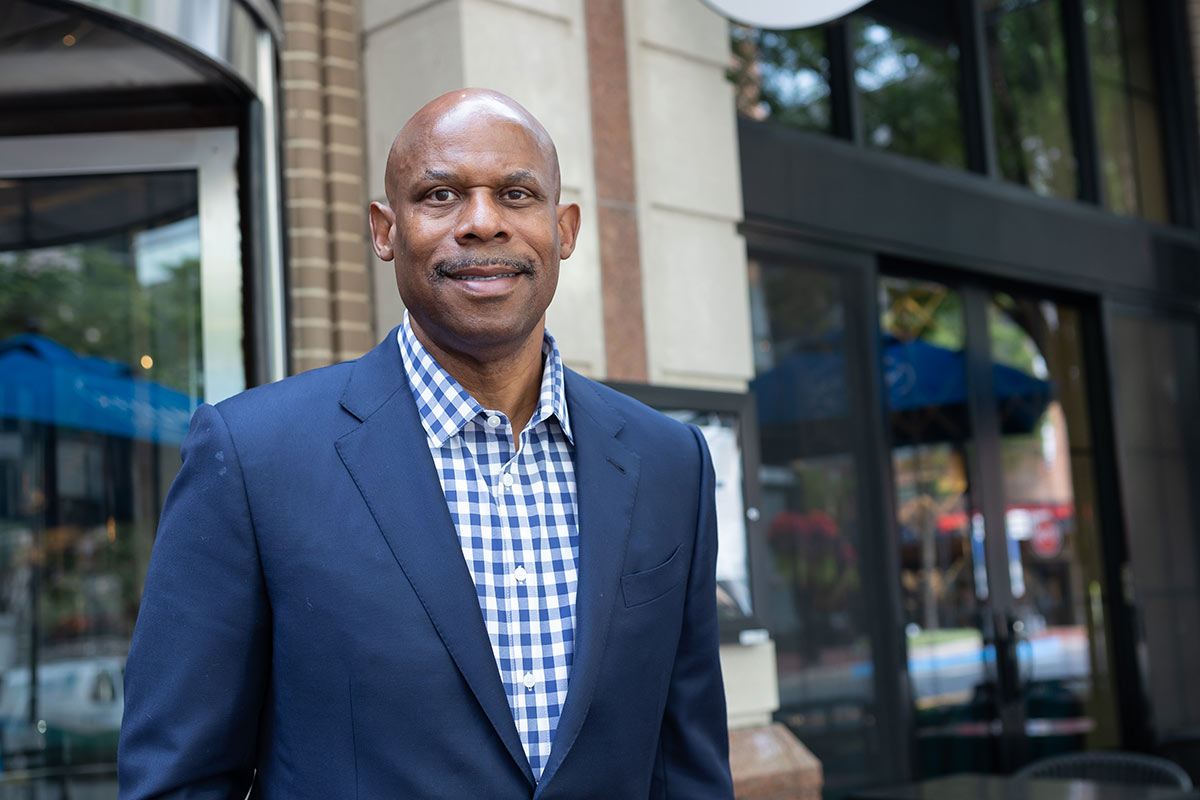
Warren Thompson likes to tell the story of how, at just 12 years old, he was dining with his parents at a Portsmouth, Virginia, Shoney’s restaurant, and declared that one day he would own a Shoney’s franchise.
Not only did the entrepreneur make good on that promise, but today his Reston-based Thompson Hospitality employs more than 6,000 people and owns and operates more than 70 restaurants across Virginia, Maryland, Florida, Ohio, and Washington, DC, with familiar names like Matchbox and Big Buns.
Entrepreneurial Roots
Thompson understood the importance of diversified income from an early age. He started a grass-cutting business at age 14. By 15, he was helping his father with his produce business, and devised an innovative strategy to convert a school bus into a storage vehicle to make it easier to sell Nelson County orchard produce to Tidewater markets. At just 16, he executed his first leveraged buyout when he purchased the family hog business from his father.
Thompson’s journey from a young, ambitious entrepreneur to a seasoned business mogul encapsulates the essence of the American dream, characterized by vision, hard work, and a relentless pursuit of success. His family has a long history of entrepreneurship, which Thompson says inspired him. His great-great-grandfather, Cleve Thompson, was born into slavery and, after being freed by the Emancipation Proclamation, established a thriving blacksmith business. Remarkably, Cleve lived to be 103 years old.
Reflecting on his own upbringing in the small town of Windsor, Thompson recounts, “Growing up in rural Virginia with public school teacher parents who taught math and home economics, I became very proficient in those disciplines.” He says, “I spent a lot of time in the car with my parents, engaging in thought-provoking conversations while riding to segregated schools in the 1960s.”
Thompson utilized the proceeds from his family’s hog business to finance his managerial economics degree from Hampden-Sydney College, which he earned in 1981. Upon graduating from the Darden School of Business at the University of Virginia in 1983, Thompson joined the Marriott Corporation as an intern and was accepted into Dick Marriott’s competitive Restaurant Fast Track Management Development Program. While many of his peers pursued careers in finance or consulting, he began training as an assistant manager at Roy Rogers. This move laid the foundation for Thompson’s future success in the restaurant industry.
Corporate Moves
During his nine years at Marriott, Thompson quickly ascended the corporate ladder. He concluded his tenure by leading a team that transformed the airport dining experience by adding popular national brands like Taco Bell and Burger King — a first in airports at the time. In addition, he overhauled liquor stock management and strengthened internal controls, significantly boosting revenues and profitability.
After being promoted to vice president of Marriott’s airport division, Thompson made the bold move to pursue his childhood ambition and venture out on his own. Reflecting on his experience at Marriott, Thompson says, “It was a rich learning experience that allowed me to gain the industry knowledge and know-how to lower the risks of doing it on my own.”
His decision to leave Marriott aligned with the brand’s strategic shift to concentrate exclusively on its hotel operations by divesting its restaurant businesses. Seizing this opportunity, Thompson developed a strategy to acquire some of Marriott’s restaurants and launch Thompson Hospitality in 1992. Ultimately, he completed a leveraged buyout of more than 30 Big Boy restaurants in the Washington, DC, area and negotiated an agreement to convert these to Shoney’s restaurants. Although initial growth fell short with the Shoney’s restaurants, Thompson pivoted to contract food services, which flourished, especially with a 1997 partnership with Compass Group. Now, Thompson Hospitality, the largest Black-owned food service and facilities management company in the U.S., is on track to reach $1 billion in revenue this year.
James Dyke Jr., former Virginia Secretary of Education and senior adviser at McGuireWoods Consulting, met Thompson shortly after this acquisition. “I’ve always admired the strategic way Warren formed partnerships and alliances to expand his businesses into new areas,” Dyke says. “He and his family have been excellent role models of business success and community involvement.”
Inclusion Advocate
Thompson’s rural upbringing at the tail end of the Jim Crow era profoundly influenced his commitment to fostering inclusivity within his workforce. Determined to build a company that not only reflected the diversity of the communities it served but also empowered its employees, he made inclusivity a core value of his organization.
His dedication to diversity and workforce empowerment has garnered Thompson Hospitality widespread recognition for its contributions to promoting inclusivity within the food service industry. In 2024, Thompson received the Inclusion Innovator Award from the National Restaurant Association, a prestigious accolade awarded to individuals who advocate for inclusion and implement forward-thinking strategies and policies within their organizations.
During the past 32 years, Thompson Hospitality has cultivated a diverse portfolio of restaurants, enriching the dining scene of the communities it serves. This year, the company is set to launch Thompson Restaurants, a new division dedicated to expanding locations and implementing a loyalty and gift card program. This initiative will introduce universal gift cards compatible with all Thompson Restaurants brands, a seamless online ordering system across all locations, and a consolidated loyalty program offering reward points and exclusive experiences at every brand under Thompson Hospitality. Through these efforts, Thompson Hospitality continues to position itself at the forefront of the industry, demonstrating its commitment to innovation and exceptional service, thanks to the principled approach of its founder.
Community Leader
Thompson also supports local communities and organizations, such as the Reston-based nonprofit organization Specially Adapted Resource Center, which provides essential day programs to severely disabled young adults.
Dyke also shares, “Warren is a major donor for a historical exhibit I’m developing in collaboration with the Virginia Museum of History and Culture, exploring the untold story of free Blacks in Virginia before the Civil War.”
Family has always been very important to Thompson. When he first started his company, his three goals were to take care of his parents, to make his company a family business, and to give back to the community. His brother Fred and sister Benita have been with the company since its inception. He and his wife, Danielle, also prioritize family time at home with their 4-year-old daughter, Skylar.
Thompson’s involvement extends to his parents’ alma mater, Virginia State University. For about 25 years, Thompson Hospitality has provided food services to the university and is a leading supplier to other historically Black colleges and universities. In 2023, Thompson made a second donation of $1 million to Virginia State University. Because of his generous contributions, the university renamed its hospitality school the Fred and Ruby Thompson Hospitality Department.
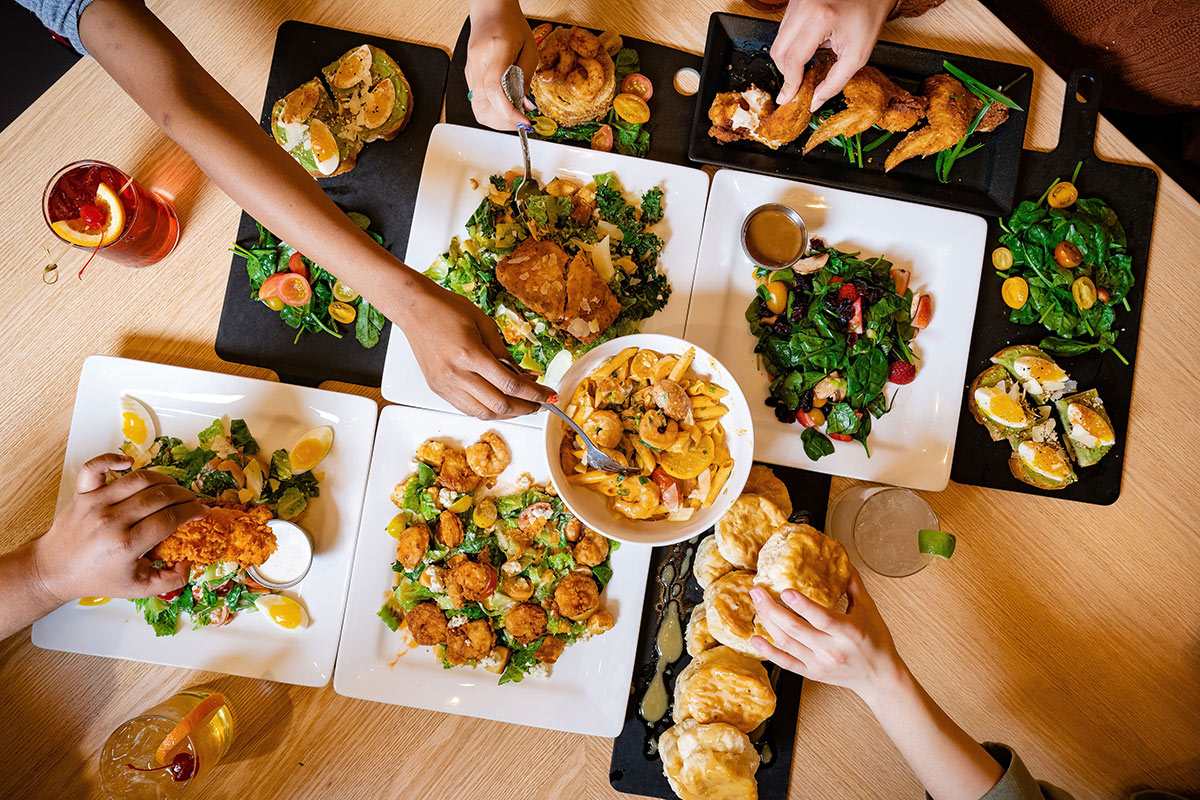
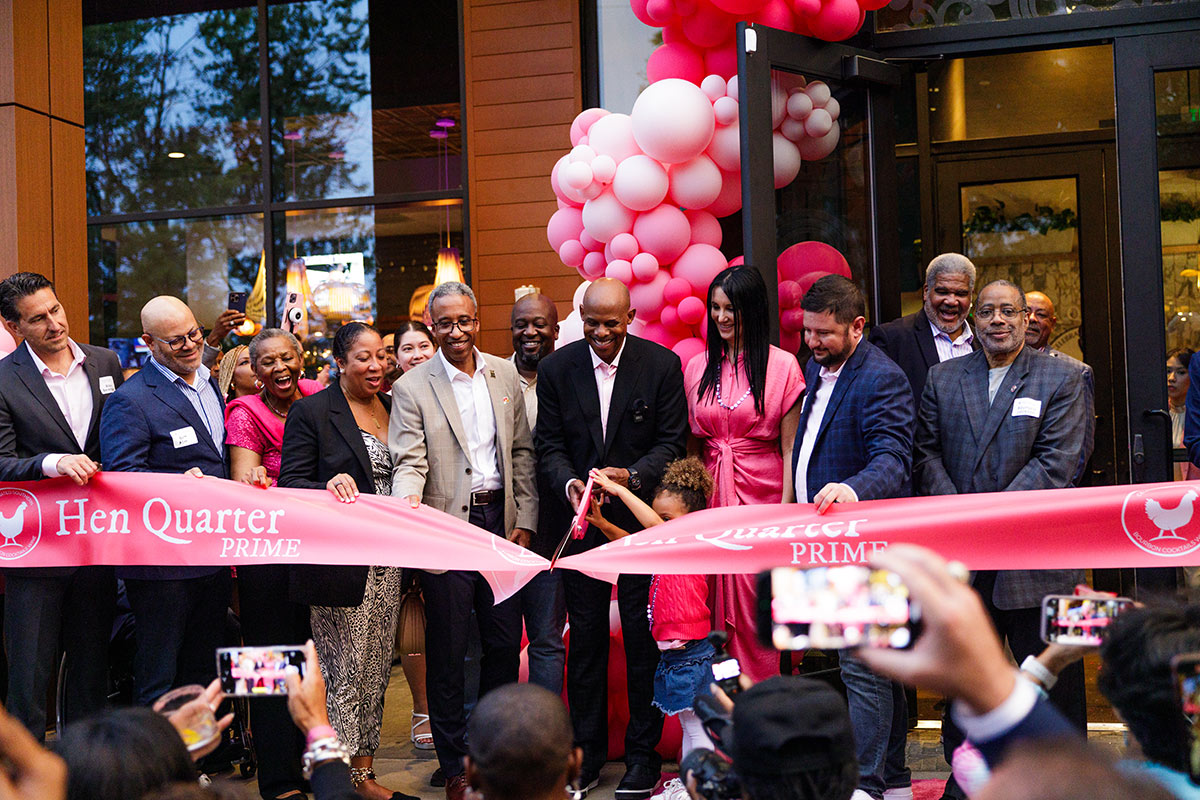
Thompson Hospitality’s portfolio includes one-of-a-kind restaurants, such as Ralph Sampson’s American Tap Room and The Ridley in Charlottesville, and several locations of Matchbox, Milk & Honey, Big Buns, Velocity Wings, and Wiseguy Pizza. The company’s most recent restaurant opening in the DC region is its new Hen Quarter, located at the Wharf.
Shawn Townsend, president and CEO of the Restaurant Association of Metropolitan Washington, says, “Thompson is a titan and a transformative force in the DMV restaurant scene. Thompson Hospitality has left a lasting legacy in the region by enriching DC’s restaurant scene with elevated dining experiences and championing diversity and innovation in the industry.”
Feature image courtesy Thompson Hospitality
This story originally ran in our March Issue. For more stories like this, subscribe to Northern Virginia Magazine.