Change can be hard for anyone—even more so when it comes to downsizing from a home you’ve created beautiful memories in or revamping parts of your living space for aging in place.
But having a home that feels relaxing, safe, and comfortable is important, especially as you get older. And making some changes to your interior design as you age can also be fun: Think about finding a really great new piece of art and how happy it makes you feel when you look at it on the wall while walking past. Now that it’s there, it serves you well.
Modifying your home as you age is a way to show off parts of your personality and your tastes by making choices not only about how something will look, but also how it will be used.
Here, some local pros offer tips for modifications you can make for aging in place at home.
Take a simpler approach.
Getting rid of belongings that you’ve had for a long time can be the hardest part of modifying your home as you get older, but the old saying rings true: Less is more.
“That’s one of the biggest hurdles for people—parting with things that no longer serve any purpose or reason,” says Pamela Harvey, founder of Pamela Harvey Interiors in Herndon. “But it really just makes the overall space feel better. And you can live better when you’re keeping the space free of extra clutter or furniture.”
Plus, the more tchotchkes you keep around, the more you have to clean, which Harvey points out can be more difficult for people as they age.
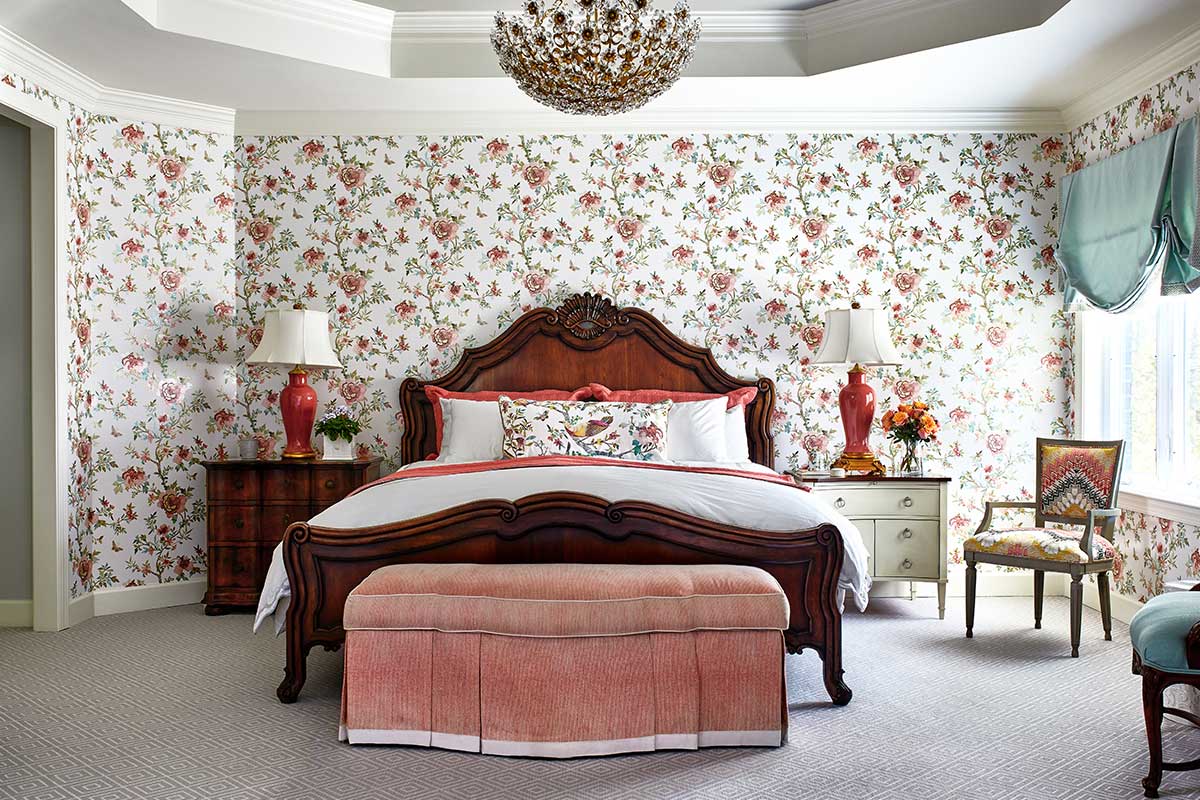
“Consider what things you really need or use on a day-to-day basis, and then the extra stuff can be donated or even passed down to a family member,” she recommends.
After passing along the things you don’t need, ensuring that the things you do need are kept in a neat and organized way can be a game changer.
“We’ve helped our clients with this or even suggested that they hire a professional organizer to come in and do this for them,” says Harvey.
You want to make sure that things like closets and the kitchen are organized in a way that gives you easy access to the things that you need, she adds.
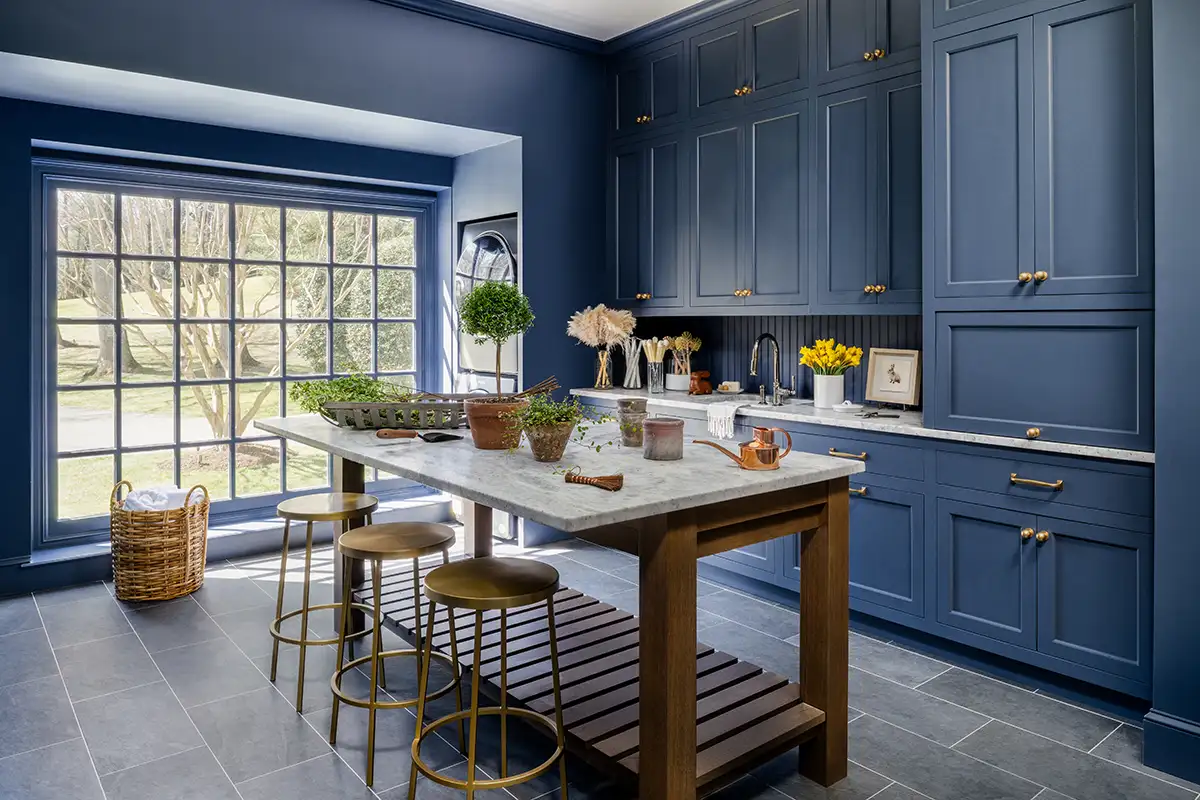
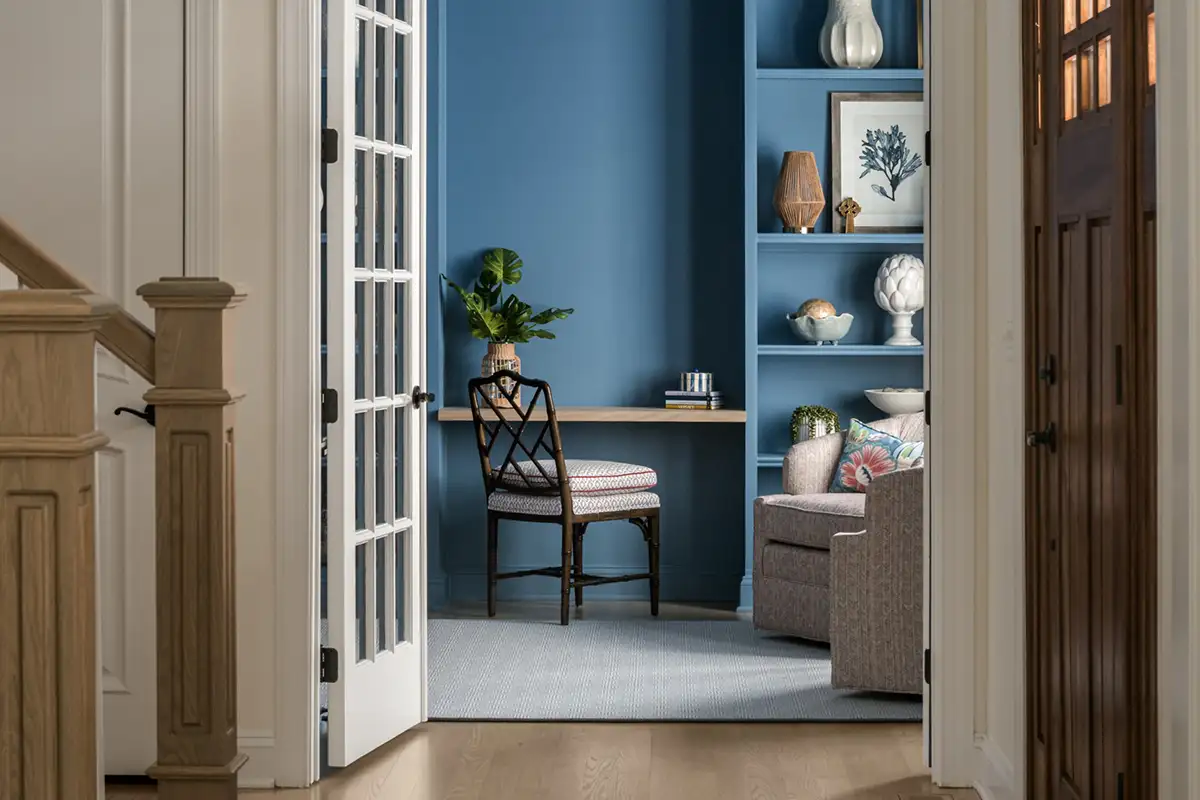
Consider your color scheme.
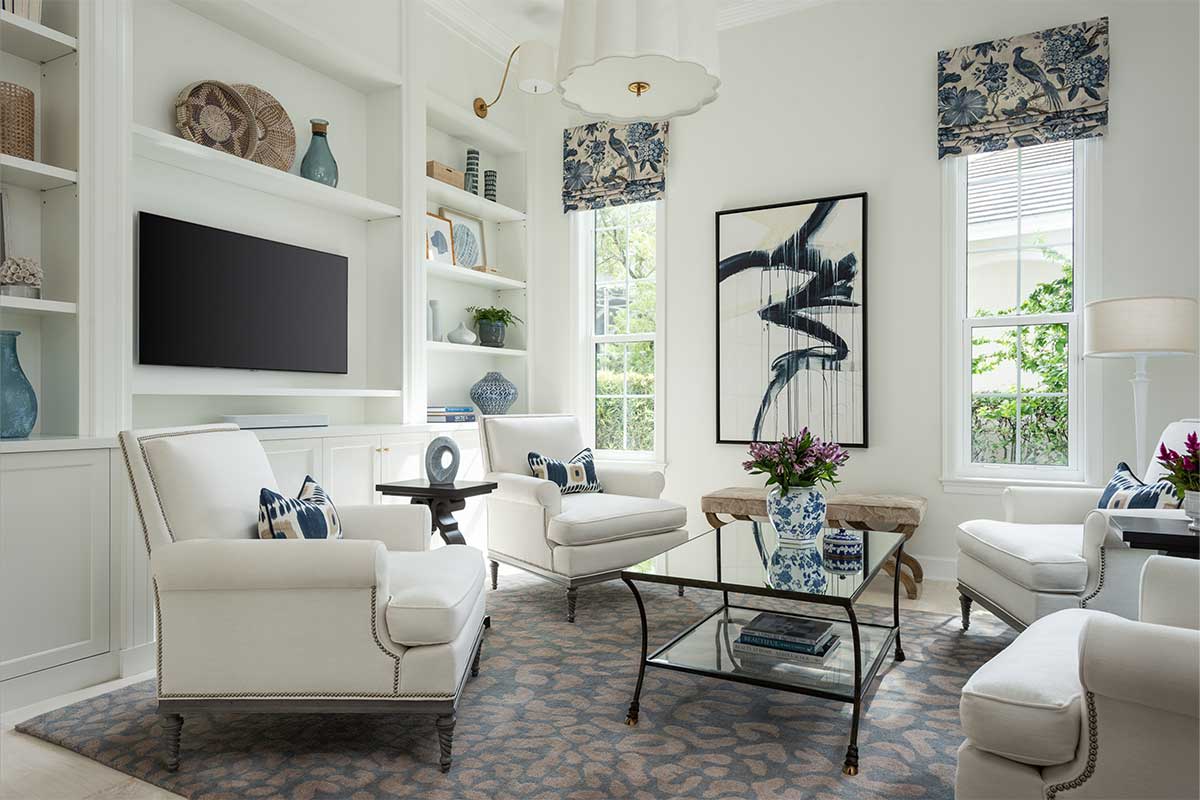
The lighter you keep your colors, the more open a smaller space will look, says Elise Tilelli, founder of Elise Tilelli Interiors in Alexandria.
Just try to stay away from true grays, says Sandra Hambley, founder of Signature Design Interiors in Herndon. “They tend to be gloomy for a lot of people—particularly older people,” she adds.
Instead, you could opt for more of a blue-gray. “Blue is the most universally accepted color as it tends to be soothing to the most number of people, so trying to integrate some sort of blue could be good,” Hambley says. “And white ceiling paint is always a good way to keep things bright.”
Art is important as well.
Bringing in some new pieces can instantly improve your mood.
“Some people have held onto their art for a long time, and it’s become sort of sad and faded over the years,” says Harvey. “Bringing in some fresh art that is fun and lively really brightens up a space.”
And you can pull paint colors from the art to match and add pops of color to a room.
“Also, if you have some favorite furniture pieces that you love and just can’t let go of, you can always get them reupholstered with updated fabric to give them new life,” says Harvey, who has arranged that for a few of her clients.
Look for tripping hazards.
One of the first safety-related changes you should make when modifying your home is looking for anything that might literally trip you up. At the top of this list: area rugs.
“I know a lot of people don’t want to part with them, but they are such a tripping hazard,” says Tilelli. “You should either get rid of them or have someone come in and make sure that they are basically attached to the floor along the edges.”
And if you do keep them, you should make sure they always have a nonslip pad underneath, she adds.
Consider other flooring options when possible.
“You always want the flooring to be as smooth as possible,” says Tilelli. “Even with carpet, you should have no high-pile carpeting or rugs.”
And make sure your transitions from room to room are noticeable. “Where there are transitions, make sure it is very clear if there is a change in surface,” says Tilelli. You could do this by painting the threshold a different color or by adding extra lighting in that area.
Consider changes to the kitchen.
As you get older, there are many things in the kitchen that can be modified to make life easier—for instance, installing pull-out drawers in lower cabinets.
“It is a lot easier for seniors to simply pull out a drawer with pots and pans than to bend over and reach into one,” says Tilelli.
And having a place where you can sit down while you peel carrots or chop onions is a good idea, too.
Update your bathroom, too.
“Ideally, a shower for someone who is aging in place should not have a step or a threshold,” says Tilelli. “You should just be able to walk straight in.”
There should also be some kind of built-in seat.
If you don’t have a walk-in shower, Tilelli says it’s worth investing in one rather than a shower/tub combo.
“The combined shower and tub is just an invitation for accidents because sometimes the tubs are high and you have to climb in and out of it,” she says. “It’s just not a good step-down situation where the floor could be wet.”
And your shower should include some type of grab bar, as well. It need not be one of those industrial-looking ones with curved ends, says Hambley. “You can get nice ones that look more like towel bars,” she says.
Make changes to your furniture.
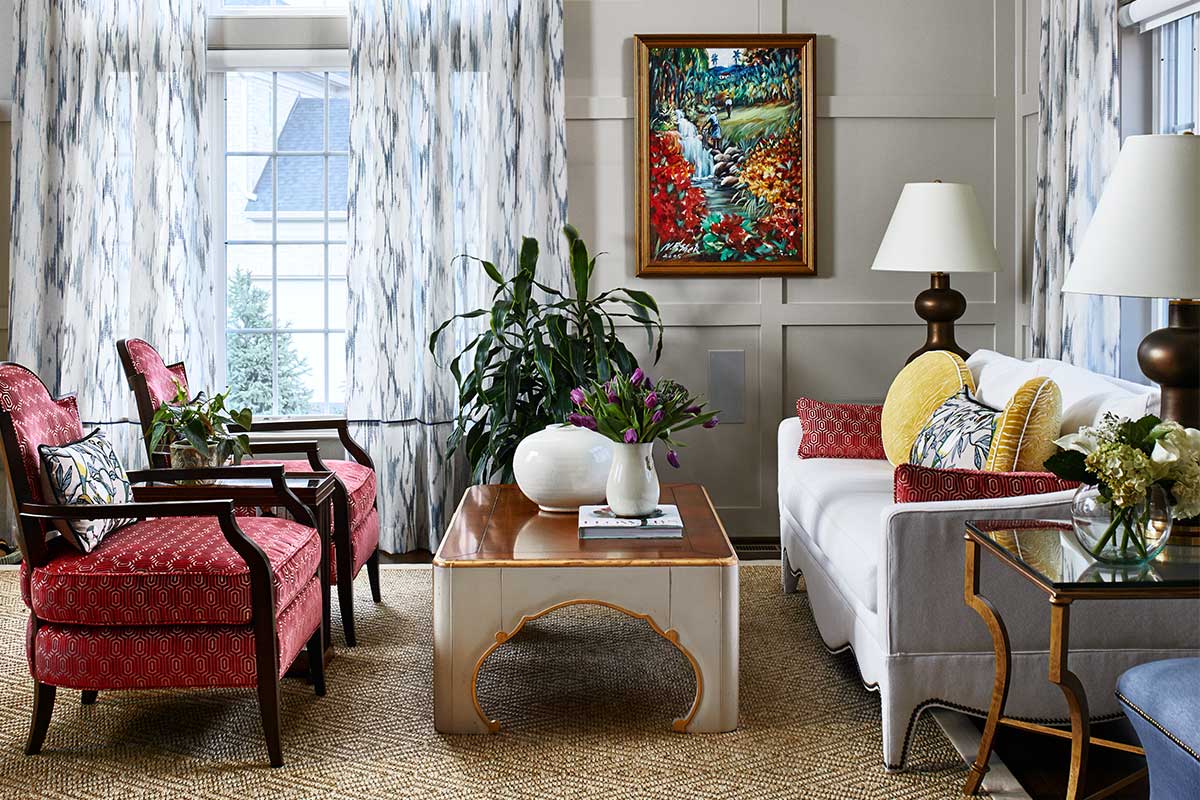
Another thing that needs to be taken into consideration when revamping a home for aging in place is furniture. Gone are the days of buying a couch simply because it’s attractive—that is, if you intend to use it.
“I see so many people go to buy a sofa, and they say, ‘Oh, it’s so pretty,’ but it has a seat height of 16.5 inches and it’s so hard to get in and out of,” says Tilelli. “It shouldn’t be a challenge to get in and out of a sofa or chair.”
Tilelli recommends having sofas and chairs that are at least 18 inches in height. The fill of the sofa is important as well.
“You don’t want it to be too soft,” Tilelli says. “It’s one thing in your 20s where you want to sink into these wonderfully plush sofas, but when you’re elderly, that’s not so easy.”
And all chairs or sofas need to have arms or something to hold on to that makes getting in and out of them easier, recommends Harvey. “Chairs are typically better than sofas for seniors,” she says. “Even dining room chairs should have arms to them.”
Plan lighting carefully.
“Lighting is huge,” says Tilelli. “If all you have is overhead lights, that’s going to create a lot of shadows and can be a little disorienting.”
And LED fixtures are going to be your best bet. “They are not as glaring, and they don’t need to be changed as often,” Tilelli adds.
It’s always important to have different layers of lighting, says Harvey. “Overhead light is a good basic starting point, but you want to have table lamps and task lights for reading and such as well,” she adds.
Tilelli also recommends investing in two-way light switches. “That way, you can turn your bedroom light on right at the entry and then you can turn it off at your bedside as well using the bedside lamp,” she says.
Simplify all technology.
Today is an interesting time to be aging in place, in that a lot of newer technology exists to streamline day-to-day tasks. The key to this, however, is making it simple enough for seniors to use
“For our clients, we’ve really simplified their technology,” says Harvey. “For instance, one client has all motorized blinds, but it was very easy. There were just two buttons—up and down.”
However, if there are other things—TVs, iPads, security systems—you want to try and find a way to integrate that all into one place for simple living. This can be done through voice activation or an easy-to-use app on your phone or a tablet, says Tilelli. “A lot of people can turn their lights on and off from their phone, lock and unlock their front door, and even access Ring doorbell to not have to get up and go to the door.”
Revamping your home is an investment of both time and money, but it’s worth it, says Tilelli. “If you can stay where you are—and most people don’t want to be displaced—this helps make it safe, secure, and easy for you,” she says.
Feature image by Crystal Bos
This story originally appeared in our February issue. For more stories like this, subscribe to our monthly magazine.